China takes Europe's EV tariffs to WTO as trade tensions deepen

WTO
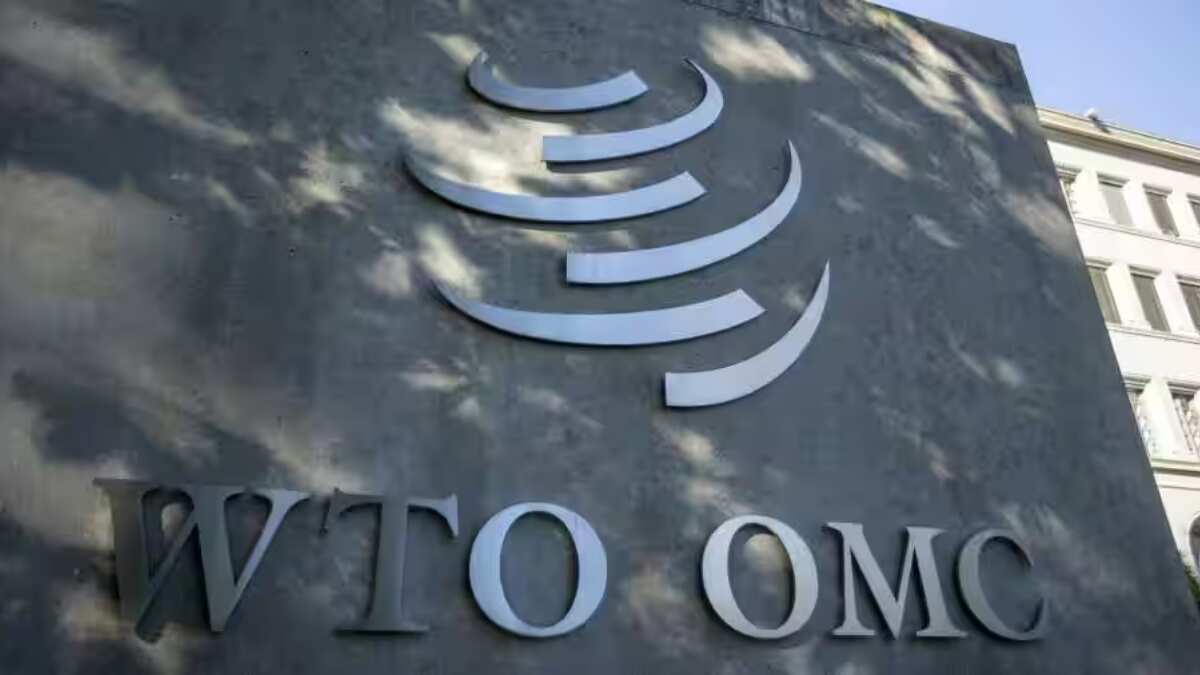
The global trade landscape has become increasingly complex as China has formally complained to the World Trade Organization (WTO) challenging the European Union's recent decision to impose anti-subsidy duties on Chinese electric vehicles (EVs). This move marks a significant escalation in the ongoing trade dispute between the two economic powerhouses, further straining their already tense relationship.
According to a statement released by China's Ministry of Commerce, the complaint was officially filed with the WTO's dispute settlement mechanism on Friday. The primary objective of this action, as stated by the ministry, is to "safeguard the development rights and interests" of China's burgeoning EV industry.
A spokesperson for the ministry elaborated on China's position, asserting that the EU's provisional conclusion regarding Chinese subsidies "lacks factual and legal foundation." The spokesperson went further, claiming that the EU's actions "severely violated WTO rules and undermined the global cooperation on dealing with climate change." This statement highlights China's view that the EU's measures not only contravene international trade regulations but also potentially hinder global efforts to combat climate change, given the importance of EVs in reducing carbon emissions.

The Chinese government has called on the EU to "immediately correct its wrongdoing," emphasising the need to preserve China-EU economic and trade cooperation and maintain stability in the global EV supply chain. This appeal underscores the interconnectedness of the global automotive industry and the potential ripple effects of trade disputes in this sector.
The context of this dispute is crucial to understand. In recent months, the relationship between China and the EU has deteriorated significantly, partly due to the EU aligning its China policy more closely with that of the United States. The immediate catalyst for China's WTO complaint was the EU's decision last month to impose provisional tariffs on certain car imports from China, potentially raising rates to as high as 48 per centfollowing an investigation into alleged Chinese state aid to EV manufacturers.
China's response to these tariffs has been swift and multifaceted. In addition to the WTO complaint, Beijing has threatened retaliatory measures against European farmers and aircraft manufacturers. Furthermore, China has initiated an anti-dumping probe targeting the French spirits industry, signalling its willingness to use a range of economic tools in this trade dispute.
&im=FitAndFill=(700,400))
National Handloom Day 2026: From Alia Bhatt to Samantha Ruth Prabhu; Actresses who celebrated India's textile heritage as brides
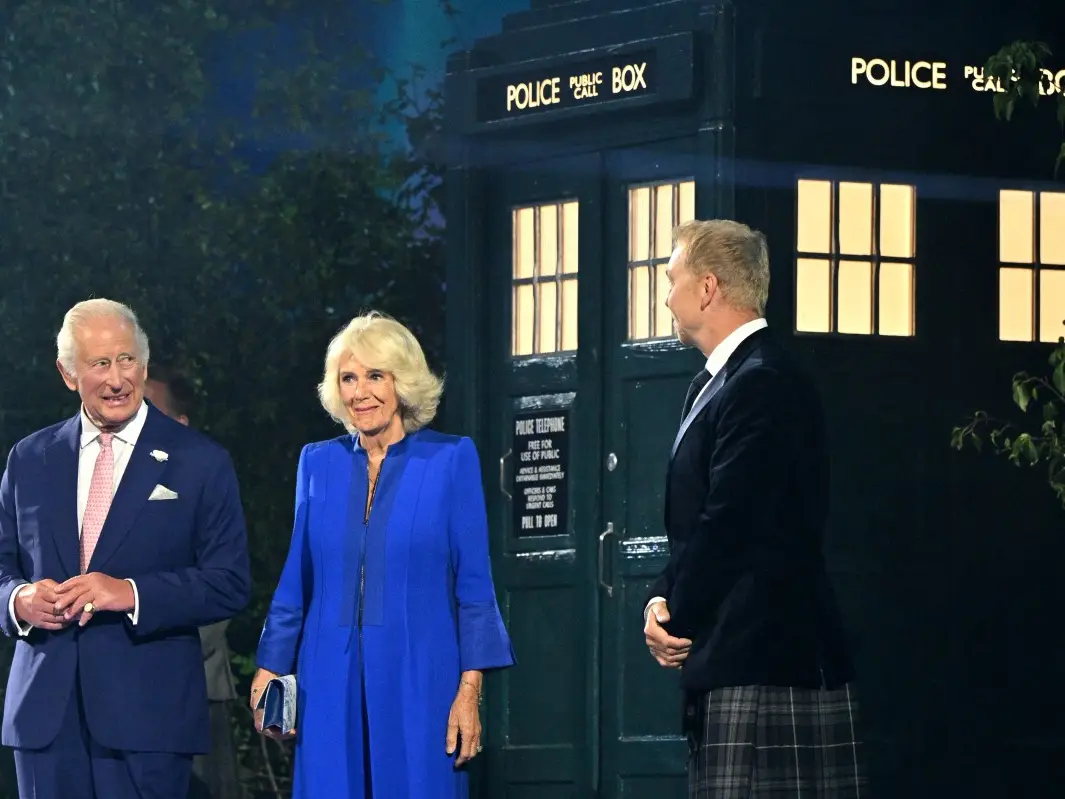)
The Royals enter the Doctor Who universe: King Charles and Queen Camilla beam into Commonwealth Games in TARDIS
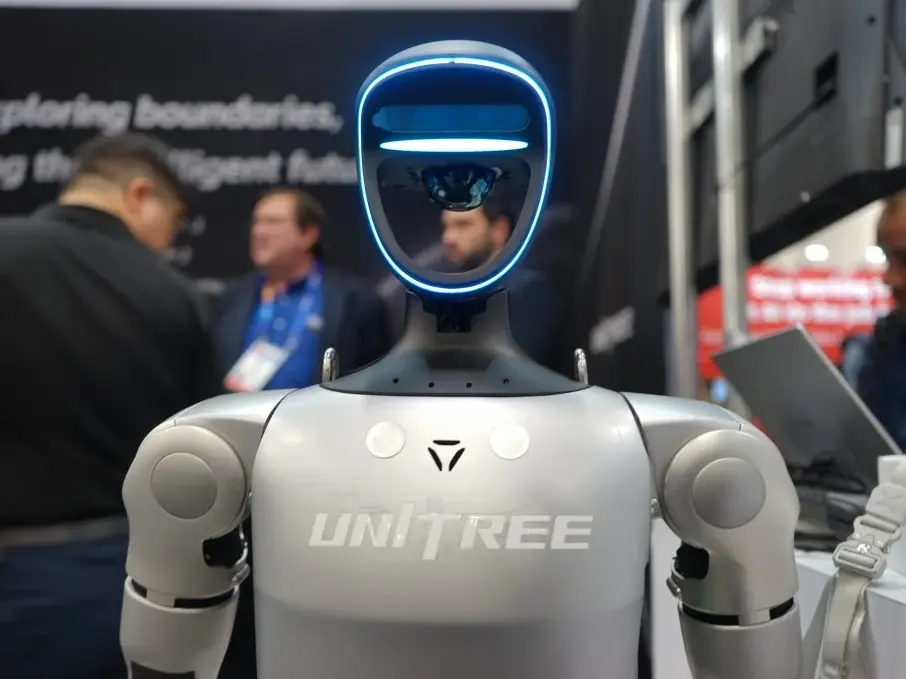)
Unitree Robotics targets $9 billion valuation in landmark IPO backed by DeepSeek and Tencent
)
India names 27 sites in Arunachal Pradesh
)
Bharat Bhhagya Viddhaata OTT: When will Kangana Ranaut's film stream online?
&im=FitAndFill=(700,400))
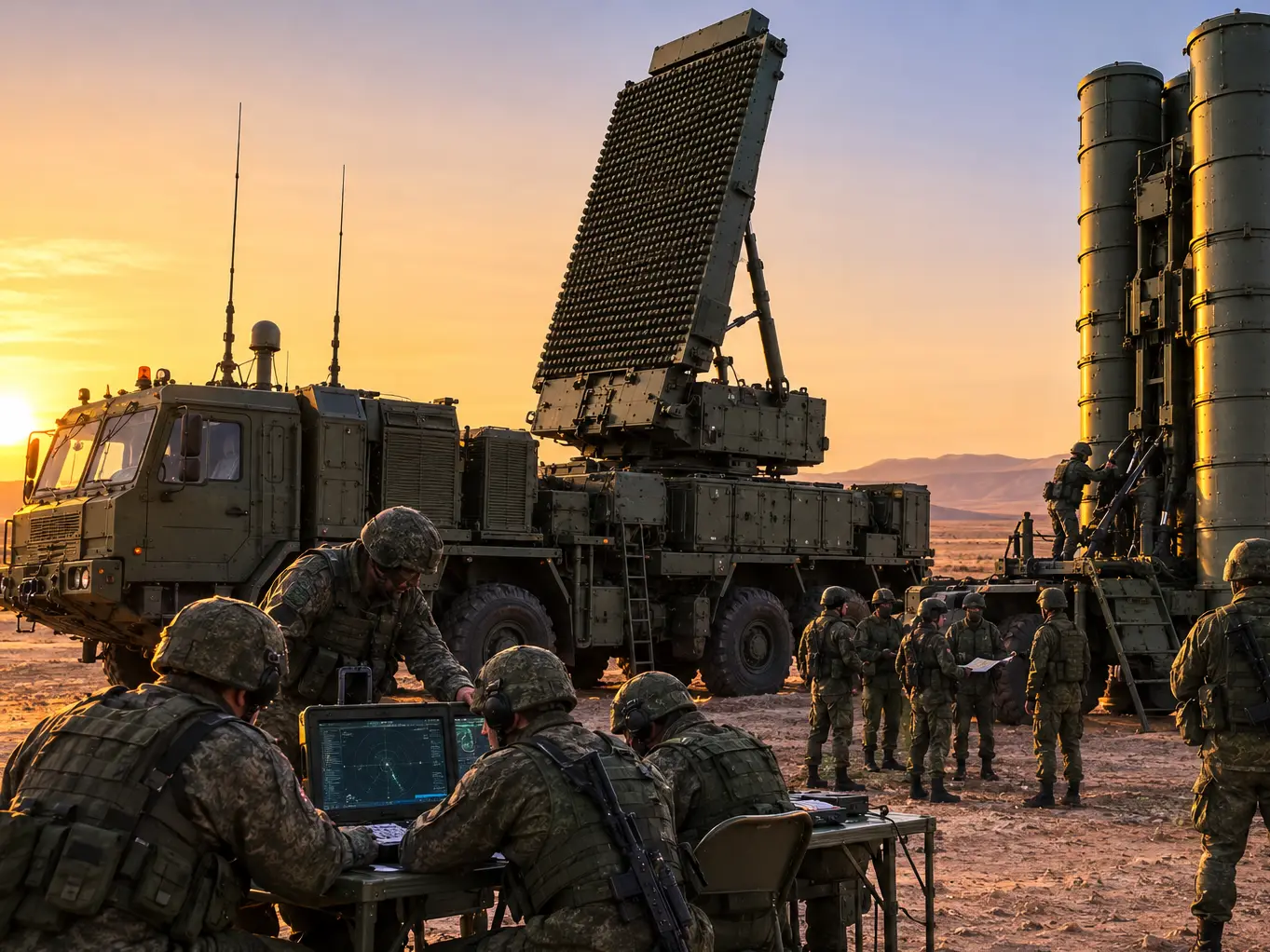
How many soldiers operate one S-400 battery?
)
Shakib Al Hasan ready to return to Bangladesh—under one condition
)
‘Fake news’: MEA rejects report claiming India sought defence pact with Israel after Pakistan, Saudi Arabia, Turkey deal
)
Rockstar to unveil GTA 6 extended look ahead of November launch
)
Russia forms Ukrainian Volunteer Spetsnaz Brigade to fight Ukraine
)
Drug-resistant fungus that hides in hair and enters bloodstream reported in 23 US states
)
Technology transfer deal boosts India's defence manufacturing ambitions
)
Border row erupts in Europe after Ceuta crossings, Spain imposes border controls on Italy
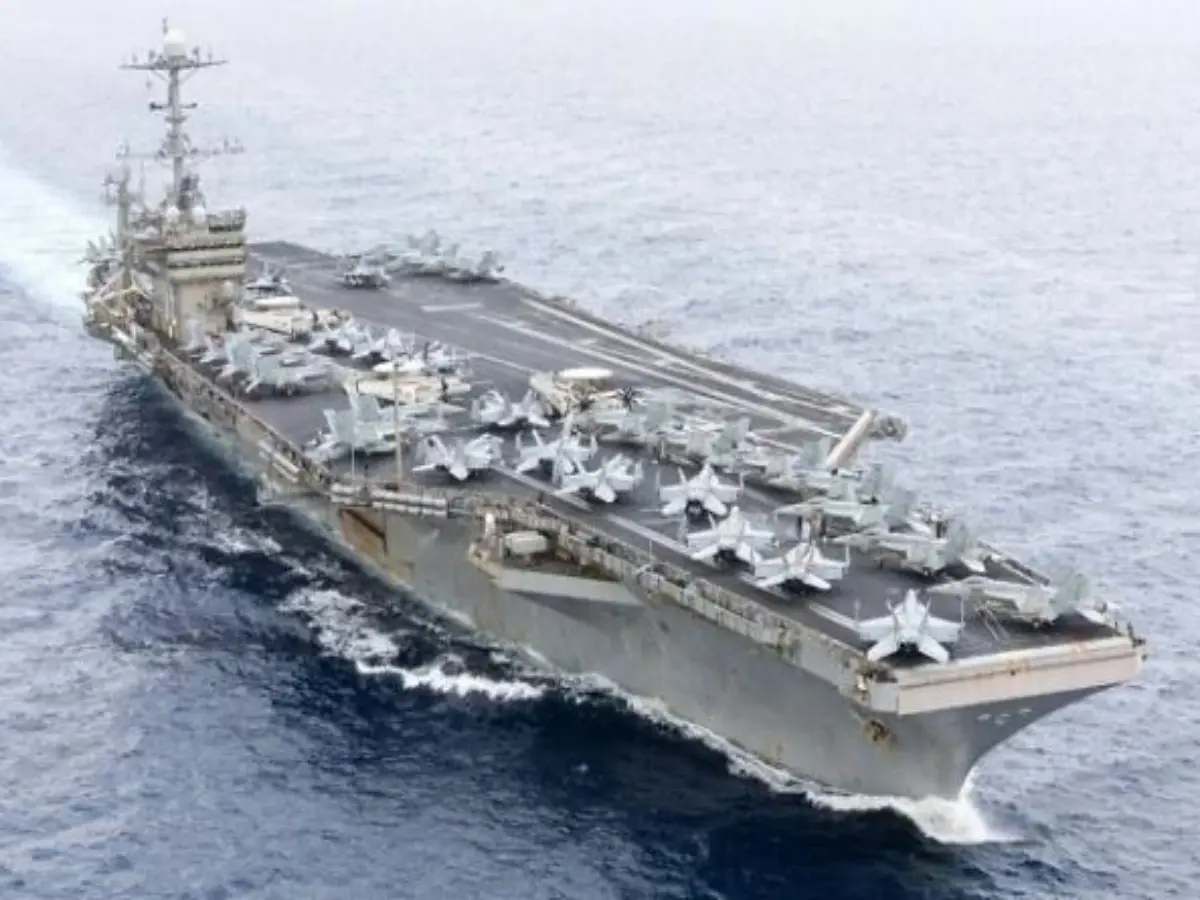)
Morale plummets on USS Abraham Lincoln: Are US sailors reaching a breaking point? | GRAVITAS
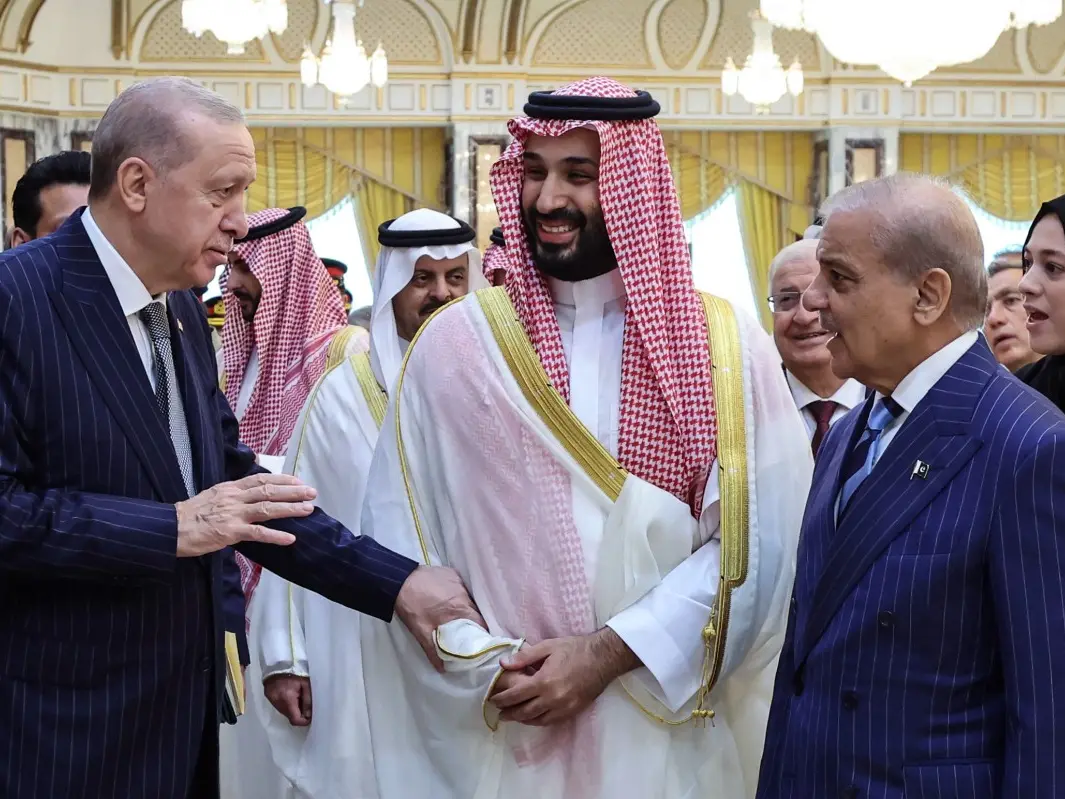)
'Security can't be bought with Pakistan, Turkey deal': Iran tells Saudi Arabia
)
Baba Vanga's 2026 prophecy: 2 predictions 'already came true', 3 terrifying ones remain. Details inside
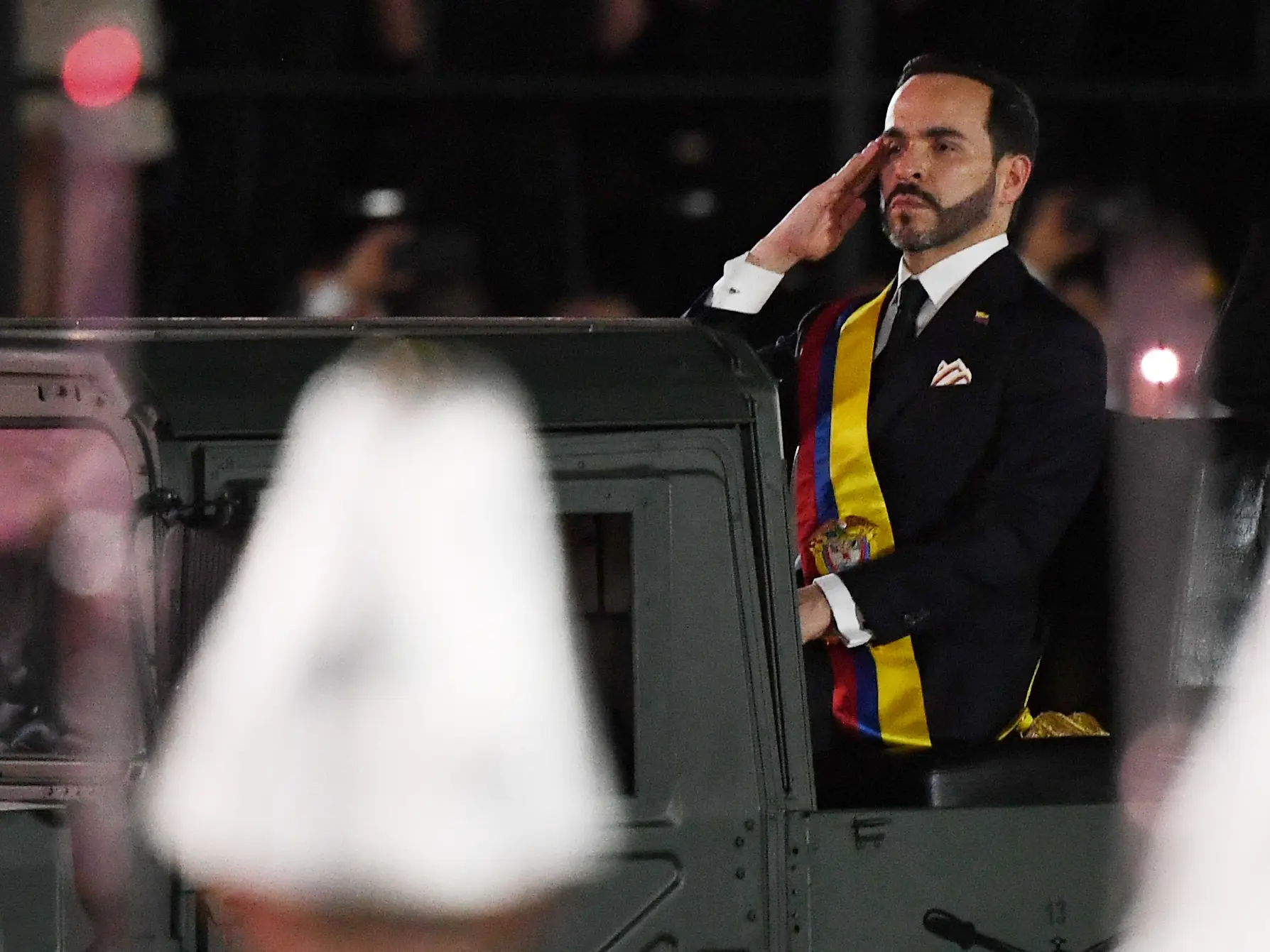)
Colombia’s new president Abelardo de la Espriella vows to ‘defeat narco-terrorists’, signals hardline shift
&im=FitAndFill=(700,400))
New Friday OTT releases (August 7, 2026): Operation Safed Sagar, Vadhandhi, Main Vaapis Aaunga- 6 movies and TV shows on Netflix, Prime Video and more
)
Squadron Leader Bhawana Kanth scripts history as Indian Air Force gets its first woman ‘Top Gun’ pilot
)
RSS says Gen Z protests reflect genuine distress
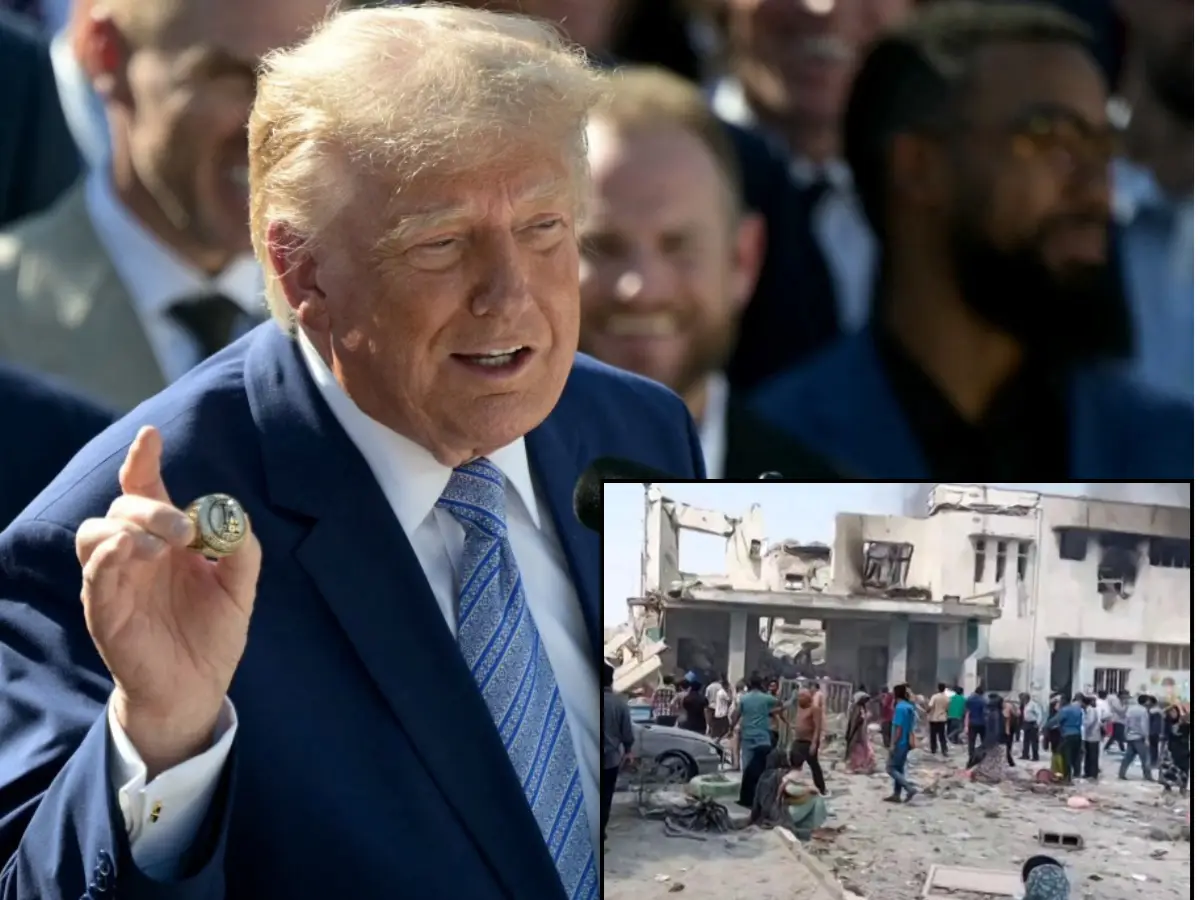)
Trump says Iranian school bombing photos could be AI-generated - 'I don’t think...'
)
IAF officer held for sharing sensitive information in 'honey trap' case, booked under Official Secrets Act
)
Stray Kids under scrutiny? Fans react to Grammy submission silence after BTS boycott
&im=FitAndFill=(700,400))
Why the Su-30MKI doesn't need external fuel tanks to fly vast distances
)
Jugal Hansraj reunites with Shekhar Kapur after 40 years for Masoom: The Next Generation
)
New speed limits, automatic challans: Big traffic change coming to Delhi-Meerut Expressway. All you need to know
)
India officially names 27 places in Arunachal to counter China's renaming claims
)
Trump calls White House ballroom ruling a 'national disgrace' as court says Congress approval needed
)
US sanctions Iran’s crypto network after Strait of Hormuz attacks, offers $15m bounty for intel on IRGC finance
&im=FitAndFill=(700,400))
Why the Su-30MKI is one of the heaviest fighters ever built
)
Uttarakhand young innovator builds India's own flying vehicle, conducts first test flight: WATCH
)
Chilling video shows students take cover as teen opens fire at Thai school
)
Reese Witherspoon's father hospitalised after poolside incident in Nashville: Report
However, experts like Henry Gao, a law professor at Singapore Management University specializing in Chinese trade policy, caution that the practical impact of the WTO case may be limited. Gao points out that such cases typically take at least two years to resolve, during which time Chinese EVs may struggle to regain lost market share in Europe, even if China ultimately prevails in the dispute.
The EU's tariffs have had varying impacts on different Chinese automakers. For instance, state-owned SAIC Motor Corp. faces the highest additional tariff of 37.6 per centon top of the existing 10 per centrate. Other major players like Geely (parent company of Volvo Car AB) and BYD Co. have been hit with additional charges of 19.9 per centand 17.4 per cent, respectively.
This dispute is part of a broader global trend where the EV sector has become entangled in geopolitical and trade tensions. China's rise as a world leader in EV production, partly due to significant government investment and support, has led to concerns in other countries about market dominance and fair competition.
The United States has also taken measures to limit the entry of Chinese-made EVs, imposing tariffs exceeding 100 per cent. The US argues that Beijing is flooding the global market with cheap goods, particularly in emerging green industries. Canada is considering similar protectionist measures.
In response to these global challenges, China has not limited its WTO complaints to the EU. The country has also filed a separate complaint against the United States regarding its EV subsidies, which China views as discriminatory. The Biden administration's restrictions, which disqualify vehicles containing battery components or raw materials sourced from "foreign entities of concern" from purchase tax credits of up to USD7,500, have been a particular point of contention.
This complex web of trade disputes, WTO complaints, and retaliatory measures underscores the strategic importance of the EV industry in global trade and geopolitics. As the world transitions away from internal combustion engines, the competition for dominance in the EV market is intensifying, with major economic powers using various policy tools to protect and promote their domestic industries. The outcome of these disputes could have far-reaching implications for the future of the global automotive industry, international trade relations, and efforts to combat climate change.