CATL plans to transform from battery giant to green energy pioneer

CATL
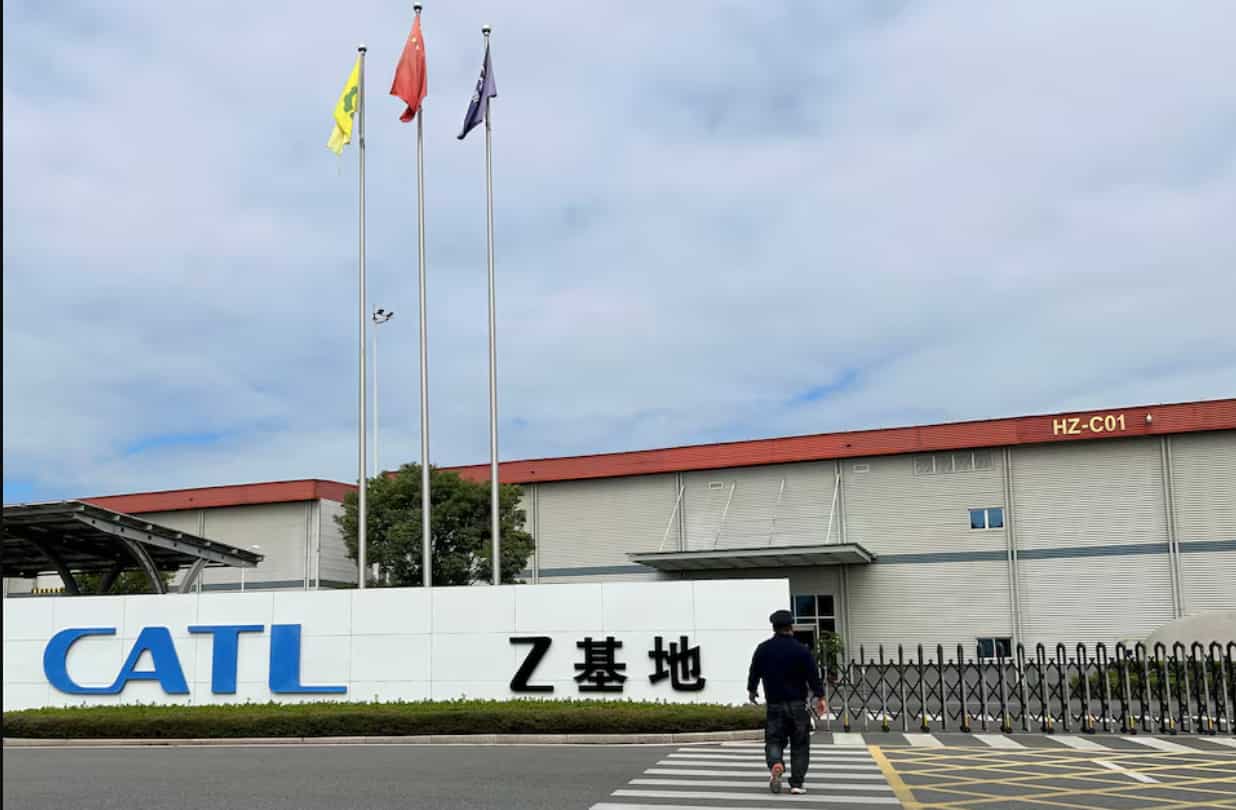
Contemporary Amperex Technology Co. Limited (CATL), the world's dominant electric vehicle battery manufacturer, is embarking on an ambitious transformation that could revolutionise both the energy and automotive industries. In a media interview, founder Robin Zeng unveiled sweeping plans to expand beyond battery manufacturing into comprehensive green energy solutions and innovative EV platforms.
The strategic evolution of the USD 40 billion battery powerhouse centres on two initiatives. First, CATL aims to develop and manage "zero carbon" electric grids capable of powering entire cities or massive data centres. Zeng projects this market could be "ten times" larger than the company's current EV battery business, which already commands a 37% global market share.
In a parallel development that could reshape the automotive industry, CATL is introducing "panshi" (Chinese for "bedrock"), an off-the-shelf electric vehicle platform featuring an integrated long-range battery system. This innovative solution promises to dramatically reduce EV development costs from billions to approximately USD 10 million, potentially democratising entry into the electric vehicle market.

The company's green grid initiative comes at a crucial moment as technology giants scramble to secure sustainable energy sources for their data centres. CATL's comprehensive approach would combine energy storage systems with solar and wind power generation, managed by sophisticated control systems that can even draw power from parked electric vehicles. The company is already advancing pilot projects, including a significant installation in the Democratic Republic of Congo with CMOC Group and a larger-scale initiative in China's Hainan province incorporating offshore wind turbines.
The "panshi" EV platform represents an equally ambitious technological leap. The system integrates a battery capable of delivering over 800 kilometres of range into a protective chassis design. CATL has already showcased the technology to Porsche and potential investors in the United Arab Emirates, emphasising that their role remains strictly as a technology provider rather than a vehicle manufacturer.
While pursuing these transformative initiatives, CATL continues to strengthen its global manufacturing presence. The company is finalising plans for a joint battery factory with Stellantis in Spain, while its Hungarian plant, set to begin production next year, promises 100 gigawatt hours of capacity with significantly lower operating costs than its German facility. Both European plants are projected to achieve profitability by 2025-2026.
)
Mumbai: Gallops restaurant at Mahalaxmi Racecourse licence suspended over food safety violations
)
Erdogan again raises Kashmir issue at UNGA, calls for dialogue under UN Charter
)
Ten days from Delhi to Washington: What Xi's BRICS-to-White-House sprint means for India
)
'Our team opened the gate of gold medals': Harmanpreet Kaur on India’s Asian Games final win
)
'Needs time away from the international scene': England white-ball captain Brook on pacer Brydon Carse's future
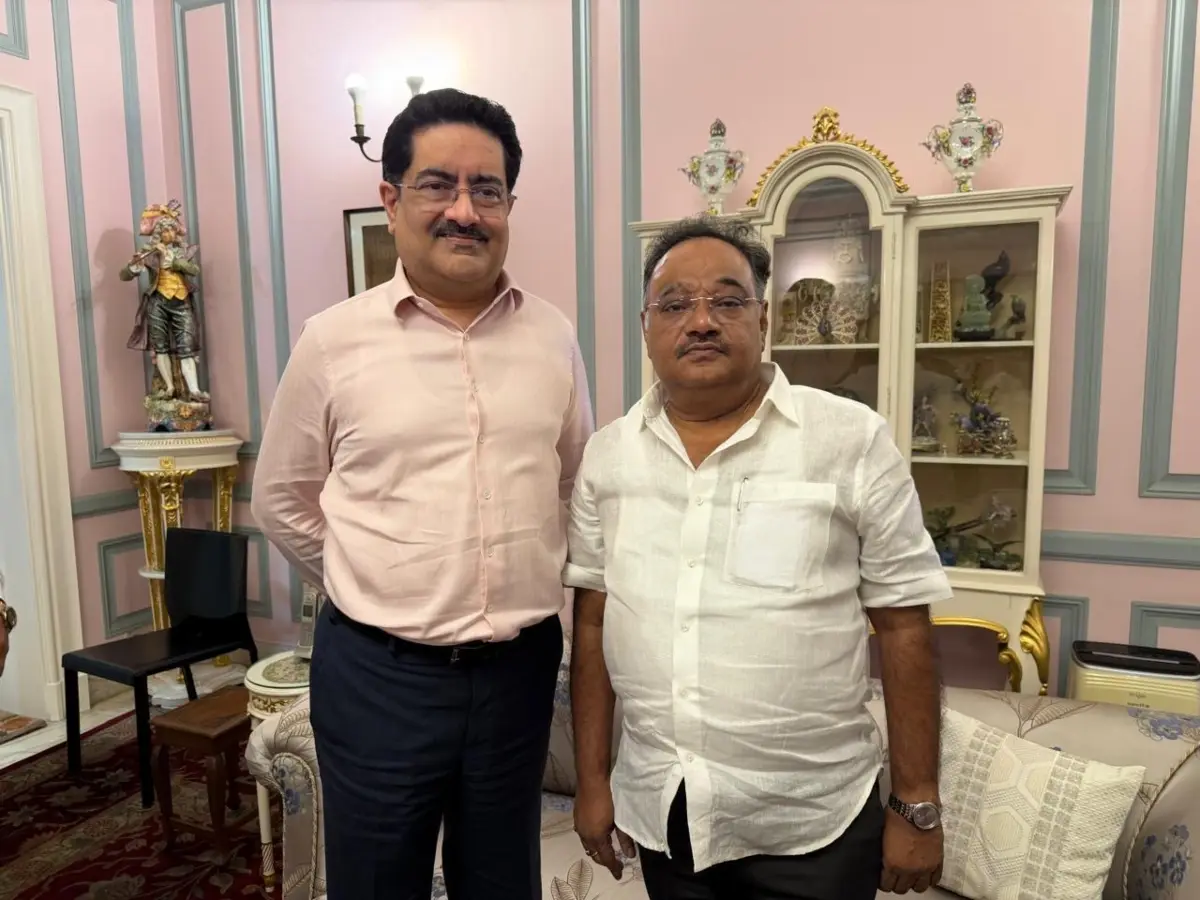)
Four decades after leaving Kolkata, the Birlas may be coming back for more
)
The Verdict | Moral policing isn’t culture or discipline, it’s crime
)
Glitch in the matrix caught on camera: Woman vanishes after talking to reporter
)
Rani Mukerji's mother Krishna Mukerji passes away; Karan Johar, Jaideep Ahlawat visit actress
)
Asian Games 2026: India women's cricket team beats Sri Lanka by 147 runs for first gold
)
Key accused in Bihar's Jamui molestation case, arrested after police shoot him in leg
)
ICC plans T20I expansion and fewer ODIs in 2027–2031 FTP cycle: Report
)
Injured pelican knocks on NOAA facility door in Florida seeking help
)
'Mumma’s boy from Gwalior who dared to dream': Kartik Aaryan pens long note after first National Award win
)
US and China vie for AI dominance as calls grow for regulation | Gravitas
72nd National Film Awards: Kartik Aaryan receives Best Actor honour for Chandu Champion in Gujarat
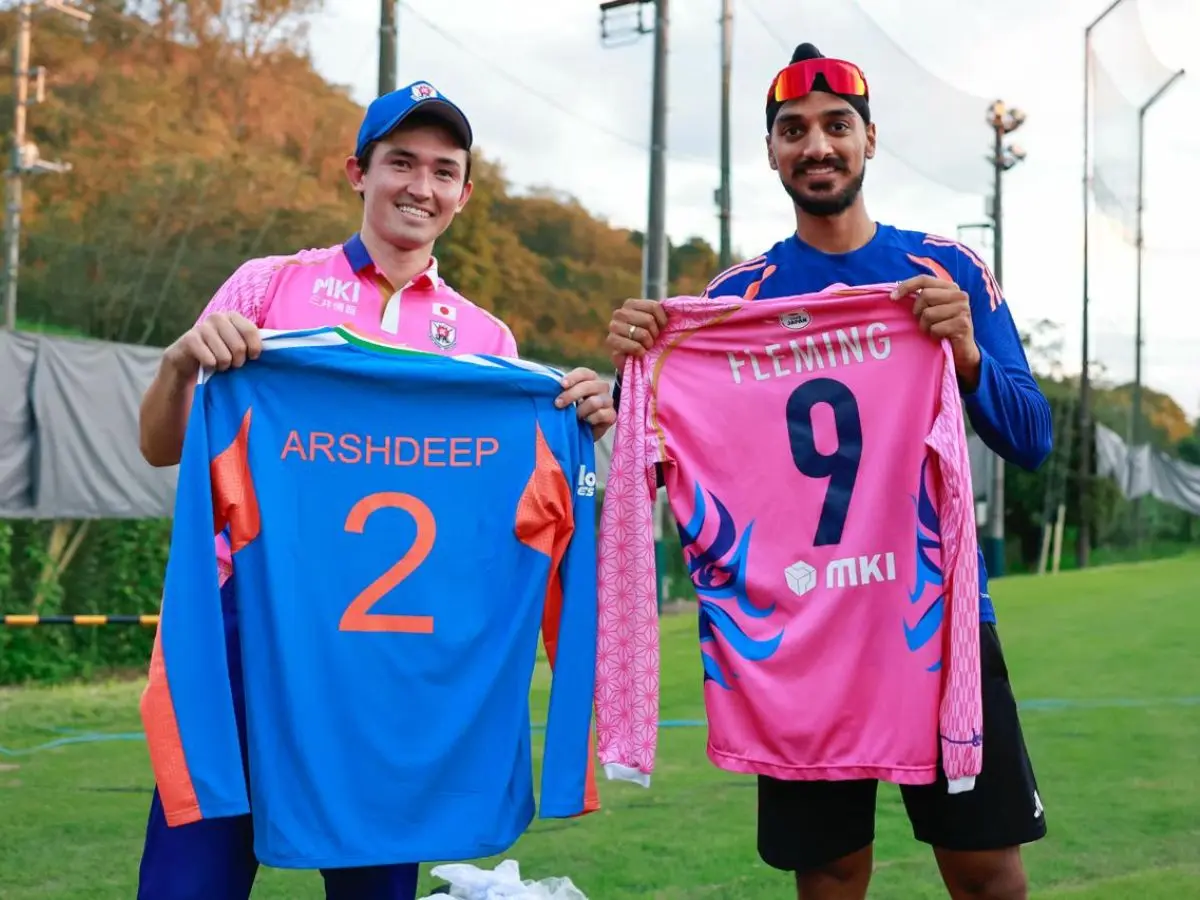)
IND vs JPN, one-off T20I: Japan captain Kendel on pushing India to the brink - ‘It was special’
)
Saudi Arabia exits China-led mBridge digital currency platform amid Saudi-Houthi conflict
)
National Film Awards 2026: Yami Gautam wins Best Actress for Article 370
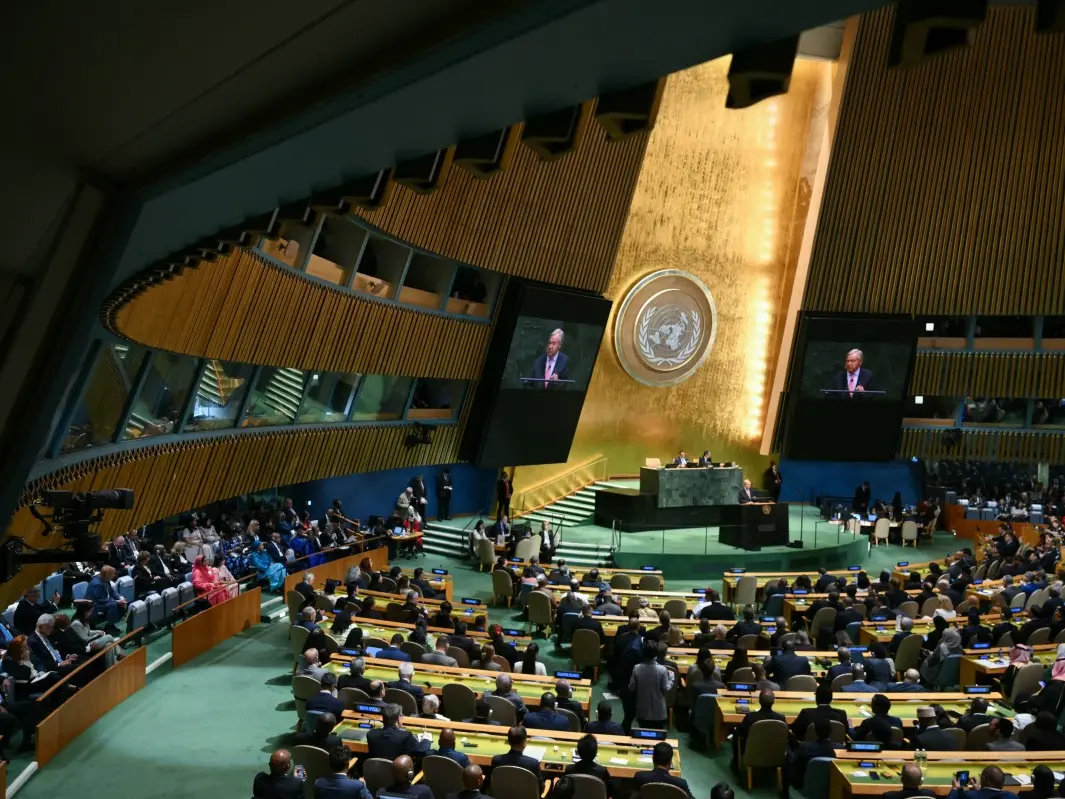)
World leaders repeatedly call Gaza crisis ‘genocide’ as Israel’s war dominates opening sessions of UNGA
)
WION Iconic Tourism Summit and Iconic Awards 2026: India's travel economy leaders gather in Delhi
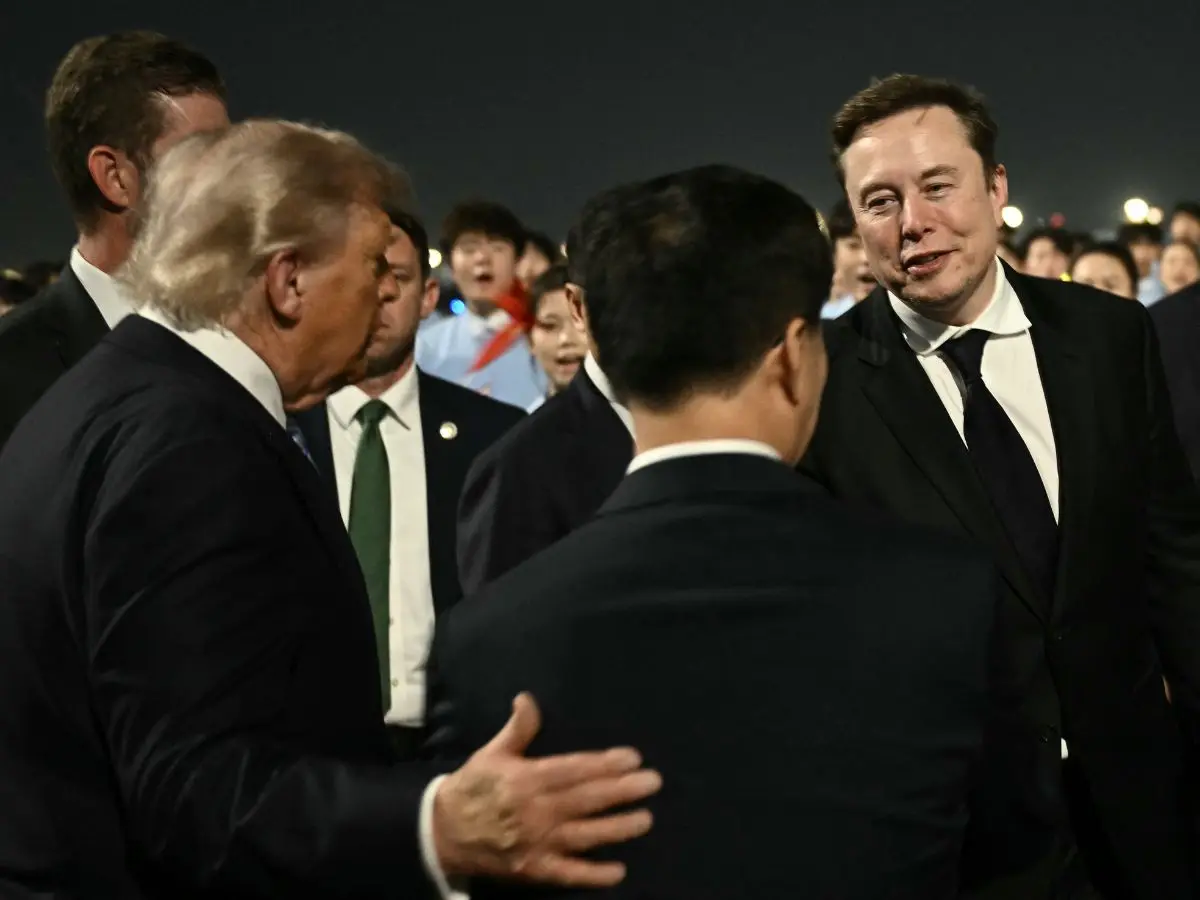)
Trump-Xi state dinner 2026: Who is invited? Full guest list of tech CEOs, business leaders and officials
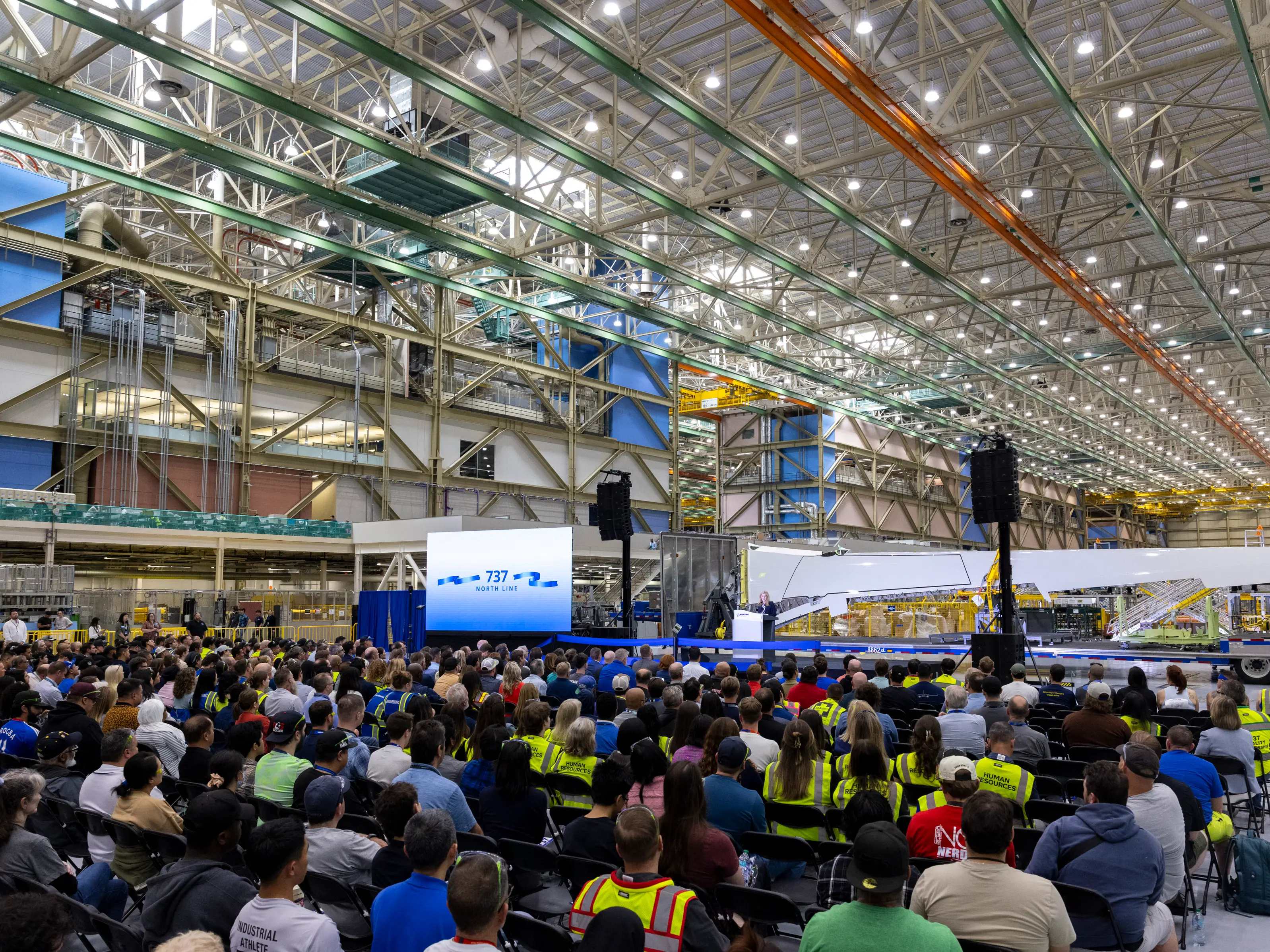)
American manufacturing is reshoring faster than its factory floors can absorb
&im=FitAndFill=(700,400))
New OTT releases this week (September 21-27, 2026): Shaque: Trust No One, Hunkkaar, Don’t Be Shy- 5 new titles coming to Netflix, Prime Video and more
)
Trump calls on nations to quit ‘rogue’ and ‘out-of-control’ International Criminal Court, rips UN
)
Who is Clavicular? The 20-year-old controversial 'Looksmaxxing' influencer charged with rape allegations
)
'This is normally what toddlers do': Why a psychiatrist is raising fresh questions about Trump’s recent behaviour
&im=FitAndFill=(700,400))
National Film Awards 2026: Kartik Aaryan, Mammootty, Yami Gautam, Randeep Hooda and other key winners
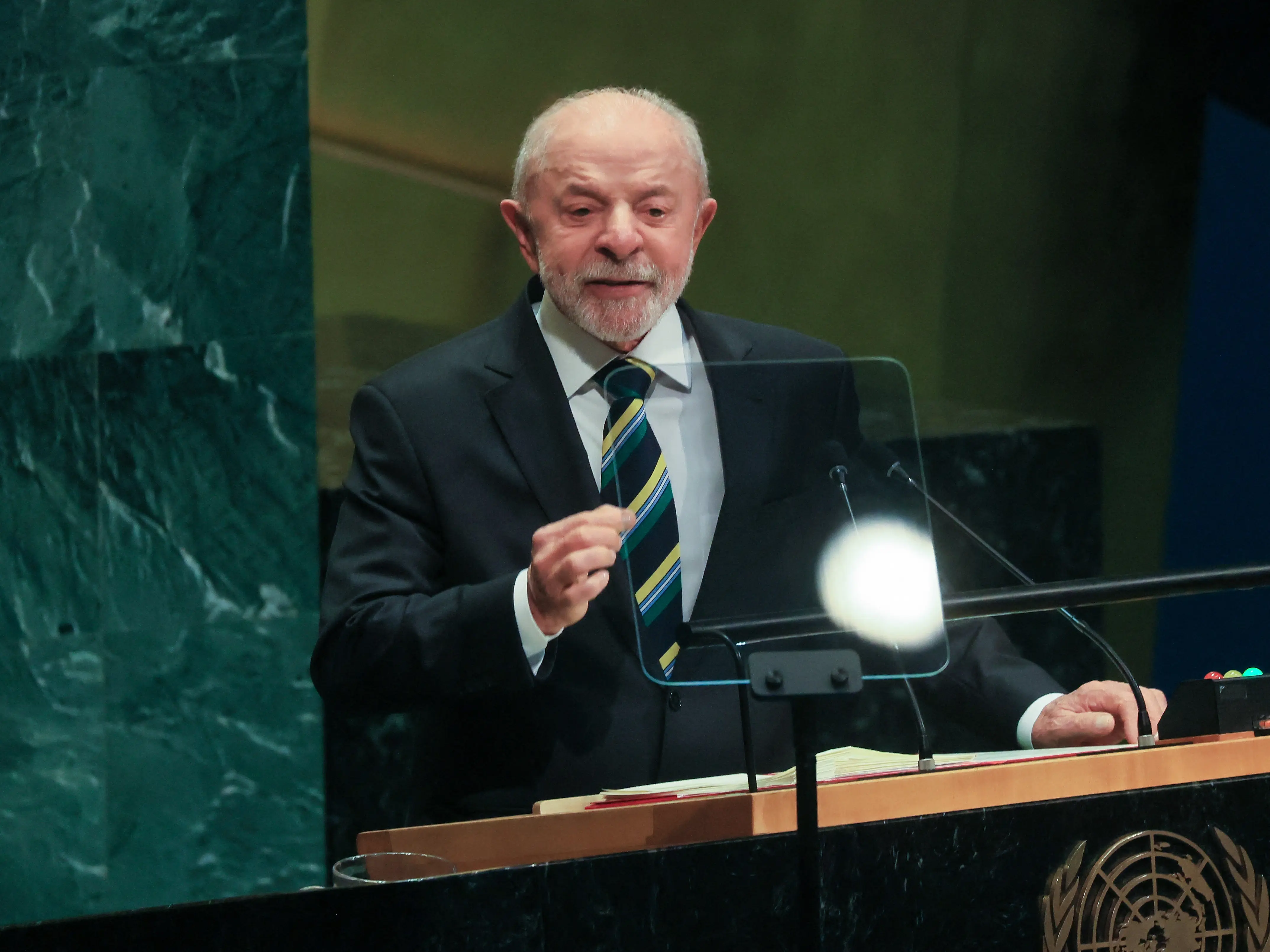)
‘We are all held hostage’: Brazil’s Lula attacks Security Council inaction, Guterres calls for reform
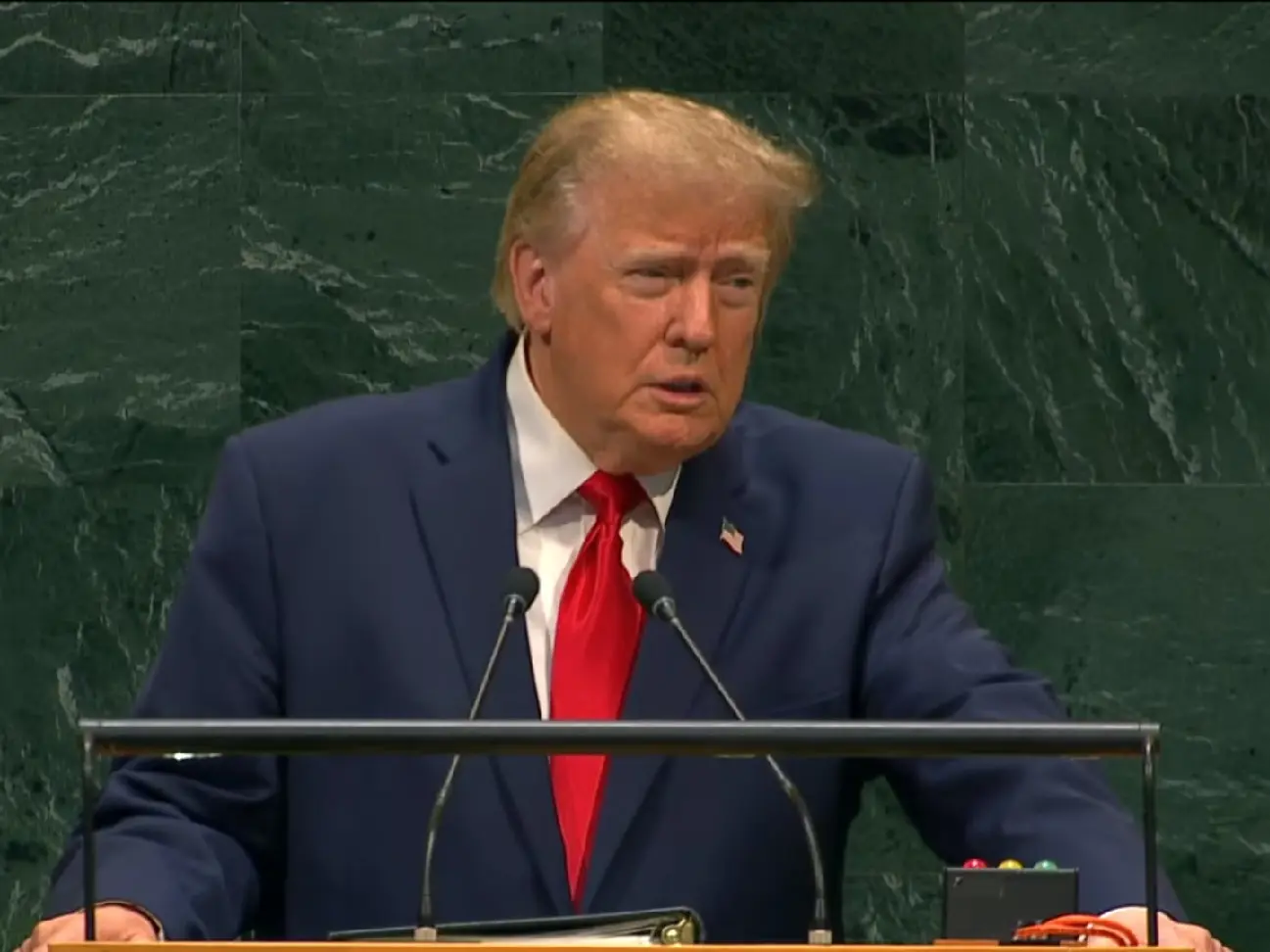)
‘Strike a deal or drive Iran into hell’: Trump issues fresh warning to Tehran at UNGA
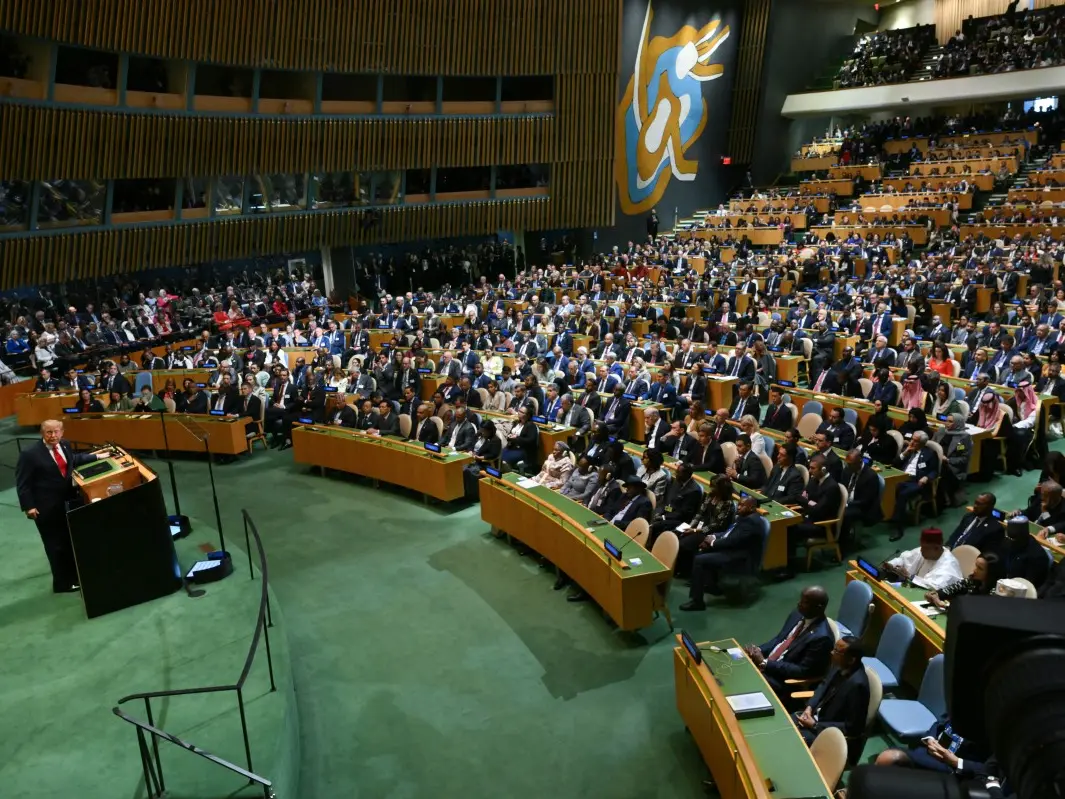)
Trump calls Cuba a ‘failed state’ at UN, Cuban delegation walks out
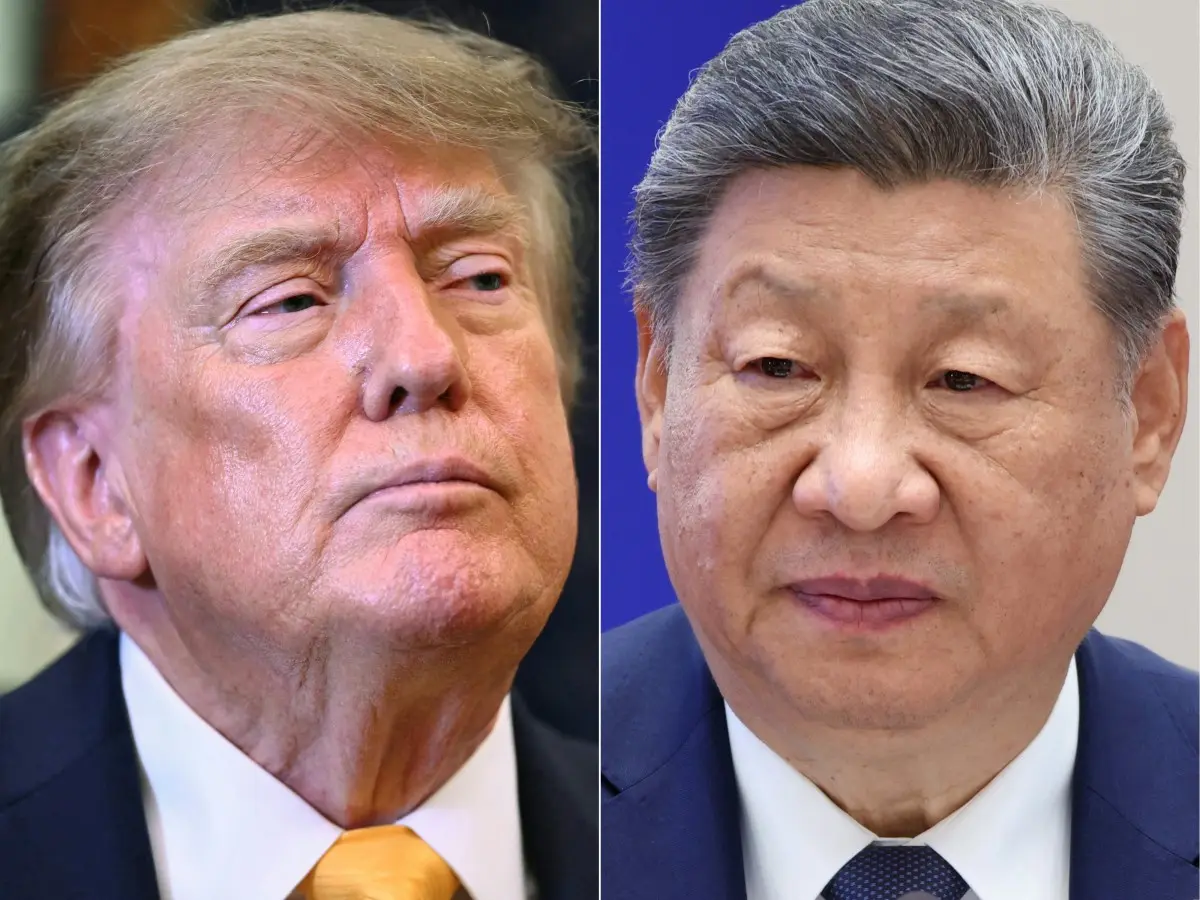)
Trump’s China visa crackdown puts US universities, Chinese students in focus ahead of Trump- Xi summit
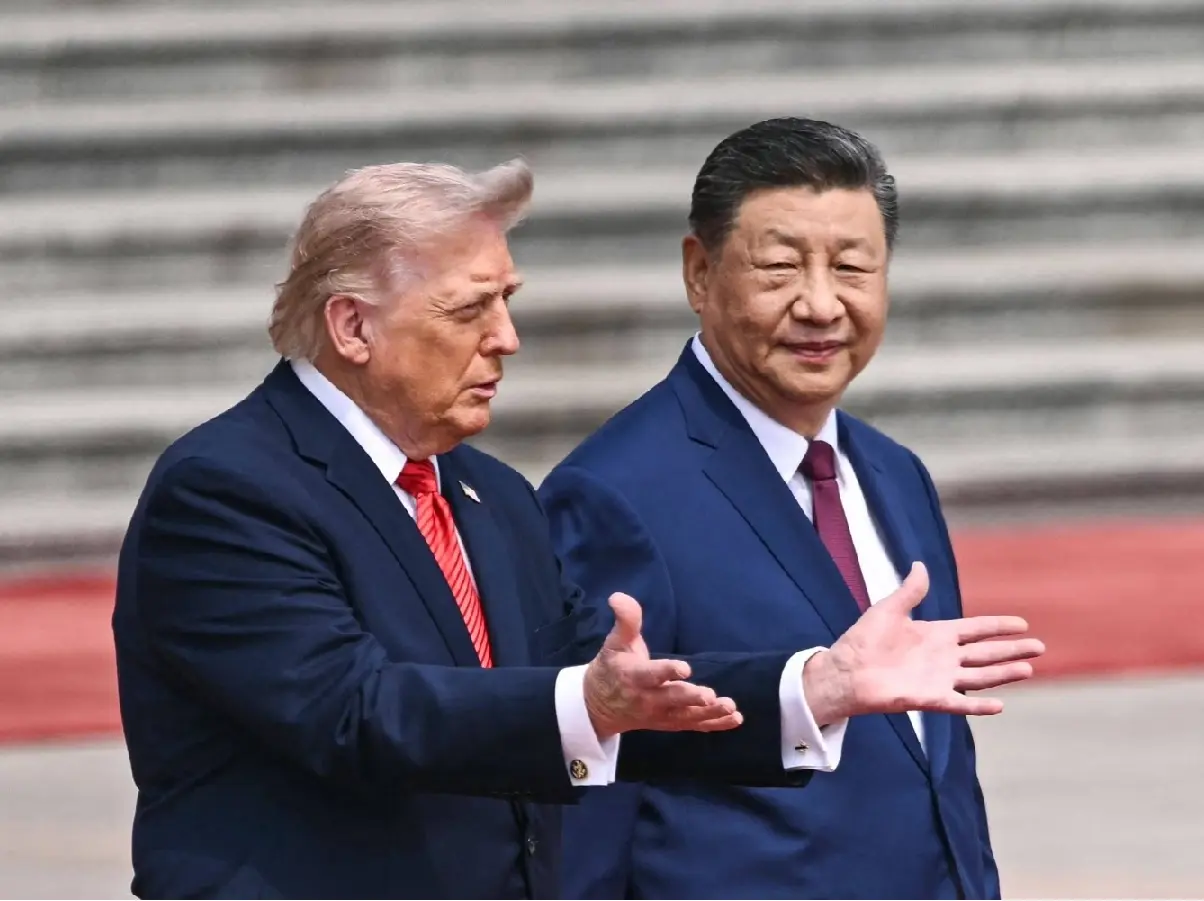)
Explainer: Why rare-earth export licences and Board of Trade are US priorities ahead of Trump-Xi summit
)
BTS fans mock iHeartRadio’s day 2 turnout after short set controversy
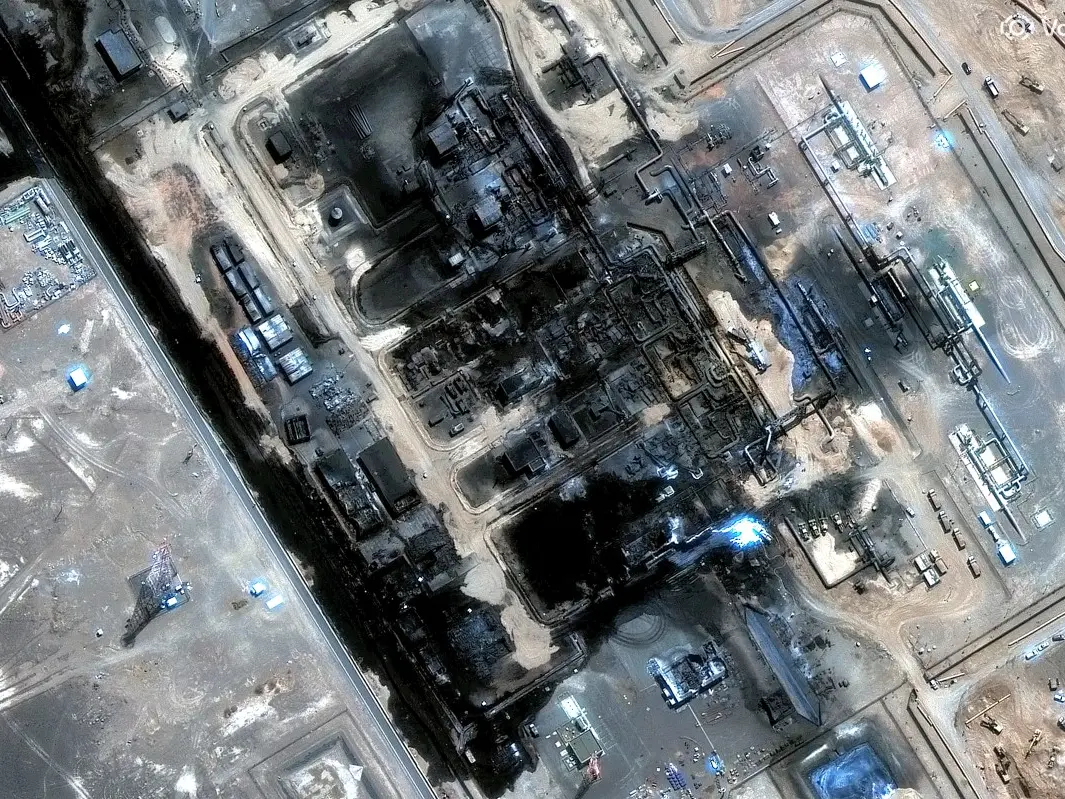)
Oil slips to $98 as Saudi Arabia restarts East-West oil pipeline
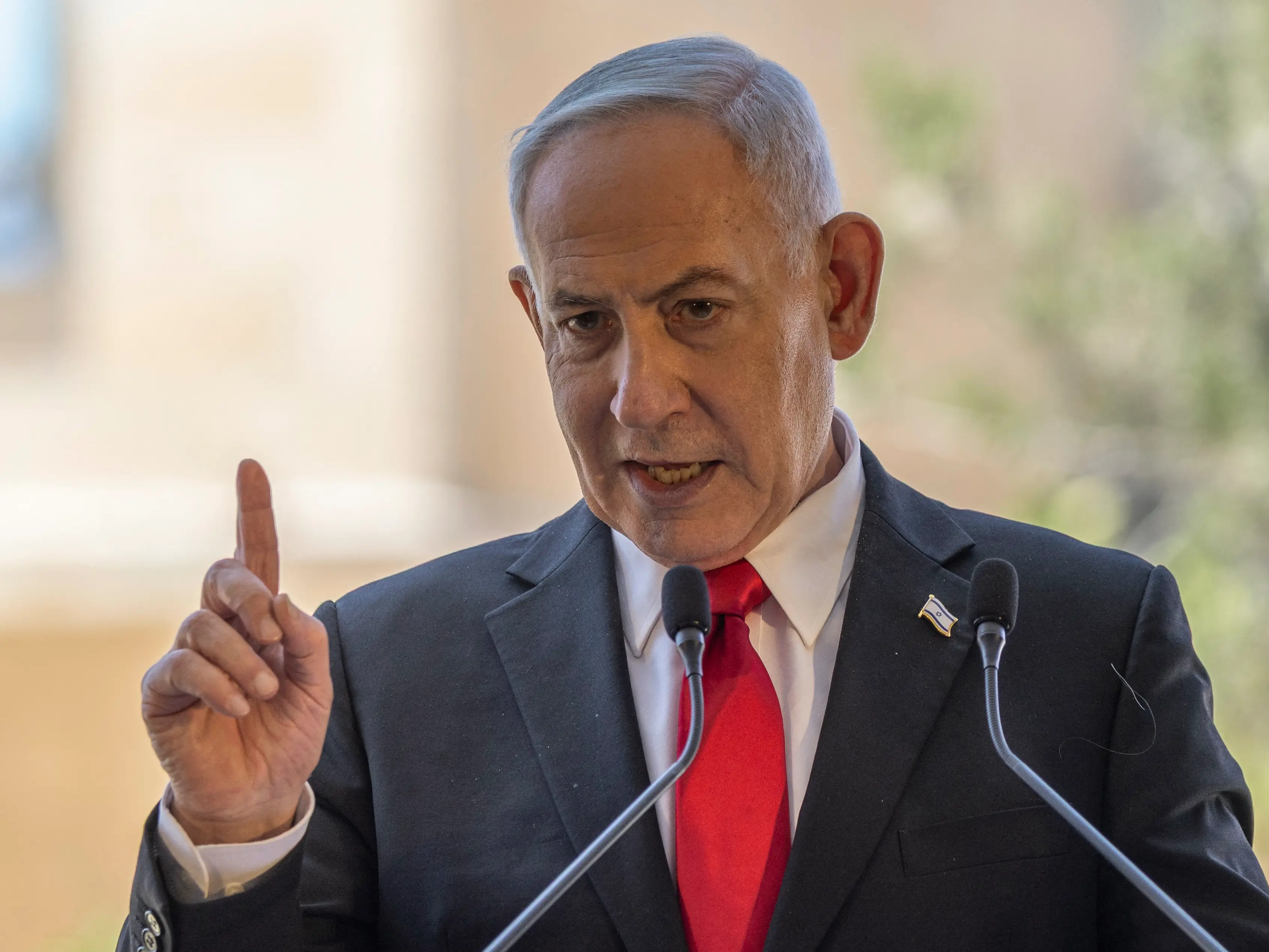)
‘Shame on you’: Netanyahu vows to ‘tell the truth’ about Mamdani at UN ahead of New York visit
)
The Scandal: Why so scandalous? Ji Chang Wook leaves you gasping for air
Addressing industry dynamics, Zeng criticised the European Union's recent decision to impose up to 45.3% tariffs on Chinese EV imports as "stupid thinking," suggesting instead that European automakers should partner with Chinese firms to accelerate EV development. The EU Commission declined to comment on this assessment.
In the realm of battery technology, CATL is taking a measured approach to innovation. While maintaining a substantial research commitment to solid-state batteries, with 1,000 dedicated researchers and a projected 2027 launch timeline, Zeng sees greater potential in sodium-ion technology. This alternative could potentially replace up to half of the current lithium-iron phosphate battery market, offering advantages in cost and safety due to sodium's abundance and inherent properties.
The company's strategic influence extends to raw materials management, as evidenced by its recent suspension of production at its Jiangxi lithium hub. Zeng clarified that this move, previously unreported, was intended to "reduce the cost dramatically" while maintaining a sustainable supply chain ecosystem.
CATL's transformation from a battery manufacturer to a comprehensive energy solutions provider represents a significant evolution in the global transition to sustainable energy. As the company leverages its technological expertise and market position to reshape both the energy and automotive landscapes, its success could accelerate the worldwide adoption of electric vehicles and renewable energy systems while establishing new paradigms for industrial development in these sectors.

