BYD inaugurates Southeast Asia's first EV factory in Thailand


The FTI attributed the decline to more stringent credit approval measures.
Chinese electric vehicle (EV) giant BYD has officially launched its first manufacturing facility in Southeast Asia. The state-of-the-art plant, located in Thailand, marks a pivotal moment in the company's international expansion strategy and further cements its position as a dominant force in the region's burgeoning EV market.
The grand opening ceremony, held on Thursday, saw BYD's CEO and President Wang Chuanfu emphasising the importance of this new venture. "Thailand's clear EV vision aligns perfectly with our global strategy," Wang stated, highlighting the country's transition into a new era of automotive manufacturing. He further pledged to bring cutting-edge technology from China to Thailand, signalling BYD's commitment to elevating the local industry.
This development is part of a larger trend of Chinese EV manufacturers investing heavily in Thailand. The country has attracted over USD 1.44 billion in investments from these companies, thanks to a combination of government subsidies and attractive tax incentives. Thailand's Board of Investment Secretary-General, Narit Therdsteerasukdi, emphasised the strategic importance of BYD's presence, stating, "BYD is positioning Thailand as a production hub for export to ASEAN and numerous other countries."

The Thai facility, which represents an investment of USD 490 million, is designed to have an annual production capacity of 150,000 vehicles. This output will include both fully electric vehicles and plug-in hybrids, catering to diverse consumer preferences in the region. BYD's Asia Pacific General Manager, Liu Xueliang, also revealed plans to assemble batteries and other crucial components at the site, further integrating their supply chain within Thailand.
Thailand's automotive sector, traditionally dominated by Japanese manufacturers like Toyota, Honda, and Isuzu, is undergoing a significant transformation. The country aims to convert 30% of its annual vehicle production – approximately 750,000 units out of 2.5 million – to EVs by 2030. BYD's entry into this market is timely and strategic, as the company already commands a 46% share of Thailand's EV segment as of the first quarter of this year.
The establishment of this factory is not just a win for BYD but also aligns with Thailand's ambitions to become a regional EV manufacturing hub. It presents an opportunity for technology transfer, job creation, and the development of a robust EV ecosystem within the country.
&im=FitAndFill=(700,400))
National Handloom Day 2026: From Alia Bhatt to Samantha Ruth Prabhu; Actresses who celebrated India's textile heritage as brides
)
The Royals enter the Doctor Who universe: King Charles and Queen Camilla beam into Commonwealth Games in TARDIS
)
Unitree Robotics targets $9 billion valuation in landmark IPO backed by DeepSeek and Tencent
)
India names 27 sites in Arunachal Pradesh
)
Bharat Bhhagya Viddhaata OTT: When will Kangana Ranaut's film stream online?
&im=FitAndFill=(700,400))
How many soldiers operate one S-400 battery?
)
Shakib Al Hasan ready to return to Bangladesh—under one condition
)
‘Fake news’: MEA rejects report claiming India sought defence pact with Israel after Pakistan, Saudi Arabia, Turkey deal
)
Rockstar to unveil GTA 6 extended look ahead of November launch
)
Russia forms Ukrainian Volunteer Spetsnaz Brigade to fight Ukraine
)
Drug-resistant fungus that hides in hair and enters bloodstream reported in 23 US states
)
Technology transfer deal boosts India's defence manufacturing ambitions
)
Border row erupts in Europe after Ceuta crossings, Spain imposes border controls on Italy
)
Morale plummets on USS Abraham Lincoln: Are US sailors reaching a breaking point? | GRAVITAS
)
'Security can't be bought with Pakistan, Turkey deal': Iran tells Saudi Arabia
)
Baba Vanga's 2026 prophecy: 2 predictions 'already came true', 3 terrifying ones remain. Details inside
)
Colombia’s new president Abelardo de la Espriella vows to ‘defeat narco-terrorists’, signals hardline shift
&im=FitAndFill=(700,400))
New Friday OTT releases (August 7, 2026): Operation Safed Sagar, Vadhandhi, Main Vaapis Aaunga- 6 movies and TV shows on Netflix, Prime Video and more
)
Squadron Leader Bhawana Kanth scripts history as Indian Air Force gets its first woman ‘Top Gun’ pilot
)
RSS says Gen Z protests reflect genuine distress
)
Trump says Iranian school bombing photos could be AI-generated - 'I don’t think...'
)
IAF officer held for sharing sensitive information in 'honey trap' case, booked under Official Secrets Act
)
Stray Kids under scrutiny? Fans react to Grammy submission silence after BTS boycott
&im=FitAndFill=(700,400))
Why the Su-30MKI doesn't need external fuel tanks to fly vast distances
)
Jugal Hansraj reunites with Shekhar Kapur after 40 years for Masoom: The Next Generation
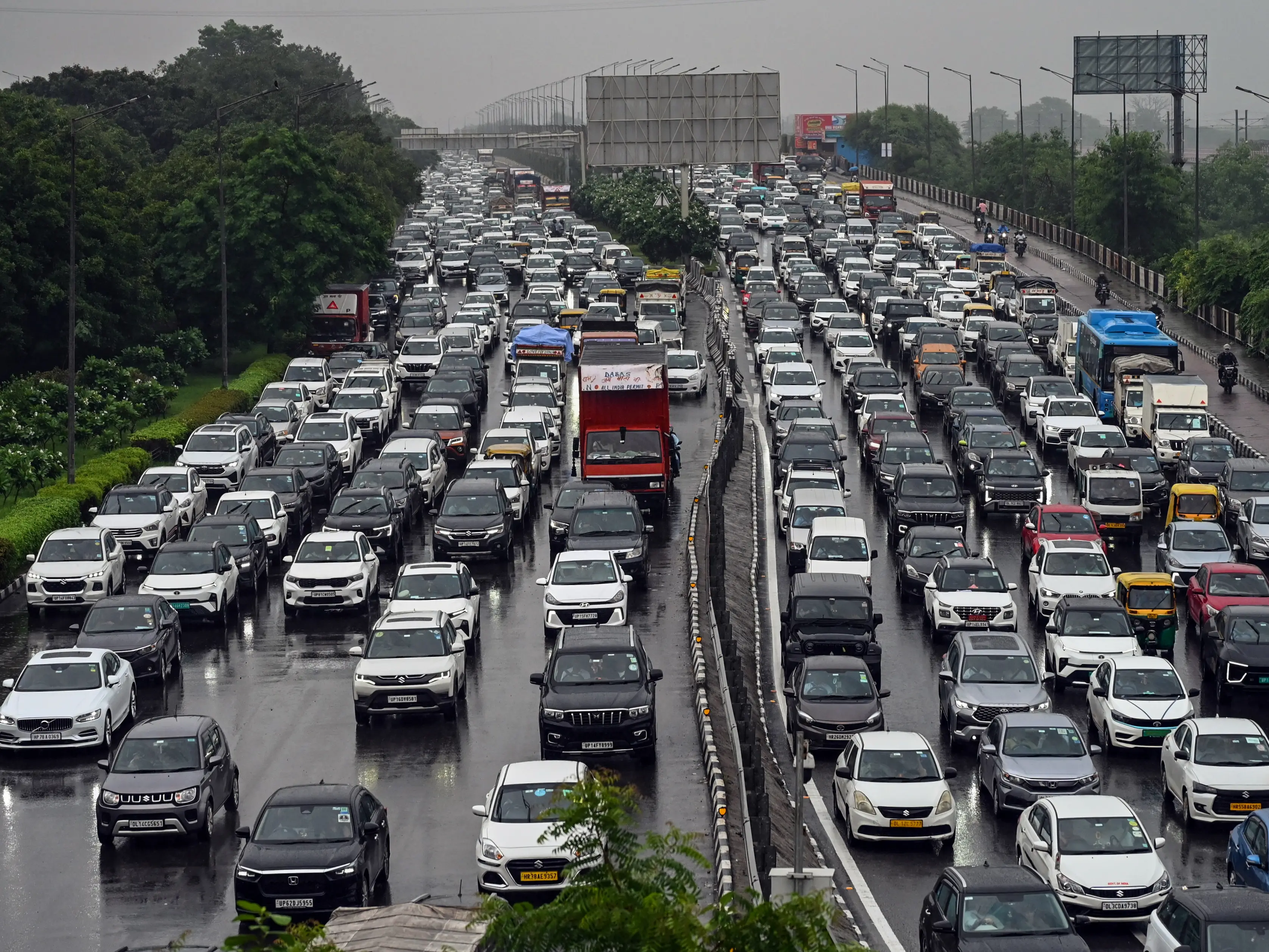)
New speed limits, automatic challans: Big traffic change coming to Delhi-Meerut Expressway. All you need to know
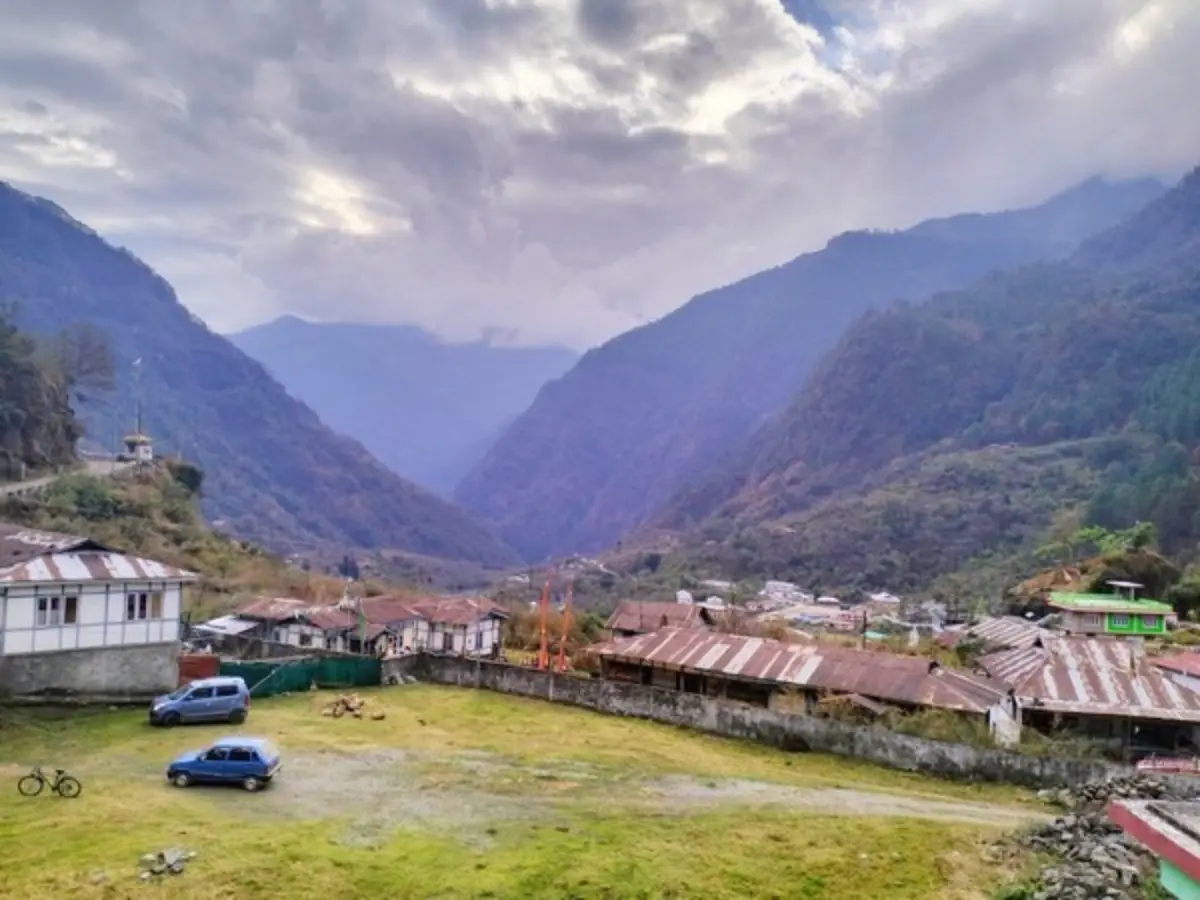)
India officially names 27 places in Arunachal to counter China's renaming claims
)
Trump calls White House ballroom ruling a 'national disgrace' as court says Congress approval needed
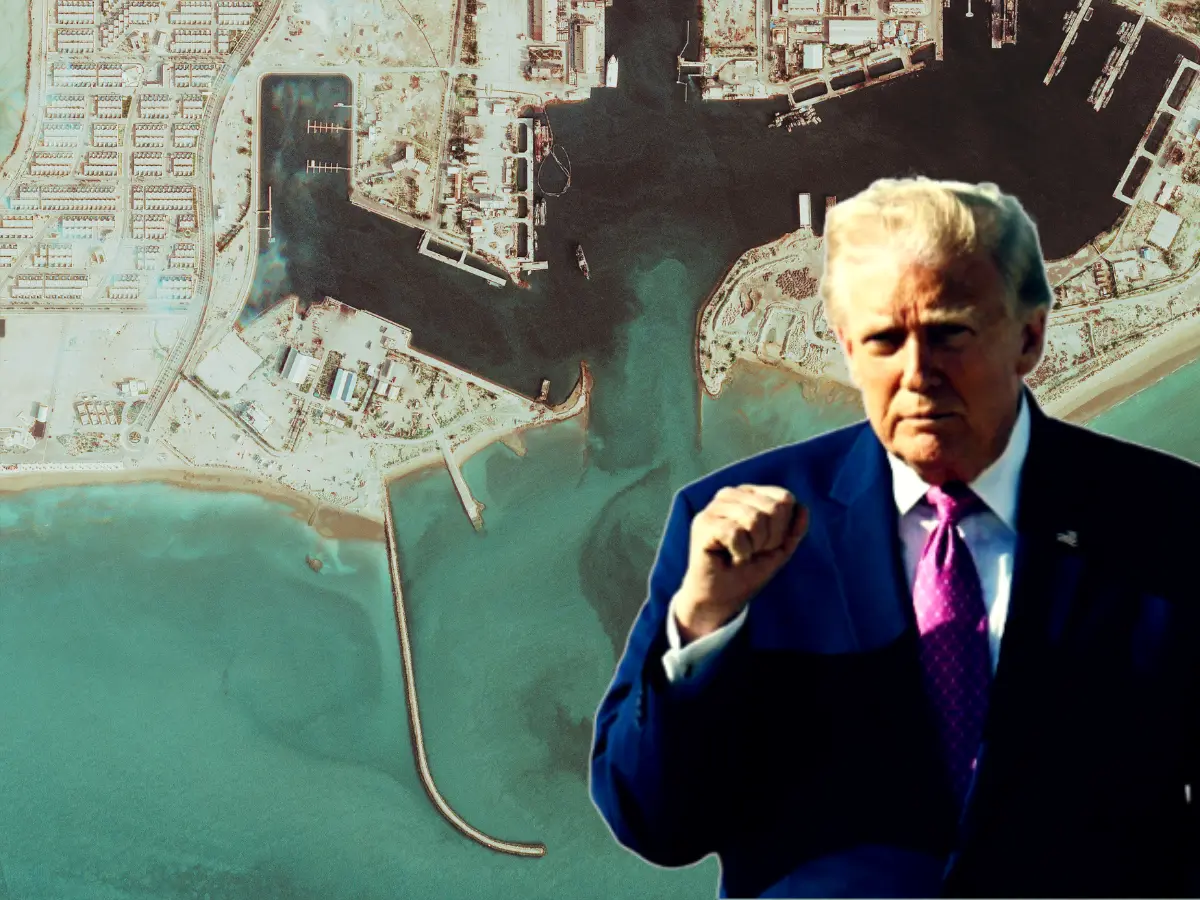)
US sanctions Iran’s crypto network after Strait of Hormuz attacks, offers $15m bounty for intel on IRGC finance
&im=FitAndFill=(700,400))
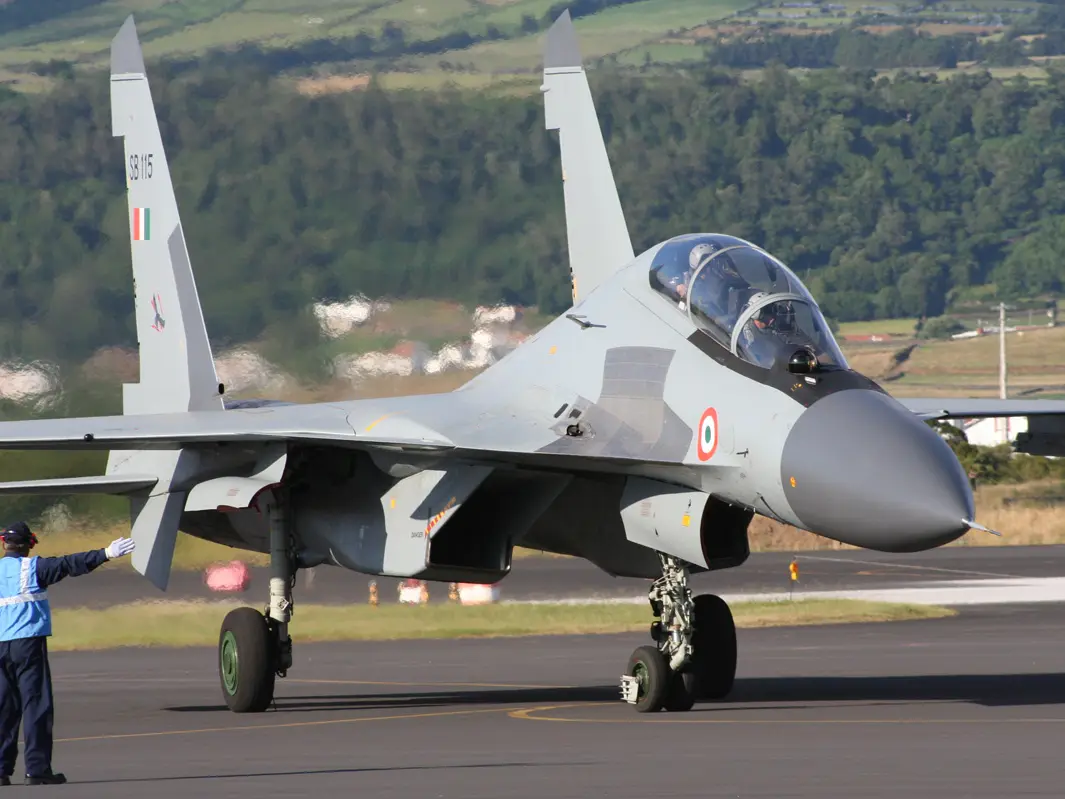
Why the Su-30MKI is one of the heaviest fighters ever built
)
Uttarakhand young innovator builds India's own flying vehicle, conducts first test flight: WATCH
)
Chilling video shows students take cover as teen opens fire at Thai school
)
Reese Witherspoon's father hospitalised after poolside incident in Nashville: Report
Moreover, BYD's expansion into Thailand could have far-reaching implications beyond Southeast Asia. The production of right-hand drive EVs at this plant potentially provides BYD with a strategic advantage in circumventing the European Union's recently imposed tariffs on Chinese-made EVs. These tariffs, which can reach up to 38%, have posed a significant challenge for Chinese manufacturers looking to penetrate the European market.
BYD's move also comes at a time when the company is expanding its global footprint. In addition to the Thai facility, BYD is constructing its first European production base in Hungary, set to commence operations in three years. This multi-continental approach underscores BYD's ambition to become a truly global automotive player.

