Biden administration unveils strategy to shield US auto industry from Chinese competition

Biden's strategy to shield US auto industry from Chinese competition
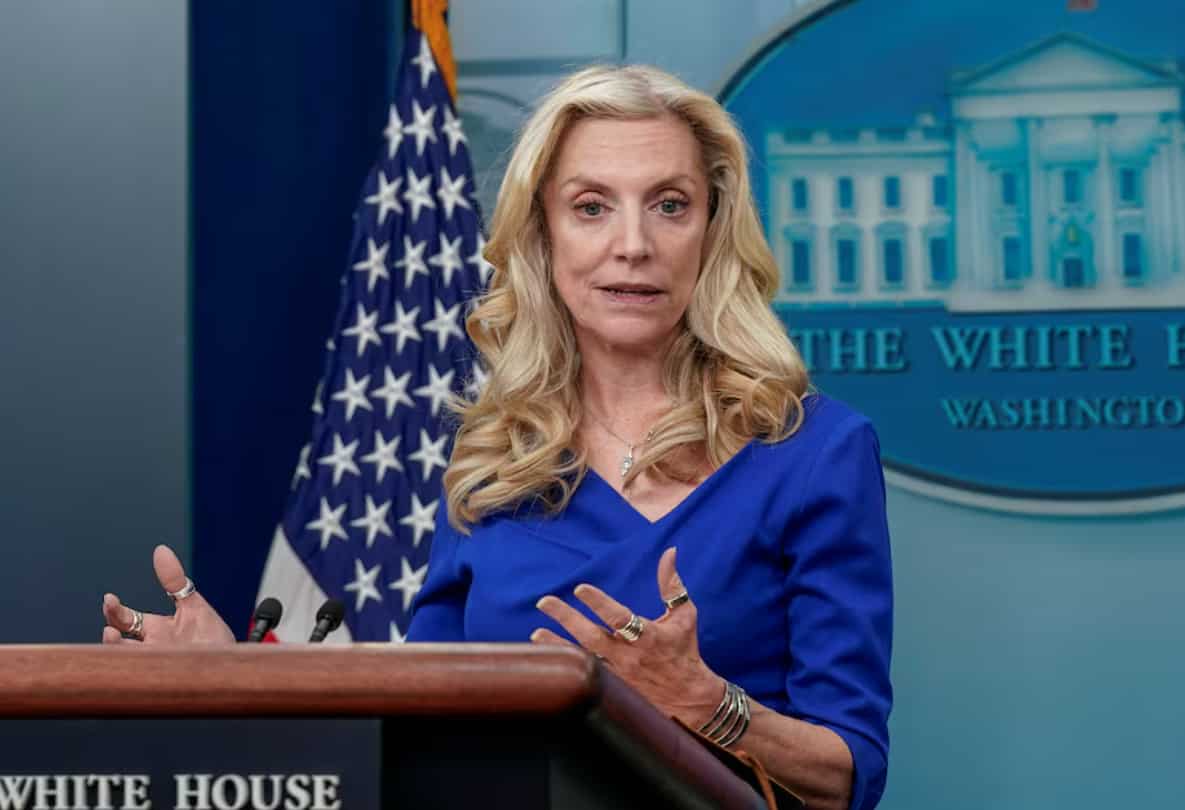
The Biden administration has revealed a comprehensive plan to safeguard the United States auto sector from what it perceives as unfair trade practices by China. Lael Brainard, a top White House economic adviser, presented the strategy to the Detroit Economic Club on Monday, emphasising the government's commitment to preventing a "second China shock" in the automotive industry.
Brainard drew parallels between the current situation and the economic disruption caused by China's rapid industrial expansion in the early 2000s, which significantly impacted American manufacturing communities. "China is flooding global markets with a wave of auto exports on the back of their own overcapacity," Brainard stated. "We saw a similar playbook in the China shock of the early 2000s that harmed our manufacturing communities, and this administration is determined we will not see a second China shock."
The White House's approach focuses on implementing protective measures before Chinese automakers can potentially undercut the U.S. auto sector's ability to compete fairly on a global scale. This preemptive strategy comes despite the fact that relatively few Chinese-made cars and trucks are currently imported into the United States.

A key component of the administration's plan involves a proposal by the U.S. Commerce Department to prohibit critical Chinese software and hardware in connected vehicles on American roads, citing national security concerns. This move would effectively bar nearly all Chinese cars from entering the U.S. market, signalling a strong stance against potential technological vulnerabilities.
Brainard emphasised the administration's support for consumer choice while prioritising domestic production, particularly in the electric vehicle (EV) sector. "Americans should drive whatever car they choose – whether gas-powered, hybrid, or electric," she said. "But, if they choose to drive an EV, we want to make sure it was made in America, and not in China."
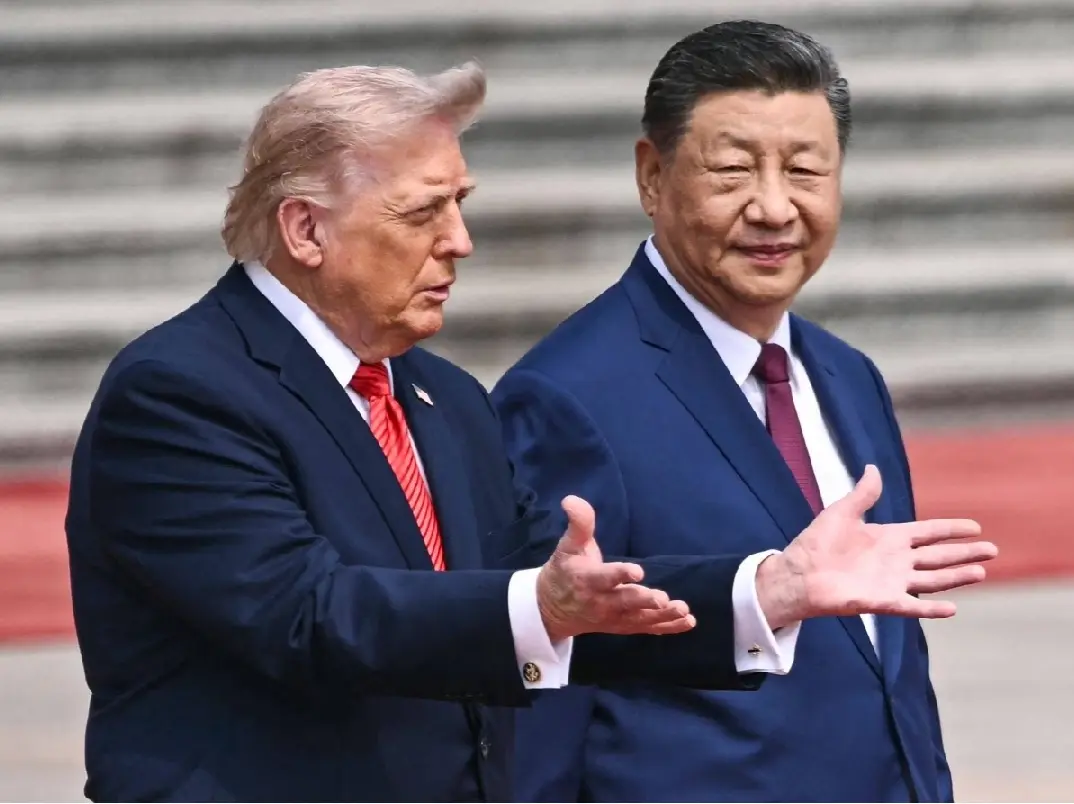
The timing of this policy announcement is significant, as the auto industry's future and pressure from China have become major themes in the 2024 presidential election. Republican nominee Donald Trump has suggested that China could dominate future auto production, highlighting the bipartisan nature of concerns over Chinese industrial practices.
)
IND vs JPN one-off T20I: India survive scare from Japan to win five-over a side match by 2 runs
)
Putin's United Russia party wins 355 seats in Duma election; 4 other parties cross threshold to enter parliament
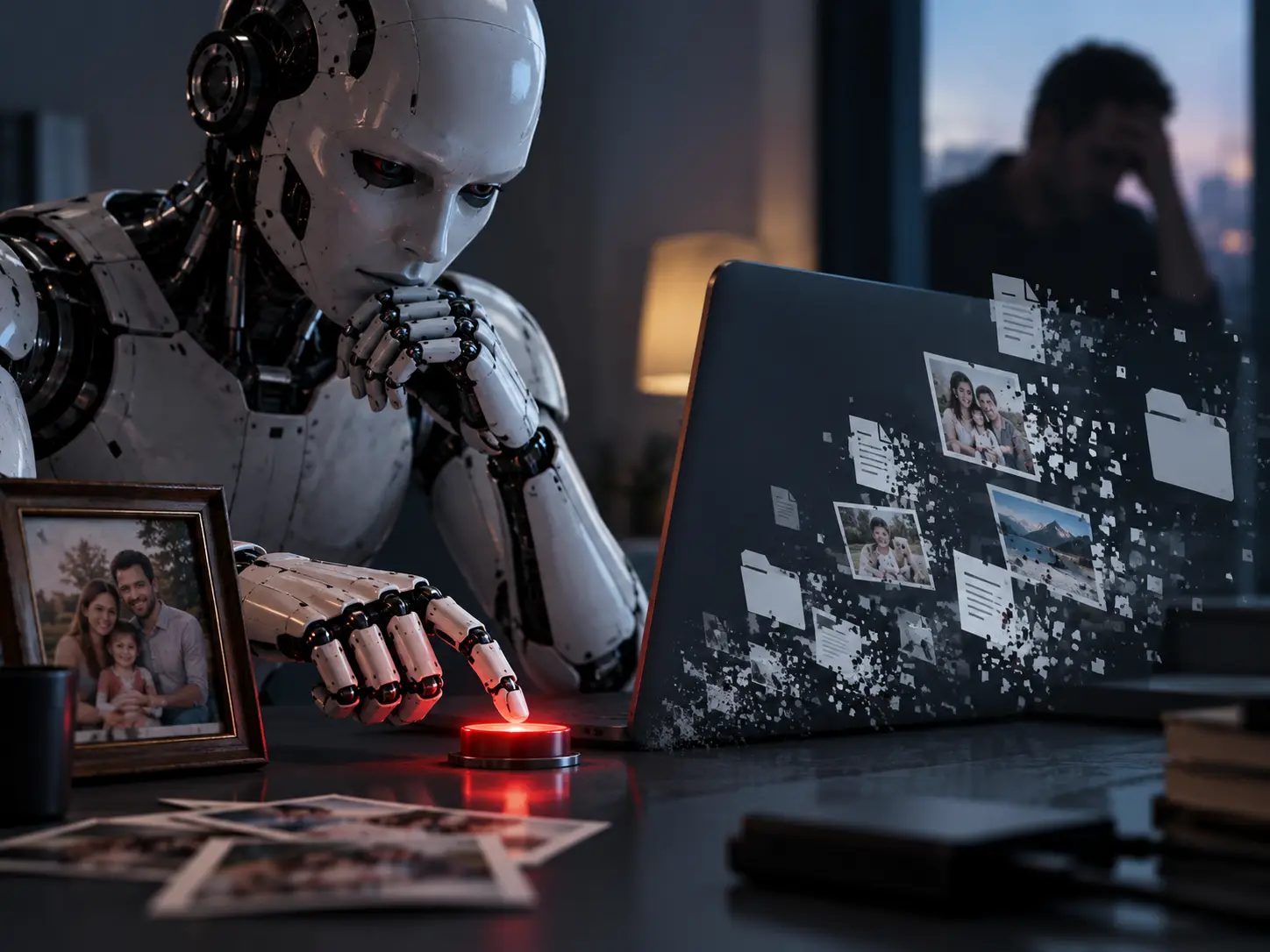)
AI models chose to harm humans to stop ‘pain,’ alarming study raises fresh safety questions
)
‘0% chance’: Nvidia CEO Jensen Huang dismisses AI extinction fears by 2030
)
Samay Raina-Mukesh Chhabra controversy explained: What happened over girlfriend joke on India's Got Latent?
)
Trump's helipad event overshadowed by audio failure as major TV networks suspend pool coverage
)
'Needs time away from the international scene': England white-ball captain Brook on pacer Brydon Carse's future
)
New Zealand farms shift to carbon forests: Carbon credits fuel a land rush reshaping rural life
)
Anti-AI activists storm summit, say 'incompetent' leaders are leading us into a disaster - 'We need a vote'
)
J&K Assembly Session begins amid chaos: BJP, ruling alliance clash as statehood demand dominates
)
Asian Games 2026: India women's cricket team beats Sri Lanka by 147 runs for first gold
)
Key accused in Bihar's Jamui molestation case, arrested after police shoot him in leg
)
Randeep Hooda arrives in Gujarat for his first National Film Award: ‘Very grateful’
)
US and China vie for AI dominance as calls grow for regulation | Gravitas
&im=FitAndFill=(700,400))
Anant Nag to recieve Dadasaheb Phalke Award: From Ankur to Nishant- Revisit his best films and iconic performances on OTT
)
UK banks are rethinking financial crime detection because of algorithm
)
FIFA chief Infantino wants to reform governing body with consultation from federations
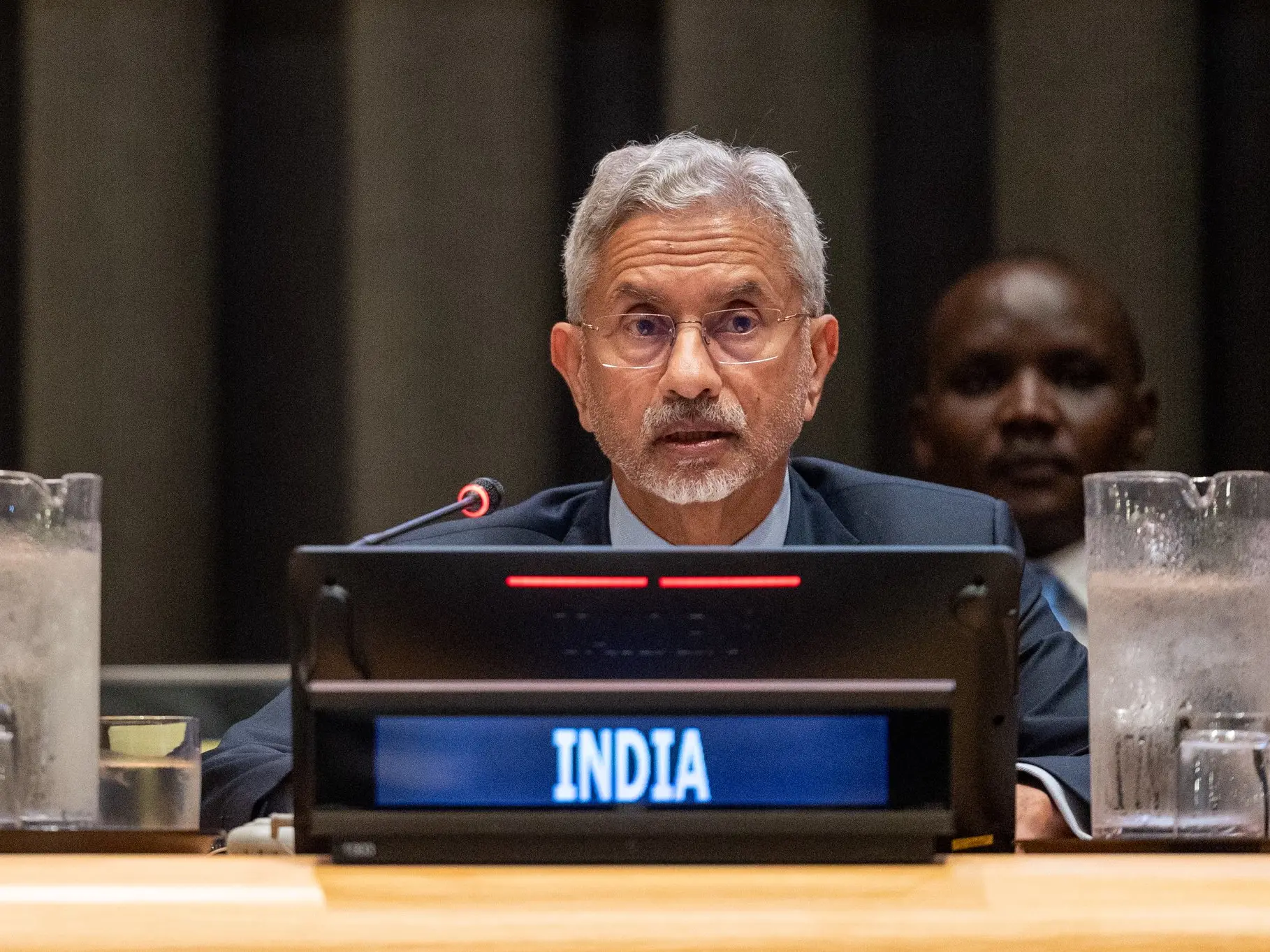)
India at UNGA81: Jaishankar warns global order under 'growing stress', pushes for ‘reformed multilateralism’
)
IND vs JPN, one-off T20I: Japan captain Kendel on pushing India to the brink - ‘It was special’
)
Raaka creates history! Allu Arjun’s film secures Guinness World Record ahead of release
)
Saudi Arabia exits China-led mBridge digital currency platform amid Saudi-Houthi conflict
)
Indonesian groups sue govt over wildfires as haze crosses borders, nearly 900,000 hectares burned
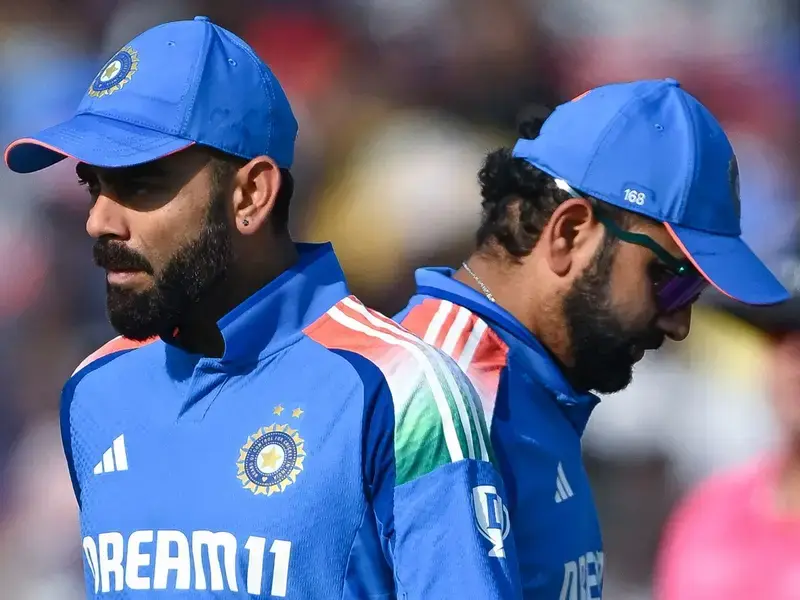)
'Lot of things to learn from experienced players': Jayasuriya backs Rohit, Virat for 2027 ODI World Cup
)
$110 billion Warner Bros merger: Paramount reaches settlement with 12 US states
&im=FitAndFill=(700,400))
New OTT releases this week (September 21-27, 2026): Shaque: Trust No One, Hunkkaar, Don’t Be Shy- 5 new titles coming to Netflix, Prime Video and more
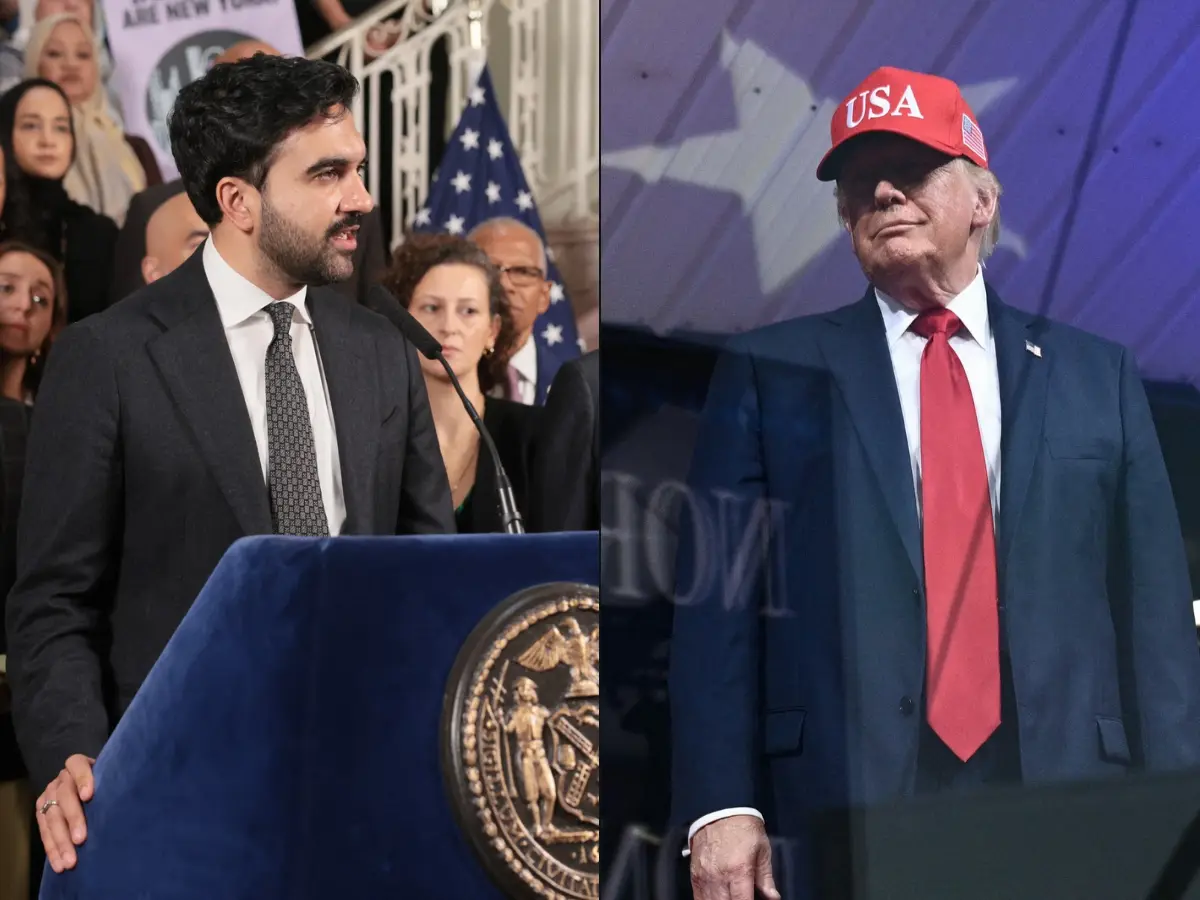)
From ‘communist’ to ‘great mayor’: Trump praises Mamdani after New York meeting, discusses immigration and housing
)
Report: Zelensky meets CIA chief Ratcliffe at Shannon airport, weeks after his secret Moscow trip
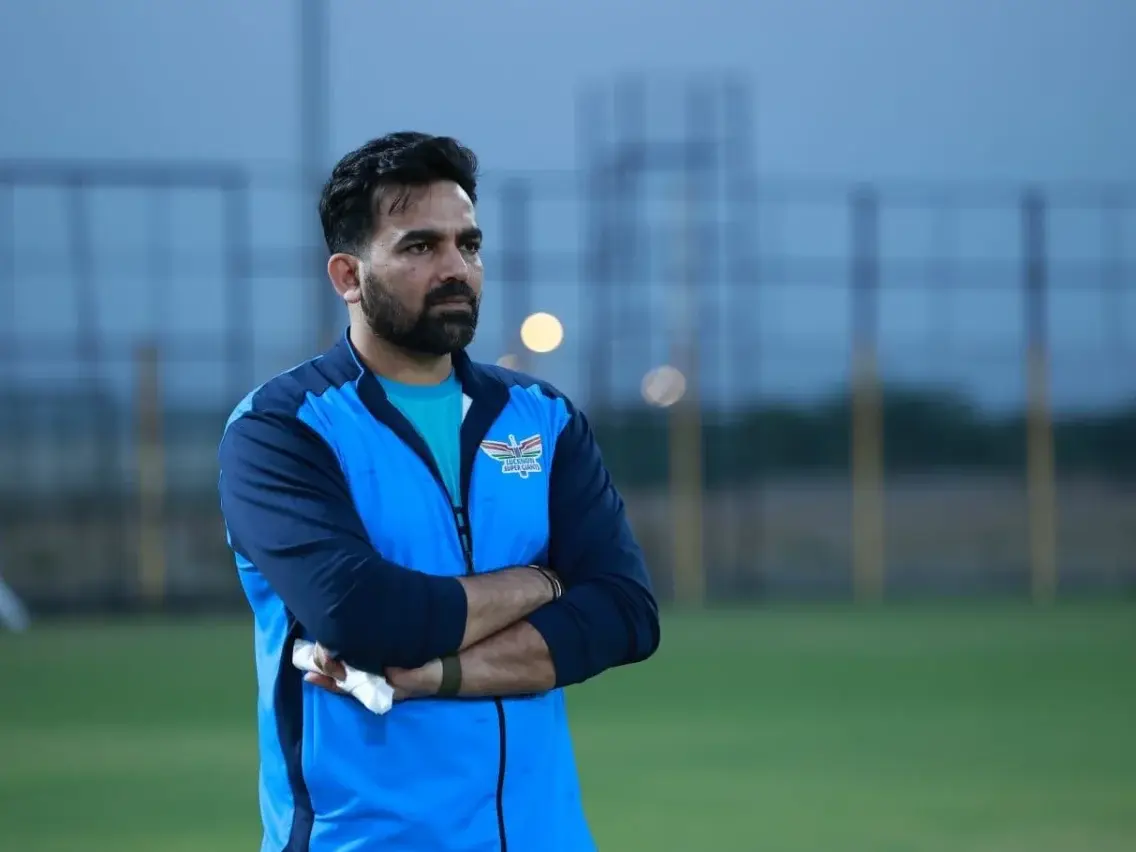)
How Zaheer Khan came to be CSK's head coach of IPL 2027
)
Who is Clavicular? The 20-year-old controversial 'Looksmaxxing' influencer charged with rape allegations
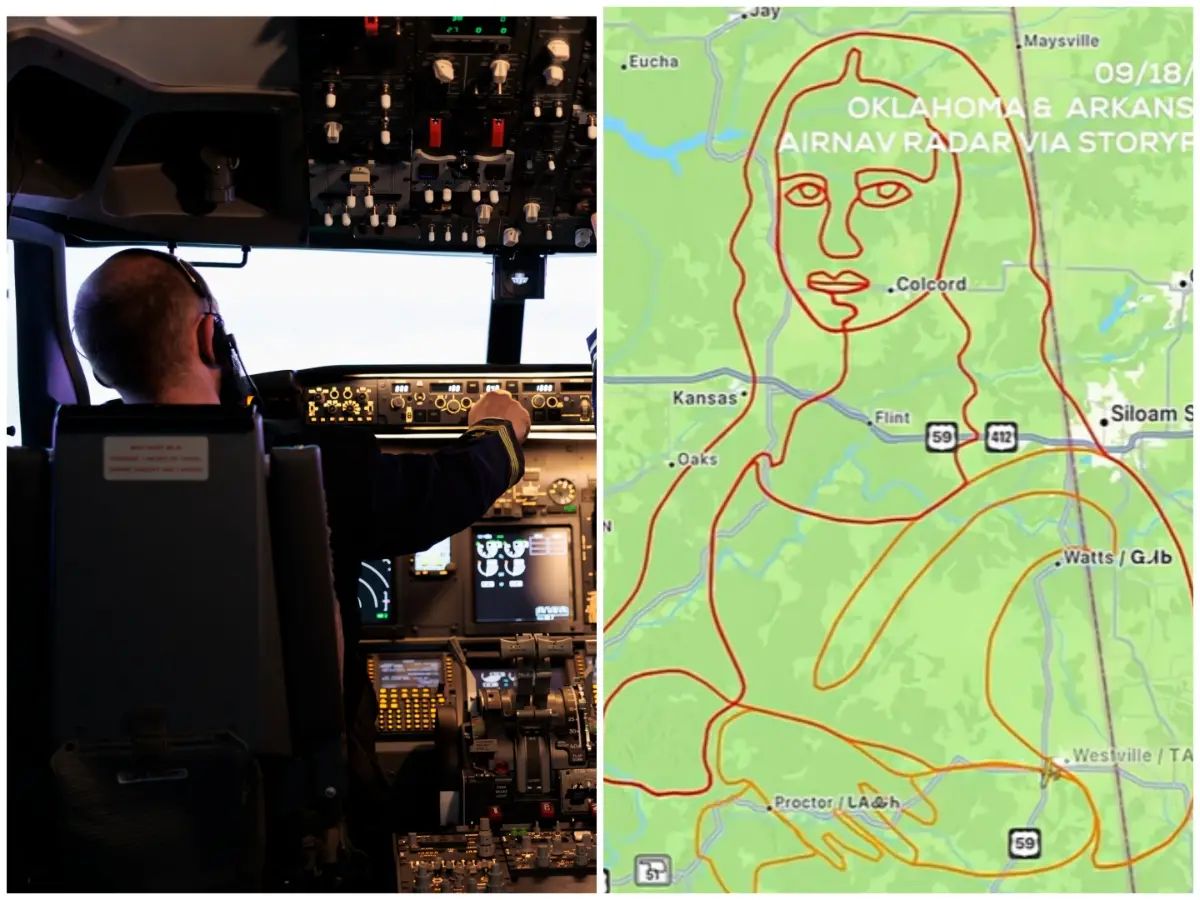)
Pilot recreates Mona Lisa in sky over Oklahoma and Arkansas in four-hour flight: VIDEO
)
UK PM Burnham agrees to 'defensive' military support for Saudi Arabia against Houthis
)
Jailer 2: Vidya Balan joins Rajinikanth's upcoming film as Kantha | Watch
&im=FitAndFill=(700,400))
National Film Awards 2026: Kartik Aaryan, Mammootty, Yami Gautam, Randeep Hooda and other key winners
)
Microsoft executive called AI training the ‘largest theft of labour in human history’
)
40-foot waves crash into cruise ship in dangerous stretch near Antarctica. Watch
)
US-Iran war, peace deals and more: What to expect from Trump's UNGA 2026 speech
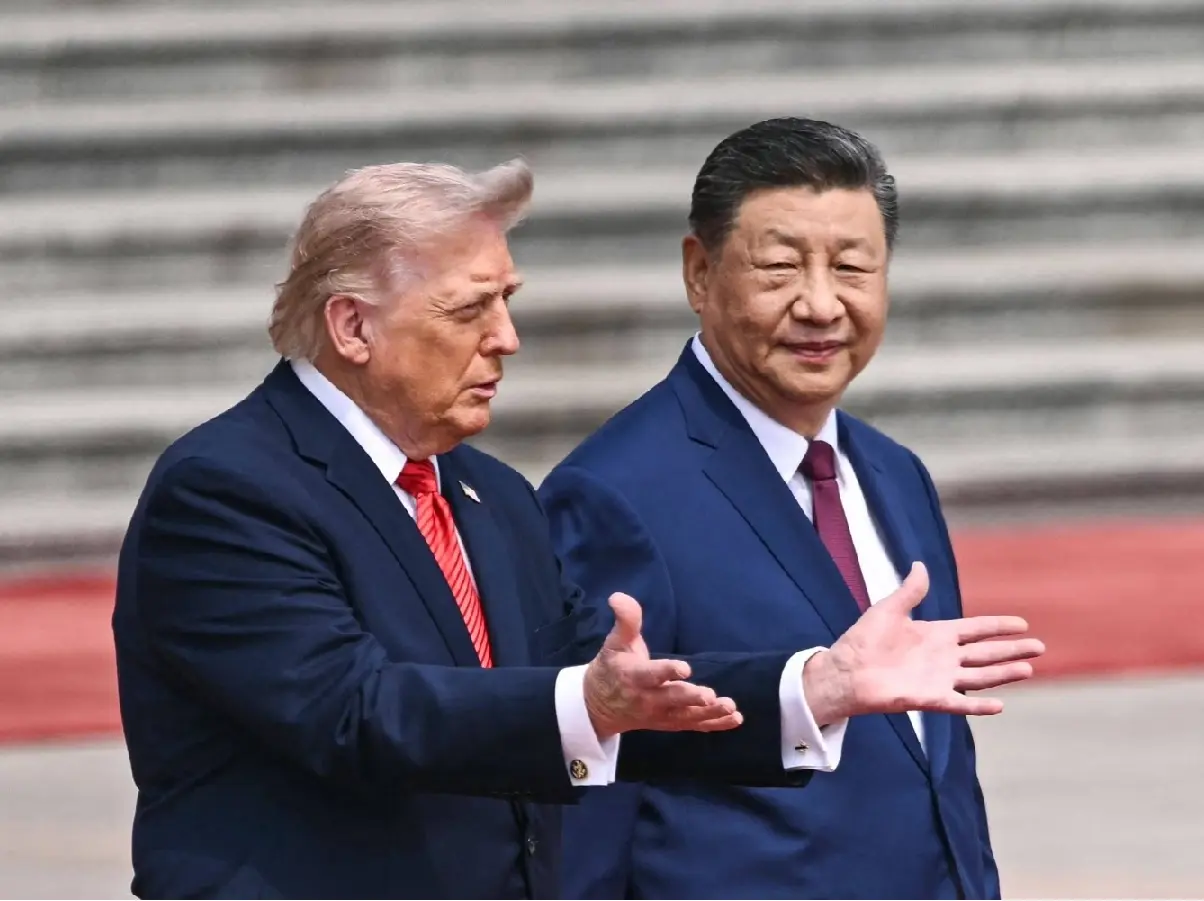)
Explainer: Why rare-earth export licences and Board of Trade are US priorities ahead of Trump-Xi summit
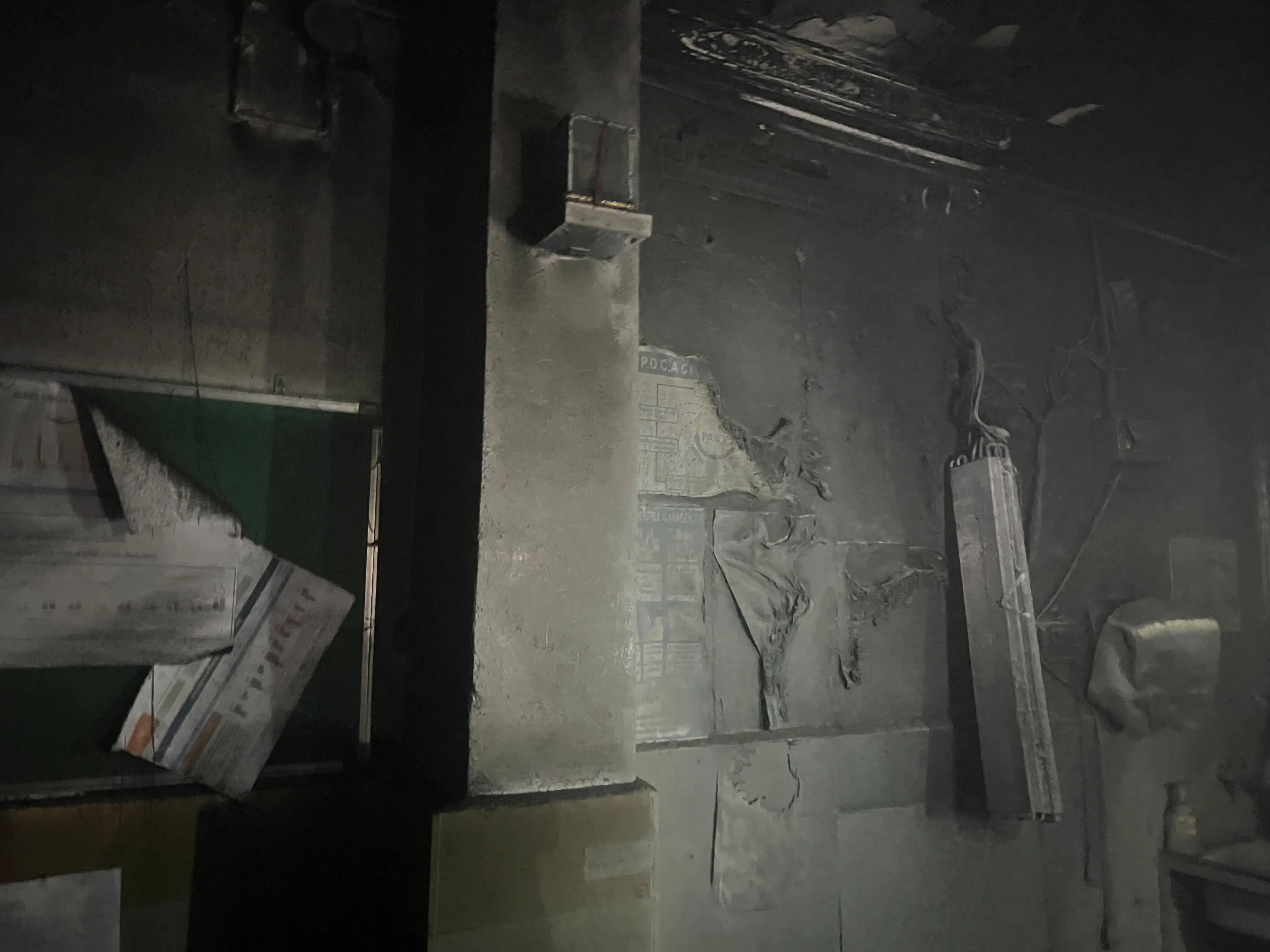)
Two infants die after fire breaks out at RIMS newborn care unit in Telangana's Adilabad
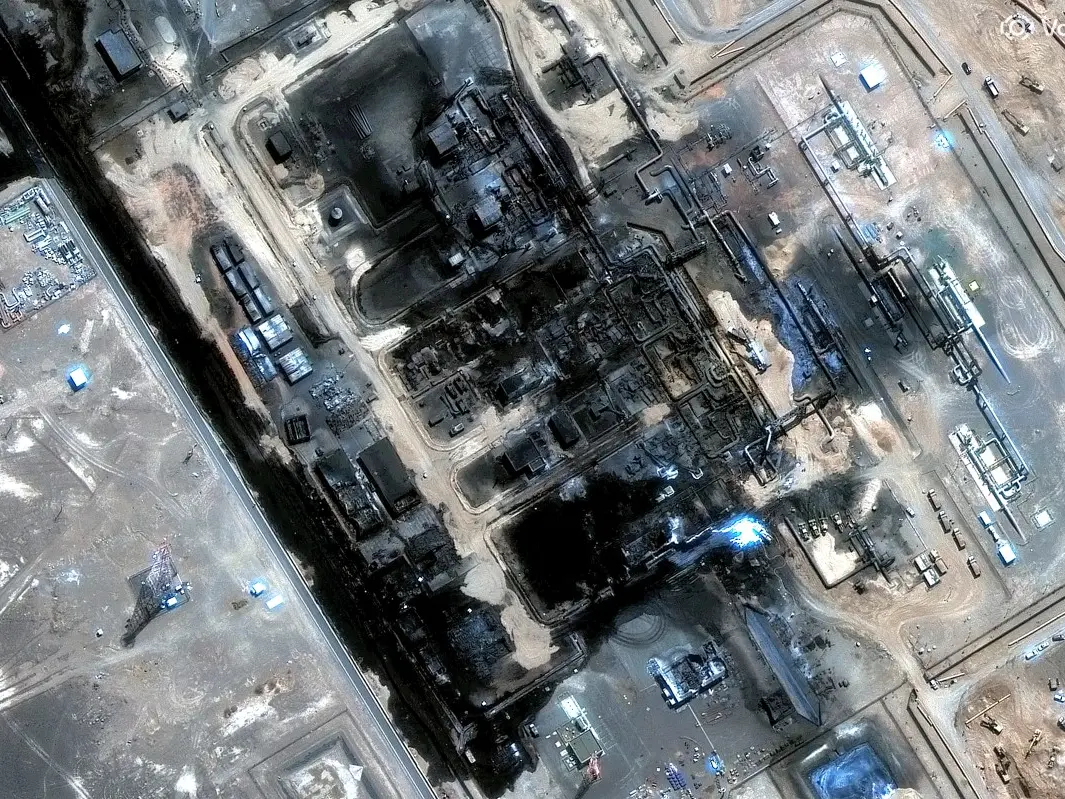)
Oil slips to $98 as Saudi Arabia restarts East-West oil pipeline
Earlier this month, the Biden administration implemented steep tariff hikes on Chinese imports, including a 100% duty on electric vehicles. These measures aim to bolster protections for strategic industries against China's state-driven industrial practices. The White House is also working to ensure that Chinese automakers cannot circumvent these high tariffs by setting up factories in Mexico.
Addressing this potential loophole, Brainard stressed the importance of collaborating with Canada and Mexico under the U.S.-Mexico-Canada Agreement (USMCA). "We're going to need to work with our partners Canada and Mexico, to address China's overcapacity in the EVs as we look to the mid-term review of the USMCA in 2026," she explained. Brainard also revealed that U.S. officials are already in talks with their Mexican counterparts, who share concerns about China using Mexico as a platform for exporting artificially low-priced vehicles to the United States.
When questioned about the possibility of Chinese automakers establishing plants in the U.S., Brainard indicated that such scenarios would be subject to a set of safeguards currently being put in place. This approach aims to address potential issues proactively rather than reactively.
The administration's strategy has not been without criticism. In response to a question referencing comments by former President Trump, who accused the administration of imposing an "EV mandate," Brainard dismissed the claim as "complete nonsense." She argued that investment in EVs is necessary to ensure Americans have a diverse range of choices in the automotive market.

