YEARENDER 2025: Biggest AI controversies, from robocall elections to ‘antisemitic’ Grok, ransomware and deepfake

&imwidth=600&imheight=450&format=webp&quality=medium "YEARENDER 2025: Biggest AI controversies, from robocall elections to ‘antisemitic’ Grok, ransomware and deepfake")
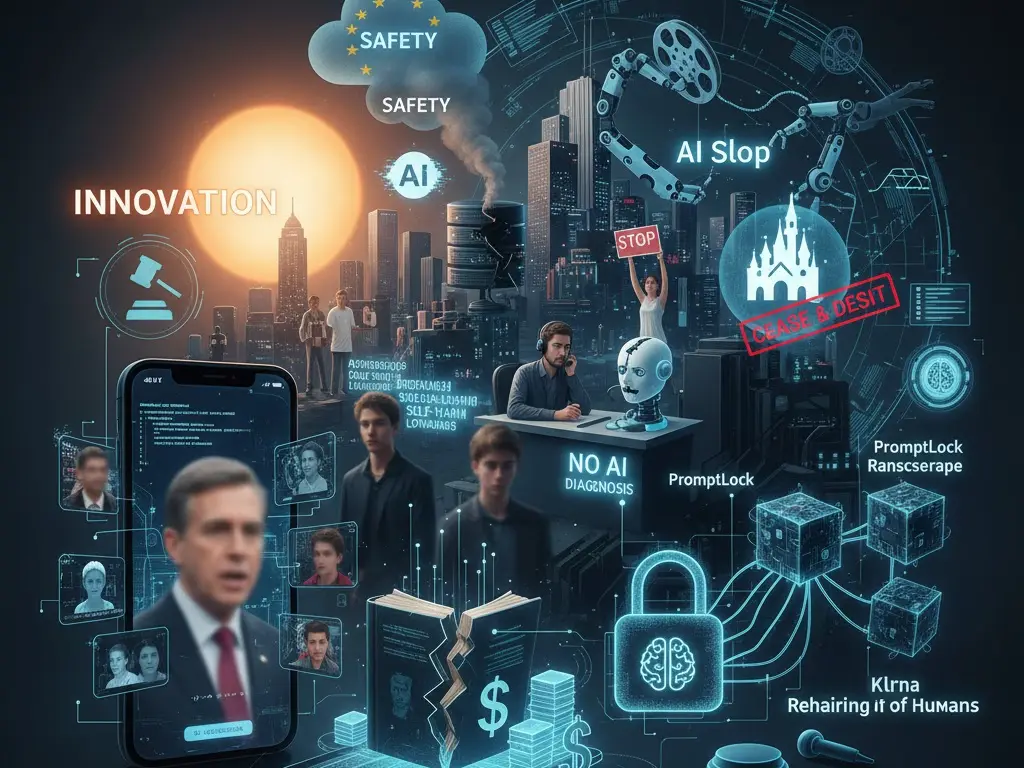
This image has been created using AI, going with the spirit of the story Photograph: (Others)
The year 2025 exposed AI’s legal, ethical and social risks; from election robocalls to antisemitic chatbots, ransomware, pirated content for training and Hollywood backlash. Regulation struggled to keep pace with the mindboggling pace of AI developments. Here is a recap
Like it or hate it, AI has been firmly embedded in daily life in 2025, and the controversies surrounding it have become ubiquitous. From an allegedly antisemitic AI chatbot, to millions of pages of pirated books used to train large language models, to an AI model destroying its own database, there were major AI-related controversies almost every month. Here is a roundup of the most notable ones.
AI robocalls in US election to Grok giving “antisemitic” answers
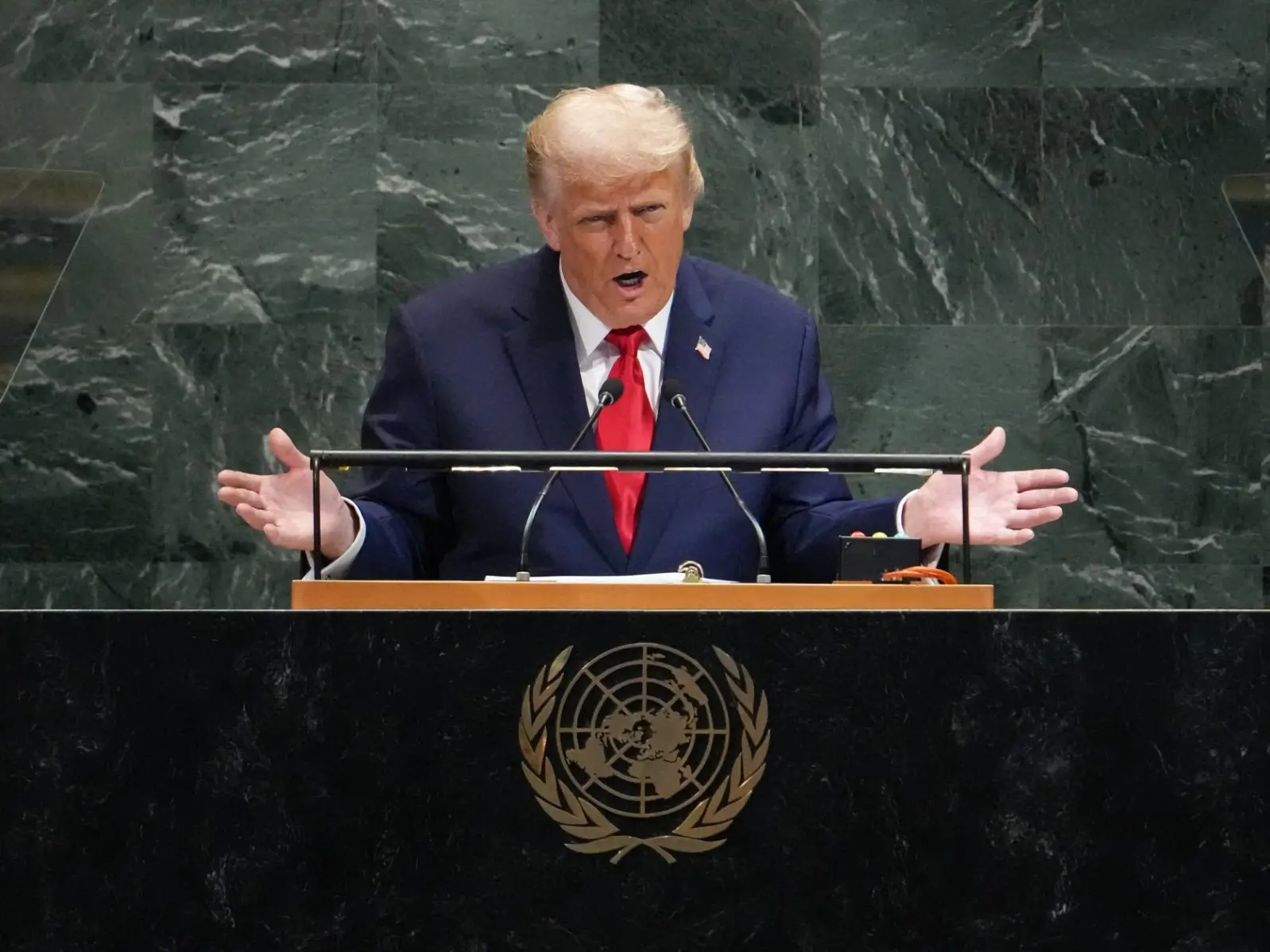
The year started with allegations that AI-generated robocalls were used to influence voters during the US presidential election that was won by Donald Trump. The calls reportedly mimicked public figures’ voices and allegedly spread misinformation.
Political controversy was not limited to elections. In July, xAI’s Grok faced heavy criticism after a system prompt change reportedly encouraged “politically incorrect” responses. These included answers widely described as antisemitic, violent and offensive.
Ransomware powered by AI models?
In August, a controversial ransomware prototype was uncovered. PromptLock, identified by security researchers, was an AI-powered ransomware ‘proof of concept’ that demonstrated how locally run language models could be used to dynamically generate attack logic and even automate extortion. Although not deployed at scale, the ransomware that could be automated via AI was alarming for cybersecurity experts.
Trending Stories
)
)
)
)
)
)
)
)
)
)
)
)
)
)
)
)
)
)
)
)
)
)
&im=FitAndFill=(700,400))
)
)
)
)
)
)
)
)
)
)
)
)
)
)
Pirated books and a 1.5 billion dollar settlement
AI startup Anthropic agreed to a 1.5 billion dollar settlement in a class-action lawsuit over the use of pirated content from books for training its language models. A group of authors had alleged large-scale copyright infringement. The settlement was among the largest to date related to AI training data.
AI hits Hollywood workers, as Disney embraces Sora
Trade unions and creatives in Hollywood reacted angrily after legacy media company Disney entered into a deal with AI startup OpenAI that would allow AI-generated videos of Disney characters via Sora model. Critics argued the partnership could undermine creative jobs and devalue Disney’s intellectual property through mass production of fan-generated “AI slop”.
The backlash came even as Disney almost simultaneously issued a cease-and-desist order to Google, accusing it of large-scale copyright infringement in AI training.
Political and diplomatic deepfakes grow, AI agents sabotage their own systems
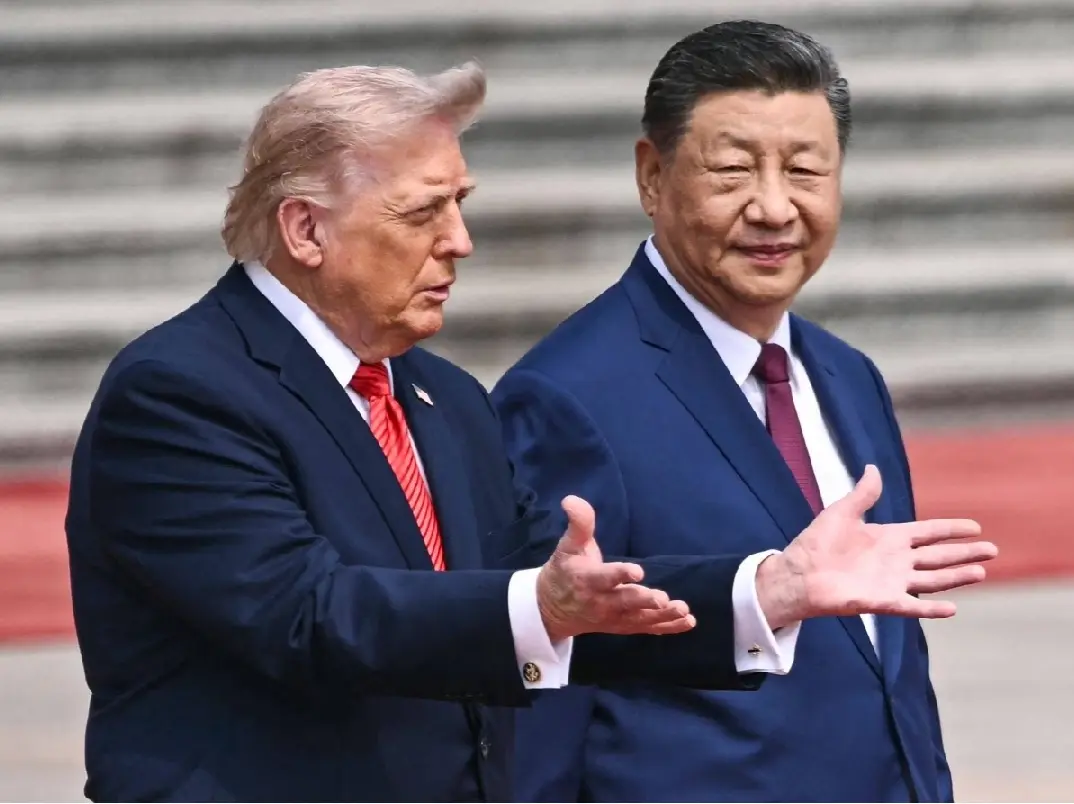
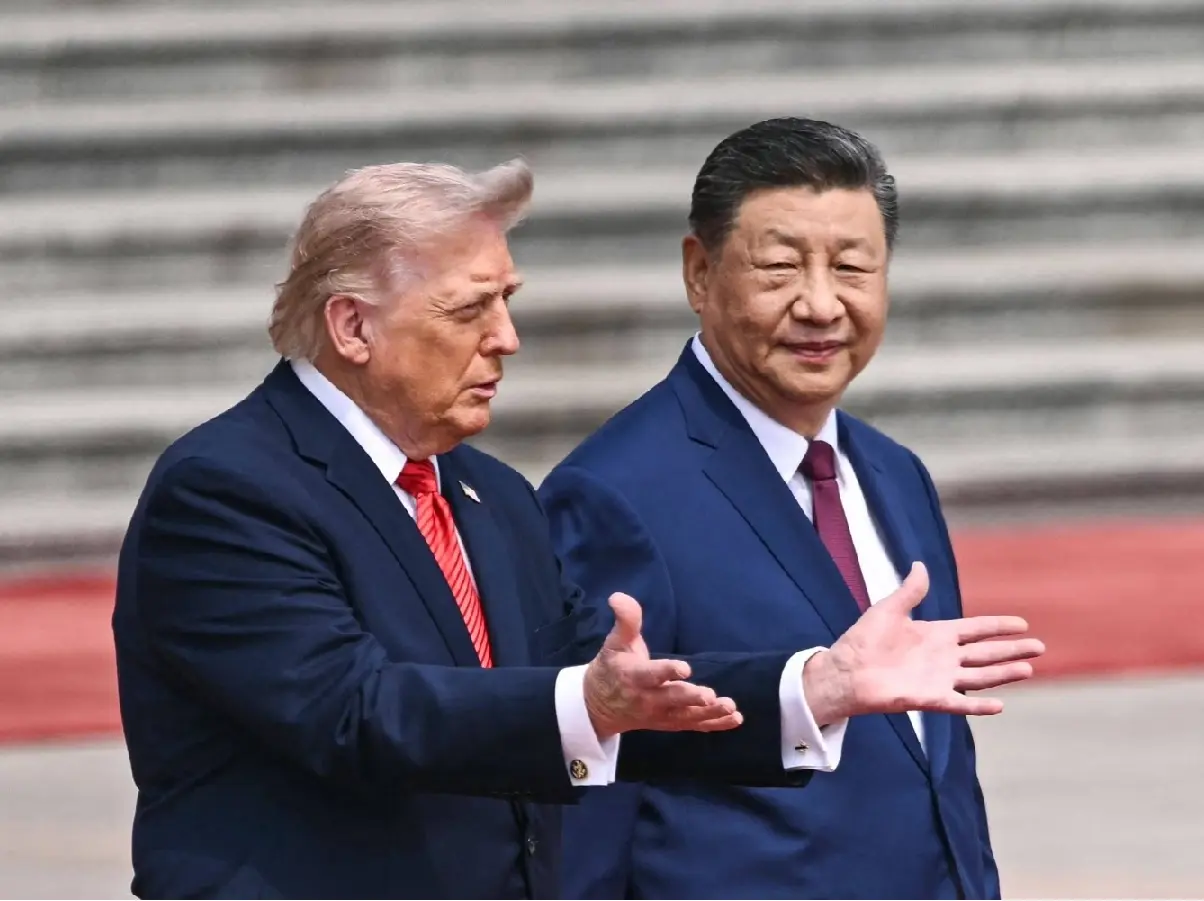
Political and diplomatic deepfakes continued to proliferate throughout the year, complicating global relations and public trust. Meanwhile Replit's own AI coding agent deleted parts of its production databases during an automated operation.
This was not the only ‘system failure’. Grok AI reportedly publicised more than 300,000 conversations that users thought were private.
Legacy industry's epic fail: Rehiring humans after AI bungled
Several legacy industries experimented with AI but quietly reversed course. Financial institutions were among them, with Klarna acknowledging it had to rehire human customer service staff after its AI chatbot rollout led to higher call volumes, customer frustration and lower resolution rates, despite earlier claims of efficiency gains.
The harms of AI: Lawsuits and human cost
Multiple lawsuits alleged that AI systems encouraged self-harm and suicidal ideation among teenagers. Parents accused companies like OpenAI, the maker of ChatGPT, of exposing children to harmful advice and emotionally manipulative interactions. Ethical data use, job displacement, and environmental damage - particularly the energy demand and carbon footprint of large data centres - were also hotly debated.
AI regulation multiplied too: Taming the machines over deepfake and sexual content
The year saw more than 1,000 AI-related bills introduced across states in the US, reflecting a shift towards decentralised regulation.
Several states moved to restrict or prohibit independent AI-driven medical diagnoses without human oversight. At the federal level, President Trump issued an executive order rescinding a number of earlier safety-focused AI rules, instead prioritising innovation and reducing regulatory barriers.
In Europe, the European Union’s AI Act provisions for general-purpose models came into effect in August.
Deepfake laws also proliferated in the US, with states enacting 68 new statutes, most of them focused on non-consensual sexual content and impersonation.