YEARENDER: 2025 , the year of AI - Humanoid robots, Agntic AI, competition and policy reform - What did you miss?

It wouldn't be an exaggeration to call 2025 the year of AI. Here are the major developments in artificial intelligence that made us take note and say 'Wow'. What did you miss?

2025, a landmark year in Artificial Intelligence innovations
2025 was a major year in Artificial Intelligence innovations, as model development continued, agentic AI expanded, and multimodal and reasoning capabilities improved. Major industry partnerships were announced, and significant milestones reached on embodied AI, including humanoid robots.

From Deepseek innovations to the AI Action Summit
In January, DeepSeek released DeepSeek-R1, a large language model (LLM) focused on chain-of-thought reasoning and training cost efficiency.
In February, Mistral AI launched Le Chat, a high-speed assistant with up to 1,000 words per second output.
Policy actors gathered for the 2025 AI Action Summit in Paris, co-chaired by French President Emmanuel Macron and Indian PM Narendra Modi, with more than 100 nations engaging on global AI issues. In the same month, OpenAI released a research preview of GPT-4.5 that had better multimodal skills.
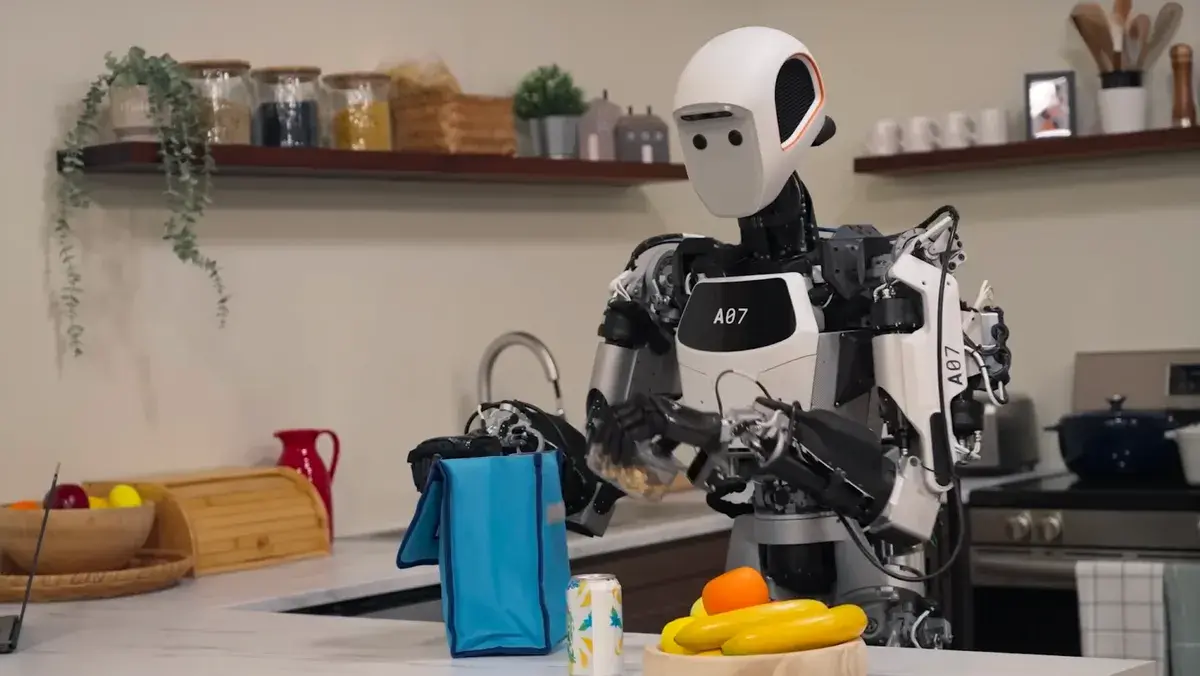
Gemini Robotics to Manus AI assistant
In March, Manus was launched. The autonomous AI agent could execute real-world tasks without constant human supervision. Google DeepMind and Apptronik unveiled Gemini Robotics, a vision-language-action model that would make robots understand and manipulate the physical world around them. “Super-Turing AI” research advanced the idea of brain-like systems and integrated reasoning beyond narrow tasks.
GPT 5 and Gemini flash models
In May, Anthropic released Claude 4, including Opus 4 and Sonnet 4 versions that extended the autonomous and multi-step operations of the models. In June, Google rolled out enhanced Gemini 2.5 Pro and Flash models that could carry out advanced reasoning and multimodal capabilities, including Deep Think experimental modes. In August, OpenAI launched GPT-5, a major model aimed at improving reasoning and multimodal understanding, though it faced some user criticism.
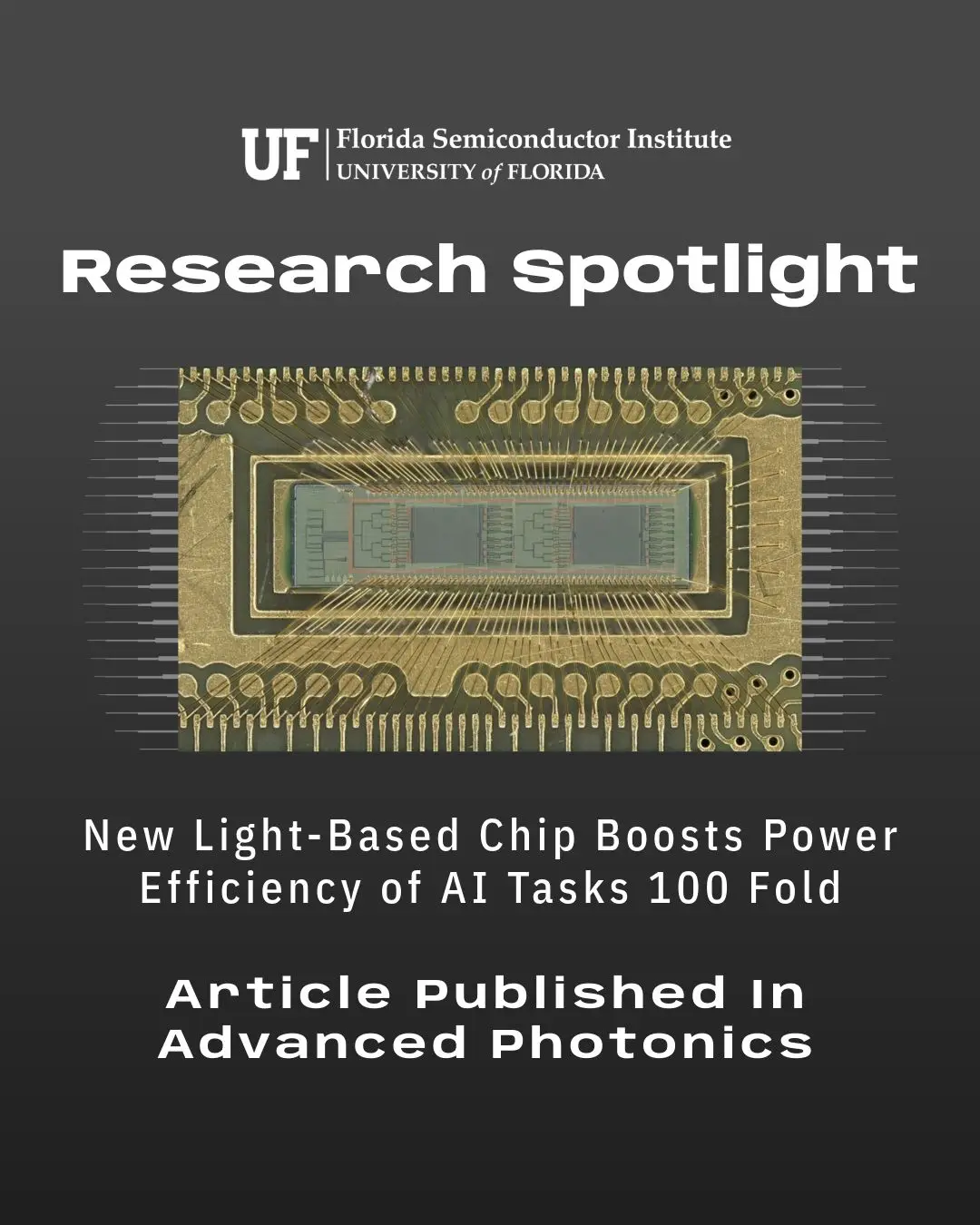
Reducing AI costs: A photonic AI chip and a cheaper DeepSeek model
In September, University of Florida's semiconductor institute developed a photonic AI chip that is aimed at replacing electrical computing with light, in order to to cut energy use in AI processes. China's DeepSeek, meanwhile, released a cost-efficient R1 variant AI model, which it said was trained at 70 per cent cheaper cost than its US counterparts.
Google debuts Gemini 3, Grok improves, Amazon raises AI race stakes
In November, Google launched Gemini 3, with both Pro and Deep Think versions fearuring advanced reasoning. The November- December priod saw intense competeition among key AI players like Google, OpenAI, Anthropic, xAI, Meta, and others with new releases.
Elon Musk's xAI upgraded its AI bot Grok, expanding context lengths and capabilities. Amazon Web Services (AWS) unveiled new Nova 2.0 models at its re:Invent event.
Disney joins hands with OpenAI to share characters with Sora
In early December, following criticism and intense competition, OpenAI released GPT-5.2 with improved reasoning, coding, long-context capabilities, and new variant tiers. The same month, OpenAI and Walt Disney Company announced a pathbreaking three-year partnership. The $1 billion deal was for licensing more than 200 Disney characters for generative video experiences via OpenAI's Sora.
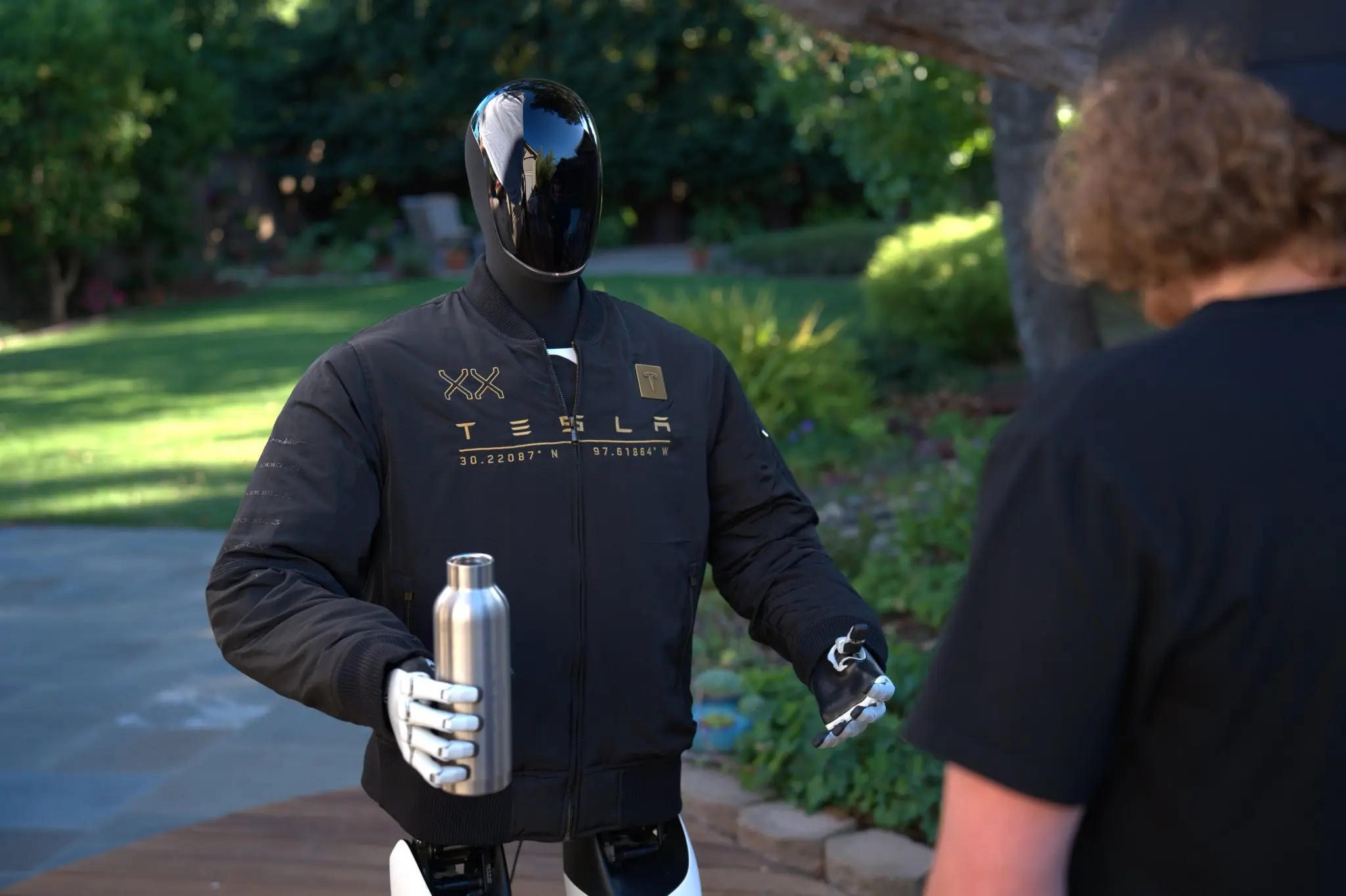
Leaps and bounds in Humanoid Robotics and Physical AI
Tesla Optimus humanoid robots reached early pilot production targets, with Musk having aimed at some 5,000 units by the end of 2025. Startups like Rhoda AI and Genesis AI raised capital to build humanoid robots. NVIDIA’s Omniverse and physical-AI frameworks are leading to industrial and collaborative robotics across sectors. Research is building up on robotic agent frameworks like PhysicalAgent and EnerVerse that blend AI models with robotics real-time execution of commands.
)
)
)
)
)