Xi-Putin meet in Beijing: Russia’s stalled multibillion-dollar Power of Siberia 2 pipeline still without timeline

&imwidth=600&imheight=450&format=webp&quality=medium "Xi-Putin meet in Beijing: Russia’s stalled multibillion-dollar Power of Siberia 2 pipeline still without timeline")
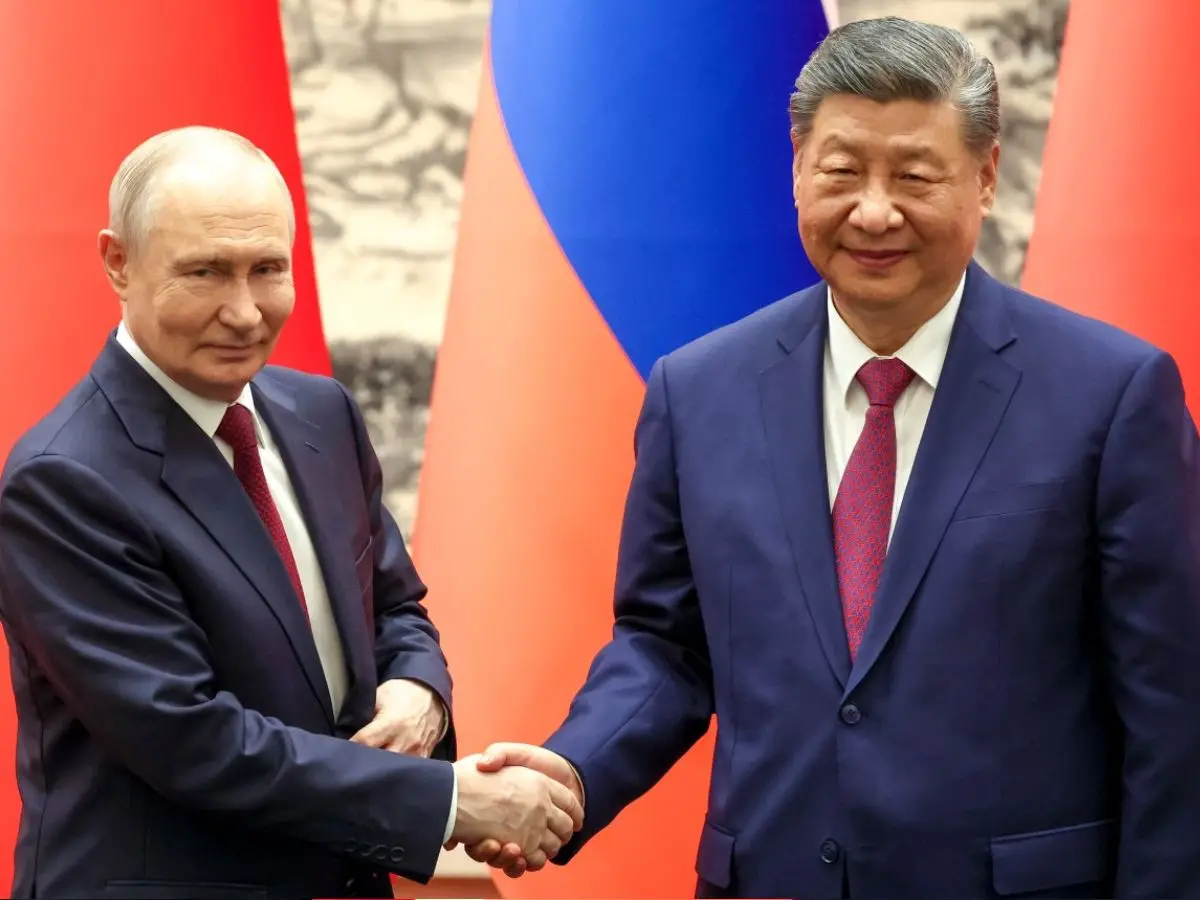
Xi and Putin project unity amid global tensions Photograph: (AFP)
The two leaders presided over the signing of more than 20 agreements covering trade, technology and broader strategic cooperation. In a joint declaration, Beijing and Moscow criticised “unilateral bullying” and warned against a return to the “law of the jungle” in global affairs.
Chinese President Xi Jinping and Russian President Vladimir Putin used their meeting in Beijing on Wednesday to underline the strength of China-Russia ties at a time of growing geopolitical uncertainty, with the long-delayed Power of Siberia 2 gas pipeline once again emerging as a key focus. Welcoming Putin at the Great Hall of the People with an honour guard and gun salute, Xi described relations between the two countries as a force of “calm amid chaos”, days after hosting US President Donald Trump for a high-profile summit in Beijing.
The two leaders presided over the signing of more than 20 agreements covering trade, technology and broader strategic cooperation. In a joint declaration, Beijing and Moscow criticised “unilateral bullying” and warned against a return to the “law of the jungle” in global affairs. Putin, meanwhile, said Russia was ready for cooperation with all partners, including the United States, and stressed that Russia-China relations had reached an “unprecedented level”.
Power of Siberia 2 remains without timeline
Despite renewed focus on energy cooperation, there was still no clear timeline for the long-delayed, multibillion-dollar Power of Siberia 2 gas pipeline project. Kremlin spokesperson Dmitry Peskov said Russia and China had reached a “general understanding” on the pipeline, but key details still needed to be finalised. “There are no clear timings,” Peskov said, according to Reuters.
Moscow, which has grown increasingly dependent on China economically since its 2022 invasion of Ukraine, has long pushed for the Power of Siberia 2 pipeline, though progress has remained slow amid Beijing’s cautious approach. The proposed project would transport 50 billion cubic metres of natural gas annually from Russia’s Yamal Peninsula in northern Siberia to China via Mongolia, spanning roughly 2,600 kilometres (1,600 miles). Discussions over the pipeline have dragged on for more than a decade, with pricing disputes continuing to delay progress.
Trending Stories
&imwidth=280&imheight=210&format=webp&quality=medium)
&im=FitAndFill=(700,400)&imwidth=280&imheight=210&format=webp&quality=medium)
&imwidth=280&imheight=210&format=webp&quality=medium)
&imwidth=280&imheight=210&format=webp&quality=medium)
&imwidth=280&imheight=210&format=webp&quality=medium)
&imwidth=280&imheight=210&format=webp&quality=medium)
&imwidth=280&imheight=210&format=webp&quality=medium)
&imwidth=280&imheight=210&format=webp&quality=medium)
&imwidth=280&imheight=210&format=webp&quality=medium)
&imwidth=280&imheight=210&format=webp&quality=medium)
&imwidth=280&imheight=210&format=webp&quality=medium)
&imwidth=280&imheight=210&format=webp&quality=medium)
&imwidth=280&imheight=210&format=webp&quality=medium)
&im=FitAndFill=(700,400)&imwidth=280&imheight=210&format=webp&quality=medium)
&imwidth=280&imheight=210&format=webp&quality=medium)
&imwidth=280&imheight=210&format=webp&quality=medium)
&imwidth=280&imheight=210&format=webp&quality=medium)
&imwidth=280&imheight=210&format=webp&quality=medium)
&imwidth=280&imheight=210&format=webp&quality=medium)
&imwidth=280&imheight=210&format=webp&quality=medium)
&imwidth=280&imheight=210&format=webp&quality=medium)
&imwidth=280&imheight=210&format=webp&quality=medium)
&imwidth=280&imheight=210&format=webp&quality=medium)
&imwidth=280&imheight=210&format=webp&quality=medium)
&imwidth=280&imheight=210&format=webp&quality=medium)
&im=FitAndFill=(700,400)&imwidth=280&imheight=210&format=webp&quality=medium)
&imwidth=280&imheight=210&format=webp&quality=medium)
&imwidth=280&imheight=210&format=webp&quality=medium)
&imwidth=280&imheight=210&format=webp&quality=medium)
&imwidth=280&imheight=210&format=webp&quality=medium)
&imwidth=280&imheight=210&format=webp&quality=medium)
&imwidth=280&imheight=210&format=webp&quality=medium)
&imwidth=280&imheight=210&format=webp&quality=medium)
&imwidth=280&imheight=210&format=webp&quality=medium)
&imwidth=280&imheight=210&format=webp&quality=medium)
&imwidth=280&imheight=210&format=webp&quality=medium)
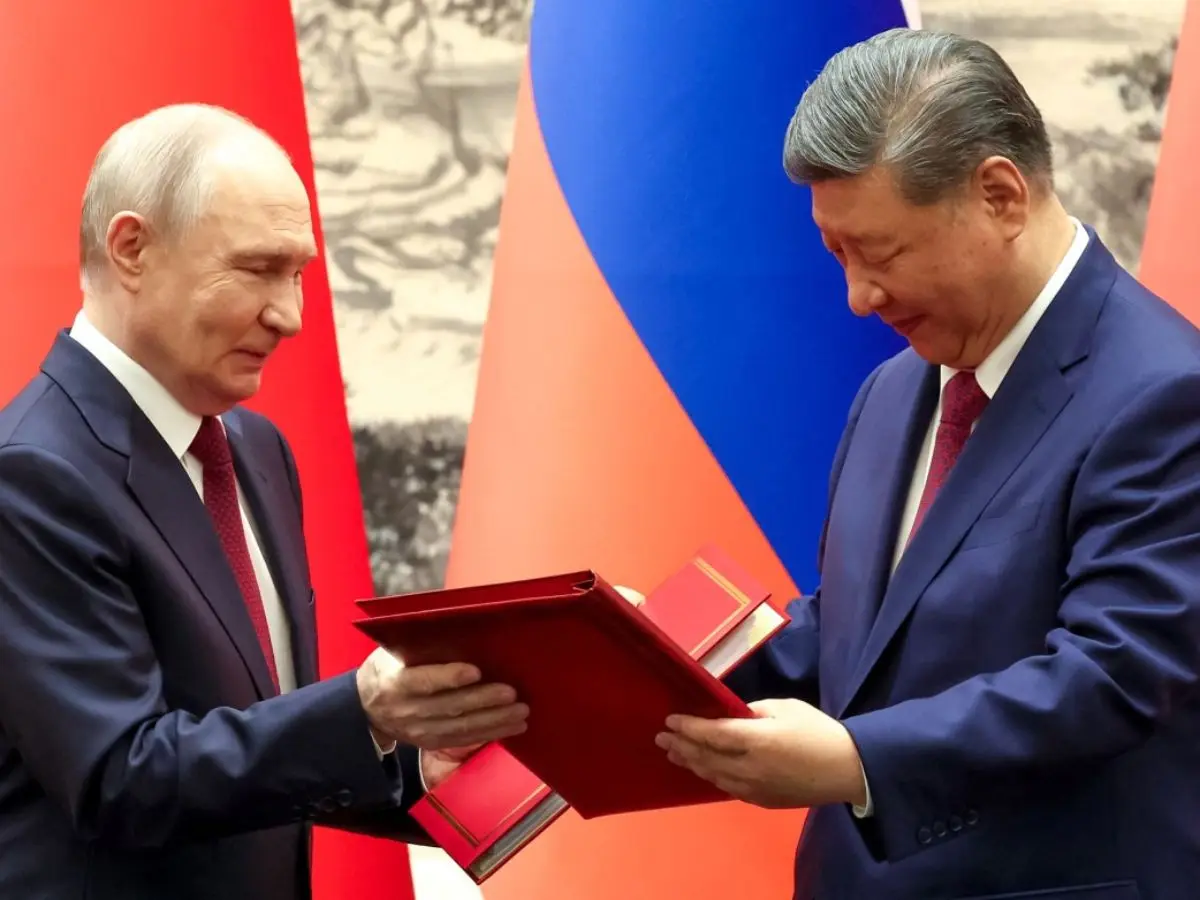)
Xi and Putin project unity amid global tensions Photograph: (AFP)
Russia’s state-run Gazprom launched a feasibility study for the pipeline in 2020 and signed a binding 30-year supply memorandum in September 2025. However, AFP reported that the project was absent from the Kremlin’s lengthy list of agreements released after the Xi-Putin meeting. China has shown limited urgency towards the project, despite Russian hopes that energy market instability caused by the Middle East conflict would strengthen Beijing’s interest.
Why the project matters to Moscow and Beijing
The pipeline has become increasingly important for Moscow since Western sanctions imposed after Russia’s invasion of Ukraine sharply reduced its access to European energy markets. Redirecting gas exports towards China is now central to Russia’s long-term energy strategy.
Putin said Russia was prepared to continue supplying China with energy and highlighted growing use of the rouble and yuan in bilateral trade settlements. He also pointed to “big potential” in joint renewable energy projects. While the summit produced strong diplomatic optics and broad strategic messaging, the absence of concrete progress on Power of Siberia 2 highlighted the unresolved economic differences still shaping one of the world’s most closely watched energy partnerships.