World’s largest oil company CEO warns of 'catastrophic consequences' of Iran war as nations impose emergency measures

&imwidth=600&imheight=450&format=webp&quality=medium "World’s largest oil company CEO warns of 'catastrophic consequences' of Iran war as nations impose emergency measures")
Photograph: (AFP)
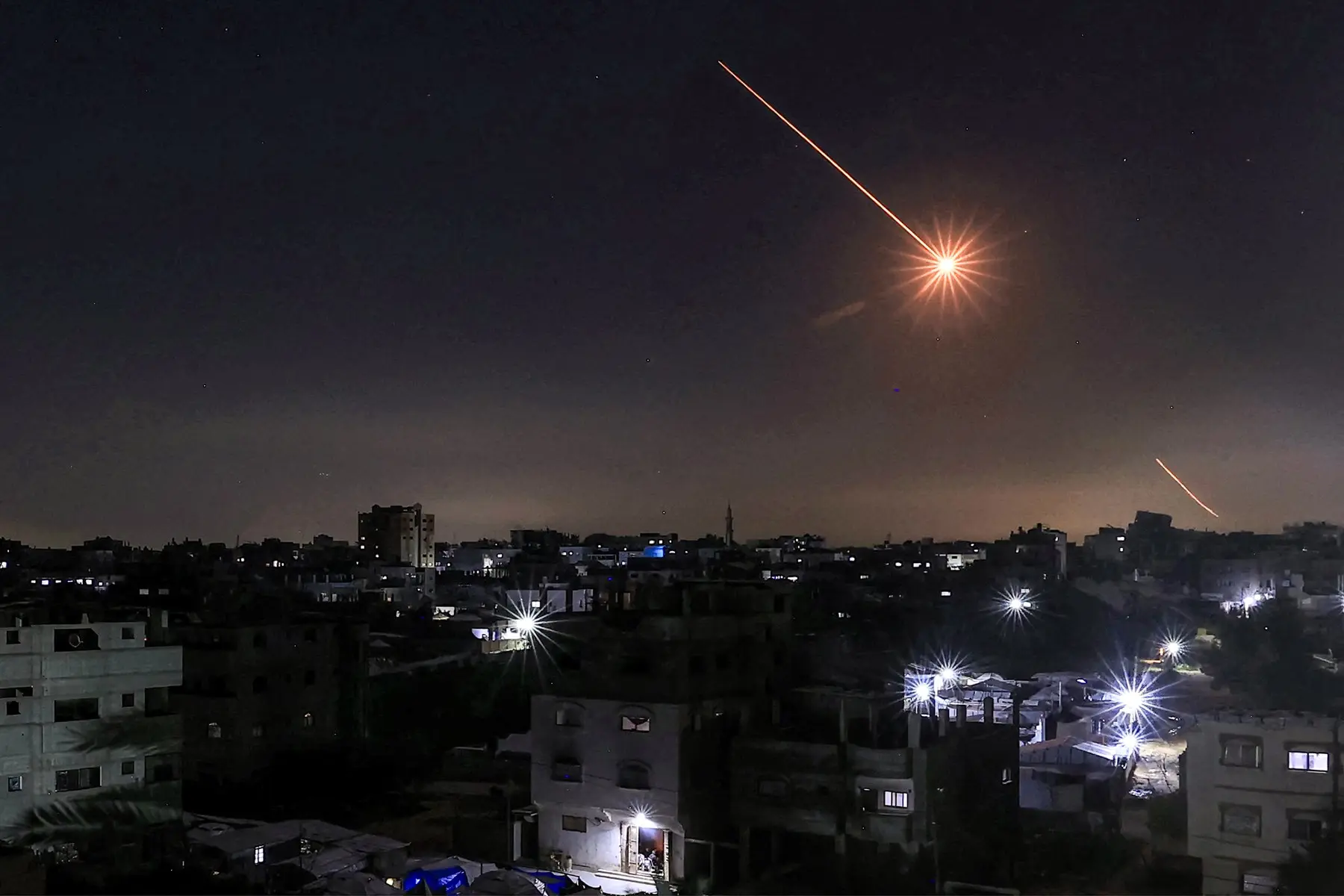
These developments come after global oil prices jumped above $100 per barrel for the first time since the start of the Russia-Ukraine war in 2022, marking more than a 50 per cent increase since the start of joint US-Israeli military strikes in Iran on February 28.
The chief of the world's largest oil corporation warned that the war in West Asia could be disastrous for oil markets and said it is paramount to reopen the Strait of Hormuz, which Iran has effectively closed to shipments of key commodities, disrupting nearly 20 per cent of the world's energy supply.
“There would be catastrophic consequences for the world’s oil markets the longer the disruption goes on, and the more drastic the consequences for the global economy,” Saudi Aramco’s CEO and President Amin H. Nasser said on Tuesday.
“It’s absolutely critical that shipping resumes in the Strait of Hormuz,” Nasser added.
Nasser’s comments came after crude oil prices surged past $100 per barrel on March 9, while analysts cautioned that a sustained blockage could push prices towards a record-breaking $150 per barrel.
Similarly, gas prices in Europe nearly doubled in the first week of March, peaking above €60/MWh before stabilising slightly at €48/MWh. Asian LNG prices climbed even higher, as the region relies heavily on West Asia for nearly 90 per cent of its LNG requirements.
The energy crisis prompted several countries to take drastic measures, including
Trending Stories
)
)
)
)
)
)
)
)
)
)
)
)
)
)
)
)
)
)
)
)
)
)
&im=FitAndFill=(700,400))
)
)
)
)
)
)
)
&im=FitAndFill=(700,400))
)
)
)
)
)
)
Pakistan, which implemented the steepest fuel price hike in its history at around Rs 55 per litre and ordered the shutting of schools and colleges across the country, while enforcing work-from-home policies for both government and private offices.
Likewise, India on Tuesday invoked the Essential Commodities Act (ECA), 1955, effective March 2026, to address potential energy supply disruptions by ordering oil refining companies to maximise the production of LPG and make it available primarily to domestic consumers.
Several countries in Europe and East Asia also announced similar measures. Japan, which relies on imports for about 87 per cent of its energy needs, and South Korea have activated emergency response protocols.
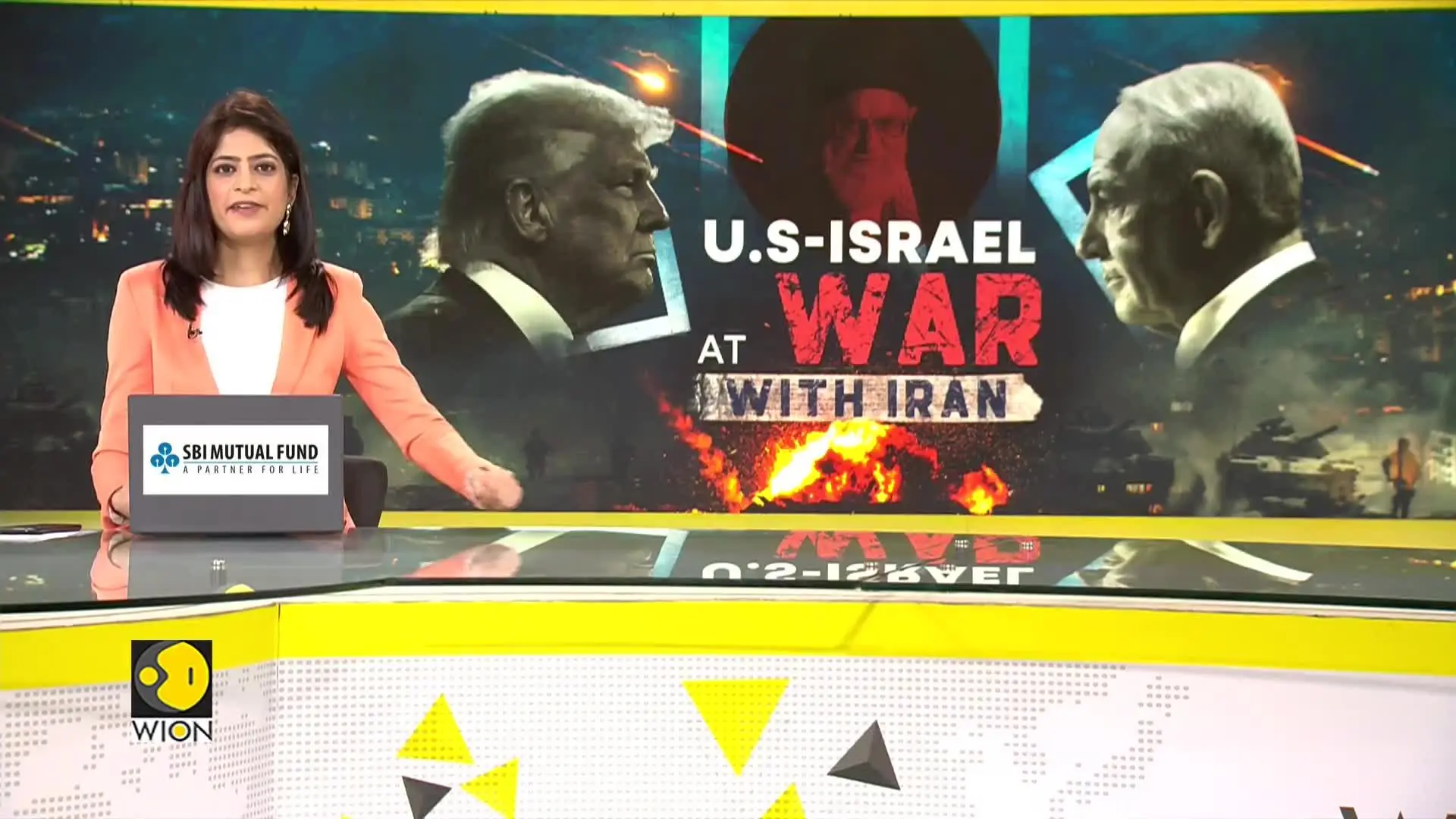
These developments come after global oil prices jumped above $100 per barrel for the first time since the start of the Russia-Ukraine war in 2022, marking more than a 50 per cent increase since the start of joint US-Israeli military strikes in Iran on February 28.
The strikes, codenamed Operation Roaring Lion by Israel and Operation Epic Fury by the United States, targeted government buildings, military installations, and suspected nuclear facilities, while aiming to decapitate the highest levels of Iranian leadership. The strikes resulted in the killing of Supreme Leader Ayatollah Ali Khamenei on the first day of the campaign.
In retaliation, Iran targeted US military bases and strategic locations across Gulf nations, including Qatar, the UAE, Saudi Arabia, and Oman, leading to disruptions across the region. Moreover, Tehran has effectively halted shipping through the Strait of Hormuz, a vital artery for about 20 per cent of the world’s oil supply. In response, major producers such as Iraq, Kuwait, and the UAE have been forced to cut production as their storage tanks reach capacity with limited export routes.
(Disclaimer: WION takes utmost care to accurately and responsibly report ongoing conflicts in West Asia involving Israel, Iran, US, Gulf nations and non-state actors like Hezbollah, Hamas, Houthis, Islamic State, and others. Claims and counterclaims, disinformation and misinformation are being made online and offline. Given this context, WION cannot independently verify the authenticity of all statements, social media posts, photos and videos.)