World leaders react to Trump's trade tariffs: 'Tariffs drive inflation, hurt people on both sides, put jobs at risk'

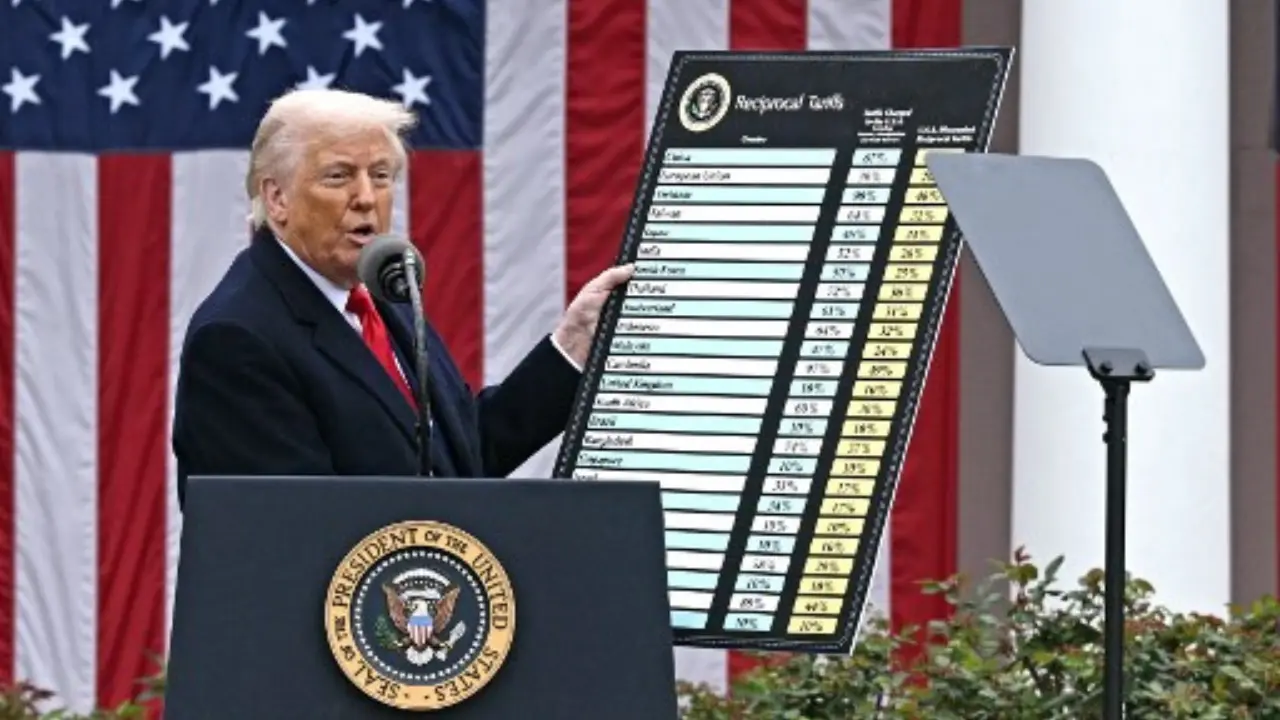
World | Canadian Prime Minister Mark Carney vowed to 'fight' against tariffs, which he warned will 'fundamentally change the global trading system'
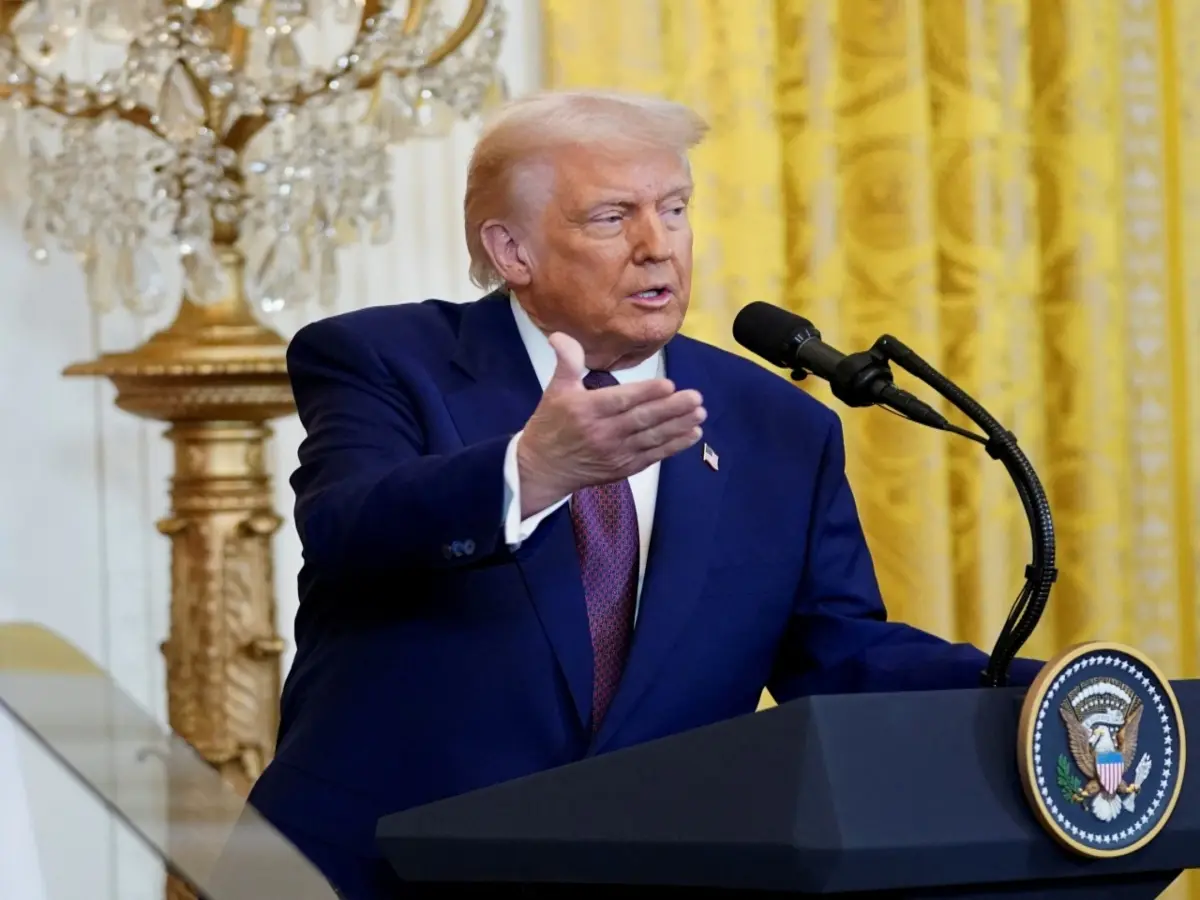
United States President Donald Trump's sweeping new tariffs on trading partners are set to begin this weekend. Trump has imposed a higher rate on "worst offenders" to take effect next week.
The White House told reporters that a "baseline" 10 per cent tariff would start at 12:01 am (0401 GMT) on April 5, while higher rates on various partners would begin from 12:01 am on April 9.

World leaders denounce the tariffs
Australia
Prime Minister Anthony Albanese said that Trump's trade tariffs on close ally Australia are "not the act of a friend" and will hurt the two nations' relationship. "These tariffs are not unexpected, but let me be clear, they are totally unwarranted," he said.
)
The Early Spring is proof not everyone can talk about their real feelings, and it is perfectly OK
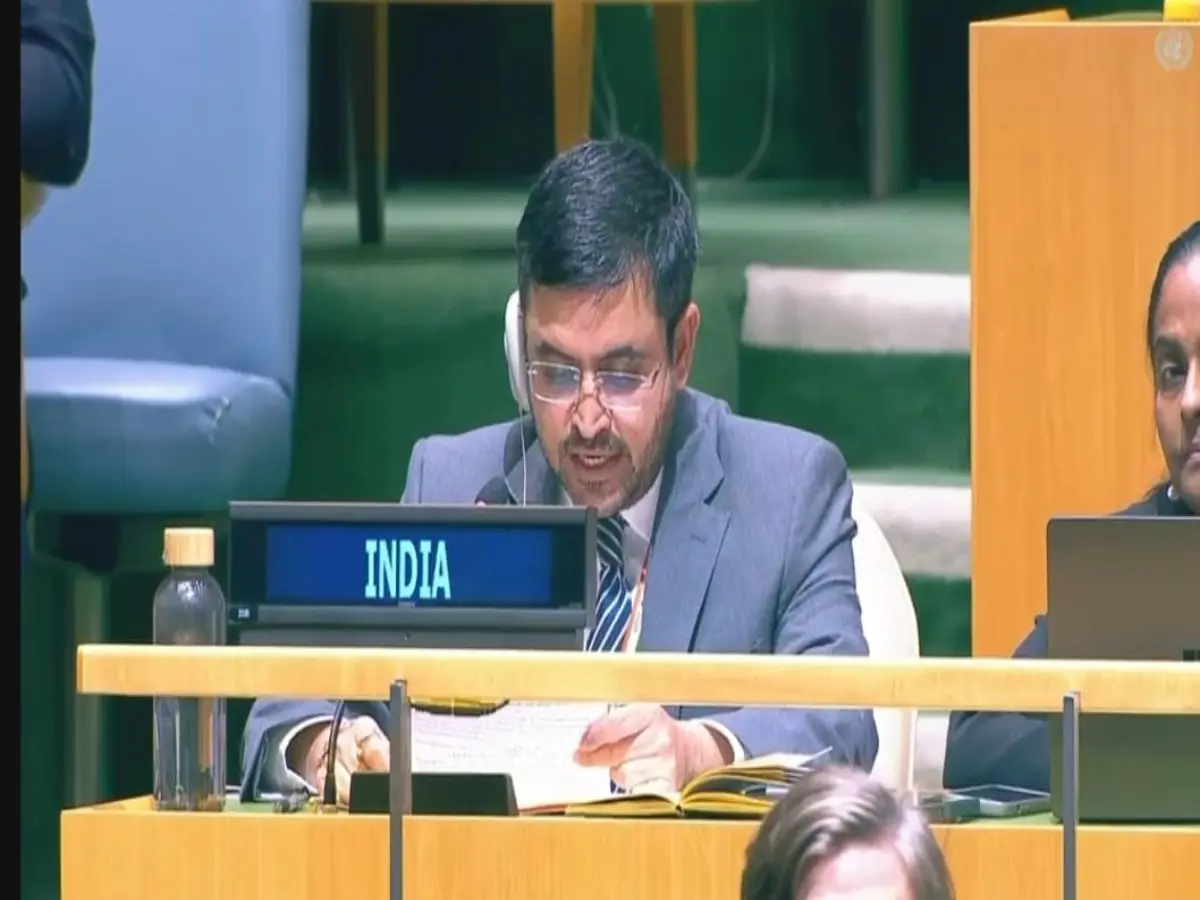)
UN votes to ‘correct the map’ as India backs fairer world view
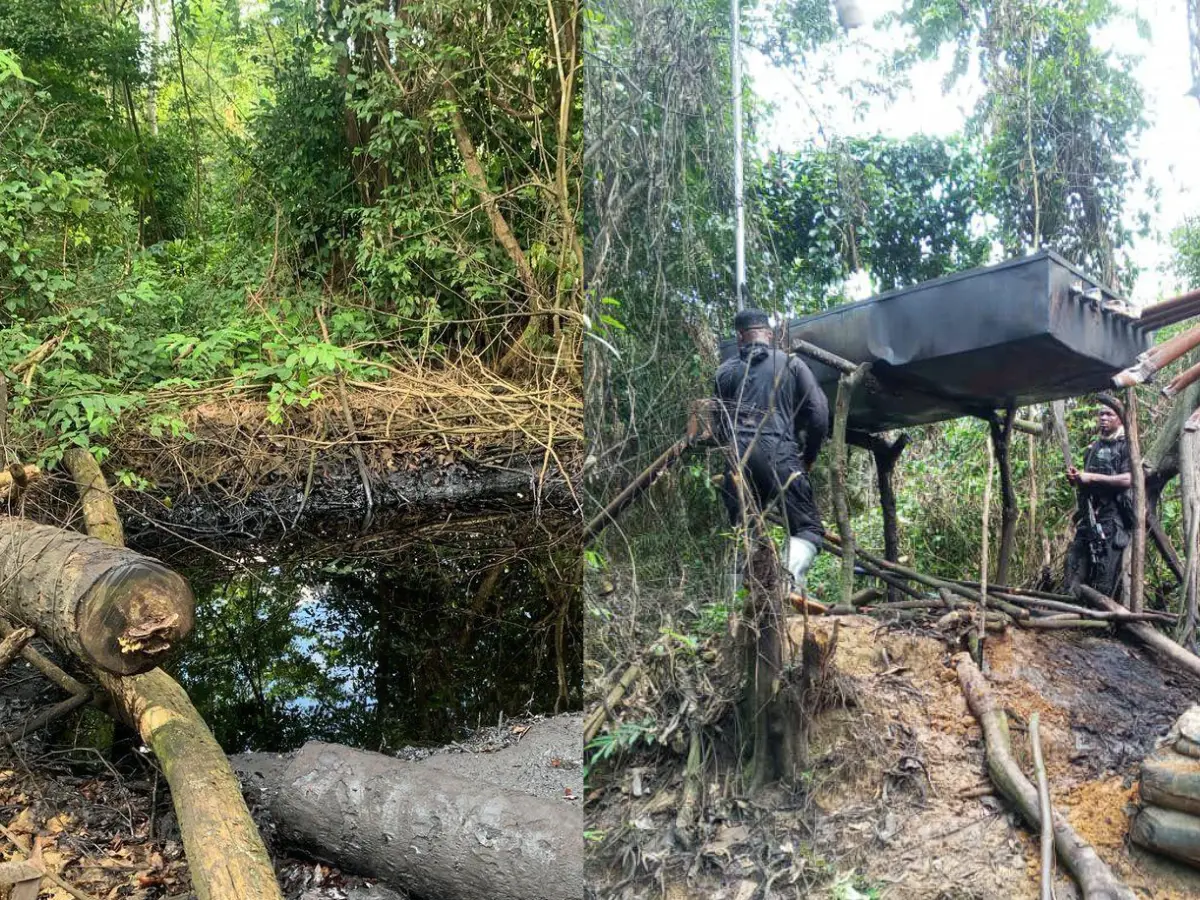)
Nigerian Navy discovers 99,000 litres of suspected stolen, illegally refined products as it intensifies anti-crude oil theft operations
)
Who is Aditi Paudel? 17-year-old becomes Japan's first literacy ambassador
)
Bengaluru: Officials find 40 kg expired chilli at chairman's club
)
Jaishankar rejects trade link to ending Ukraine war
)
Israeli strikes on Lebanon kill three, injure 23 despite truce
)
Alpine glacier was covered with sheep wool sheets to prevent melting. It worked
)
South Korea mulls deploying military assets to Strait of Hormuz
)
World's fifth-largest economy, British army can't afford to train
)
Breaking | Vance takes the podium: First White House briefing since Leavitt's exit
)
Taiwan raises 'concerns' over China's missile test
)
BRICS 2026: $1 trillion sovereign capital set to converge in Delhi for first iBRICS Summit
)
What is Iran's Pickaxe Mountain that Trump has again threatened to bomb?
)
UN votes to correct world map that visually shrank Africa for 450 years
)
Former NewJeans member Danielle launches YouTube channel, hints at new solo journey
)
Bangladesh batter Towhid Hridoy creates history with 350 not out in South Africa
)
Brendan Fraser’s transformation fuels The Mummy 4 excitement as fans welcome back Rick O’Connell
&im=FitAndFill=(700,400))
Krishna Janmashtami 2026: From Dhaniya Panjiri to Makhana Kheer- 5 best sweet dishes perfect for celebrating Lord Krishna’s birth
)
Donald Trump plans to travel to Ireland on Qatari-donated jet amid security concerns
)
Nazi-looted art to return to Jewish heirs
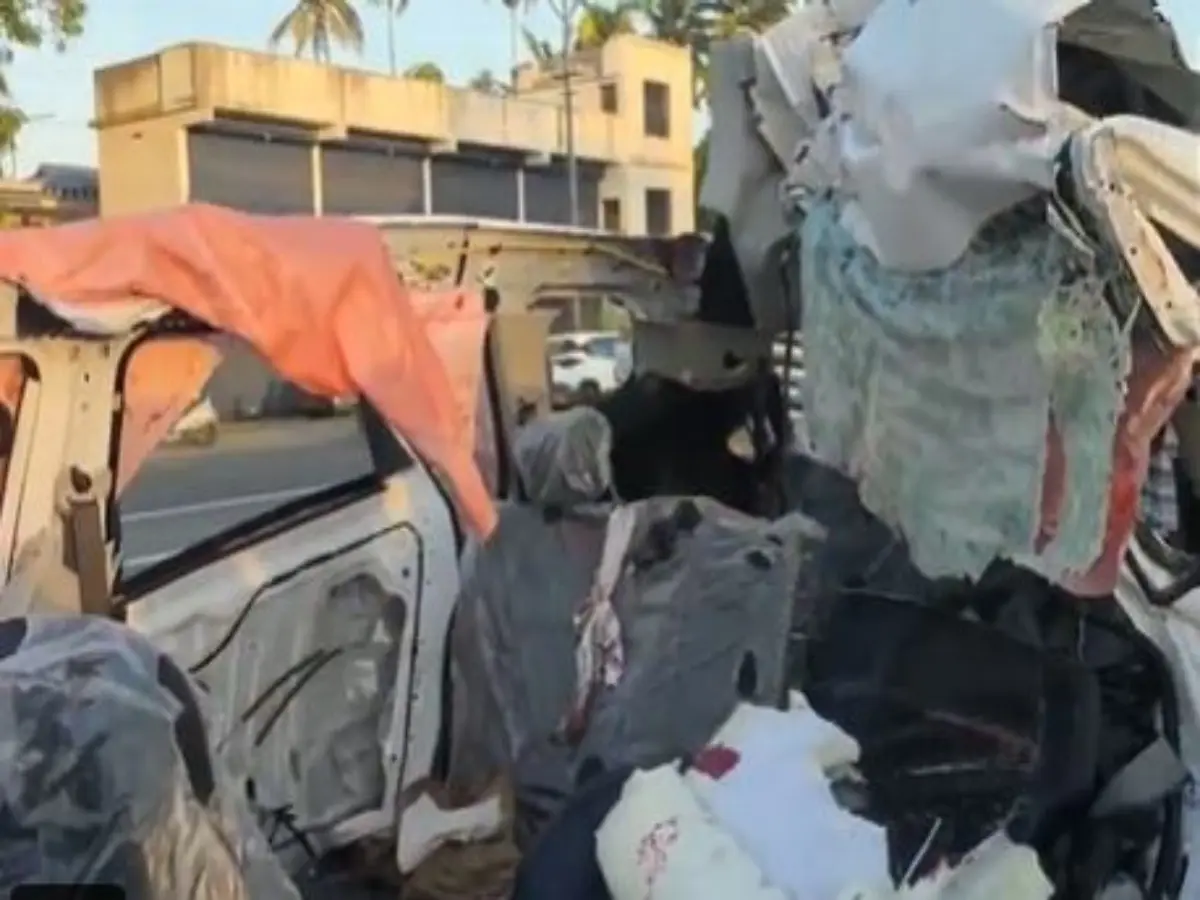)
Eight killed in Kerala’s Thrissur after car rams into lorry parked on highway
&im=FitAndFill=(700,400))
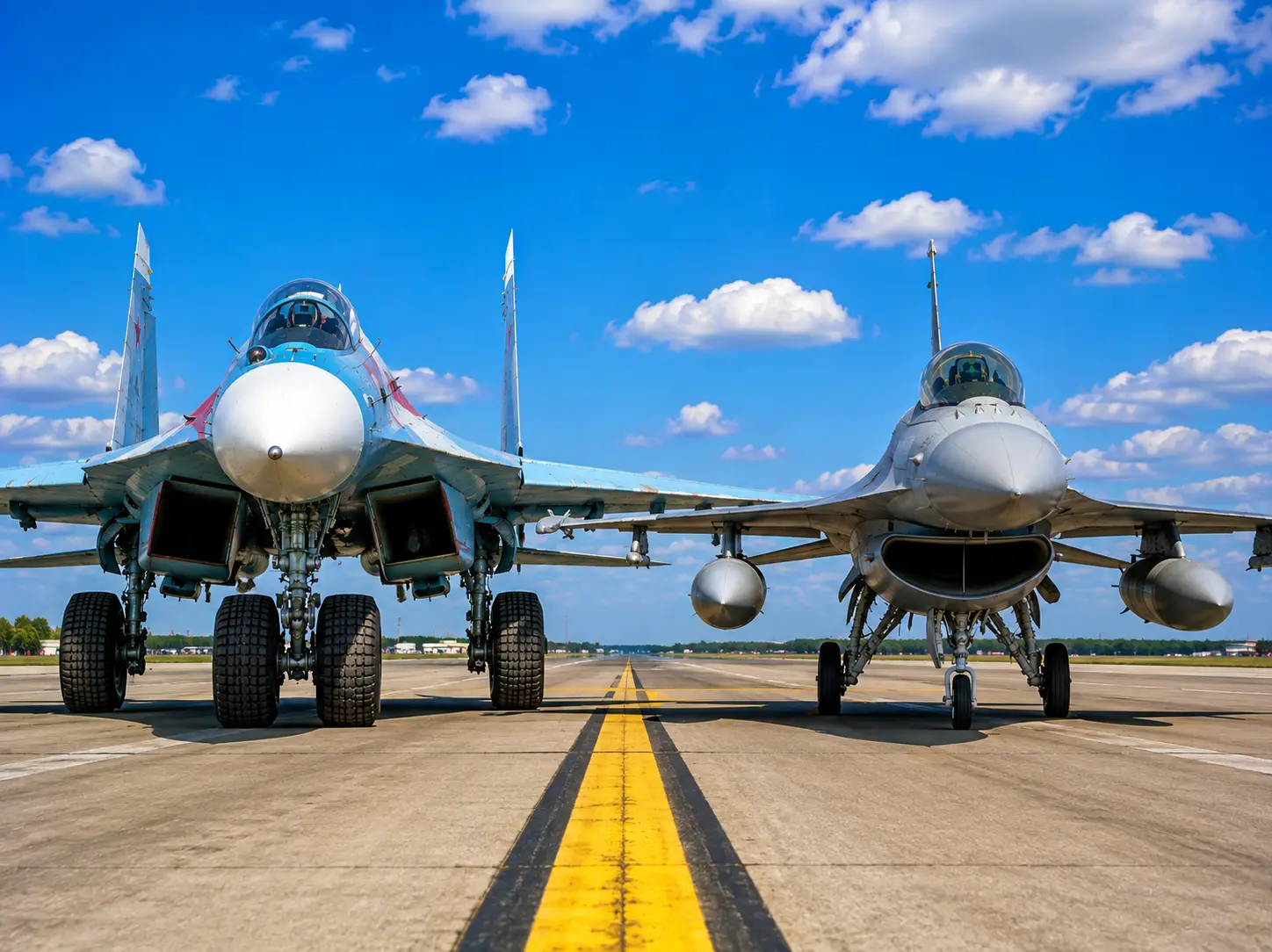
Why Russian fighter jets use bulky, low-pressure tyres compared to US jets
)
FBI-wanted fraud accused arrested in Jalandhar over $600,000 scam
&im=FitAndFill=(700,400))
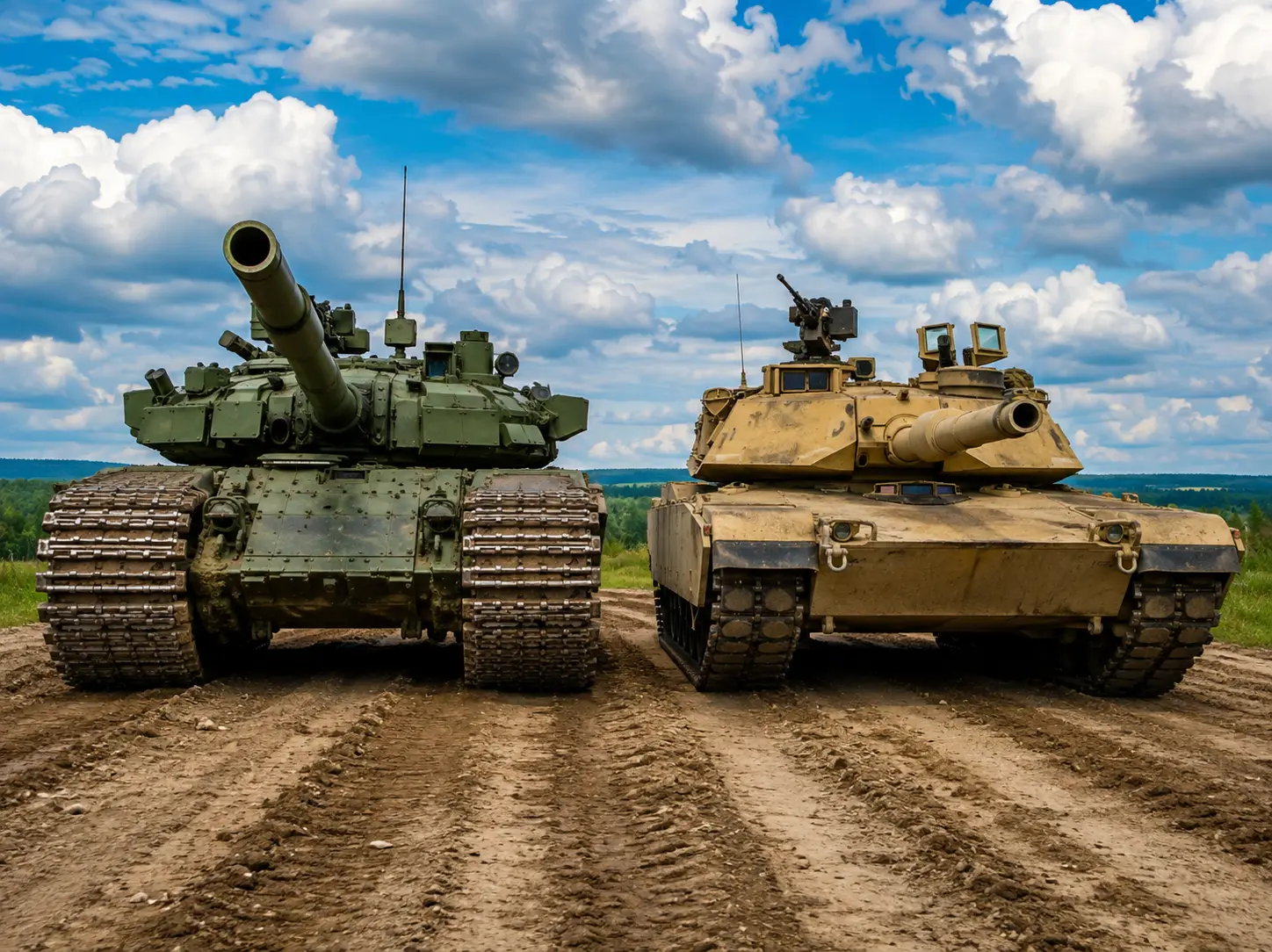
Why US tanks weigh over 20 tons more than Russian tanks
&im=FitAndFill=(700,400))
New Friday OTT releases (September 4, 2026): GDN, Dhamaal 4, Jagamae Sangeetham- Watch 6 new movies and TV shows on Netflix, Prime Video and more
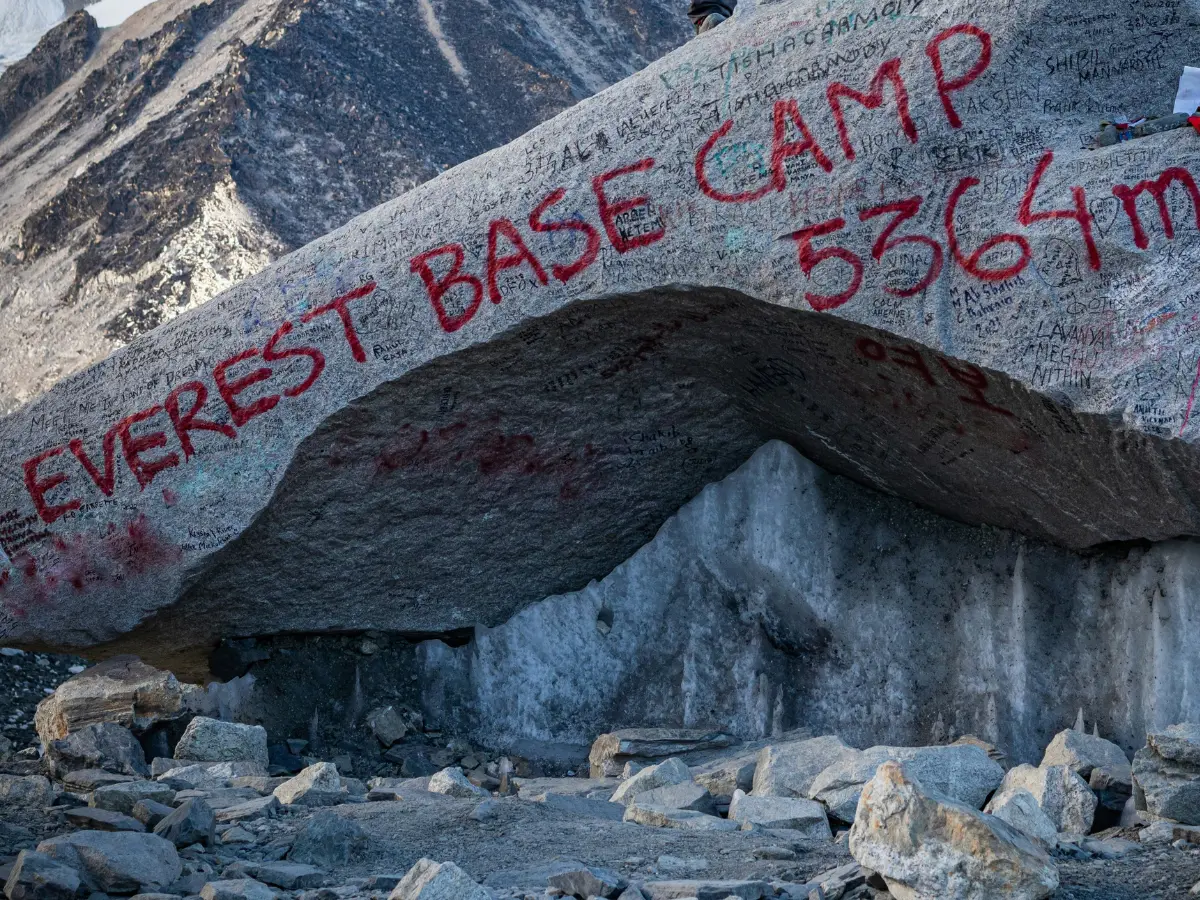)
Killing the Himalayas slowly: Human urine is melting a glacier on Mount Everest
"The Australian people have every right to view this action by the Trump administration as undermining our free and fair trading relationship and counter to the shared values that have always been at the heart of our two nations long-standing friendship," Albanese said, adding that the new measures could change how people see their relationship.
"This will have consequences for how Australians see this relationship," the Australian leader added.
Also read:Trump’s reciprocal tariffs hit ‘tariff king’ India: Could they cost PM Modi his next term?
Canada
Canadian Prime Minister Mark Carney vowed to "fight" against tariffs, which he warned will "fundamentally change the global trading system."
Carney noted that Trump's latest announcement "preserved a number of important elements of our relationship, the commercial relationship between Canada and the United States."
The prime minister, a wealthy former investment banker, said that Trump's trade war will "negatively" impact the US economy and will "directly affect millions of Canadians."
"We are going to fight these tariffs with counter measures. We are going to protect our workers," Carney said in Ottawa, further adding, "In a crisis it is important to come together and it is essential to act with purpose and with force and that is what we will do."
China
China said it "firmly opposes" new US tariffs on its exports. Beijing also vowed "countermeasures to safeguard its own rights and interests".
The Commerce Ministry in Beijing said in a statement that those tariffs "do not comply with international trade rules and seriously harm the legitimate rights and interests of the relevant parties".
It urged Washington to "immediately cancel" them, warning they "endanger global economic development", hurting US interests and international supply chains. It also accused the United States of a "typical unilateral bullying practice".
"The US claims to have suffered losses in international trade, using so-called 'reciprocity' as an excuse to raise tariffs on all trade partners," Beijing said.
"This approach disregards the balance of interests achieved through years of multilateral trade negotiations and ignores the fact that the US has long profited significantly from international trade," it added.
It instead called for "dialogue" to resolve the dispute.
"There is no winner in a trade war, and there is no way out for protectionism," it said, adding that "history has proven that raising tariffs does not solve the US's own problems."
Japan
Japan's trade minister Yoji Muto criticised the measure after being hit with a 24 percent US levy on its exports.
"The unilateral tariff measures taken by the US are extremely regrettable, and I have again strongly urged (Washington) not to apply them to Japan," he said.
Japan's chief cabinet secretary Yoshimasa Hayashi told reporters the tariffs may contravene World Trade Organisation (WTO) rules and the pair's trade treaty.
Ireland
Irish Prime Minister Micheal Martin said any EU reaction to US tariffs of 20 percent should be "proportionate", adding he deeply regretted the move by Trump.
"I deeply regret the US decision to impose 20% tariffs on imports from across the European Union," the taoiseach added.
"We see no justification for this. More than €4.2bn worth of goods and services are traded between the EU and the US daily.
"Disrupting this deeply integrated relationship benefits no one. Tariffs drive inflation, hurt people on both sides of the Atlantic, and put jobs at risk."
He also said that the Irish government would "now reflect with" EU partners on the next steps, but "any action should be proportionate, aimed at defending the interests of our businesses, workers and citizens," Martin said in a statement.
Also read:Want to avoid Trump’s reciprocal tariffs? Trump himself has a ‘simple’ solution for world leaders
Italy
Italian Prime Minister Giorgia Meloni called the new US tariffs on the EU "wrong". She said the bloc will do all it can "to work for a deal with the United States, aiming to prevent a trade war that would inevitably weaken the West in favour of other global actors".
Meloni's foreign minister, Antonio Tajani, wrote on X that he would meet with EU trade chief Maros Sefcovic in Brussels on Thursday, and the
Sweden
Swedish Prime Minister Ulf Kristersson said: "We don't want growing trade barriers. We don't want a trade war."
"We want to find our way back to a path of trade and cooperation together with the US, so that people in our countries can enjoy a better life," he added.
(With inputs from agencies)