Why US denied visas to Palestinian President Mahmoud Abbas, 80 officials ahead of UNGA meeting

&imwidth=600&imheight=450&format=webp&quality=medium "Why US denied visas to Palestinian President Mahmoud Abbas, 80 officials ahead of UNGA meeting")
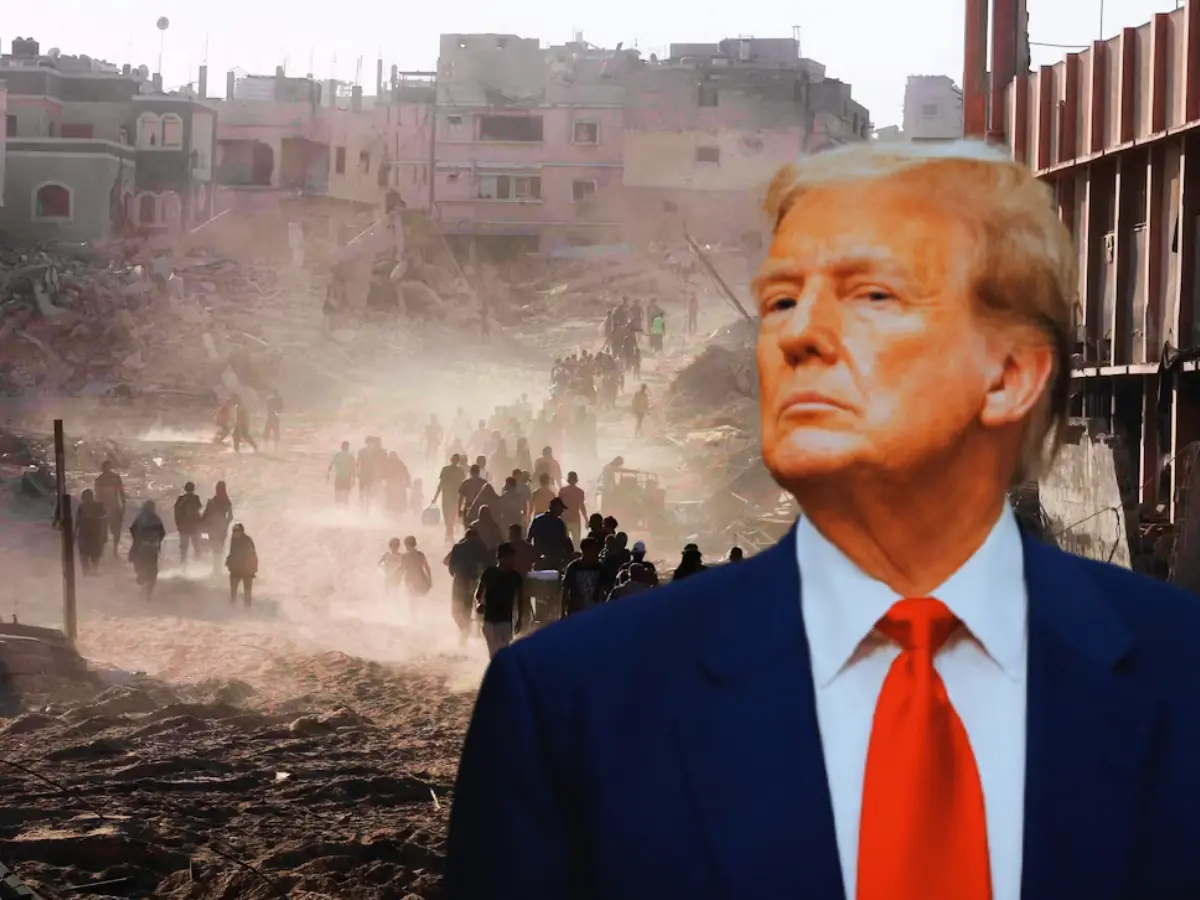
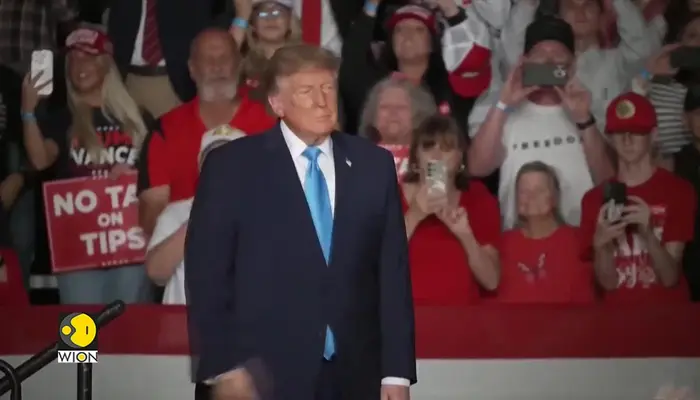
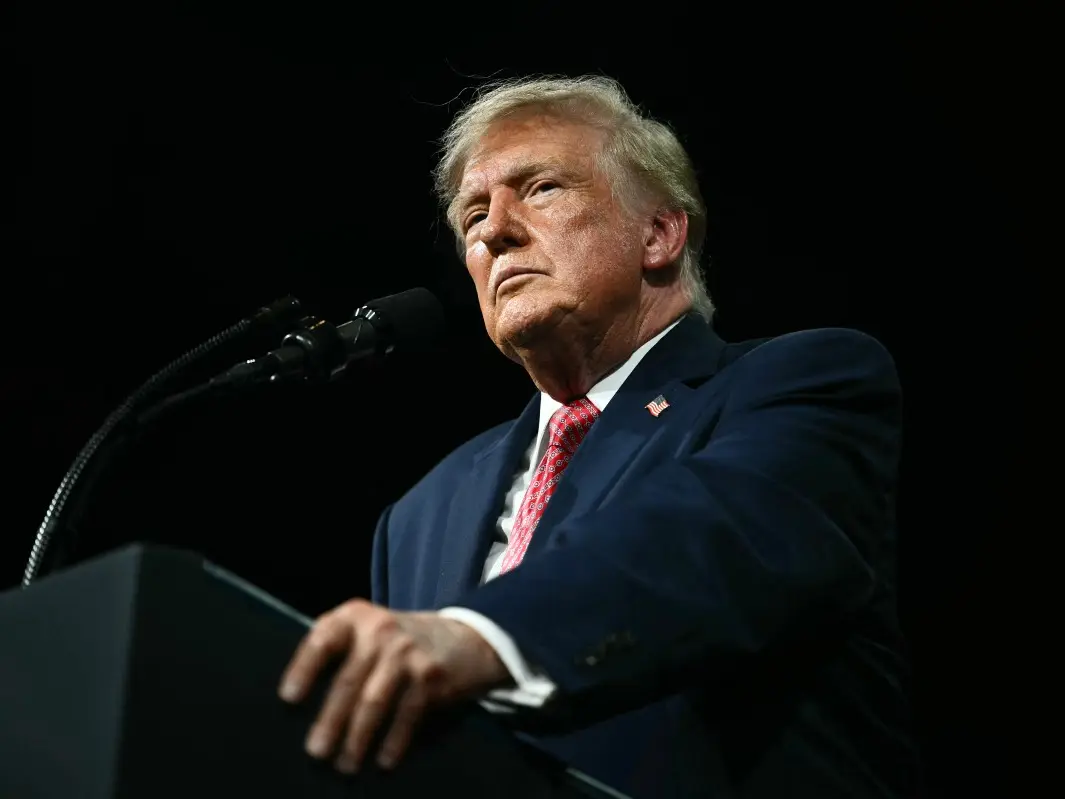
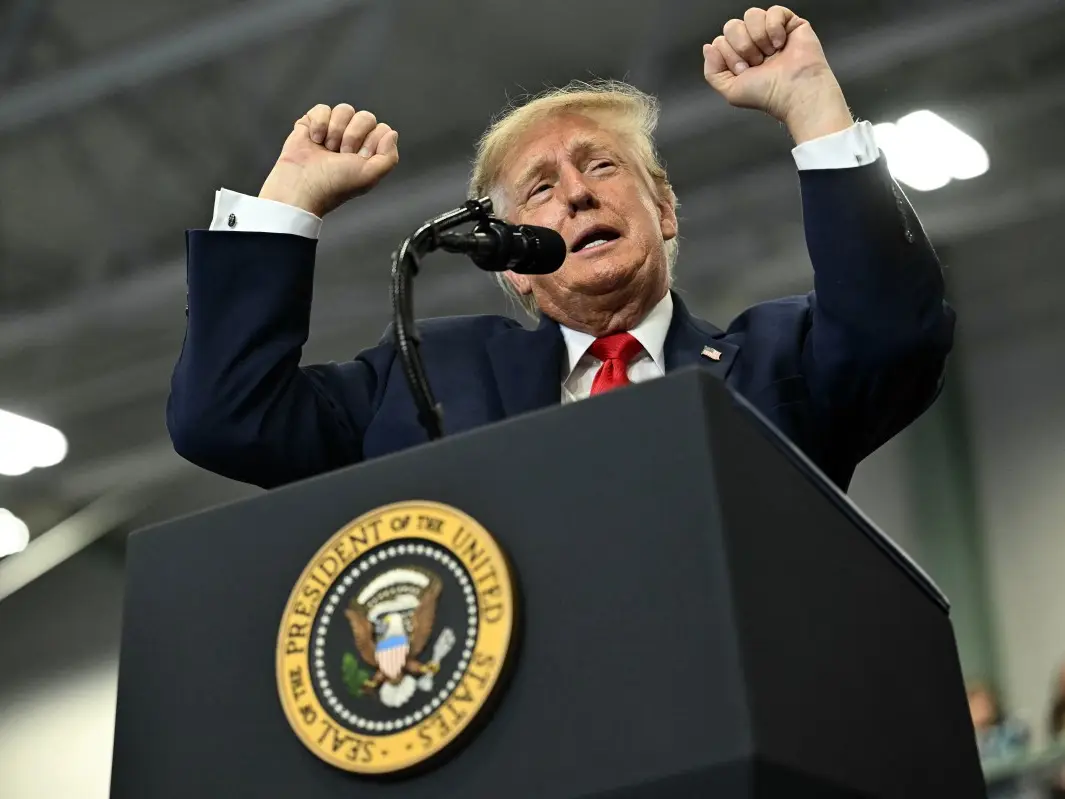
US President Donald Trump Photograph: (Reuters images | Combination made via WION Web Desk)
The US revoked the visas of Palestinian President Abbas and 80 officials ahead of the United Nations General Assembly (UNGA). The move, part of Trump’s pressure strategy, drew criticism as a breach of international norms and a setback to peace efforts, prompting UN calls for clarification
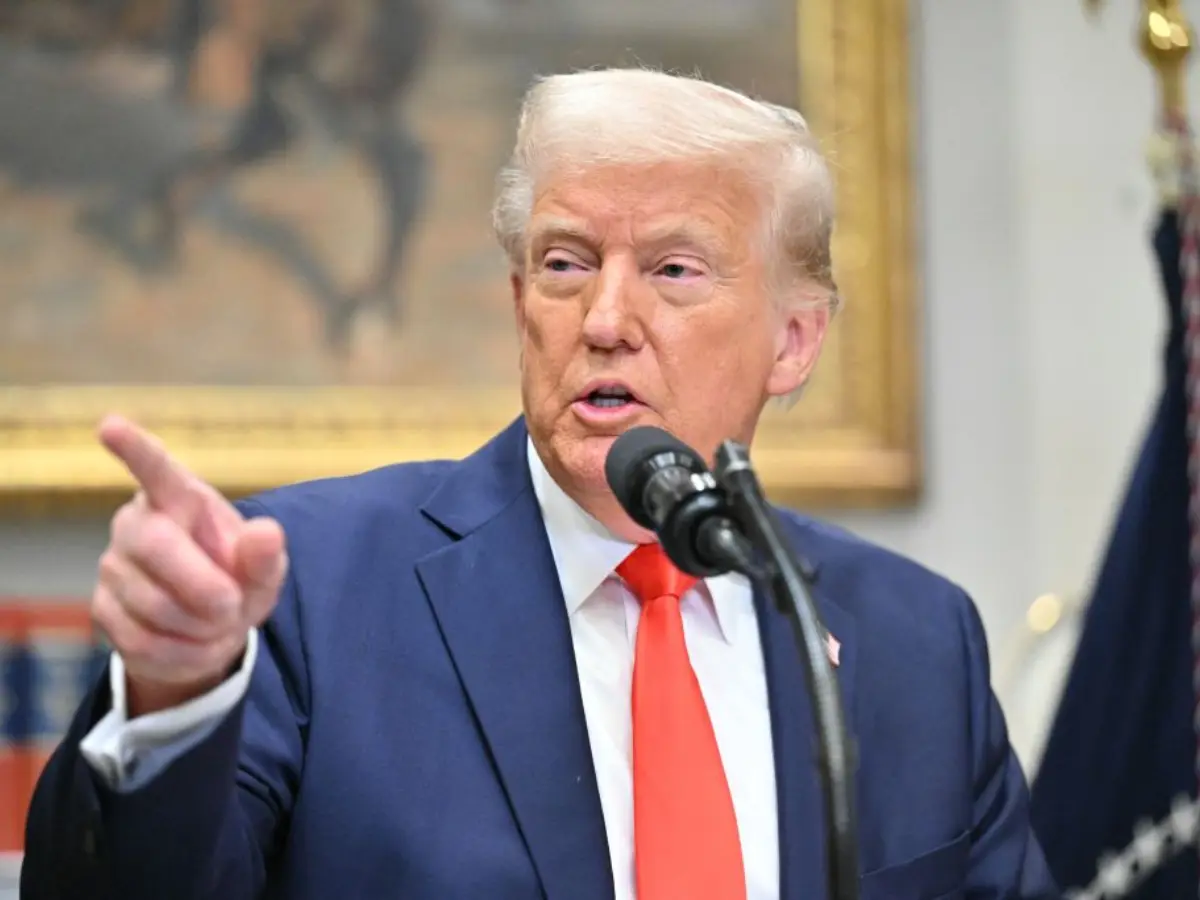
United States Secretary of State Marco Rubio has revoked the visas of Palestinian President Mahmoud Abbas and 80 other Palestinian Authority (PA) officials ahead of the upcoming United Nations General Assembly (UNGA) meeting. The move has been strongly criticised as a violation of international norms. Only representatives stationed at the Palestinian Authority’s UN mission have been granted exceptions and will retain their ability to operate in New York under the US-UN host country agreement. The visa cancellations are part of the Trump administration’s broader strategy to impose pressure on the Palestinian leadership amid Israel's Gaza takeover plan. The Palestinian leadership reacted to the decision, stating that it is a hindrance to the peace process. However, critics have also said that this could be American tactics to prevent nations from recognising Palestine.
Revoking the Palestinian visas
Rubio ordered that new visa applications from Palestinian officials, including those associated with the Palestine Liberation Organisation (PLO), be denied. The State Department justified the decision, citing national security and accusing the PA and PLO of failing to meet obligations, including the rejection of terrorism and its promotion. Without naming a state department official, Axios revealed that the decision includes high-ranking Palestinian figures. Additionally, the State Department also ended a program that allowed wounded children from Gaza to receive medical treatment in the US, reportedly in response to conservative backlash online. The Palestinian leadership condemned the move, calling it a breach of US obligations under the UN Headquarters Agreement. UN spokesperson Stéphane Dujarric confirmed the organisation is seeking clarification, emphasising the importance of all member and observer states being able to participate in UN activities.
Trending Stories
&imwidth=280&imheight=210&format=webp&quality=medium)
&imwidth=280&imheight=210&format=webp&quality=medium)
&im=FitAndFill=(700,400)&imwidth=280&imheight=210&format=webp&quality=medium)
&imwidth=280&imheight=210&format=webp&quality=medium)
&imwidth=280&imheight=210&format=webp&quality=medium)
&imwidth=280&imheight=210&format=webp&quality=medium)
&imwidth=280&imheight=210&format=webp&quality=medium)
&imwidth=280&imheight=210&format=webp&quality=medium)
&imwidth=280&imheight=210&format=webp&quality=medium)
&imwidth=280&imheight=210&format=webp&quality=medium)
&imwidth=280&imheight=210&format=webp&quality=medium)
&imwidth=280&imheight=210&format=webp&quality=medium)
&imwidth=280&imheight=210&format=webp&quality=medium)
&imwidth=280&imheight=210&format=webp&quality=medium)
&imwidth=280&imheight=210&format=webp&quality=medium)
&imwidth=280&imheight=210&format=webp&quality=medium)
&imwidth=280&imheight=210&format=webp&quality=medium)
&imwidth=280&imheight=210&format=webp&quality=medium)
&imwidth=280&imheight=210&format=webp&quality=medium)
&imwidth=280&imheight=210&format=webp&quality=medium)
&imwidth=280&imheight=210&format=webp&quality=medium)
&im=FitAndFill=(700,400)&imwidth=280&imheight=210&format=webp&quality=medium)
&imwidth=280&imheight=210&format=webp&quality=medium)
&imwidth=280&imheight=210&format=webp&quality=medium)
&imwidth=280&imheight=210&format=webp&quality=medium)
&imwidth=280&imheight=210&format=webp&quality=medium)
&imwidth=280&imheight=210&format=webp&quality=medium)
&imwidth=280&imheight=210&format=webp&quality=medium)
&imwidth=280&imheight=210&format=webp&quality=medium)
&imwidth=280&imheight=210&format=webp&quality=medium)
&imwidth=280&imheight=210&format=webp&quality=medium)
&imwidth=280&imheight=210&format=webp&quality=medium)
&imwidth=280&imheight=210&format=webp&quality=medium)
Many countries to recognise Palestine at UNGA
This July, France became the first country to announce that it would recognise the State of Palestine officially at the UNGA. In a domino effect of sorts, many countries followed suit. French President Emmanuel Macron justified the decision by highlighting his country's commitment to peace and said that Israel must take substantive steps to end the war and humanitarian crisis in the Gaza Strip, and meet several other conditions, including recommitting to a viable peace process, in order to stop France from recognising a Palestinian state. Canada and Malta also said they would recognise Palestine at UNGA. More recently, Australian Prime Minister Anthony Albanese called the 'two-state solution is humanity's best hope' and said Australia would recognise Palestine at the UNGA meeting in September.
While Trump did not react to initial reports, he expressed his disappointment over Canada's announcement. He hinted that doors for a trade deal might be closed for Canada after it decides to recognise Palestine. In March, Trump imposed 25 per cent tariffs on Canada's steel and aluminium; weeks later, the same on automobiles. In June, he doubled steel and aluminium duties. Now he is threatening to tax copper at 50 per cent starting August 1. He has also said that if Canadian PM Mark Carney is not able to strike a trade deal with the US, then America will impose a 35 per cent tariff on all goods from Canada.