Why are Israeli politicians divided over the proposed Gaza deal? WION Decodes

&imwidth=600&imheight=450&format=webp&quality=medium "Why are Israeli politicians divided over the proposed Gaza deal? WION Decodes")
Trump has claimed a historic Gaza agreement involving a hostage release Photograph: (AFP)
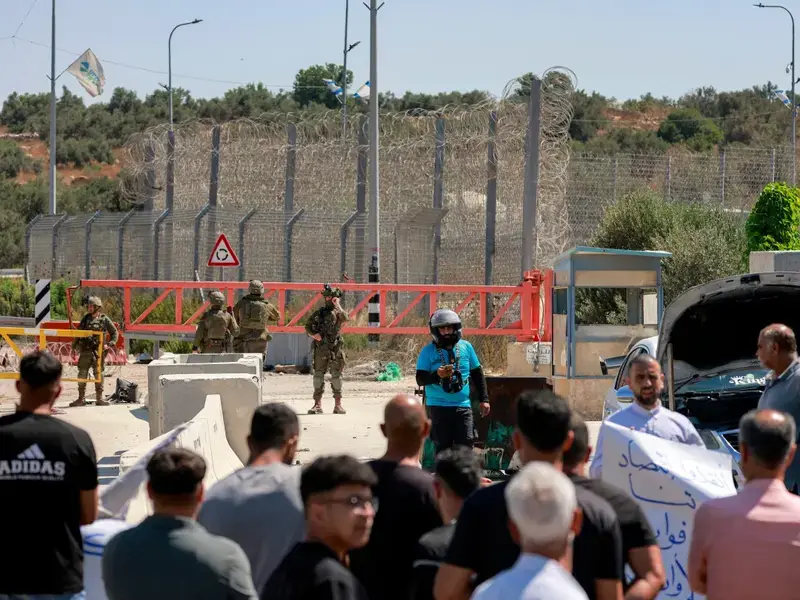
Trump has claimed a historic Gaza agreement involving a hostage release and phased Israeli troop withdrawal, but Israel has yet to confirm the deal. Disagreements over the ceasefire terms, hostages and troop withdrawal continue to cast doubt on its implementation
US President Donald Trump on Thursday (July 30) announced "historic agreement" that would see the complete disarmament of Hamas and other armed groups in Gaza, saying the breakthrough marks a key step in implementing his 20-point plan to end the war. In a post on Truth Social, Trump said his "Board of Peace" had secured the agreement, calling it a major milestone towards achieving lasting peace and security in the region. However, the Israeli politicians and military establishment have critical reservations about the roadmap for Hamas disarmament.
What is the opposition in Israel?
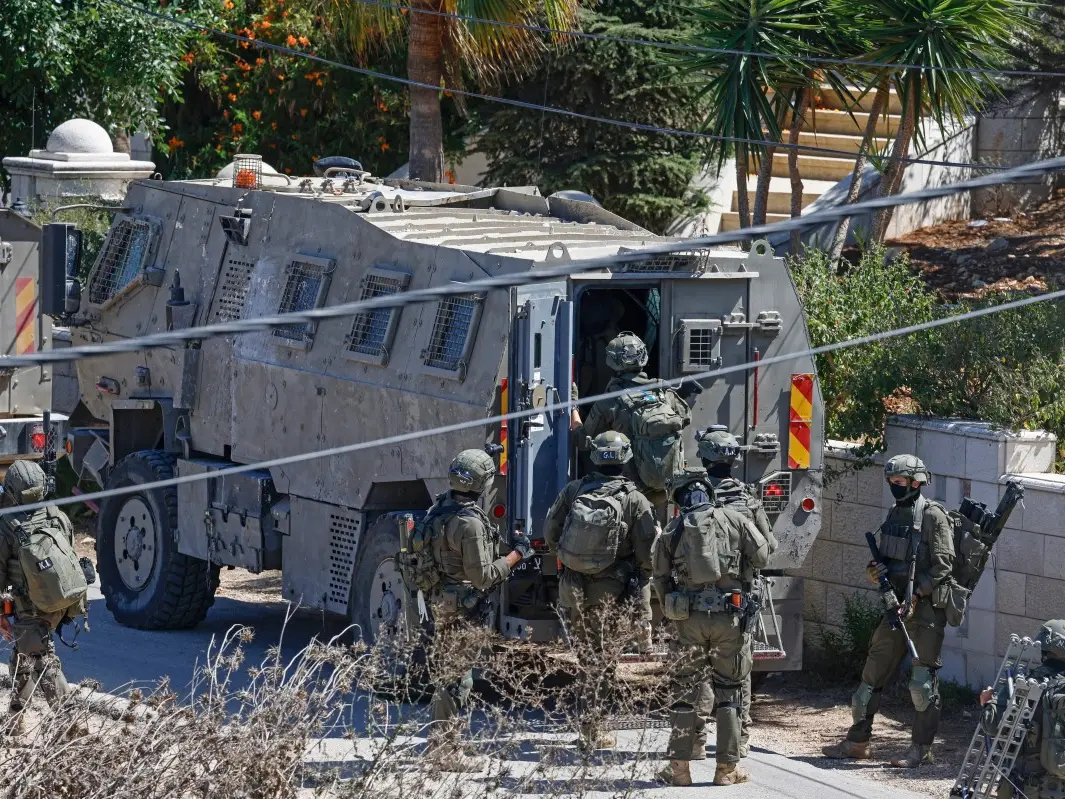
Political opposition within Israel say that they don't trust Hamas as the group has shown historic unwillingness to disarm. It also stems from fierce right-wing who opposes surrendering territorial gains. As the deal comes ahead of the proposed October 2026 Israeli general election, the Opposition in Israel is in a position to put pressure on Prime Minister Benjamin Netanyahu to not accept a deal that requires ceding ground. Under the proposal, Israeli forces are expected to withdraw from their current positions within 24 hours of approval. Hamas, meanwhile, is given 14 days just to prepare an implementation schedule. Israeli officials fear that if they pull back first, Hamas will exploit the pause to regroup and hide its underground assets rather than disarming.
Also Read: Trump: Israel to withdraw from Gaza Strip
The roadmap specifies that surrendered heavy weaponry, ammunition, and manufacturing sites will be turned over exclusively to a newly formed Palestinian National Committee. Israel strongly opposes leaving any military stockpiles in the hands of a Palestinian governance body, viewing it as an ongoing existential threat.
Additionally, Israeli forces currently control over 60 per cent of the Gaza Strip, having expanded their footprint past the "Yellow Line" established in earlier ceasefire phases. The new deal demands a rollback of these hard-fought territorial gains, which the defense establishment argues eliminates Israel's active tactical leverage
Trending Stories
)
)
)
)
)
)
)
)
)
)
)
)
)
)
)
)
)
)
)
)
)
&im=FitAndFill=(700,400))
)
)
)
)
)
)
)
)
&im=FitAndFill=(700,400))
)
)
&im=FitAndFill=(700,400))
)
What it means for Netanyahu ahead of election?
Recent polls suggest that many Jewish Israelis oppose a full military withdrawal from Gaza or major reconstruction efforts unless Hamas is completely defeated. This has made the proposed deal politically risky for right-wing leaders. Centrist politicians, including former general Gadi Eisenkot, have also criticised Prime Minister Benjamin Netanyahu’s government for keeping the negotiations unclear and warned that any concessions could weaken Israel. Meanwhile, the Israeli government has not publicly confirmed the deal, while officials reportedly insist that Israeli troops will not withdraw until Hamas agrees to give up its heavy weapons.
Netanyahu’s government also depends on the support of far-right allies, including National Security Minister Itamar Ben-Gvir and Finance Minister Bezalel Smotrich. Both have opposed any deal that does not involve the complete defeat of Hamas and have backed calls to encourage Palestinians to leave Gaza and rebuild Israeli settlements there. They have warned that they could withdraw their support and bring down the government if Netanyahu agrees to the proposed deal.

