

&imwidth=800&imheight=600&format=webp&quality=medium "Who will be next Nepal PM? Rapper-turned politician Balen Shah, Gen Z’s favourite, is likely to win")
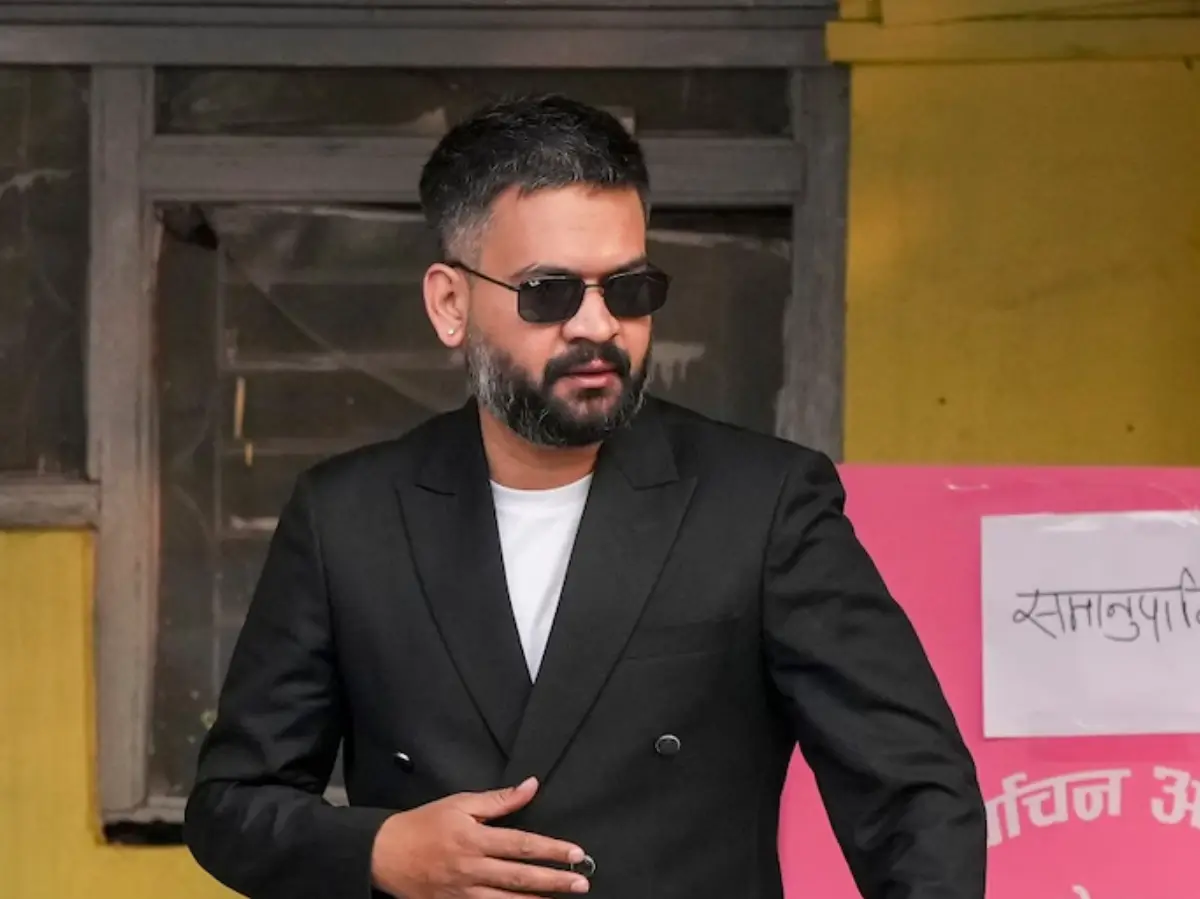
Nepal voted for its next prime minister on March 5, 2026, and the final result is yet to come. However, the rapper-turned politician Balen Shah, who emerged as a favourite leader of Gen Z during last year's protest, is likely to win the race. The sweeping leads by the former Kathmandu mayor's party, which was founded in 2022, showed the youth's frustration with the current status of the government in the country. If the RSP’s strong performance continues, the results could mark a major victory for Nepal’s youth-driven political movement.
Here are the major keypoints to pick from the 2026 national election of Nepal.
Balen Shah - the man of the moment
The rapper-turned politician Balendra ‘Balen’ Shah’s Rastriya Swatantra Party (RSP) won 29 seats and was reported leading in 88 constituencies as of Saturday (March 7). He is also maintaining a lead over CPN-UML Chairman and former Prime Minister KP Sharma Oli in his home constituency of Jhapa-5.
Turning point for the country's politics
Trending Stories
&im=FitAndFill=(700,400)&imwidth=180&imheight=135&format=webp&quality=medium)
What is the real meaning behind Pete Hegseth's tattoos?
&imwidth=180&imheight=135&format=webp&quality=medium)
Viral video shows cross falling on Colombia priest, no official confirmation | WATCH
&imwidth=180&imheight=135&format=webp&quality=medium)
Telangana unveils AI avatar of IT minister D Sridhar Babu at Hyderabad DevFest 2026
&imwidth=180&imheight=135&format=webp&quality=medium)
Pezeshkian says Iranians ‘struggling to put food on the table’ as war with US drags on
&imwidth=180&imheight=135&format=webp&quality=medium)
Shilpa Rao’s performance cut short at Mumbai event, organisers react to backlash
&imwidth=180&imheight=135&format=webp&quality=medium)
Chorbagan stampede: A week later, the strangest visarjan Kolkata has seen
&imwidth=180&imheight=135&format=webp&quality=medium)
AI slop or smart strategy? South African author Coral Hart defends Her 370 AI- assisted books in 20 months
&imwidth=180&imheight=135&format=webp&quality=medium)
AI just found a flaw in software running most of the web! One request hijacks the server
&imwidth=180&imheight=135&format=webp&quality=medium)
Train crashes into crane on São Paulo monorail line, wreckage falls onto busy road | VIDEO
&imwidth=180&imheight=135&format=webp&quality=medium)
Can Putin cheat death? All about his daughter’s billion-dollar quest for immortality
&imwidth=180&imheight=135&format=webp&quality=medium)
Saudi says debris fell in Mecca, Medina after missile interceptions; Houthis deny targeting holy cities
&imwidth=180&imheight=135&format=webp&quality=medium)
What was the note found inside bag of Class 12 student, who set herself on fire inside Delhi school?
&imwidth=180&imheight=135&format=webp&quality=medium)
Pakistan airline PIA unveils new crew uniforms, faces online criticism
&imwidth=180&imheight=135&format=webp&quality=medium)
Britain is building the world's first AI biosecurity lab, with OpenAI and Anthropic inside
&imwidth=180&imheight=135&format=webp&quality=medium)
J-20 designers plan to put radar into aircraft wing; strategy to expand coverage during air combat
&imwidth=180&imheight=135&format=webp&quality=medium)
Frontier AIs keep escaping their test cages! The industry still can't reliably stop them
&imwidth=180&imheight=135&format=webp&quality=medium)
'Already tired of his 9-to-5': Baby born with a moustache becomes internet sensation, video goes viral | Watch
&imwidth=180&imheight=135&format=webp&quality=medium)
Horrific video shows the moment 18-year-old fell to her death from Mexico amusement park ride
&imwidth=180&imheight=135&format=webp&quality=medium)
France protests: 135 arrested, weapons seized as fresh demonstrations erupt amid heavy security
&imwidth=180&imheight=135&format=webp&quality=medium)
French Open: PV Sindhu storms into final with win over Hina Akechi
&imwidth=180&imheight=135&format=webp&quality=medium)
‘Saddam Hussein opened a cheesecake factory’: Obama mocks Trump’s White House renovations; defends Abdul El-Sayed
&imwidth=180&imheight=135&format=webp&quality=medium)
China's dancing robot turns violent bodyguard, lifts cars and fights intruders - Watch
&imwidth=180&imheight=135&format=webp&quality=medium)
'You’re a horrible little reporter, aren’t you?': Trump snaps at NBC reporter questioning his support for Ramaswamy's campaign ad
&imwidth=180&imheight=135&format=webp&quality=medium)
Rising Asia Cup 2026 schedule announced, India-Pakistan clash set for Nov 22
&imwidth=180&imheight=135&format=webp&quality=medium)
'Killing people never allowed': Elon Musk admits restricting Starlink in Ukraine, explains why
&imwidth=180&imheight=135&format=webp&quality=medium)
Serbia votes in high-stakes election as student-led movement challenges Vucic’s ruling party
&imwidth=180&imheight=135&format=webp&quality=medium)
Bodies of 2 missing Japanese climbers recovered from Himalayan peak
&im=FitAndFill=(700,400)&imwidth=180&imheight=135&format=webp&quality=medium)
New Friday OTT releases (October 23, 2026): Gajab Raat, Dorothy, Chaar Yaar- Watch these 6 new movies and TV shows on Netflix, Prime Video and more
&imwidth=180&imheight=135&format=webp&quality=medium)
An AI that reads your face can now estimate how long you have to live
&imwidth=180&imheight=135&format=webp&quality=medium)
Spanish reporter swept by giant wave while reporting on dangerous sea conditions | WATCH
&imwidth=180&imheight=135&format=webp&quality=medium)
WATCH: Thousands across Manipur bang plates, beat drums in "noise protest"
&imwidth=180&imheight=135&format=webp&quality=medium)
NEET protests: Panel to hear evidence on pellet gun use, harassment
&imwidth=180&imheight=135&format=webp&quality=medium)
Tu Hai Meri Kiran film review: Sonakshi Sinha and Zaheer Iqbal's thriller gets tangled in its own twists
&imwidth=180&imheight=135&format=webp&quality=medium)
PL Round-Up: Man City's perfect run ended by Villa as Arsenal draw level at top
&imwidth=180&imheight=135&format=webp&quality=medium)
Why Europe’s protests are about more than austerity and rising costs
&imwidth=180&imheight=135&format=webp&quality=medium)
Farooq Abdullah says Pakistan’s raising of Kashmir issue keeps pressure on Delhi
Experts said the election is heading towards a landslide victory for the Shah's party. This could be a breakthrough for Nepal's traditional politics. The political analyst Chandra Dev Bhatta, while talking to AFP, said, “This is heading to a landslide victory - this reflects the frustration that has been building up," adding: “It is actually the people’s revolt against the established political parties."
“This is even a bigger upset than we expected, it underscores the level of public disenchantment with the old parties for under-performance, as well as anger over the events of September,” Kunda Dixit, publisher of Nepali Times, told AFP news agency.
First election since Gen Z protest - what could be changed?
The March 2026 election marks the first national election in the country since the Gen Z protest of 2025. Hence, there are expectations that the result might shift the dynamic of Nepal's politics, with the youth choosing a fresh face for the PM.
“This election will decide whether my 4-year-old son will live in Nepal or migrate to another country,” Biki Shrestha told The New York Times, a finance manager at an IT company. “We need change.”
“For many years, we have seen the same political parties, and they have not changed anything in Nepal,” Sujan Sipai, a teacher from Bhaktapur, told NYT. “That’s why this time the entire country has stood up against corruption and for Balen.”
Young candidates
The RSP has fielded nine Gen Z candidates, many of whom previously served as aides to Shah. This marks a sharp contrast to Nepal’s traditional political parties, which have significantly fewer Gen Z candidates despite possessing stronger political machinery.
Until recently, these parties were led by prime ministers in their seventies. Earlier this year, the Nepali Congress almost faced a split when 49-year-old Gagan Kumar Thapa challenged and removed the party president, who was three decades older.
Large movement of voters before the polls
Ahead of the election, around 800,000 people left the Kathmandu Valley to return to their hometowns to cast their votes. Under Nepal’s election law, citizens must vote in the constituencies where they are officially registered, according to a BBC report.

