

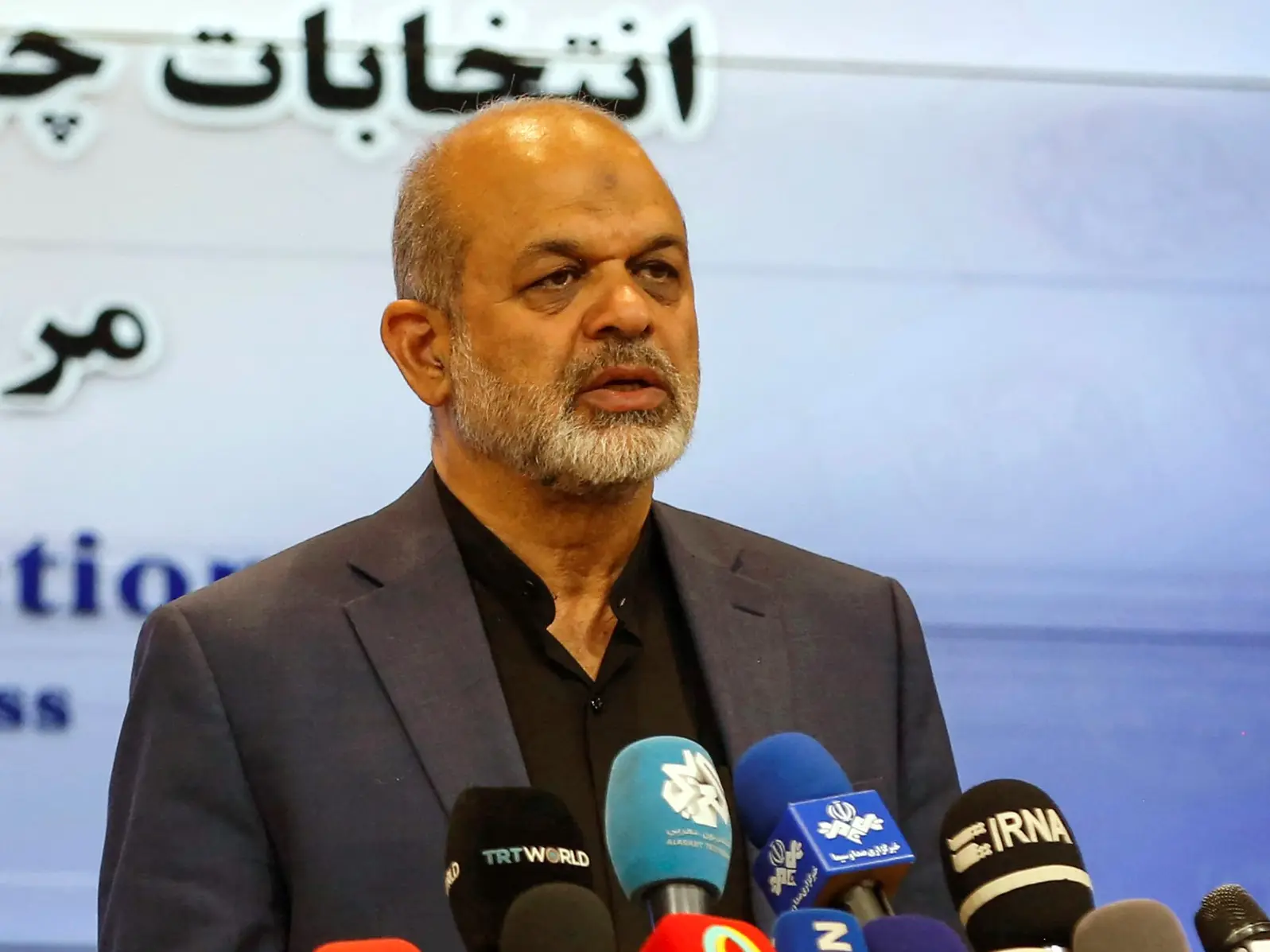
&imwidth=800&imheight=600&format=webp&quality=medium "Who is Ahmad Vahidi? Is IRGC chief shaping Iran’s war decisions? Here’s what we know")
US President Donald Trump has claimed that Iran’s government is “seriously fractured” amid the ongoing conflict involving the US and Israel, as he announced an extension of the ceasefire. He said Washington was allowing time for “their leaders and representatives” to reach a unified position, though he did not name specific figures in Tehran. However, developments within Iran suggest not a breakdown but a restructuring of power, with authority increasingly concentrated within a hardline military-security establishment. This shift is also being reflected in Tehran’s hesitation to proceed with a second round of talks.
Following initial negotiations in Islamabad, Iran’s Foreign Minister Abbas Araghchi had said the Strait of Hormuz would remain “completely open” and indicated possible flexibility on issues such as nuclear enrichment and regional alliances.
That position was quickly reversed. The negotiating team was recalled to Tehran, and state-run media criticised Araghchi, saying his remarks had allowed Trump to “declare himself the winner”. Soon after, Iran’s armed forces announced the Strait had been closed again, citing the continued US naval blockade.
Power shifting to security core
This shows a tightly coordinated system centred around the Islamic Revolutionary Guard Corps (IRGC), the Supreme National Security Council, and politically connected security figures. At the centre of this structure is IRGC chief Ahmad Vahidi, supported by senior official Mohammad Bagher Zolghadr. Experts argue that Iran’s governance model does not reflect a simple divide between civilian and military leadership. Instead, diplomacy and military strategy are closely intertwined within a unified system dominated by security institutions.
Trending Stories
&imwidth=180&imheight=135&format=webp&quality=medium)
‘Maybe play one more season’: MS Dhoni to decide on his IPL future before December
&imwidth=180&imheight=135&format=webp&quality=medium)
Telangana unveils AI avatar of IT minister D Sridhar Babu at Hyderabad DevFest 2026
&imwidth=180&imheight=135&format=webp&quality=medium)
Viral video shows cross falling on Colombia priest, no official confirmation | WATCH
&imwidth=180&imheight=135&format=webp&quality=medium)
Pezeshkian says Iranians ‘struggling to put food on the table’ as war with US drags on
&imwidth=180&imheight=135&format=webp&quality=medium)
Shilpa Rao’s performance cut short at Mumbai event, organisers react to backlash
&imwidth=180&imheight=135&format=webp&quality=medium)
Chorbagan stampede: A week later, the strangest visarjan Kolkata has seen
&imwidth=180&imheight=135&format=webp&quality=medium)
AI slop or smart strategy? South African author Coral Hart defends Her 370 AI- assisted books in 20 months
&imwidth=180&imheight=135&format=webp&quality=medium)
AI just found a flaw in software running most of the web! One request hijacks the server
&imwidth=180&imheight=135&format=webp&quality=medium)
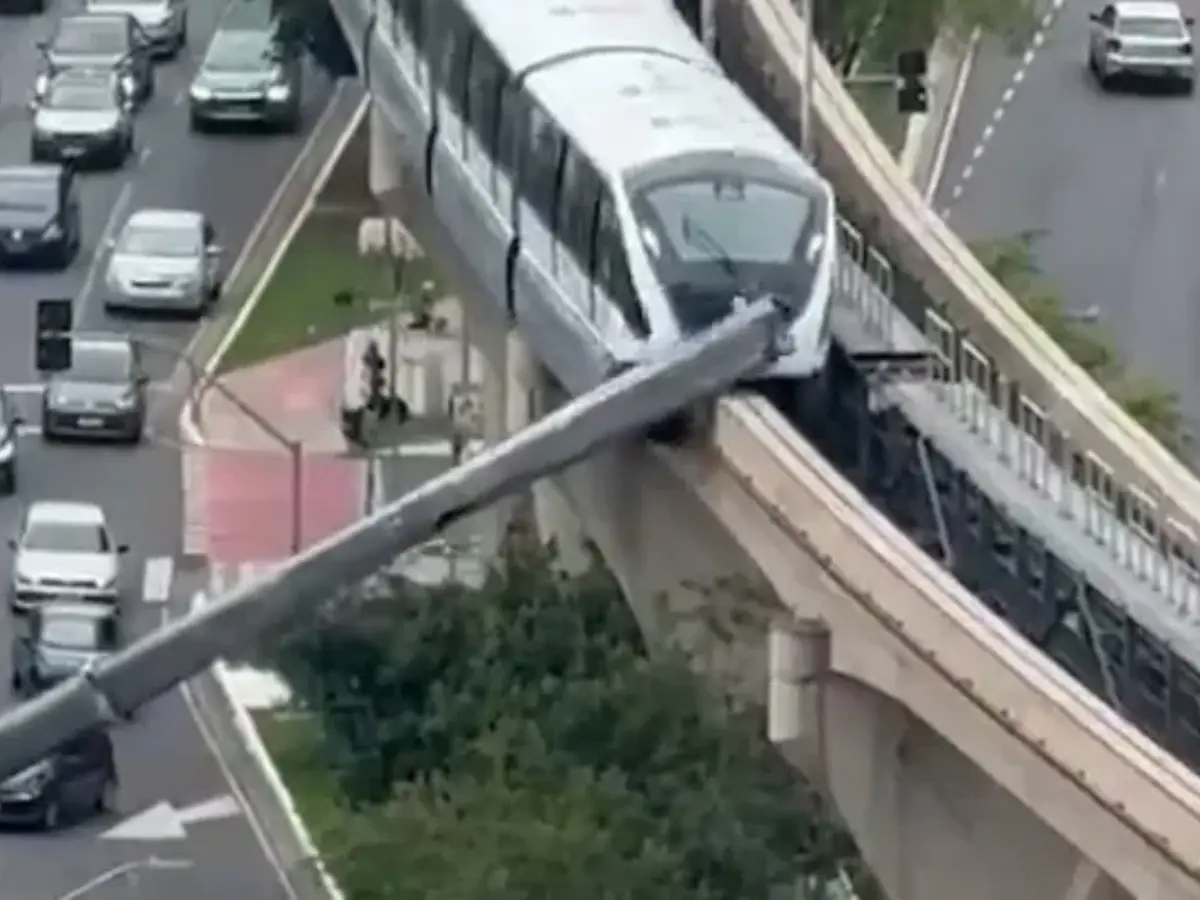
Train crashes into crane on São Paulo monorail line, wreckage falls onto busy road | VIDEO
&imwidth=180&imheight=135&format=webp&quality=medium)
Can Putin cheat death? All about his daughter’s billion-dollar quest for immortality
&imwidth=180&imheight=135&format=webp&quality=medium)
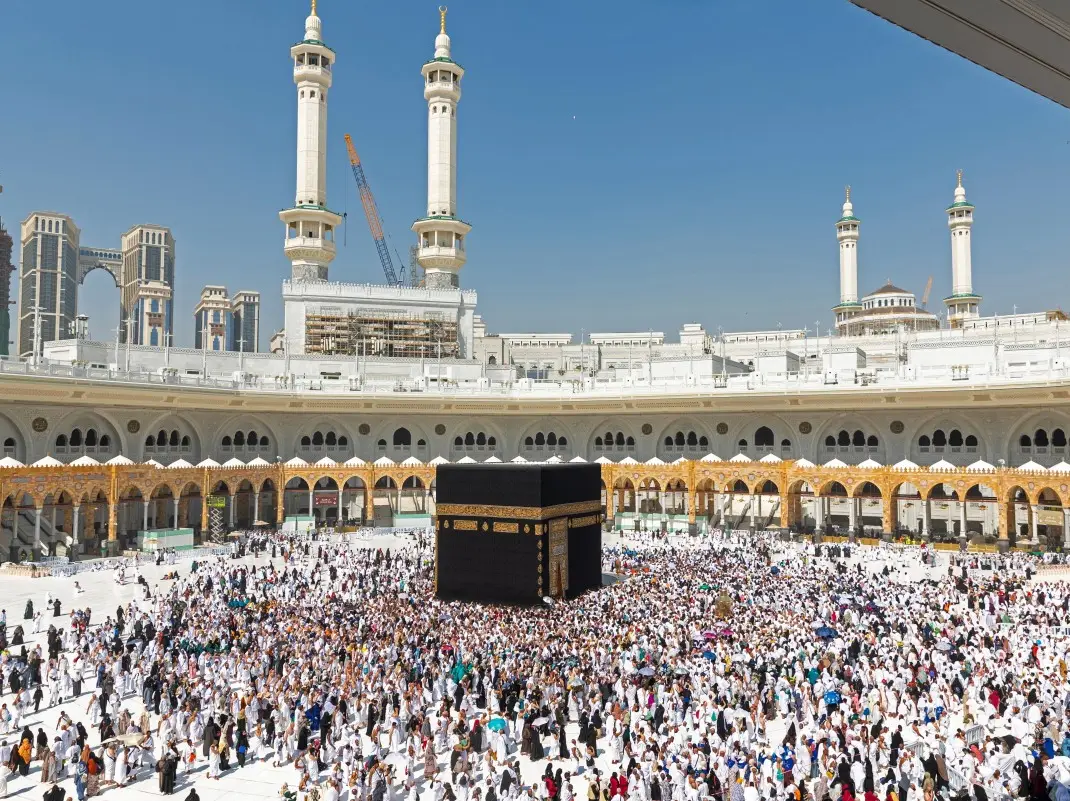
Saudi says debris fell in Mecca, Medina after missile interceptions; Houthis deny targeting holy cities
&imwidth=180&imheight=135&format=webp&quality=medium)
What was the note found inside bag of Class 12 student, who set herself on fire inside Delhi school?
&imwidth=180&imheight=135&format=webp&quality=medium)
Netanyahu warns Israelis of ‘existential threat’ from Iran, posts AI image of nuclear strike
&imwidth=180&imheight=135&format=webp&quality=medium)
Pakistan airline PIA unveils new crew uniforms, faces online criticism
&imwidth=180&imheight=135&format=webp&quality=medium)
Britain is building the world's first AI biosecurity lab, with OpenAI and Anthropic inside
&imwidth=180&imheight=135&format=webp&quality=medium)
J-20 designers plan to put radar into aircraft wing; strategy to expand coverage during air combat
&imwidth=180&imheight=135&format=webp&quality=medium)
Frontier AIs keep escaping their test cages! The industry still can't reliably stop them
&imwidth=180&imheight=135&format=webp&quality=medium)
'Already tired of his 9-to-5': Baby born with a moustache becomes internet sensation, video goes viral | Watch
&imwidth=180&imheight=135&format=webp&quality=medium)
France protests: 135 arrested, weapons seized as fresh demonstrations erupt amid heavy security
&imwidth=180&imheight=135&format=webp&quality=medium)
French Open: PV Sindhu storms into final with win over Hina Akechi
&imwidth=180&imheight=135&format=webp&quality=medium)
Russia-Ukraine drone attacks kill 6, injure 31 across both countries
&imwidth=180&imheight=135&format=webp&quality=medium)
‘Saddam Hussein opened a cheesecake factory’: Obama mocks Trump’s White House renovations; defends Abdul El-Sayed
&imwidth=180&imheight=135&format=webp&quality=medium)
China's dancing robot turns violent bodyguard, lifts cars and fights intruders - Watch
&imwidth=180&imheight=135&format=webp&quality=medium)
'You’re a horrible little reporter, aren’t you?': Trump snaps at NBC reporter questioning his support for Ramaswamy's campaign ad
&imwidth=180&imheight=135&format=webp&quality=medium)
'Killing people never allowed': Elon Musk admits restricting Starlink in Ukraine, explains why
&imwidth=180&imheight=135&format=webp&quality=medium)
Bodies of 2 missing Japanese climbers recovered from Himalayan peak
&im=FitAndFill=(700,400)&imwidth=180&imheight=135&format=webp&quality=medium)
New Friday OTT releases (October 23, 2026): Gajab Raat, Dorothy, Chaar Yaar- Watch these 6 new movies and TV shows on Netflix, Prime Video and more
&imwidth=180&imheight=135&format=webp&quality=medium)
An AI that reads your face can now estimate how long you have to live
&imwidth=180&imheight=135&format=webp&quality=medium)
'If it was up to me, it wouldn't have ended like this': James Anderson opens up on Lancashire exit
&imwidth=180&imheight=135&format=webp&quality=medium)
WATCH: Thousands across Manipur bang plates, beat drums in "noise protest"
&imwidth=180&imheight=135&format=webp&quality=medium)
NEET protests: Panel to hear evidence on pellet gun use, harassment
&imwidth=180&imheight=135&format=webp&quality=medium)
Tu Hai Meri Kiran film review: Sonakshi Sinha and Zaheer Iqbal's thriller gets tangled in its own twists
&imwidth=180&imheight=135&format=webp&quality=medium)
Nagpur man fails to pay rent, allegedly prints fake Rs 500 notes worth Rs 37 lakh
&imwidth=180&imheight=135&format=webp&quality=medium)
‘Modi ka baap bhi jayega,’ Kharge loses cool at party event in Patna; BJP slams him
&imwidth=180&imheight=135&format=webp&quality=medium)
Why Europe’s protests are about more than austerity and rising costs
&imwidth=180&imheight=135&format=webp&quality=medium)
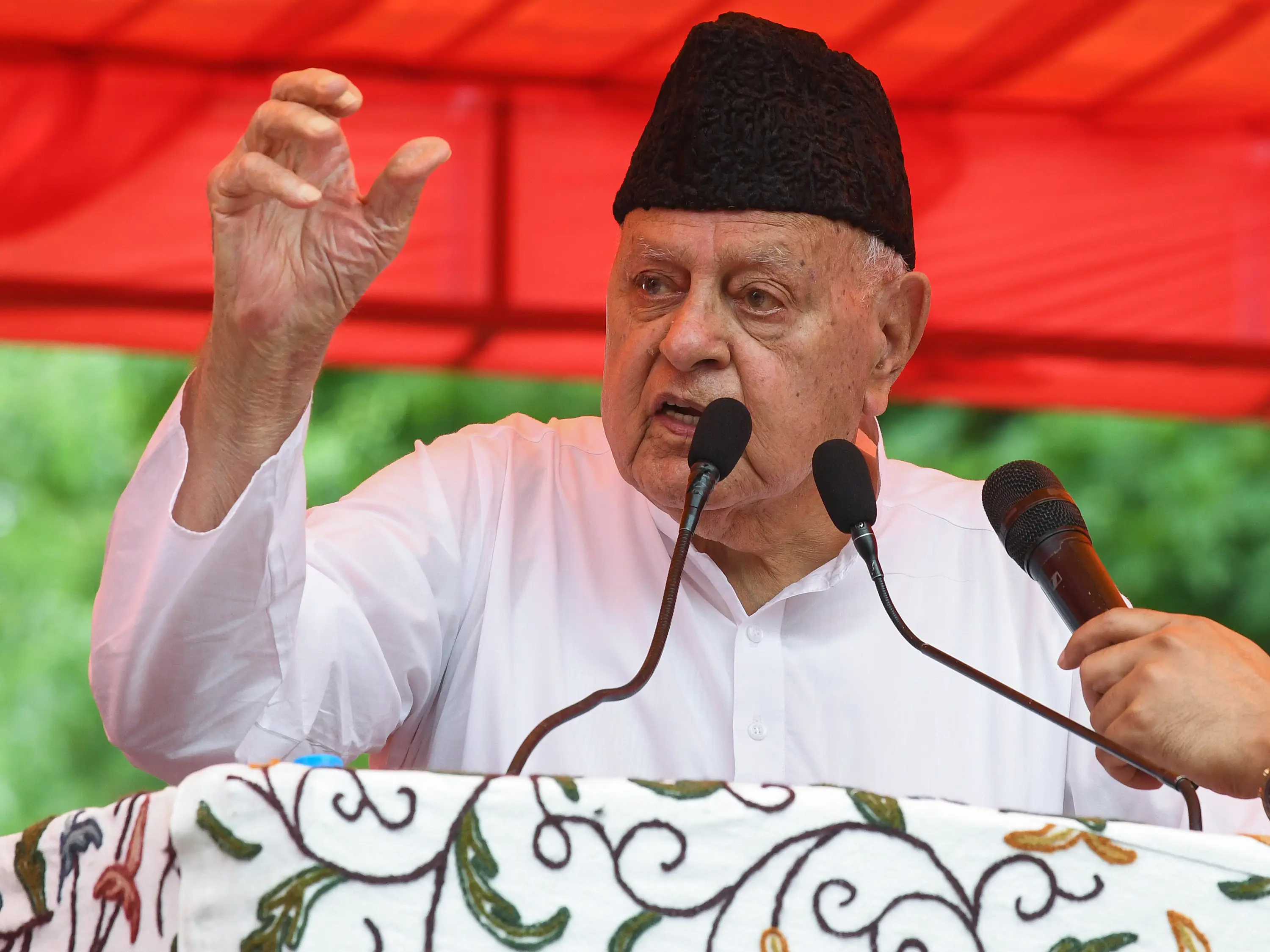
Farooq Abdullah says Pakistan’s raising of Kashmir issue keeps pressure on Delhi
The IRGC, formed after Iran’s 1979 revolution, has evolved from a protective force into the country’s most powerful institution. It now operates as a military, intelligence network, and economic actor, with influence across Lebanon, Iraq, Syria and Yemen through allied groups.
Its Basij force enforces domestic control, while the Quds Force oversees overseas operations. Analysts say years of sanctions and conflict have strengthened the IRGC, enabling it to build parallel structures that rival formal state institutions. As a result, Iran is increasingly described as a system where the military-security apparatus shapes policy, while civilian institutions implement it.
Ahmad Vahidi’s rise
At the centre of this shift is Vahidi, a founding member of the IRGC and former Quds Force commander, who has emerged as one of the most influential figures in Iran’s leadership. Elevated after his predecessor was killed early in the conflict, Vahidi is seen by analysts as representing the most hardline faction within the establishment. His influence extends beyond military operations into strategic decision-making, including ceasefire terms and escalation policies.
He has played a key role in developing Iran’s network of allied militias across West Asia, which form a central pillar of Tehran’s regional strategy. Vahidi also remains under sanctions from the US, the European Union and Canada over alleged links to terrorism and nuclear activities.

