WHO chief says 'Ebola can be stopped' as death toll crosses 200 in DR Congo

&imwidth=600&imheight=450&format=webp&quality=medium "WHO chief says 'Ebola can be stopped' as death toll crosses 200 in DR Congo")
WHO chief says 'Ebola can be stopped' as death toll crosses 200 in DR Congo Photograph: (AFP)
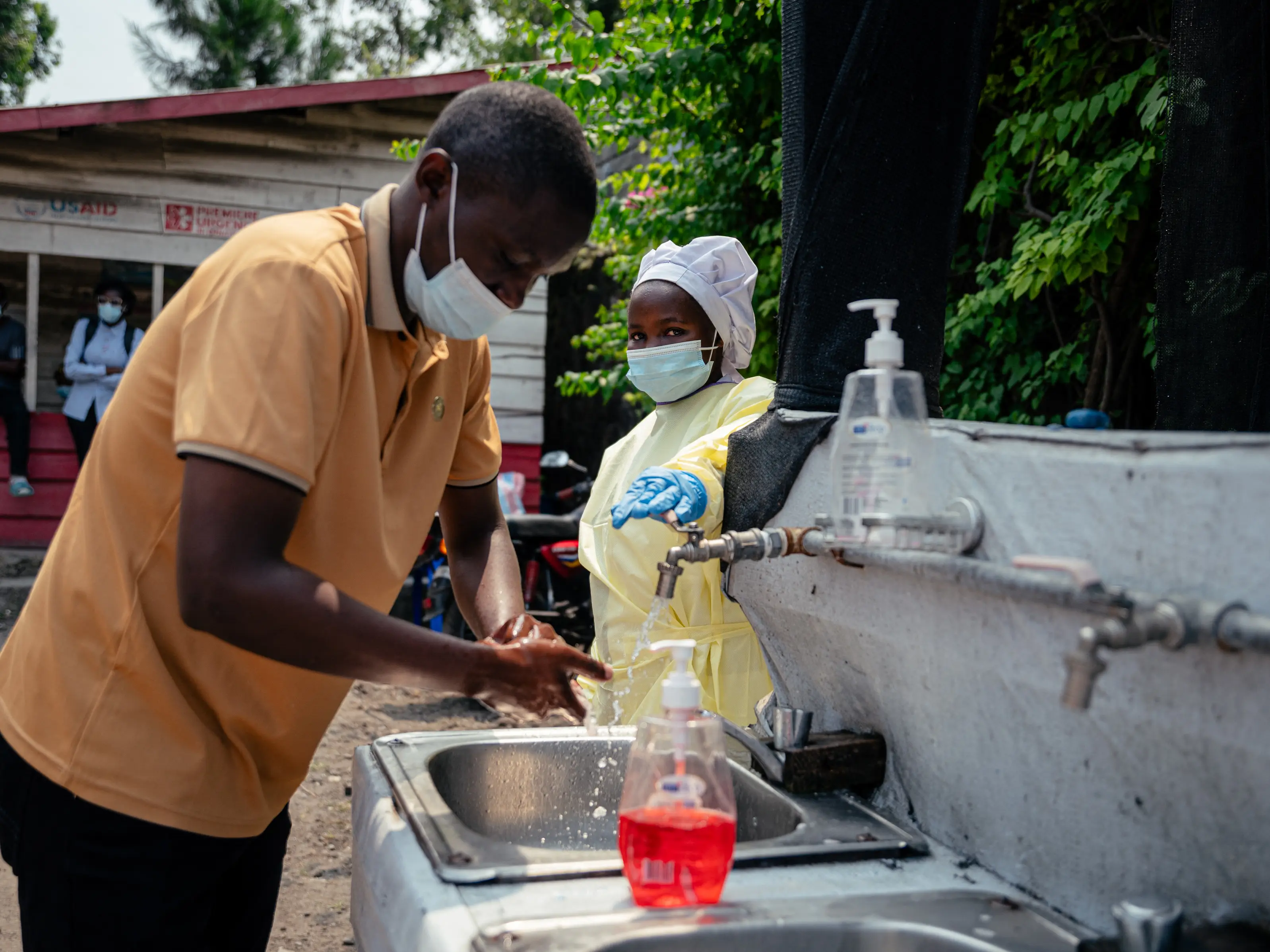
WHO chief Tedros says DR Congo’s Ebola outbreak ‘can be stopped’ as deaths cross 200 amid conflict and vaccine efforts
The head of the World Health Organisation (WHO), Tedros Adhanom Ghebreyesus, said on Thursday (May 28) that the Ebola outbreak in the Democratic Republic of Congo (DRC), which has already claimed more than 200 lives, can still be contained as he arrived in the country to oversee response efforts. Tedros landed in the capital Kinshasa on Thursday evening and is expected to travel to Ituri province on Friday, the epicentre of the outbreak in northeastern Congo. “That thing can be stopped,” Tedros said, while adding that the WHO does not support travel bans as a way to contain Ebola because they don't help much.
“Together, we will overcome this outbreak,” he said earlier, promising to do everything in my power to help you. According to the WHO’s latest figures up to May 24, the DRC has recorded 10 confirmed and 223 suspected Ebola deaths since the outbreak was declared on May 15. More than 1,000 confirmed and suspected cases have also been reported. Health officials believe the actual spread of the virus could be much wider, warning that the outbreak may have circulated undetected for some time before being identified.
This marks the 17th recorded Ebola outbreak in the vast Central African nation, home to more than 100 million people. Efforts to contain the outbreak have been complicated by ongoing violence in eastern Congo, a mineral-rich region plagued by armed conflict for decades. Rwanda-backed M23 rebels have seized large parts of territory since 2021, with fighting intensifying over the past 18 months. Tedros urged all sides involved in the conflict to halt the violence. “Conflict and displacement make everything harder,” he said. “I am making a direct appeal to all warring parties in this region: please, declare a ceasefire. “No cause, no conflict, no grievance is worth condemning innocent people to death from a preventable disease.”
Vaccine efforts underway
There is currently no approved vaccine or treatment for the Bundibugyo strain of Ebola responsible for the latest outbreak. However, the head of the Africa Centres for Disease Control and Prevention (Africa CDC), Jean Kaseya, said that a vaccine could be available before the end of 2026. “What we can tell you for sure, by the end of this year, 2026, Africa CDC will make sure that we have a vaccine and medicine against Bundibugyo,” Kaseya said during an online briefing. “Our leaders are ready to invest. We are investing at the technical level, at a strategic level, to make sure that (the vaccine) will happen,” he added. The WHO said 4.6 tonnes of aid had arrived in Bunia, the capital of Ituri province, while UNICEF is sending another 100 tonnes of humanitarian supplies to support the response.
Trending Stories
&im=FitAndFill=(700,400)&imwidth=280&imheight=210&format=webp&quality=medium)
&imwidth=280&imheight=210&format=webp&quality=medium)
&imwidth=280&imheight=210&format=webp&quality=medium)
&imwidth=280&imheight=210&format=webp&quality=medium)
&imwidth=280&imheight=210&format=webp&quality=medium)
&imwidth=280&imheight=210&format=webp&quality=medium)
&imwidth=280&imheight=210&format=webp&quality=medium)
&imwidth=280&imheight=210&format=webp&quality=medium)
&imwidth=280&imheight=210&format=webp&quality=medium)
&imwidth=280&imheight=210&format=webp&quality=medium)
&imwidth=280&imheight=210&format=webp&quality=medium)
&imwidth=280&imheight=210&format=webp&quality=medium)
&imwidth=280&imheight=210&format=webp&quality=medium)
&imwidth=280&imheight=210&format=webp&quality=medium)
&imwidth=280&imheight=210&format=webp&quality=medium)
&imwidth=280&imheight=210&format=webp&quality=medium)
&imwidth=280&imheight=210&format=webp&quality=medium)
&imwidth=280&imheight=210&format=webp&quality=medium)
&imwidth=280&imheight=210&format=webp&quality=medium)
&imwidth=280&imheight=210&format=webp&quality=medium)
&imwidth=280&imheight=210&format=webp&quality=medium)
&imwidth=280&imheight=210&format=webp&quality=medium)
&imwidth=280&imheight=210&format=webp&quality=medium)
&imwidth=280&imheight=210&format=webp&quality=medium)
&imwidth=280&imheight=210&format=webp&quality=medium)
&imwidth=280&imheight=210&format=webp&quality=medium)
&im=FitAndFill=(700,400)&imwidth=280&imheight=210&format=webp&quality=medium)
&im=FitAndFill=(700,400)&imwidth=280&imheight=210&format=webp&quality=medium)
&imwidth=280&imheight=210&format=webp&quality=medium)
&imwidth=280&imheight=210&format=webp&quality=medium)
&imwidth=280&imheight=210&format=webp&quality=medium)
&imwidth=280&imheight=210&format=webp&quality=medium)
&imwidth=280&imheight=210&format=webp&quality=medium)
&imwidth=280&imheight=210&format=webp&quality=medium)
&imwidth=280&imheight=210&format=webp&quality=medium)
&im=FitAndFill=(700,400)&imwidth=280&imheight=210&format=webp&quality=medium)
&imwidth=280&imheight=210&format=webp&quality=medium)
Regional and global precautions
Neighbouring Uganda, which has confirmed one Ebola-related death and six additional cases, announced the immediate closure of its border with the DRC. Meanwhile, the administration of Donald Trump said Ebola-infected individuals would not be allowed to enter the United States. US authorities are reportedly working to establish a treatment facility in Kenya for infected American citizens instead of bringing them back to the US for care, a strategy used during earlier Ebola outbreaks.
A Kenyan rights group has already challenged the plan in court, arguing that such a facility could place additional strain on the country’s already stretched healthcare system. The WHO also confirmed that its advisory groups have recommended clinical trials for vaccines and treatments that may prove effective against the Bundibugyo strain. The agency said it would coordinate with authorities in the DRC and Uganda to support further research and evaluation. Ebola has killed more than 15,000 people across Africa over the past five decades. The deadliest outbreak in Congo between 2018 and 2020 resulted in nearly 2,300 deaths from around 3,500 cases.

