'Axis of resistance' back as Houthis warn US: What is it and who are Iran's allies?

&imwidth=600&imheight=450&format=webp&quality=medium "'Axis of resistance' back as Houthis warn US: What is it and who are Iran's allies?")
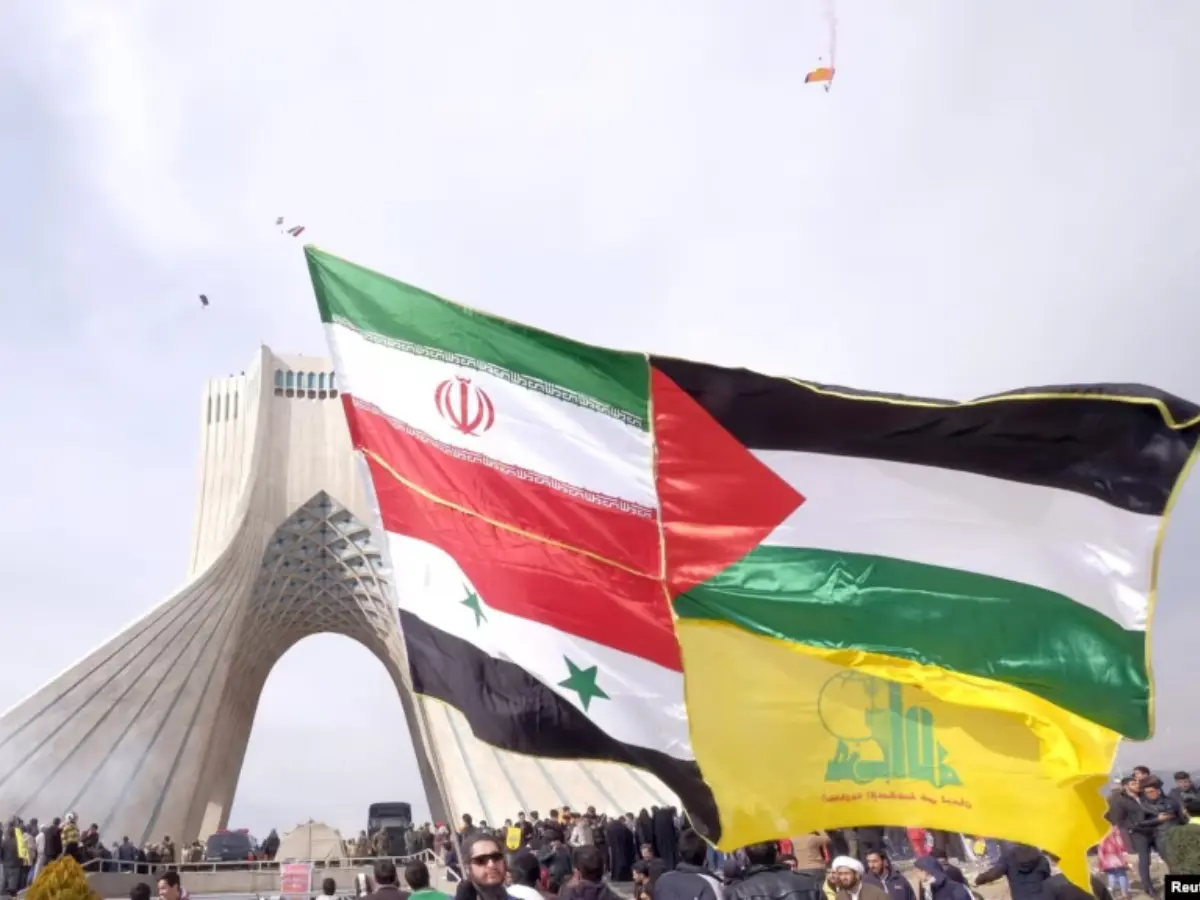
Image from 2016: Flags of Iran, Syria, the Palestinian territories and Hezbollah carried by a man, during a ceremony Photograph: (Reuters)
For decades, Iran has built up a network of militias that shared a hatred of Israel and America, and called them the ‘Axis of Resistance.’ Why is it silent now?
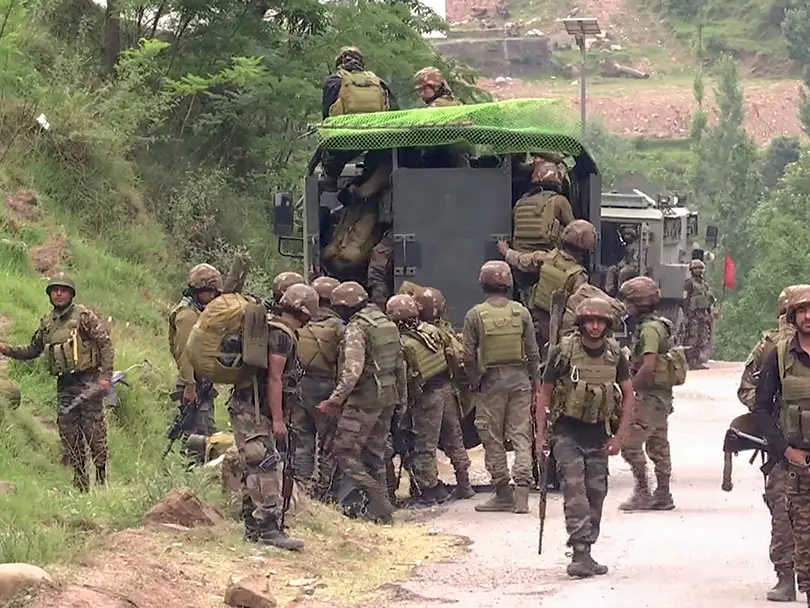
As the war between Iran and Israel escalates and Israel finds an unbreakable ally in the United States, a major question that hovers is - who are the allies of Iran? For decades, Iran has built up a network of militias that shared a hatred of Israel and America, and called them the ‘Axis of Resistance’, but the silence from the resistance forces amid the ongoing war with Israel has raised major questions about its existence and its power in the region. Led by Iran, the 'Axis of Resistance’ included now-gone Syria’s Assad regime, the Lebanese militant group Hezbollah, various Iraqi Shiite militias, the Yemeni Houthis, and Palestinian factions like Hamas and Islamic Jihad. Its members shared a strategic goal of challenging Western-aligned powers, supporting armed resistance movements, and expanding Iranian regional influence, particularly across the so-called “Shia Crescent” that stretches from Iran through Iraq and Syria to Lebanon. With the Assad regime gone in December last year and Hamas under severe blow due to the Israel-Gaza war, Iran finds itself on its own in West Asia.
Who were the members of ‘Axis of Resistance’?
Timeline of Axis of Resistance
The Axis of Resistance began to take shape in the early 2000s, particularly after the 2003 US invasion of Iraq, but its roots go back to 1980s.
- 1980s–1990s: Iran began building relationships with Shiite and anti-Israel groups like Hezbollah (founded in 1982 during the Israeli invasion of Lebanon). Iran also supported Palestinian groups opposed to Israel.
- 2000: Israel withdrew from southern Lebanon, with Hezbollah claiming it as a victory. This paved way for the idea of "resistance" through armed struggle.
- 2003: The US invaded Iraq, toppled Saddam Hussein and inadvertently empowered Shiite militias aligned with Iran. Iran expanded its influence in Iraq, forming ties with local Shiite groups.
- 2006: The term "Axis of Resistance" started being used more frequently after Hezbollah’s war with Israel, which was seen by Iran and its allies as a successful act of defiance.
- 2011: Iran, Hezbollah, and Iraqi militias intervened militarily to support Bashar al-Assad’s regime, turning Syria into a battlefield for the Axis as the Syrian Civil war began.
Who are the allies of Iran?
Trending Stories
)
)
)
)
)
)
)
)
)
)
)
)
)
)
)
)
)
)
)
)
)
)
)
)
)
)
)
&im=FitAndFill=(700,400))
)
)
)
)
)
)
)
)
&im=FitAndFill=(700,400))
)
)
With the powers of the Axis of Resistance almost invisible, Iran looks at several nations with which it has maintained close ties. Iran’s key global allies, Russia and China, have condemned Israel’s strikes. They have called for de-escalation from both sides. Russia warned the United States not to take military action against Iran. "We would like to particularly warn Washington against military intervention in the situation," Russian foreign ministry's spokeswoman Maria Zakharova told reporters. Similarly, speaking at a press briefing, Guo Jiakun, spokesman for the Chinese foreign affairs ministry, said any use of force from the US would be seen as an infringement of Iran's sovereignty and security.
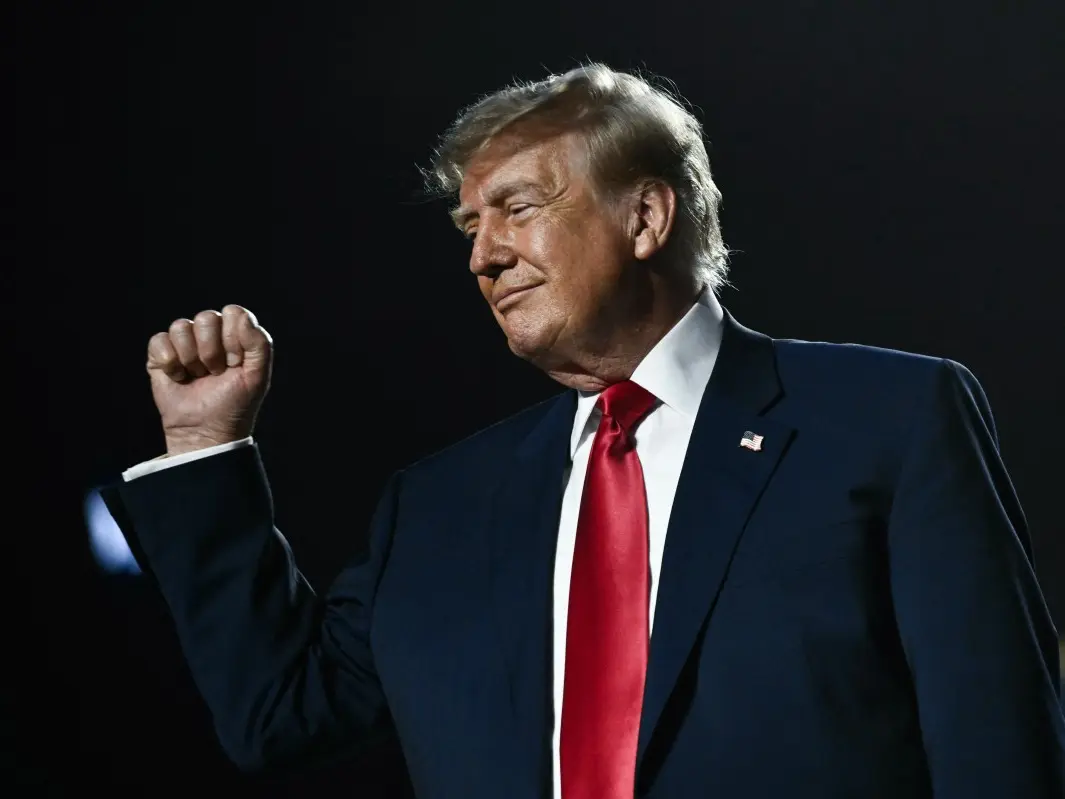
Another key Iranian ally - Pakistan - was quick to condemn the Israeli action. However, Pakistani Army Chief Asim Munir's meeting with US President Donald Trump raised concerns about Islamabad's intentions. Moreover, in a public statement, Pakistan denied receiving any request for "military assistance" from Iran while stressing that the Islamic Republic has the right to defend itself. "Pakistan's position on Iran is clear and transparent: We provide full moral support to Iran; we strongly condemn the aggression against Iran," Foreign Office spokesperson Shafqat Ali Khan said.
Other regional powers such as Saudi Arabia, Egypt, the United Arab Emirates and Turkey might have slammed Israel, but will not solely support Iran because of their ties with the US.
Disclaimer: WION takes utmost care to accurately and responsibly report ongoing developments in the Israel-Iran conflict. In this context, claims and counterclaims are being made online and offline. However, we cannot independently verify the authenticity of all statements, photos, and videos.

