What is Tehreek-e-Labbaik Pakistan? Why Pakistan government fears its protests and why it imposed an internet ban

&imwidth=600&imheight=450&format=webp&quality=medium "What is Tehreek-e-Labbaik Pakistan? Why Pakistan government fears its protests and why it imposed an internet ban")
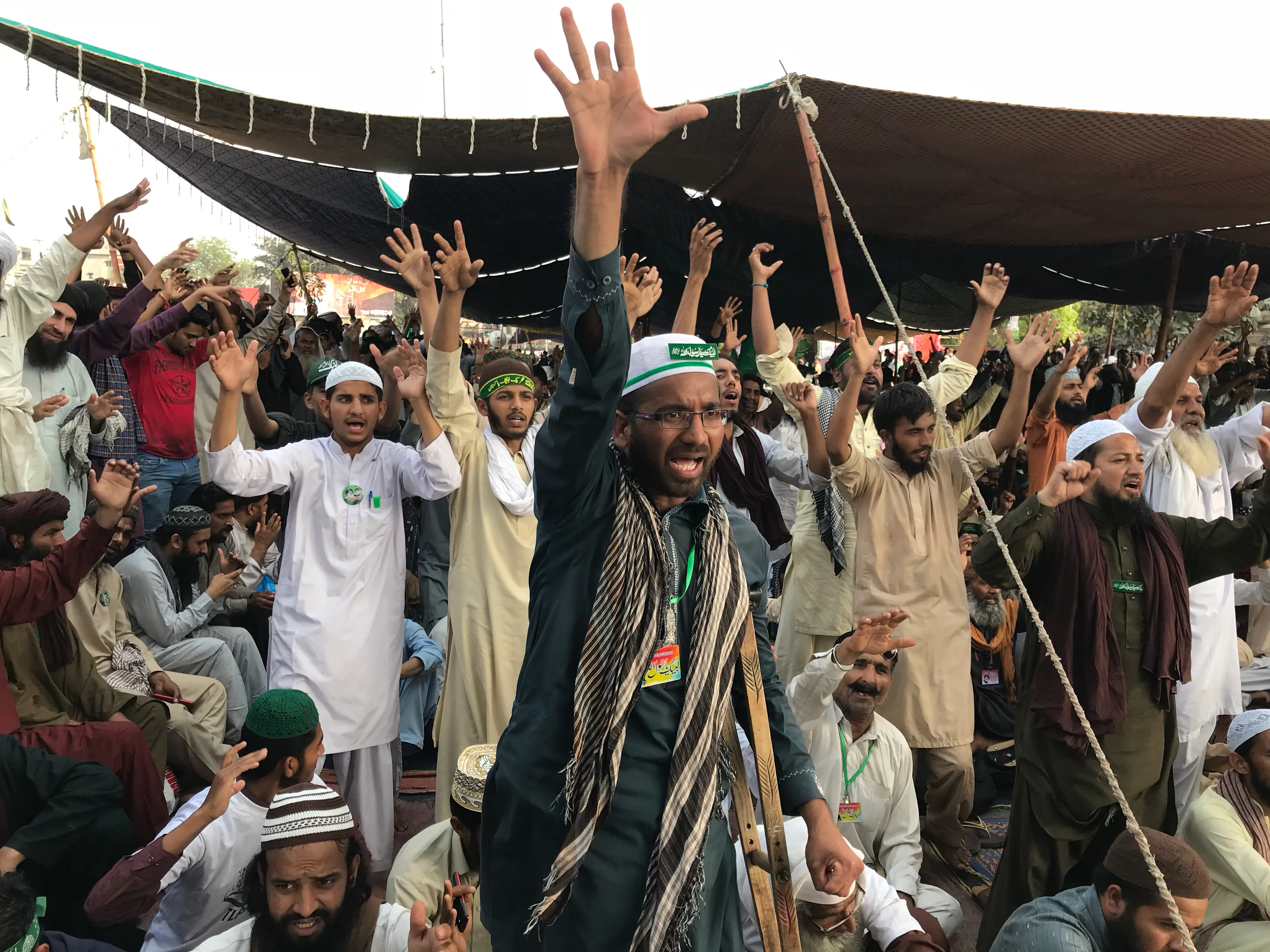
A past protest by Tehreek-e-Labbaik in Lahore. TLP is a violent Islamist group Photograph: (Others)
Tehreek-e-Labbaik Pakistan is a potent and volatile Islamist force in Pakistan, known for its hardline religious ideology and history of violent protests. The government’s preemptive crackdown reflects fears of another destabilising outbreak of violence
Pakistani authorities have taken the extraordinary step of indefinitely suspending mobile internet services in capital Islamabad and Rawalpindi amid fears of widespread unrest during the “Labbaik Ya Aqsa Million March” called by the far-right Islamist group Tehreek-e-Labbaik Pakistan, or TLP. Besides internet blackouts, major roads were reportedly sealed. The Red Zone, home to government offices and foreign embassies, was barricaded. A ban is in place on public gatherings in Rawalpindi until Saturday (Oct 11). The harsh clampdown is a sign of the government’s deep fears about TLP’s ability to mobilise tens of thousands of followers and provoke violent confrontations with law enforcement, as it has done in the past.
What is Tehreek-e-Labbaik Pakistan?
Tehreek-e-Labbaik Pakistan is an Islamist political and militant group founded in 2015 by the late cleric Khadim Hussain Rizvi. Based on the Barelvi Sunni tradition, TLP is notorious for its extreme stance on Pakistan’s blasphemy laws. It has often taken uncompromising positions on issues perceived to offend Islam, often resorting to violence, lynching and mob justice.
TLP first made national headlines in 2017, with massive protests that paralysed Islamabad for weeks. That movement was triggered by the government’s refusal to arrest a minister accused of blasphemy. The demonstration led to a political crisis, and the Pakistani military eventually mediated a deal to end it. This showed the group’s ability to mobilise thousands of supporters and disrupt public life.
Since then, TLP has led several violent protests, often resulting in deaths. In 2021, it held demonstrations against French and Danish embassies in protest against cartoons of the Prophet Muhammad. Those protests resulted in clashes that killed more than 20 people, mostly police officers. Due to its violent tactics and extremist rhetoric, the United States designated TLP a terrorist organisation in 2019. It was later delisted in 2021. Although the Pakistani government has banned TLP twice, it has struggled to contain its influence.
Trending Stories
)
)
)
&im=FitAndFill=(700,400))
)
)
)
&im=FitAndFill=(700,400))
)
)
&im=FitAndFill=(700,400))
)
)
)
)
)
)
)
&im=FitAndFill=(700,400))
)
)
&im=FitAndFill=(700,400))
)
)
)
)
)
)
)
)
)
)
)
)
)
)
What is TLP protesting now?
The new unrest is linked to the group’s vehement support for the Palestinian cause and opposition to Israel’s actions in Gaza, along with condemnation of US backing for Israel. TLP called for a “Labbaik Ya Aqsa Million March” on Friday to show solidarity with Palestinians and pressure the Pakistani government to take a harder stance.
Clashes in Lahore on Thursday between TLP activists and police injured dozens, and over 150 TLP members were arrested across Pakistan. The government imposed Section 144, shut down internet access, and sealed off sensitive areas.
Why do Pakistani governments fear TLP?
TLP protests in the past have paralysed cities. Their demonstrations often involve thousands of followers, many of whom are highly motivated by religious fervour and willing to confront security forces aggressively, leading to direct street battles. TLP-led protests can quickly turn deadly and destabilise urban centres, making them a severe public order challenge.
The group is politically active too, having won seats in provincial elections. Outlawing or suppressing TLP is therefore not a simple option for the government. TLP’s base remains loyal despite the bans and restrictions. The current TLP leader, Saad Hussain Rizvi, the son of the founder, continues to rally supporters around anti-Western and pro-Palestinian issues.