
&imwidth=800&imheight=600&format=webp&quality=medium "What is July Charter? What’s next for Bangladesh as voters say yes to constitution reforms")
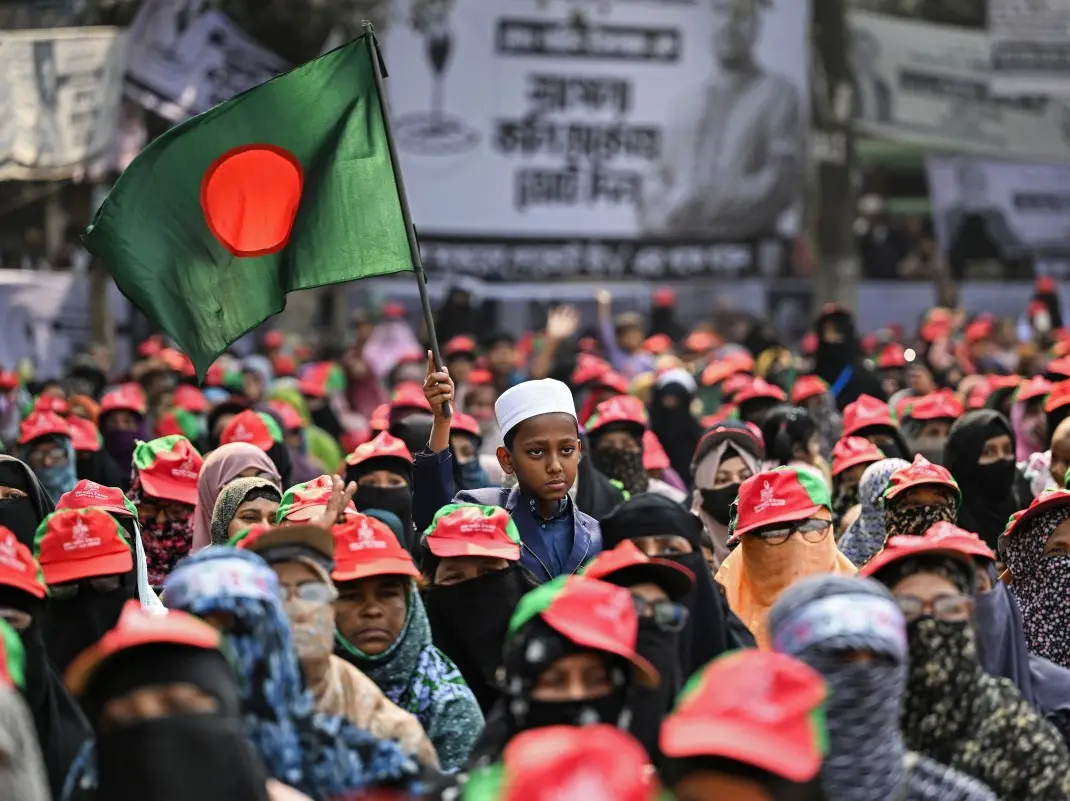
On Thursday (Feb 12), Tarique Rahman's Bangladesh Nationalist Party (BNP) secured a landslide victory in the national election. Apart from choosing the next government, the voters also gave their mandate for reforms in a national referendum - the July National Charter. As per the Bangladesh election commission, the referendum saw voter turnout of 60.26 per cent and the “yes” vote won a clear majority. Akhtar Ahmed, senior secretary of Bangladesh’s election commission, during a press conference, said that the official figures, 4,80,74,429 people voted “yes” in the referendum, while 2,25,65,627 voters went for “no”.
What's July Charter?
The July National Charter 2025 is a proposed constitutional reform package to decide what changes to make in the constitution of the country. The charter was made after the ouster of Sheikh Hasina in August 2024. The proposed reform package talks about several reforms for good governance, democracy, and social justice through institutional reforms, so as to avoid "recurrence of authoritarian and fascist rule", reported news agency Reuters. Now, after getting a "yes" for the adoption of the July Charter, a Constitutional Reform Council will execute the reforms within 180 working days of its first session.

Key reforms
In the July Charter, which was named after the July uprising in 2024 leading to the ouster of Hasina, a key reform is the creation of an upper house with 100 seats, which will be allocated in accordance with each party’s national voter share. It also mentions putting a limit to the number of terms a prime minister can have, more representation of women in the parliament, election of opposition leaders as deputy speaker and parliamentary committee chairs, and enhanced powers of the President.
Trending Stories
)
Did Iran President Pezeshkian touch feet of Hindu spiritual leader at Delhi event as shown in viral video?
)
Why does your skin need protection from UV rays?
)
PM Modi and China's Xi offered to help resolve Russia-Ukraine war: Kremlin
)
'He is popular...': Malaysian PM Anwar Ibrahim's praise for PM Modi during bilateral meeting | WATCH
)
Trump says Canada eager to reach a deal, it could come ‘fairly soon’ if Ottawa treats US farmers better
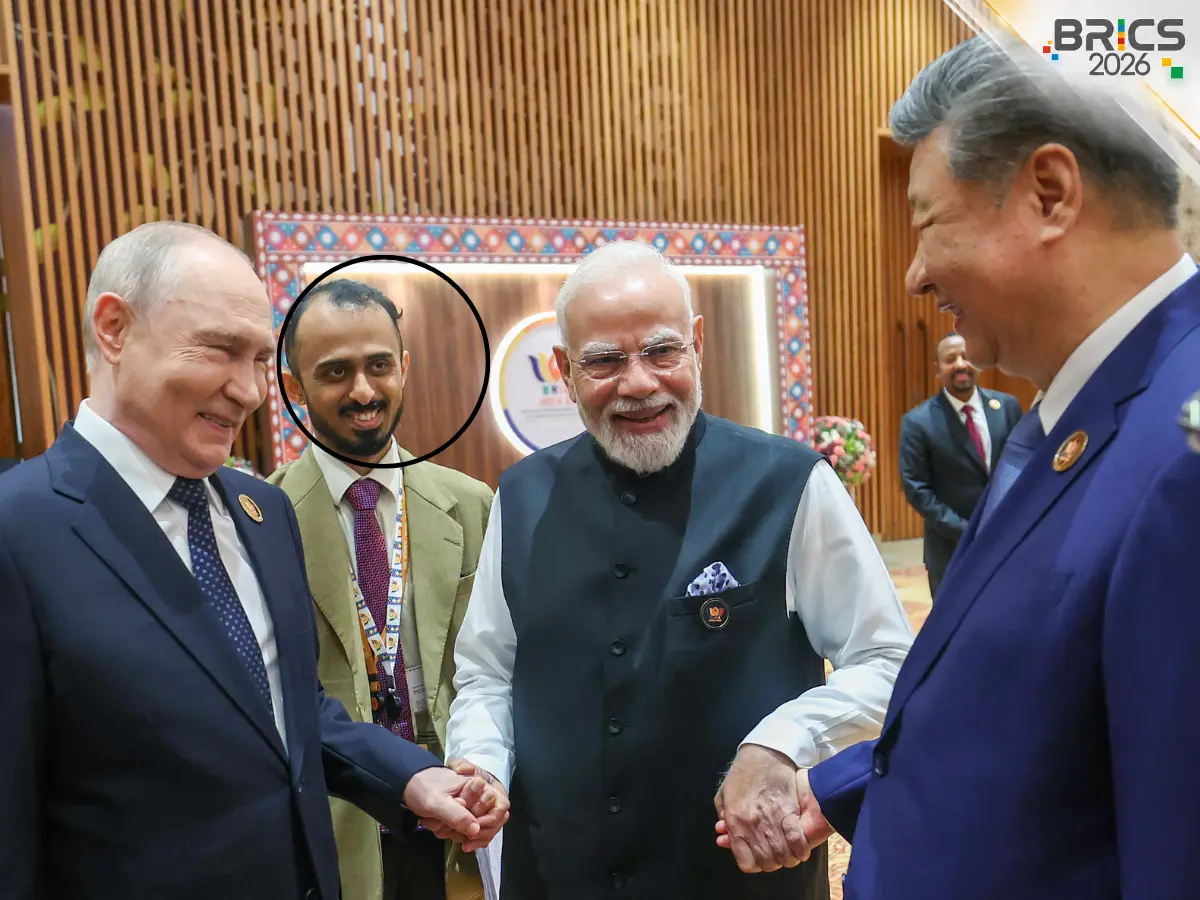)
Who is the smiling man beside Modi, Putin and Xi at BRICS Summit 2026?
)
From severe mobility problems to recovery: Madhuri the elephant’s journey of wildlife care
)
Humans may lose control of AI: Anthropic CEO calls for slowdown, Altman, Musk back him
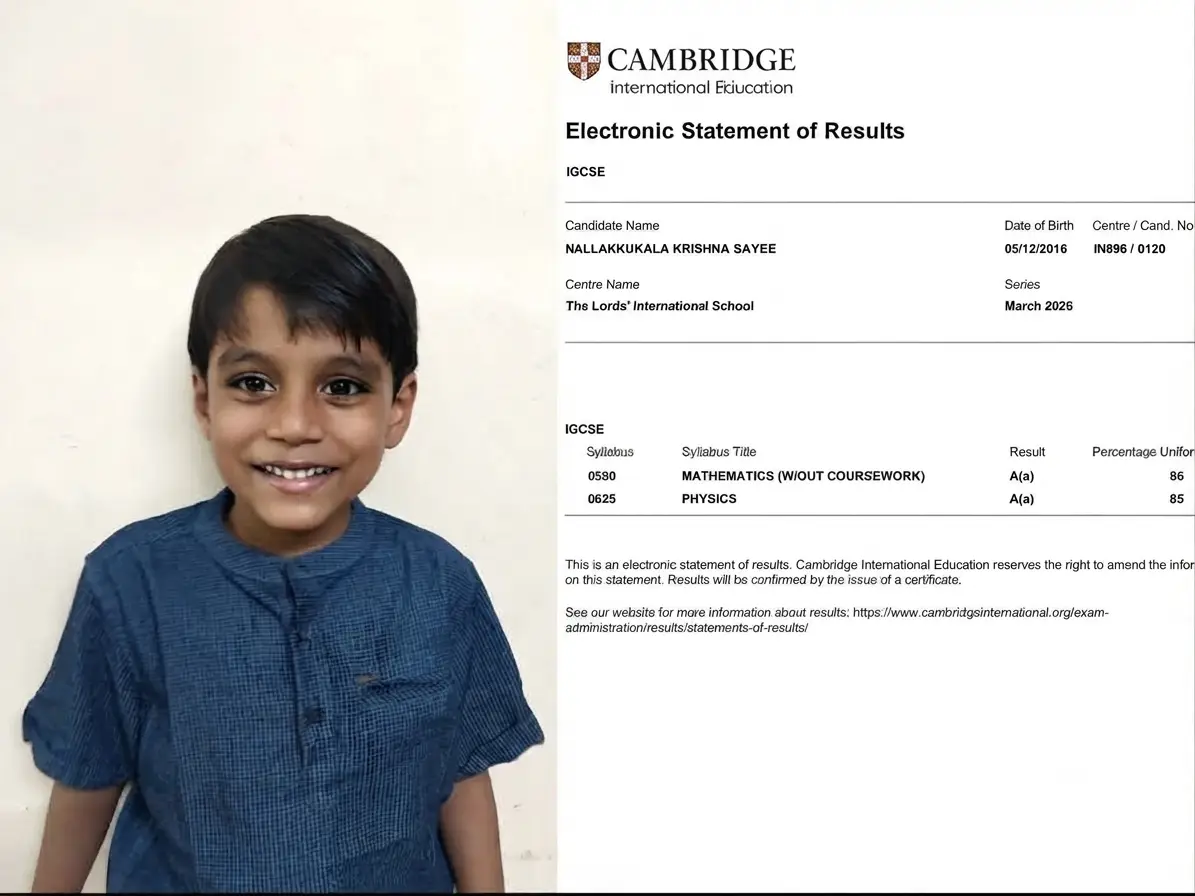)
9-year-old Chennai prodigy clears Cambridge IGCSE grade 10 exams
)
'Iran won't surrender': Pezeshkian sends blunt message to US while attending BRICS Summit in India
)
Why going digital does not always mean becoming more efficient
)
BRICS Summit 2026: Iran's Pezeshkian praises PM Modi at BRICS
)
BRICS Summit day 1: New Delhi declaration adopted with full consensus, big diplomatic win for India
)
Why do wild animals need quiet places to survive?
)
Ramanathaswamy temple takes centre stage as PM Modi welcomes world leaders at BRICS
)
Bigg Boss 20: Qazi Touqeer gets a special ‘rockstar’ moment from Salman Khan
)
How does the loss of forests affect the way wildlife lives and moves?
)
BRICS Summit 2026: 30+ countries seek BRICS membership
)
BRICS Summit 2026: Chinese president Xi Jinping departs from New Delhi after attending BRICS summit
)
BRICS Summit 2026: PM Modi to hold bilateral with leaders of seven countries
)
‘Partners, not rivals’: Xi outlines four point plan for stronger India-China ties
)
BRICS Summit 2026: Global leaders of BRICS nations attend main open session
&im=FitAndFill=(700,400))
Why do air defence missiles explode near their target instead of hitting it?
)
IND vs AFG, 1st T20I: When and where to watch live streaming in India?
)
Frustrated man demolishes his kitchen after thousands flock to see Mother Mary his wife spotted on the wall
)
BRICS Summit 2026: PM Modi addresses Day 2 of 18th BRICS summit
)
Top 5 places to visit in Goa beyond its famous beaches
)
Why does your body need time to adjust after a long journey?
)
Why dehydration is the hidden cause of travel fatigue on long flights
)
Delhi Capitals set to appoint Chaminda Vaas as fast bowling coach
&im=FitAndFill=(700,400))
Why Chinese PL-15 air-to-air missiles use dual-pulse motors compared to European interceptors
)
BRICS Summit 2026: PM Modi, Xi reach key consensus on ties, China to assume BRICS chairmanship in 2027
)
Could staying indoors all day affect your health?
)
800 million years old - Scientists discover 'fingerprints' of supercontinent Gondwana in ancient rocks
)
Why asking questions could be more important than memorising answers
)
Osama Bin Laden ‘planned’ to target India, CIA reveals dozens of declassified documents
)
BRICS rejects EU carbon tax as ‘punitive’, ‘discriminatory’; warns of burden on Global South

