

&imwidth=800&imheight=600&format=webp&quality=medium "US used 850 Tomahawk missiles in Iran war so far and the burn rate is worrying some Pentagon officials, says report, because…")
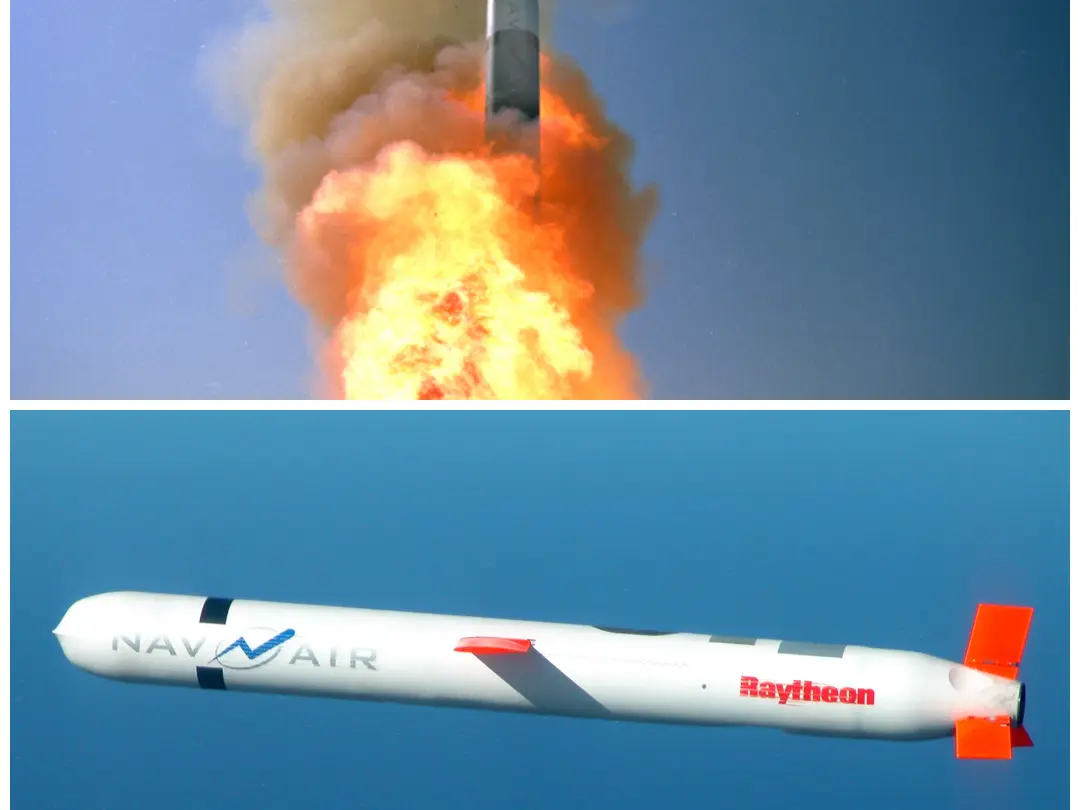
The Washington Post claimed in a report that the US has fired more than 850 Tomahawk cruise missiles in the first four weeks of the war in Iran, raising concerns inside the Pentagon about the supply of these precision weapons. Within days of Operation Epic Fury, which started on February 28, US Navy destroyers and submarines launched hundreds of these missiles against Iranian targets. By late March, the count had crossed 850, marking one of the most intensive uses of these long-range cruise missiles in recent US military history, according to the report.
Tomahawk missiles: A core part of US naval power
The US, the report said, is “burning through the precision weapons at a rate that has alarmed some Pentagon officials and prompted internal discussions about how to make more available.”
Tomahawks can strike targets from long distances without exposing pilots or aircraft. But these complex weapons are expensive and not quickly replaceable.
The report cited officials familiar with internal discussions as saying that the current burn rate is “alarming”.
Trending Stories
&imwidth=180&imheight=135&format=webp&quality=medium)
Pakistan to head IMF, World Bank boards after 74 years amid persistent economic crisis
&imwidth=180&imheight=135&format=webp&quality=medium)
'We are not sitting in ivory towers, we are aware': SC issues notice to Rahul Gandhi, Akhilesh Yadav
&imwidth=180&imheight=135&format=webp&quality=medium)
Group's fibre-optic drones pose new challenge for Israel
&imwidth=180&imheight=135&format=webp&quality=medium)
IND-W vs ZIM-W, 1st T20I: Deepti Sharma, Niki Prasad shine as India beat Zimbabwe by four wickets
&imwidth=180&imheight=135&format=webp&quality=medium)
CJP's Tiranga march: People hit streets of Delhi again, reiterate call for Gyanesh Kumar's resignation
&imwidth=180&imheight=135&format=webp&quality=medium)
US midterms 2026: Ken Paxton may have Elon Musk to thank if he wins the Texas Senate race. Here's why
&imwidth=180&imheight=135&format=webp&quality=medium)
Trump invokes national interest to waive new Russia sanctions, tariffs; India gets relief from 100% tariff threat
&imwidth=180&imheight=135&format=webp&quality=medium)
Ankita Bhandari murder case: Parents meet CBI, seek impartial investigation
&imwidth=180&imheight=135&format=webp&quality=medium)
US budget deficit nears $2 trn as tariff refunds rise; debt crosses $40 trn
&imwidth=180&imheight=135&format=webp&quality=medium)
Gravitas | Iran threatens to hit key bridges in 7 countries if US resumes strikes
&imwidth=180&imheight=135&format=webp&quality=medium)
Ukraine drone strike disrupts 22 Russian airports, over 200 flights

Not Khan but Pal: Why did Imran Khan choose his mother's surname over his father's? Family tree explained
&imwidth=180&imheight=135&format=webp&quality=medium)
Did Trump just fire Katie Zacharia as his new press secretary? Here’s what he said
&imwidth=180&imheight=135&format=webp&quality=medium)
A secret code, a midnight escape and 300 deaths: The Russian officer who turned on Putin
&imwidth=180&imheight=135&format=webp&quality=medium)
Oregon school shooting: 16-year-old shooter identified, used shotgun bought by mother; Trump praises bystander who shot gunman as 'great hero'
&imwidth=180&imheight=135&format=webp&quality=medium)
After ODIs, T20Is and Tests, cricket set to introduce a new format: All you need to know
&imwidth=180&imheight=135&format=webp&quality=medium)
China tells Israel to stop West Bank settlements, calls Palestine issue ‘historic injustice’
&imwidth=180&imheight=135&format=webp&quality=medium)
‘My president, I mean my husband’: Trump's new press secretary Katie Zacharia's first briefing goes off the rails in 14 minutes
&imwidth=180&imheight=135&format=webp&quality=medium)
China responds to Trump's Press Secretary Katie Zacharia after toilet remark: 'Visit China more often'
&im=FitAndFill=(700,400)&imwidth=180&imheight=135&format=webp&quality=medium)
Who left the White House podium the fastest? Press secretaries with the shortest stints
&imwidth=180&imheight=135&format=webp&quality=medium)
Vijay Deverakonda and Rashmika Mandanna's Ranabaali X Review: Netizens call it history-rich but overstuffed
&imwidth=180&imheight=135&format=webp&quality=medium)
Israel examines Russia's Shahed-type drones sent by Ukraine to combat Iran | Gravitas
&imwidth=180&imheight=135&format=webp&quality=medium)
US midterms 2026: Alexandria Ocasio-Cortez donates $1 million to Abdul El-Sayed’s as Michigan race heats up
&imwidth=180&imheight=135&format=webp&quality=medium)
Here’s who is eyeing the White House press secretary role after Katie Zacharia’s exit
&imwidth=180&imheight=135&format=webp&quality=medium)
BCCI names India’s ODI squad for New Zealand tour, Gill and Iyer to share captaincy
&imwidth=180&imheight=135&format=webp&quality=medium)
Abhishek Sharma sets all-time record for most T20I sixes in a year
&imwidth=180&imheight=135&format=webp&quality=medium)
US midterms 2026: Dan Sullivan’s ‘gotcha’ attempt backfires against Mary Peltola in fiery Alaska Senate debate
&im=FitAndFill=(700,400)&imwidth=180&imheight=135&format=webp&quality=medium)
Inside Tesla's Roadster: 10 features of Elon Musk's 'flying car' that push the limits of electric vehicles | In Pics
&imwidth=180&imheight=135&format=webp&quality=medium)
India’s naval priorities: Ex-Navy Chief calls for third aircraft carrier, more warships and submarines
&imwidth=180&imheight=135&format=webp&quality=medium)
Starlink says 'ready to connect India with high-speed internet' amid Reliance row
&imwidth=180&imheight=135&format=webp&quality=medium)
Selma Blair’s team responds to flight incident, says actress ‘did not intend to harm anyone’
&imwidth=180&imheight=135&format=webp&quality=medium)
India's Gen Z rebellion: Can the 'Lehra Do Tiranga' movement reshape the political order? | The Verdict
&im=FitAndFill=(700,400)&imwidth=180&imheight=135&format=webp&quality=medium)
Salman Khan-Karisma Kapoor reunion at Koffee with Karan season 9 sparks nostalgia: A look at their most loved films
&imwidth=180&imheight=135&format=webp&quality=medium)
Delhi police places CJP's Abhijeet Dipke under preventive arrest over breach of peace, AISA Chief Neha Bora released
&im=FitAndFill=(700,400)&imwidth=180&imheight=135&format=webp&quality=medium)
New Friday OTT releases (October 16, 2026): DC, Sacrifice, Aasha- 6 new movies and TV shows coming on Netflix, Zee 5, Prime Video and more
&imwidth=180&imheight=135&format=webp&quality=medium)
Iran rejects Saudi allegations of backing Houthi attacks, renews mediation offer
Given how quickly they are being depleted, stockpiles built over years could shrink in weeks.
Independent defence estimates suggest the US had roughly 4,000 to 4,150 Tomahawk missiles in its operational inventory before the conflict intensified.
In the opening 72 hours of the war alone, about 400 of these missiles were fired, which is nearly 10 per cent of the total stockpile.
A costly missile: Replenishment of Tomahawks is not immediate
Each Tomahawk can cost over $1 million, according to reports.
Tomahawk manufacturer Raytheon has historically produced these missiles at relatively low annual rates of around 90.
Production is now being ramped up to around 1,000 per year, according to reports, but scaling to meet wartime demand could still take years.
Heavy use of Tomahawks could limit America’s options
Tomahawks are designed for high-value targets in the early phases of conflict.
Relying heavily on them may limit options later, forcing the military to either shift tactics or use less precise alternatives.
Disclaimer: WION takes utmost care to accurately and responsibly report ongoing conflicts in West Asia involving Israel, Iran, US, Gulf nations and non-state actors like Hezbollah, Hamas, Houthis, Islamic State, and others. Claims and counterclaims, disinformation and misinformation are being made online and offline. Given this context, WION cannot independently verify the authenticity of all statements, social media posts, photos and videos.

