The cruise missile behind Iran strikes: What made Tomahawk missiles the US’s first-strike weapon in Iran?

They are particularly effective against fixed targets such as ballistic missile production facilities, Islamic Revolutionary Guard Corps headquarters and air-defence installations.
Opening salvo in strikes on Iran
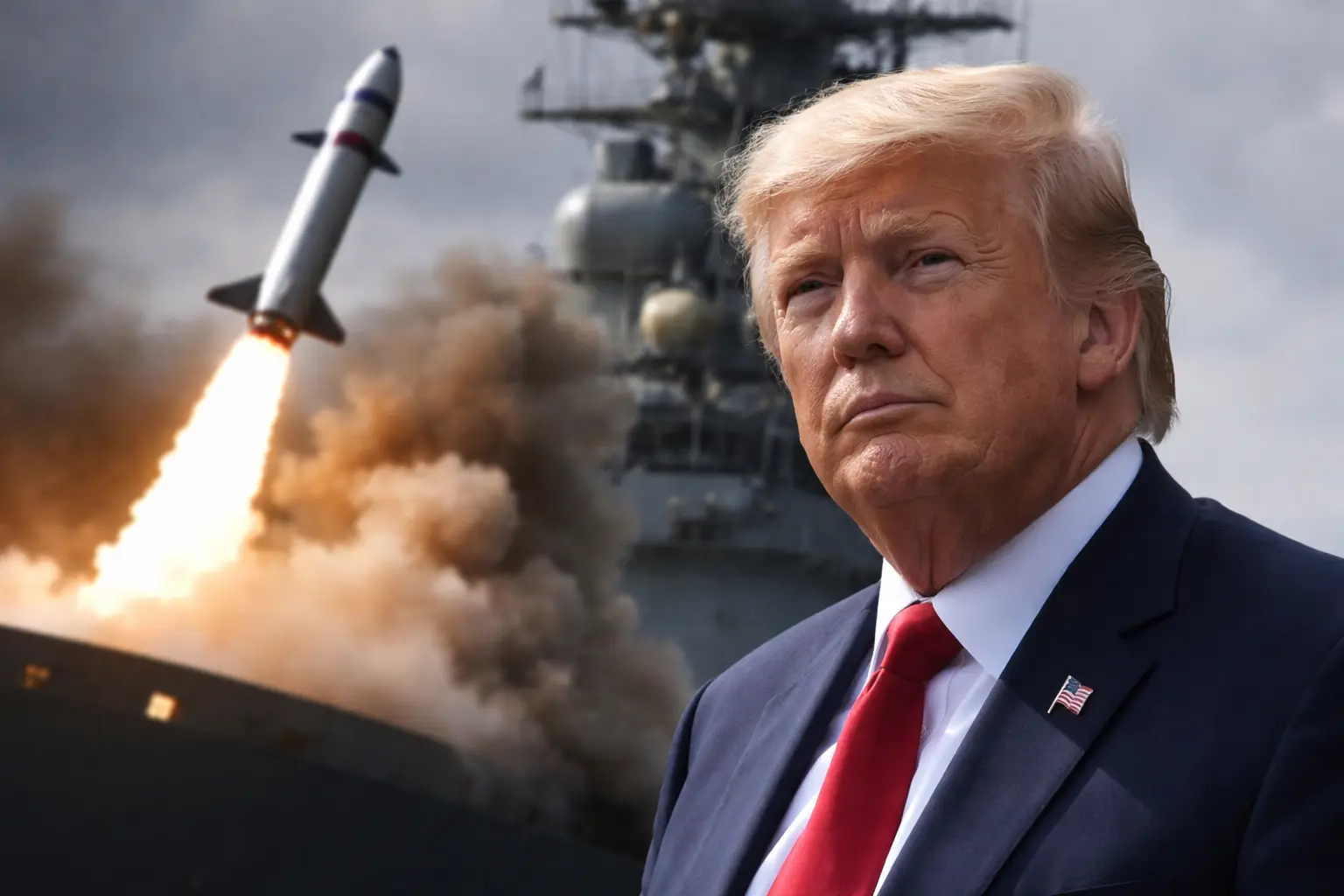
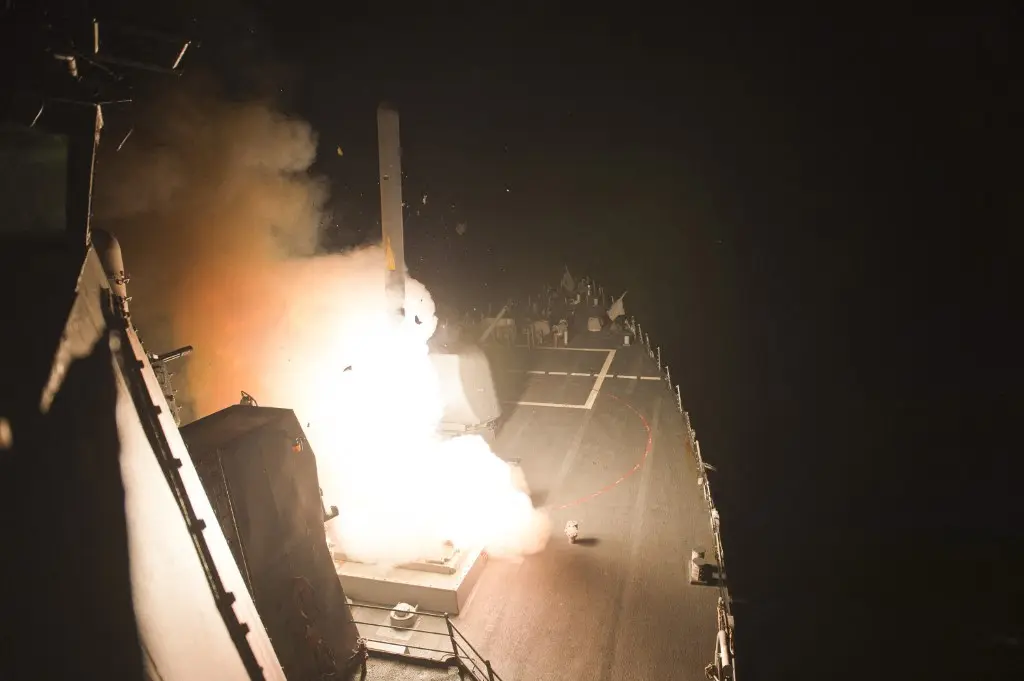
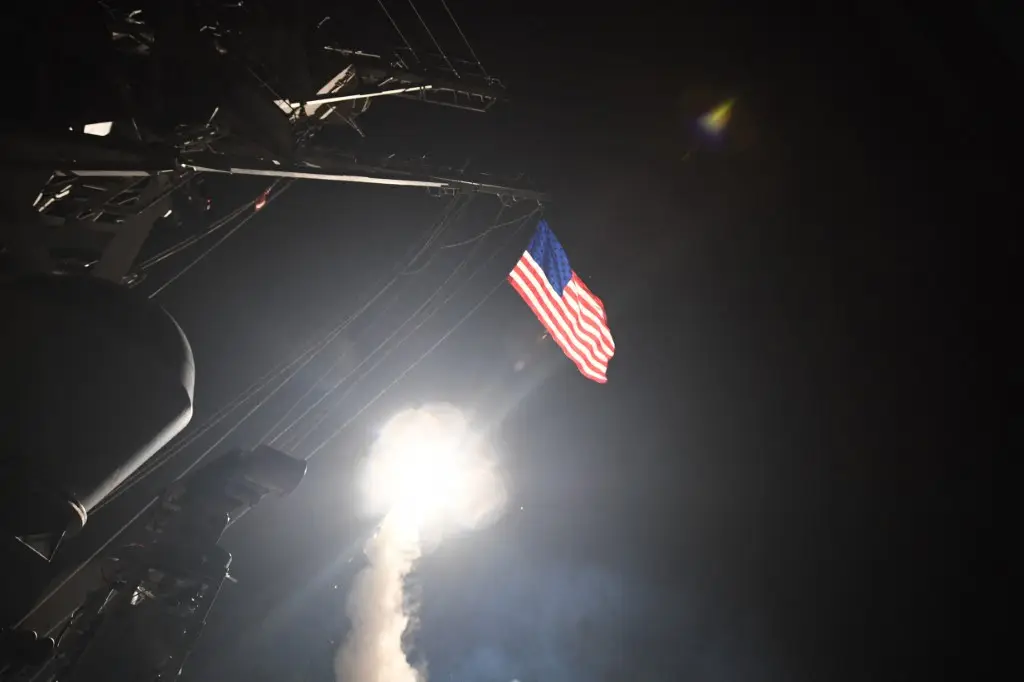
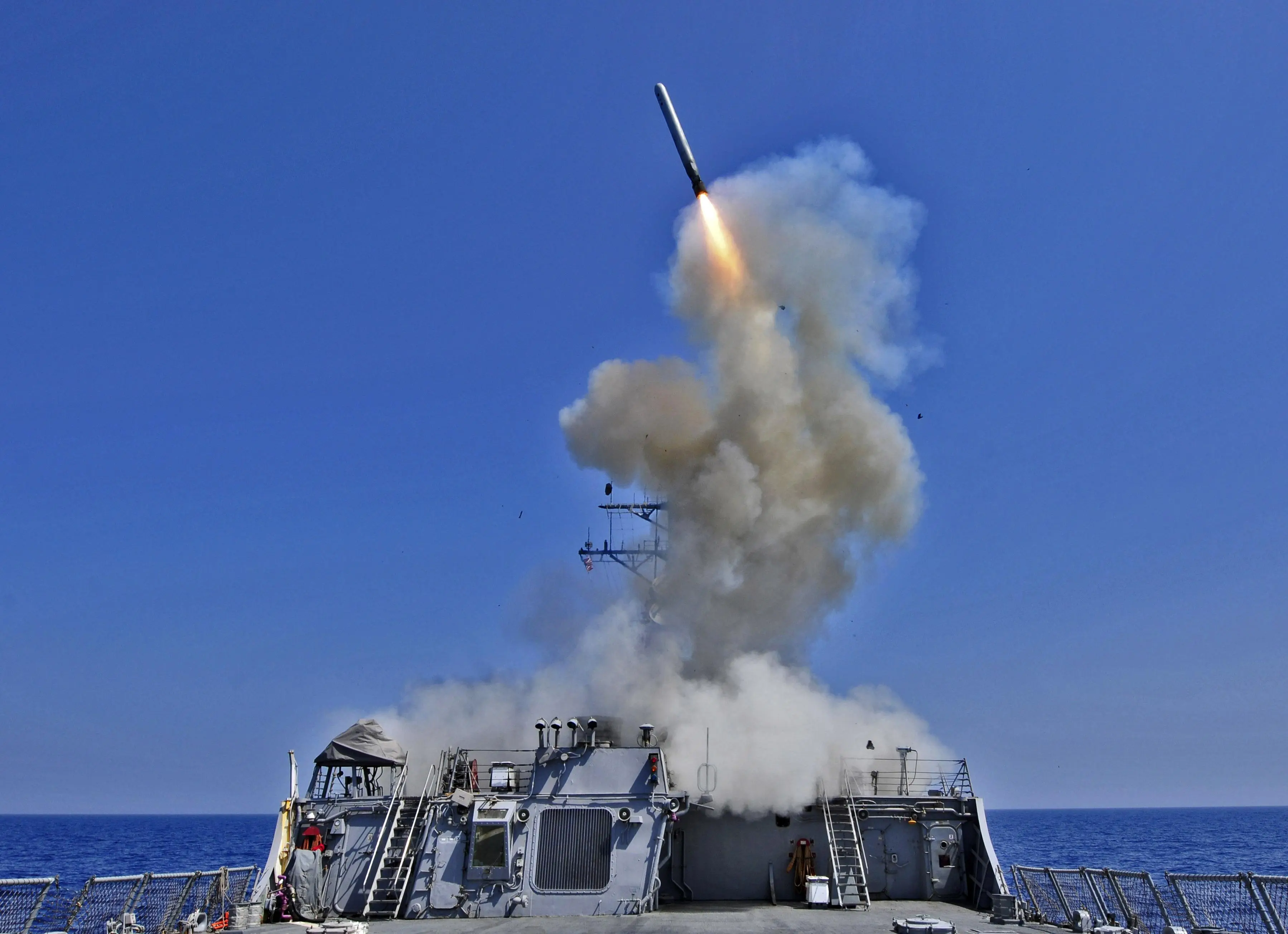
When the United States and Israel launched coordinated strikes on Iranian targets in late February, the opening phase of the campaign relied heavily on long-range stand-off weapons. Among them, Tomahawk cruise missiles formed a central element of the first wave, fired from US Navy surface ships and submarines operating in the region. The missiles were launched alongside aircraft and drones to strike Iranian air-defence systems, missile launch sites and command facilities before follow-up air operations moved deeper inland.
Why Tomahawks lead the first strike
Tomahawk missiles are often used in the early stages of a conflict because of their long range, high precision and powerful warhead. They are particularly effective against fixed targets such as ballistic missile production facilities, Islamic Revolutionary Guard Corps headquarters and air-defence installations. Developed in the United States, the missile is mainly used by the US Navy and a few allied countries.
A weapon built for precision
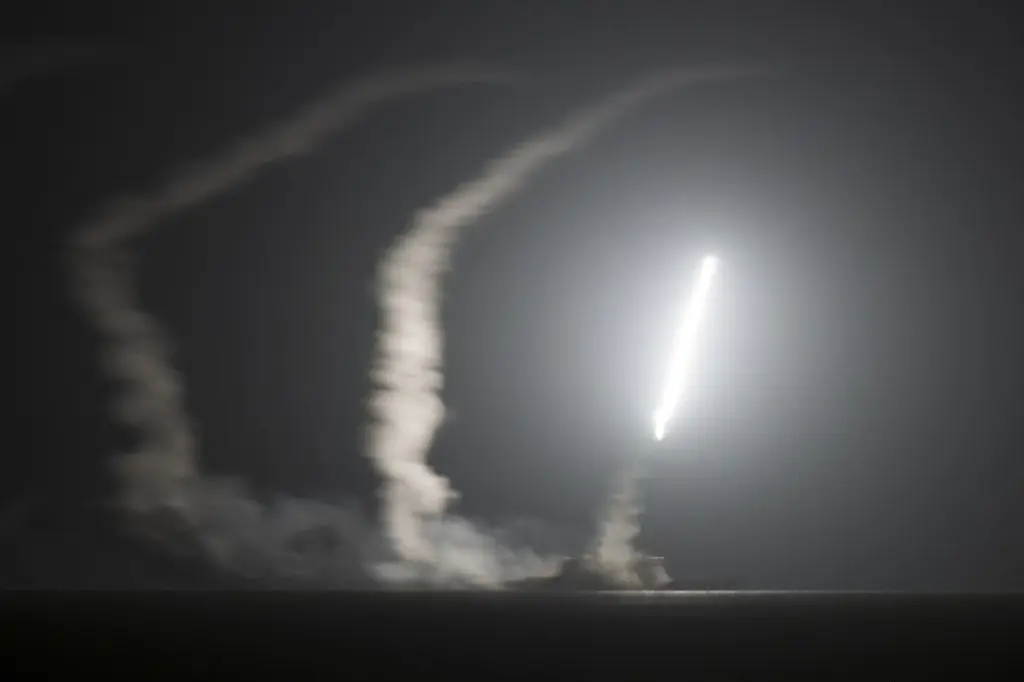
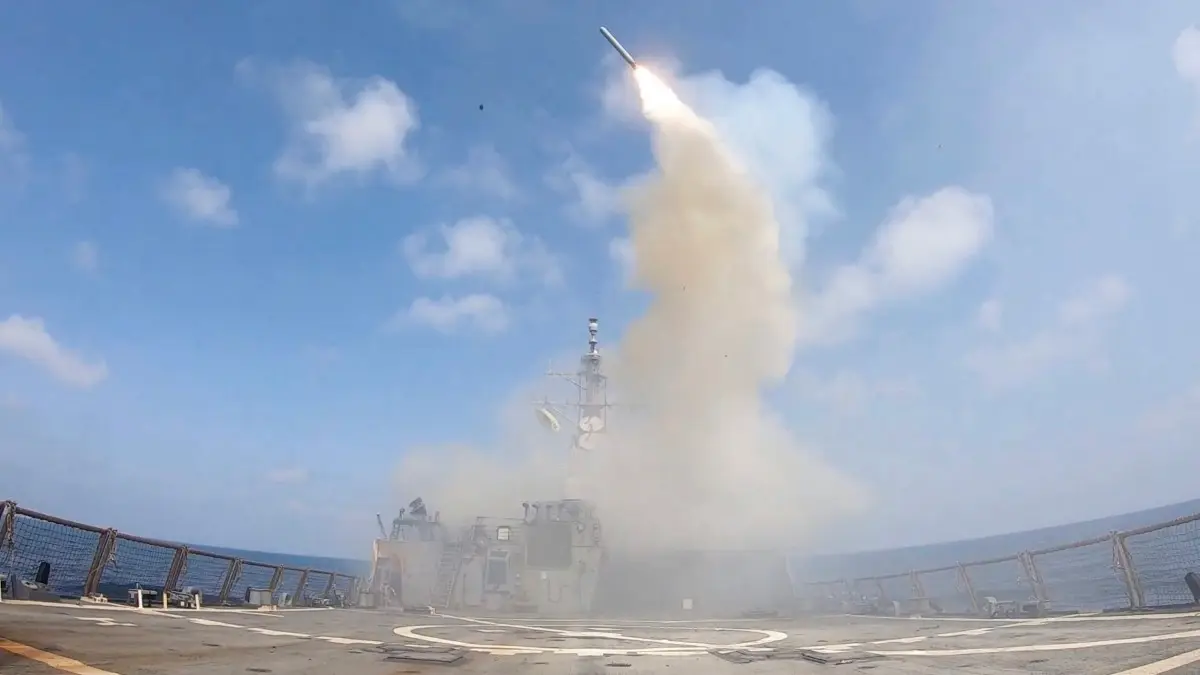
The Tomahawk Land Attack Missile (TLAM) is one of the most advanced subsonic cruise missile developed primarily for the US Navy and used for strikes against strategic targets on land. It is designed to be launched from both surface warships and submarines, allowing the United States to attack targets from hundreds of miles away without entering hostile airspace.
Range and striking capability
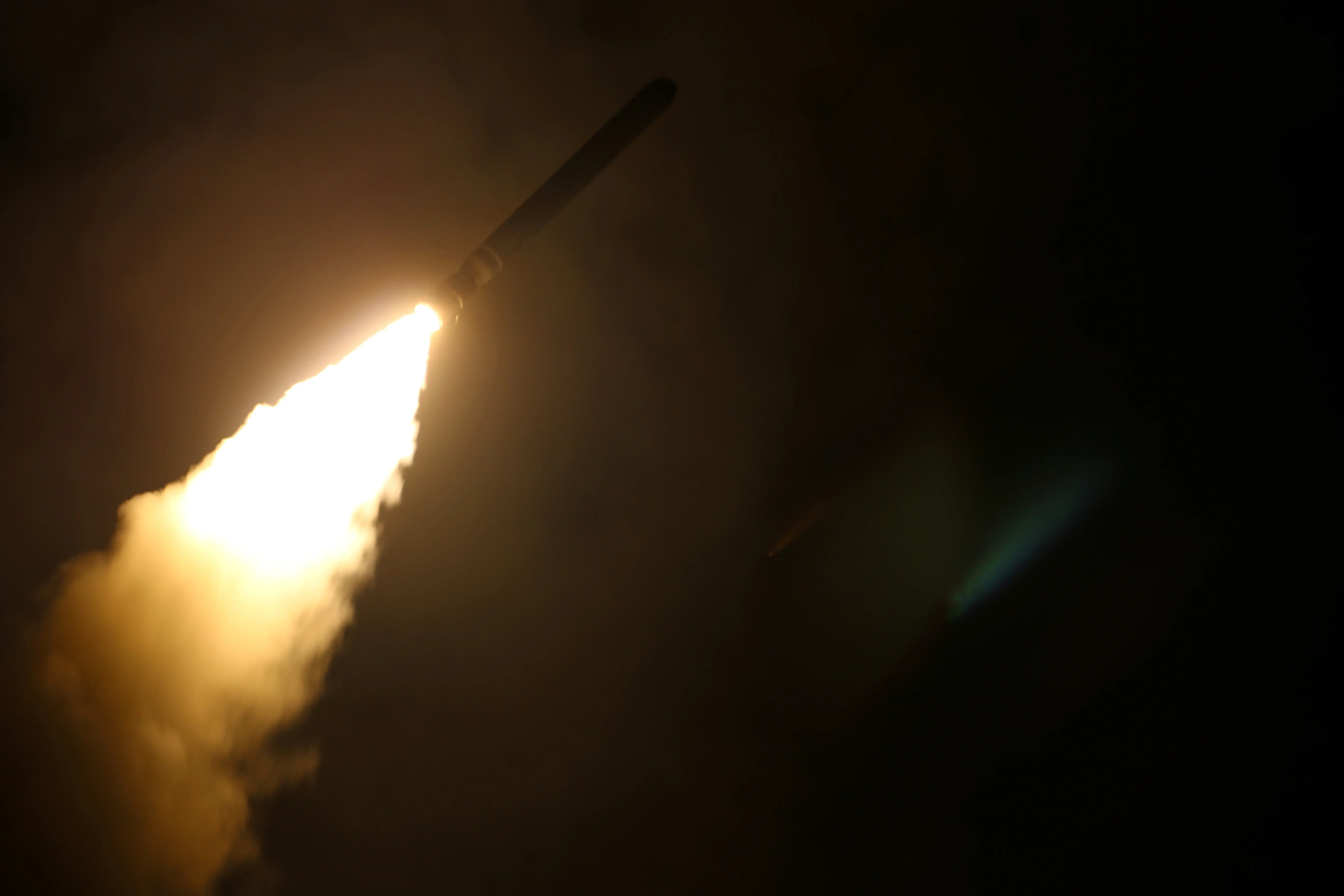
A typical Tomahawk missile measures about 5.6 metres in length and weighs roughly 1,500 to 1,600 kilograms. It travels at around 880 kilometres per hour and can strike targets more than 1,600 kilometres away, depending on the variant, even in heavily defended airspace. The most advanced version currently in service is the Tomahawk Block V variant.
Designed to evade defences
One of the missile’s key advantages is its ability to fly at very low altitudes using terrain-following navigation. This flight profile helps the weapon evade radar detection and bypass air-defence systems while maintaining precise navigation through satellite guidance and onboard navigation systems. The design allows it to reach heavily defended targets that might otherwise be difficult for aircraft to strike directly.
A staple of US military operations
Tomahawk missiles have been used by the United States in conflicts since the early 1990s, beginning with the Gulf War. Over the decades, the weapon has become a staple of American long-range strike strategy because it allows the military to launch large-scale attacks without exposing pilots to enemy air defences.
Why it was used against Iran
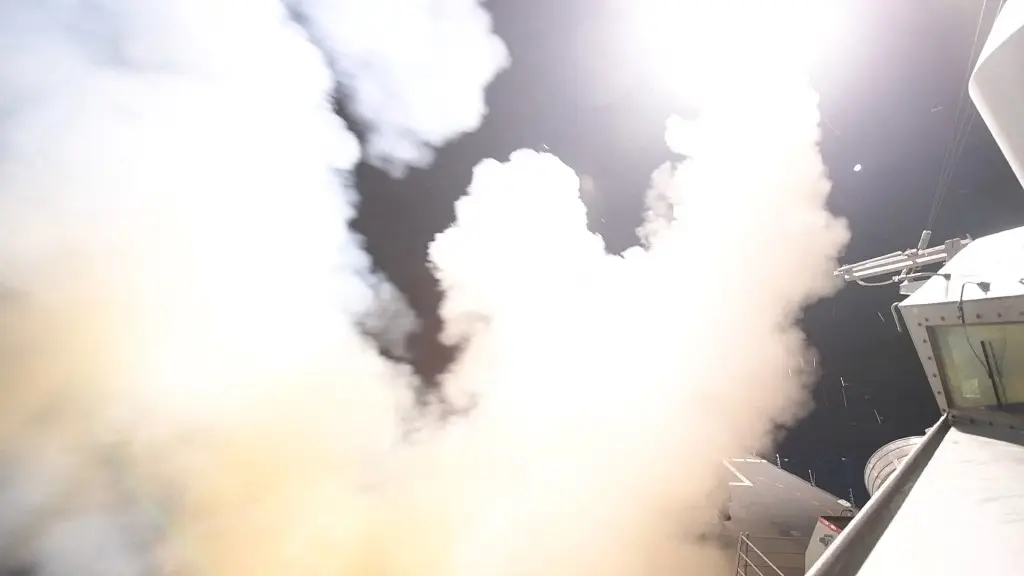
In the current conflict, Tomahawks provided the United States with the ability to strike Iranian military facilities from ships and submarines operating far from the country’s coastline. Early waves of the campaign reportedly targeted air-defence systems, missile infrastructure and command-and-control sites in an effort to weaken Iran’s ability to respond before broader air operations expanded inland.
Strike near school draws scrutiny
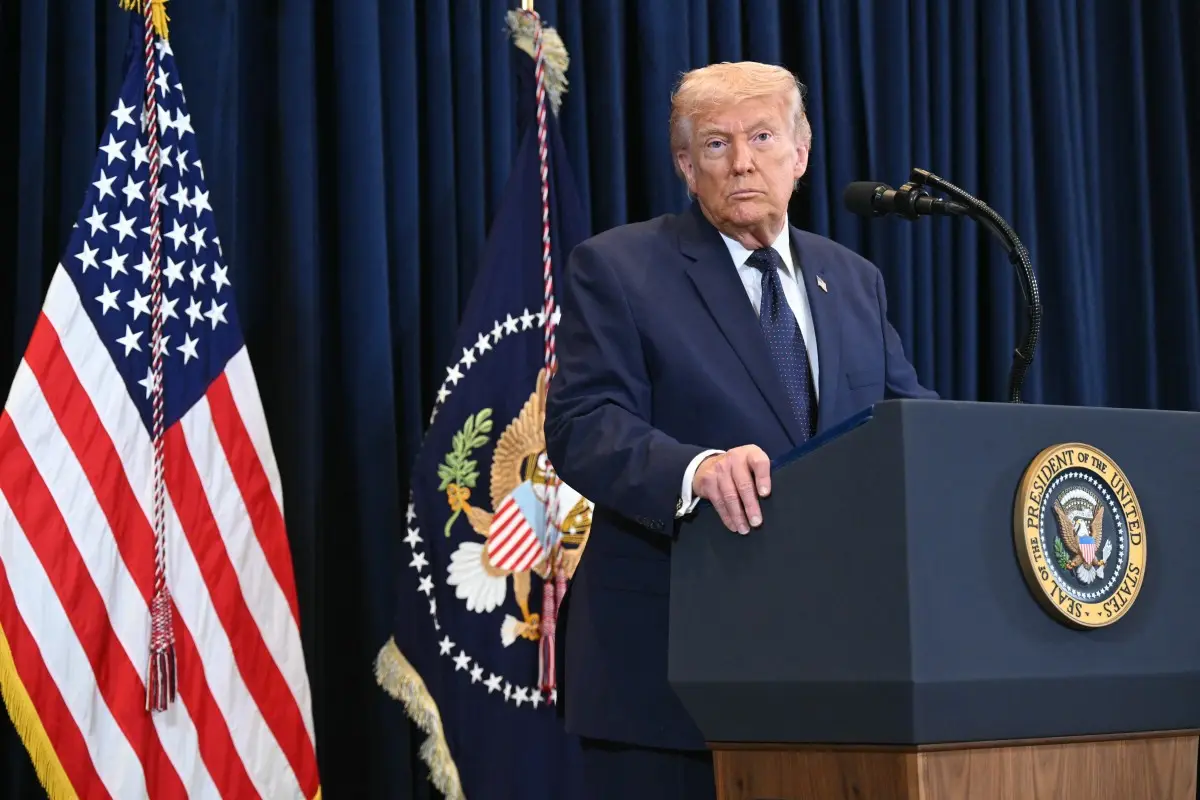
New footage reviewed by an expert investigative group suggests that a missile believed to be an American Tomahawk struck a compound in southern Iran, only metres from a school where a deadly explosion killed more than 165 people at the start of the current Iran war. The February 28 strike hit a facility adjacent to a Revolutionary Guard base in Minab in Iran’s southern Hormozgan province, with analysts saying the damage pattern appears consistent with a cruise missile impact. However, on Tuesday US President Donald Trump addressed reports about the footage. “Well, I haven’t seen it. I will say that the Tomahawk, which is one of the most powerful weapons around, is sold and used by other countries. Iran has some Tomahawks,” Trump said. However, There is no evidence that Iran possesses Tomahawk cruise missiles.
A continuing role in the war
Analysts note that Tomahawks are used in the "opening phase" of operations to degrade air defenses, command-and-control centers, and radar installations. By neutralising these threats first, they "pave the way" for follow-up attacks by manned aircraft.
)
)
)
)
)