US troops to lose phone privileges? US commander warns troops' own posts are giving away secrets to Iran

&imwidth=600&imheight=450&format=webp&quality=medium "US troops to lose phone privileges? US commander warns troops' own posts are giving away secrets to Iran")
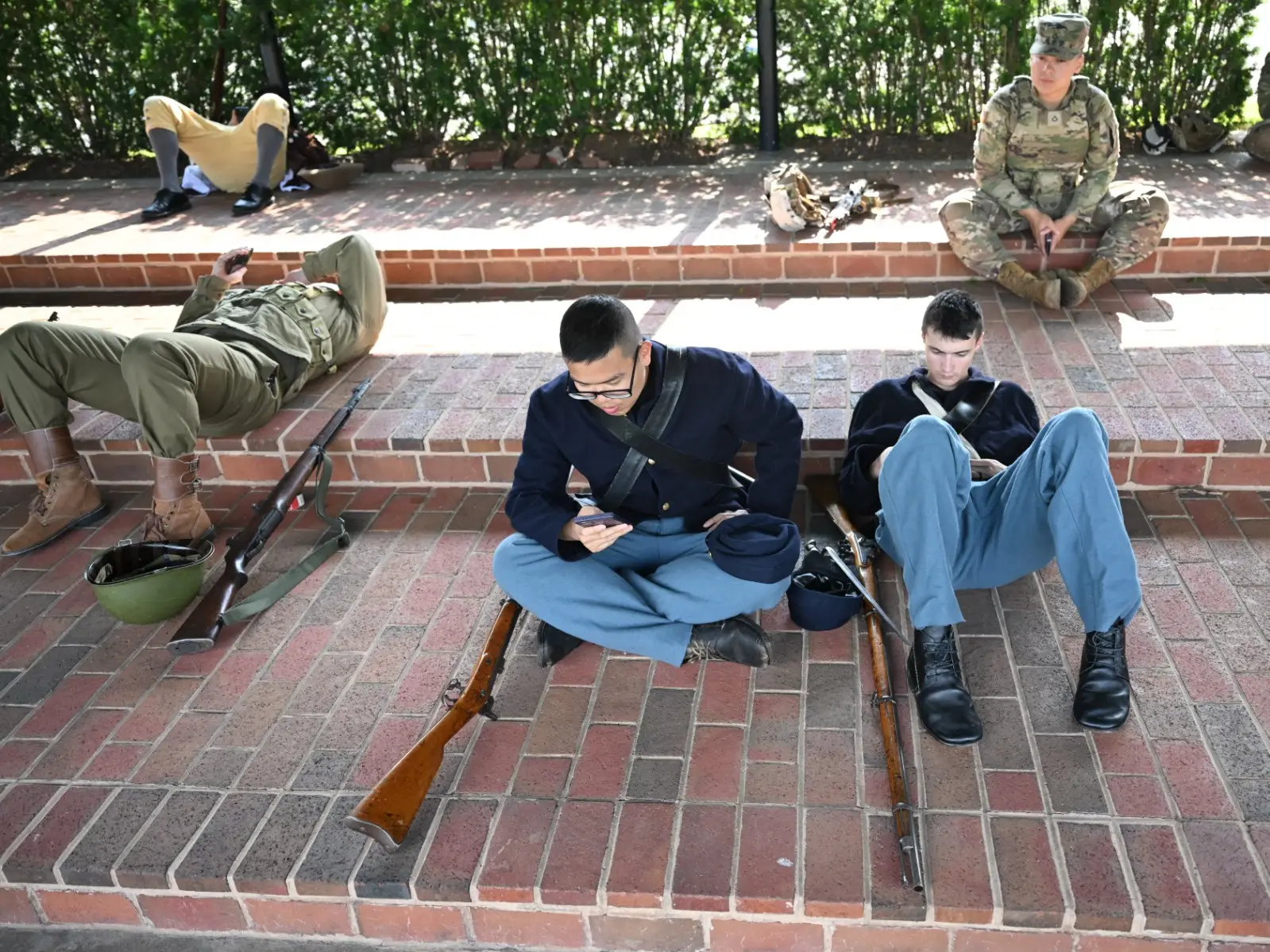
Representative image: Soldiers dressed in a period costume look at their cell phones ahead of the start of the Army Twilight Tattoo at the Joint Base Myer-Henderson Hall in Arlington, Virginia, on June 11, 2025. Photograph: (AFP)
The head of US Central Command has warned American troops that photos, videos and social media posts shared from their phones could help Iran identify military targets and assess the effectiveness of missile strikes.
The top US military commander in the Middle East has warned American troops that videos and photos shared from their mobile phones could help Iran identify and target US military bases, with Reuters reporting that some deployed personnel may soon be required to surrender their phones.
In a letter dated July 28, Admiral Brad Cooper, head of the US Central Command (CENTCOM), urged troops to tighten operational security, saying publicly shared content was providing Iran with valuable intelligence on the effectiveness of its missile and drone strikes.
"The direct, unavoidable cost of this open-source intelligence could be measured in the lives of American service members and civilian residents in targeted Gulf countries," Cooper wrote in the memo, obtained by Reuters.
Iran using American troops' social media to target US?
According to Cooper, Iranian forces are increasingly relying on news reports, journalists' accounts and videos posted online by US service members to determine whether attacks hit their intended targets.
He warned that such content effectively performs Battle Damage Assessment (BDA) for Iran.
Trending Stories
)
)
)
)
)
)
)
)
)
)
)
)
)
)
&im=FitAndFill=(700,400))
)
)
)
)
)
)
)
)
)
&im=FitAndFill=(700,400))
)
)
)
)
)
)
)
&im=FitAndFill=(700,400))
)
)
)
)
)
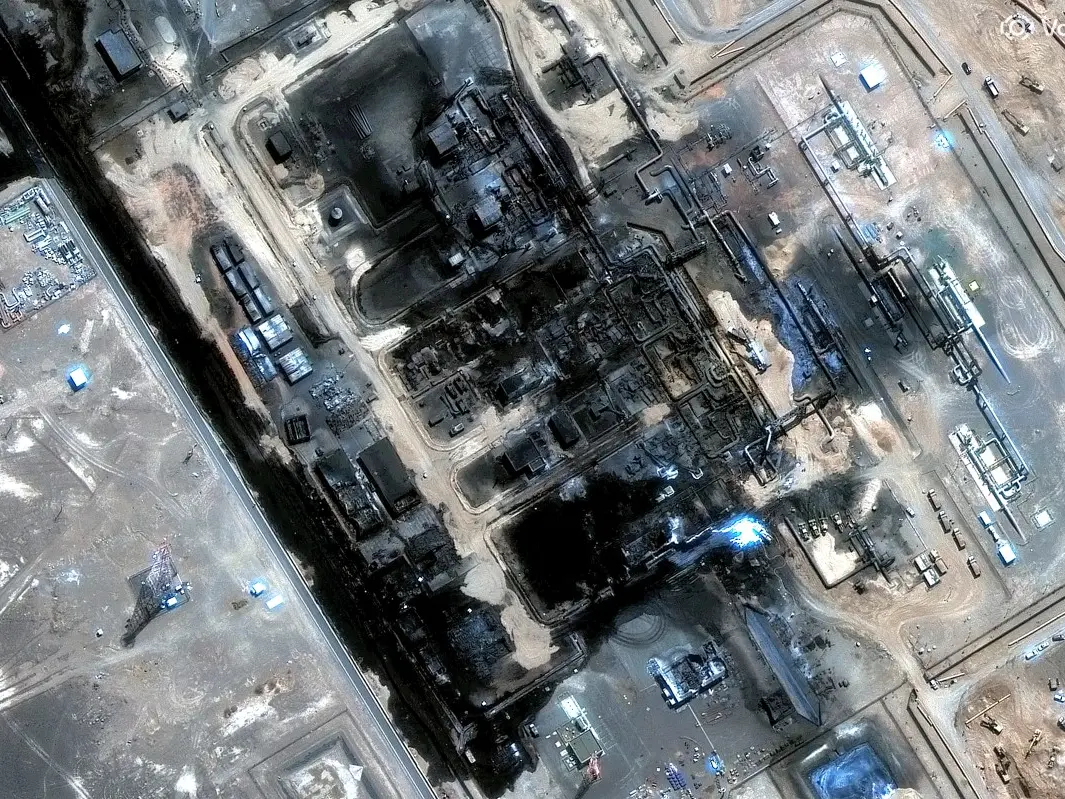)
"Iran knows the weapons were fired; however, their forces do not know if they missed by 50 meters, hit an empty tarmac, or successfully struck a crowded facility," Cooper wrote.
"Detailed lists, descriptions, and analyses of what was hit, openly published by news outlets, are essentially performing Iran's Battle Damage Assessment (BDA) for them, free of charge."
Normally, Iran would struggle to assess the impact of its strikes because of electronic jamming and other battlefield countermeasures employed by the US military, he added.
Phones could be confiscated
While Cooper's letter did not order any specific restrictions, Reuters reported that some troops stationed in Jordan, a frequent target of Iranian attacks, have been informed their mobile phones could soon be confiscated.
Two sources familiar with the matter told the news agency that the move is expected in the coming days, while another source said regional commanders are actively considering such restrictions due to operational security concerns.
Responding to Reuters, CENTCOM spokesperson Captain Timothy Hawkins described the letter as "a general reminder" about operational security rather than a directive announcing new rules.
Smart glasses video cited
Cooper also referenced an incident earlier this month in which a US service member reportedly recorded and posted footage during an Iranian missile and drone attack on Muwaffaq Salti Air Base in Jordan.
According to the letter, the video was captured using Meta smart glasses equipped with a built-in camera and uploaded to Instagram. The footage showed where and how US personnel took shelter inside bunkers during the attack, information Cooper suggested could prove valuable to Iranian military planners.
Growing concern over digital footprint
The warning highlights growing concern within the Pentagon about the risks posed by smartphones, wearable devices and social media during military operations.
US officials have long cautioned that location data from mobile applications, including fitness apps, can expose troop positions.

