US presidential election 2024: What ID should you bring on polling day? A look at the guidelines


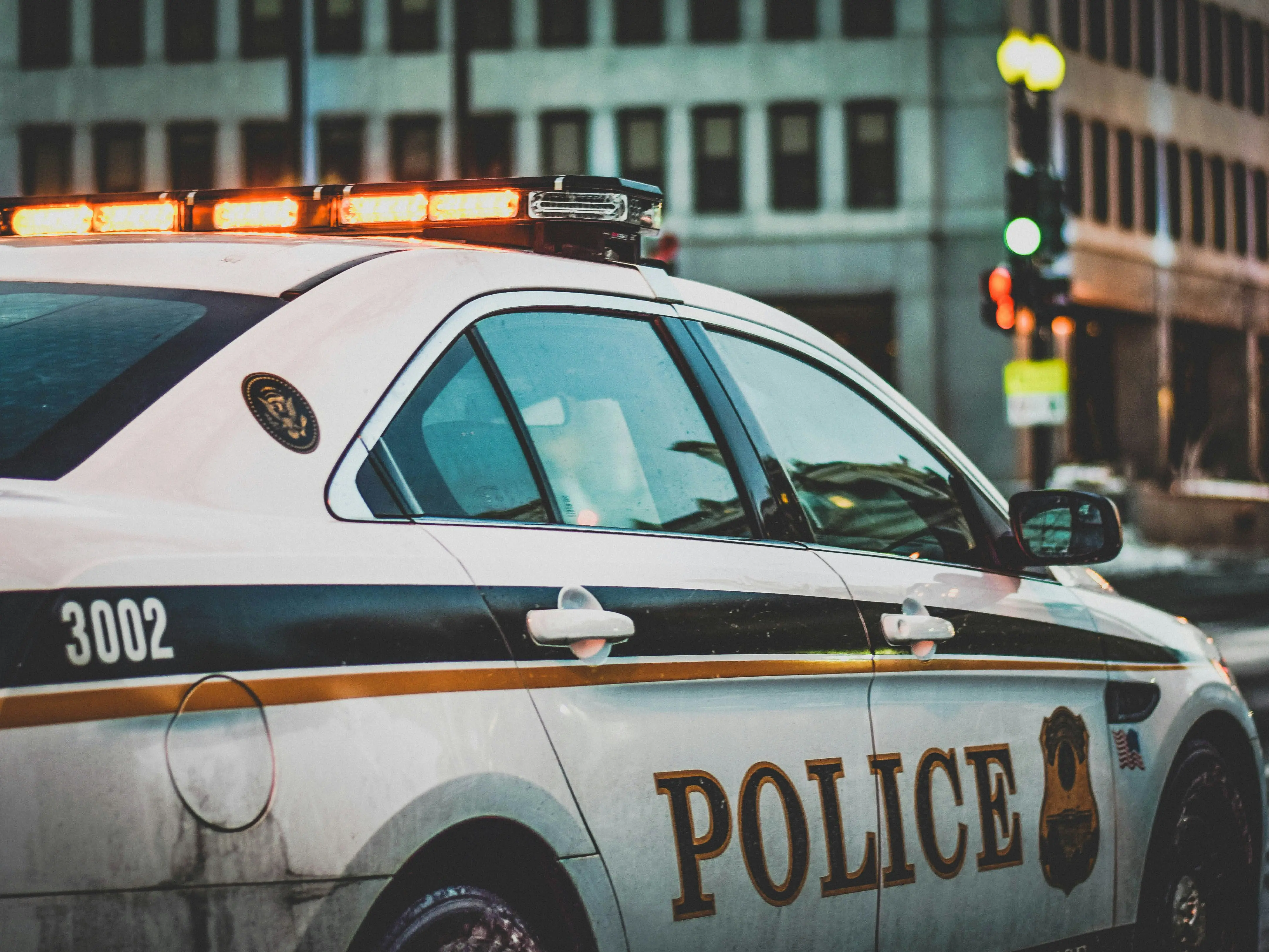
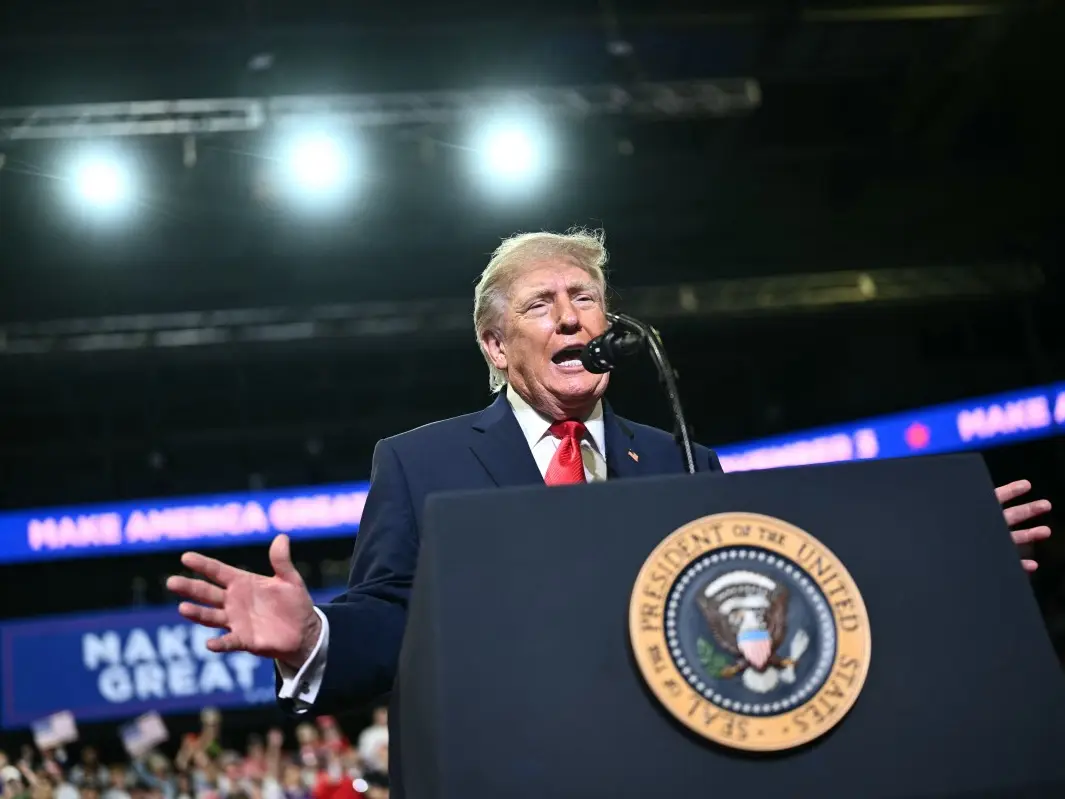
File photo.
Less than 10 days are left for the high-stakes presidential election in the United States (US) with the top contenders being Donald Trump (Republican Party) and Kamala Harris (Democratic Party).
Voters across the country are gearing up to head to the polls on November 5 to vote for their preferred candidate who will lead the country for the next four years. Millions of voters have already cast their ballot early, both by mail and in person.
> Keep in mind the date of the election day – this time the presidential election is on November 5.

> Voter ID requirements: Each state in the US has its own voter ID rules which determine when you will need to show identification proof, and if so, what kind.Your state may require you to show a photo ID like a driver's license, state ID, or passport. Or they may ask to see another form of identification like your birth certificate, or Social Security card.
Click on this link to find the voter ID requirements of states
>If you are a registered voter and have a voter registration card, you are not required to bring it with you when you vote. But you can still use it as a form of identification.
&imwidth=180&imheight=135&format=webp&quality=medium)
Brendan Taylor overtakes Andy Flower to become Zimbabwe’s leading ODI run-scorer
&im=FitAndFill=(700,400)&imwidth=180&imheight=135&format=webp&quality=medium)
What is the real meaning behind Pete Hegseth's tattoos?
&imwidth=180&imheight=135&format=webp&quality=medium)
Kenyan cult leader found guilty over starvation deaths of nearly 200 children
&imwidth=180&imheight=135&format=webp&quality=medium)
Two Indians among 28 arrested in California over alleged voter registration fraud, DOJ says
&imwidth=180&imheight=135&format=webp&quality=medium)
Flying car race: Alef Aeronautics welcomes Tesla Roadster '11 years' later, but are the two models the same?
&imwidth=180&imheight=135&format=webp&quality=medium)
France is burning. Trump blames immigrants. But who is answering Europe's real questions? | The Verdict
&imwidth=180&imheight=135&format=webp&quality=medium)
Shastri backs Shami comeback; lauds Bhuvi and warns Bumrah on format workload ahead of World Cup
&imwidth=180&imheight=135&format=webp&quality=medium)
Netanyahu rival Benny Gantz quits Israel election race, vows to push for unity government
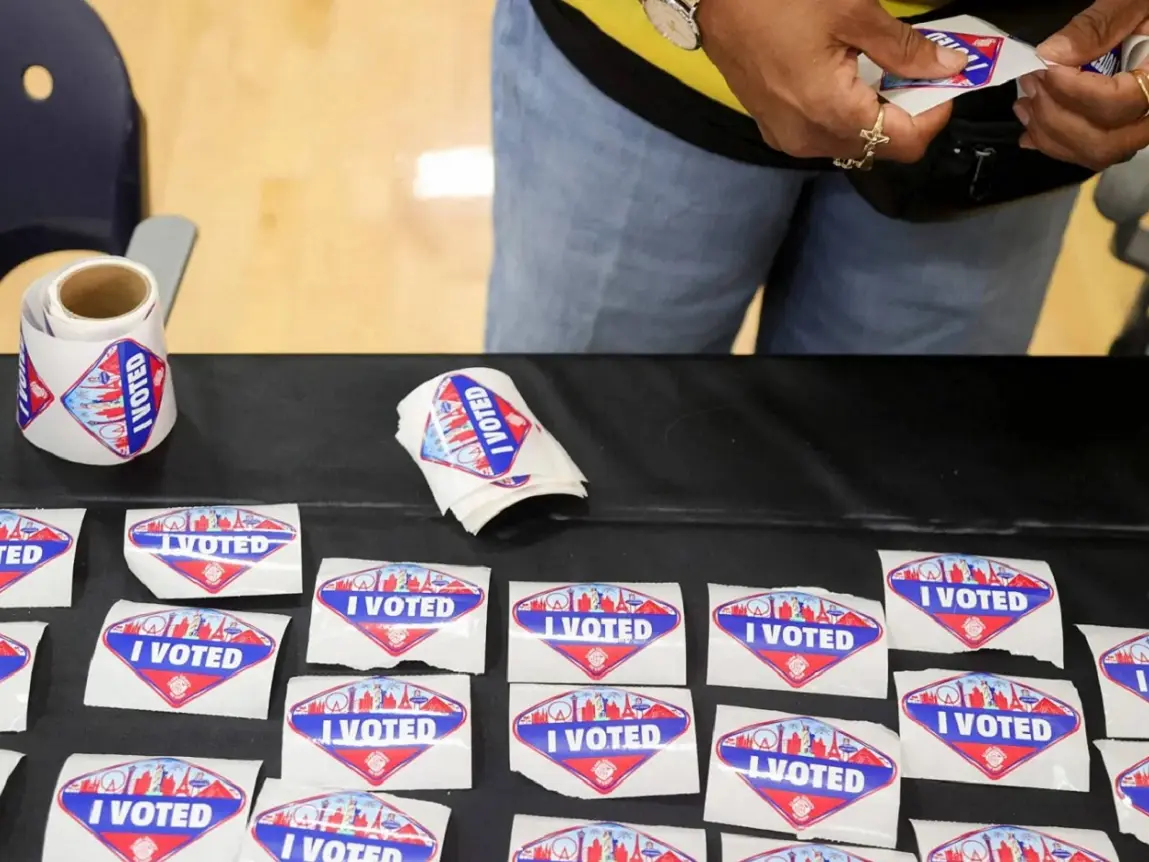&imwidth=180&imheight=135&format=webp&quality=medium)
US Midterm 2026: What do opinion polls and prediction markets say less than two weeks before voting
&imwidth=180&imheight=135&format=webp&quality=medium)
WATCH | Albania protesters set Supreme Court on fire as anti-Rama riots escalate
&imwidth=180&imheight=135&format=webp&quality=medium)
Trump Commerce Secretary Howard Lutnick’s family fortune more than doubles to $7.3 billion, outpacing his boss
&imwidth=180&imheight=135&format=webp&quality=medium)
Pete Hegseth meets Benjamin Netanyahu during unannounced visit to Israel ahead of election
&im=FitAndFill=(700,400)&imwidth=180&imheight=135&format=webp&quality=medium)
Ghaziabad is world's fastest-growing city; Surat, Patna, Rajkot also feature on list
&imwidth=180&imheight=135&format=webp&quality=medium)
‘Spare India from anarchy’: Over 400 Indian-origin academics from MIT, Oxford condemn anti-CEC protests
&imwidth=180&imheight=135&format=webp&quality=medium)
WATCH | Japan launches historic mission to collect samples from Mars' moon Phobos
&imwidth=180&imheight=135&format=webp&quality=medium)
‘My president, I mean my husband’: Trump's new press secretary Katie Zacharia's first briefing goes off the rails in 14 minutes
&imwidth=180&imheight=135&format=webp&quality=medium)
Pakistan betrays Iran, shuts border, trade as Trump moves towards new war
&imwidth=180&imheight=135&format=webp&quality=medium)
PCB omits Atherton, Hussain from tri-series commentary panel over Imran Khan interview row
&imwidth=180&imheight=135&format=webp&quality=medium)
Trump calls on New Mexico to become 'New America', claims 'home values and incomes would rise'
&imwidth=180&imheight=135&format=webp&quality=medium)
US Congressman Raja Krishnamoorthi describes foiled temple attack as ‘divine intervention’, criticises Vance and MAGA rhetoric
&imwidth=180&imheight=135&format=webp&quality=medium)
Girl 'dead' for 8 hours wakes up at her own funeral, dad insists she wasn't breathing
&imwidth=180&imheight=135&format=webp&quality=medium)
Pujara says 'Samson and Vaibhav cannot be in Playing XI' for India on NZ tour
&imwidth=180&imheight=135&format=webp&quality=medium)
One dead after shooting near mosque in Columbus, Ohio. Here's what we know so far
&im=FitAndFill=(700,400)&imwidth=180&imheight=135&format=webp&quality=medium)
New OTT releases this week (October 19-25, 2026): Gajab Raat to Chaar Yaar-8 titles to watch during Dussehra week on Netflix, Prime Video and more
&imwidth=180&imheight=135&format=webp&quality=medium)
Baby orangutan rescued in India returns to Indonesia
&imwidth=180&imheight=135&format=webp&quality=medium)
India moves to buy 10,000 more AI chips for a national compute pool open to startups
&imwidth=180&imheight=135&format=webp&quality=medium)
'Whatever I can do to end this war': Trump floats China Summit with Putin and Xi, questions Zelensky's role in peace talks
&imwidth=180&imheight=135&format=webp&quality=medium)
'Paris is going to be a Muslim city very soon': Trump blames immigration for France unrest, urges Macron to tighten border policies
&imwidth=180&imheight=135&format=webp&quality=medium)
WATCH | Viral video shows woman jogging past burning barricade amid Paris unrest, sparks online debate
&imwidth=180&imheight=135&format=webp&quality=medium)
'We feel like Mr India': Gujarat’s undercover SHE team guard garba nights at Navratri
&imwidth=180&imheight=135&format=webp&quality=medium)
Cattle-feed bran in biscuits, detergent in milk: FSSAI acts against 3 companies
&imwidth=180&imheight=135&format=webp&quality=medium)
'It's a joy to see the makers bring it on such a grand scale': SS Rajamouli on Ramayana
&imwidth=180&imheight=135&format=webp&quality=medium)
Priest dies after crucifix falls on his head during livestreamed Mass in Ecuador | VIDEO
&imwidth=180&imheight=135&format=webp&quality=medium)
Ramayana advance booking: Ranbir Kapoor, Yash's film cross $500K ahead of Diwali release
&imwidth=180&imheight=135&format=webp&quality=medium)
US midterm elections 2026: Early voting picks up pace ahead of November 3 polls
Click on this link to find out how to get a voter registration card
> In case you do not have an ID, you may still be able to vote.Some states may ask you to sign a form affirming your identity.
Click on this link to check if you can vote in your state without ID
> To find your polling booth, contact your state or local election office for help with registering, voting and getting results. Click to know more
>Use voter guides and sample ballots to learn about candidates. Click to know more
Can you vote online?
No, you cannot vote online.On election day, you will need to either vote in person at an official polling place or by casting an absentee ballot.
States allow voters who cannot or do not want to vote in person to cast mail-in or drop off ballots through absentee voting or vote-by-mail programs. Absentee and mail-in ballots can be cast for both primary and general elections.
The eligibilityto vote
> You are a US citizen and are 18 years or older on the day of the election.
> You are registered to vote by your state's voter registration deadline.
> You are also eligible to vote if you're an American citizen living outside the country or if you hold dual citizenship. Click to know more
>Non-citizens, including permanent legal residents, cannot vote in the election.
> Some people cannot vote after being convicted of a felony or if they are currently serving time for other types of crimes. However, the rules are different in each state. Click to know more
>Some people who have a mental disability may not be able to vote.But these rules vary by state. Click to know more
> The Electoral College process does not provide for residents of USTerritories (Puerto Rico, Guam, the USVirgin Islands, Northern Mariana Islands, American Samoa, and the USMinor Outlying Islands) to vote in the presidential elections.Unless citizens are in the US. Territories have official residency (domicile) in a USState.