US Midterms 2026: Trump's failed gamble? Inside the Missouri map battle that went all the way to the Supreme Court

&imwidth=600&imheight=450&format=webp&quality=medium "US Midterms 2026: Trump's failed gamble? Inside the Missouri map battle that went all the way to the Supreme Court")
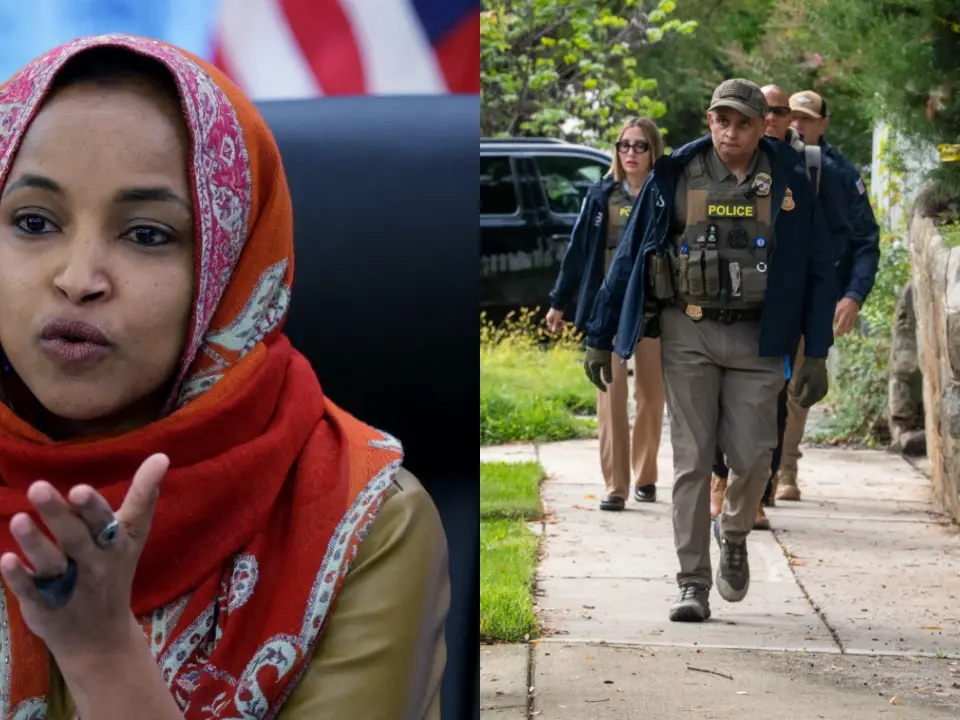
Missouri’s redistricting dispute: From referendum petition to Supreme Court rejection Photograph: (Combination image: AFP pics)
Trump's push to redraw congressional districts ahead of the US midterms hit another roadblock in Missouri, where courts rejected efforts to revive a Republican-friendly map. With one House seat at stake, the battle now turns to voters and a November referendum. All you need to know.
Even as he continues to make the case for Republicans to win the upcoming US Midterms in November 2026, President Donald Trump seems to be bracing for the fallout should they lose. “If we don’t win the midterms, they’re going to blame me,” Trump said at a rally in Tennessee on Saturday (Oct 10). “You know that. And if we do win them, I will get no credit whatsoever. It’s true. I won’t get any.”
“But I’m working my ass off,” he added. “You better get out there and vote.” One of the things Trump did to try and secure a win this November was redraw congressional districts. One such attempt, which failed, was undertaken in Missouri, all over one seat. What happened in Missouri? All you need to know.
Redistricting exercises in the US
Traditionally, US states redraw congressional districts once per decade, after the decennial US census. But, faced with the "midterm curse", aka how the president's party almost always loses seats in US midterm elections, Trump in 2025 made an unprecedented push for Republican controlled states to reconfigure their boundaries in the middle of the decade. Why? To add Republican seats.
In total, more than half a dozen Republican-led states redrew congressional districts, a move that could have netted Republicans as many as 16 additional congressional seats. However, the Missouri one didn't come through.
Also read | US midterm elections: Why Zohran Mamdani's influence could become a headache for Democrats and Republicans
Trending Stories
&imwidth=280&imheight=210&format=webp&quality=medium)
&im=FitAndFill=(700,400)&imwidth=280&imheight=210&format=webp&quality=medium)
&imwidth=280&imheight=210&format=webp&quality=medium)
&imwidth=280&imheight=210&format=webp&quality=medium)
&imwidth=280&imheight=210&format=webp&quality=medium)
&imwidth=280&imheight=210&format=webp&quality=medium)
&imwidth=280&imheight=210&format=webp&quality=medium)
&imwidth=280&imheight=210&format=webp&quality=medium)
&im=FitAndFill=(700,400)&imwidth=280&imheight=210&format=webp&quality=medium)
&imwidth=280&imheight=210&format=webp&quality=medium)
&imwidth=280&imheight=210&format=webp&quality=medium)
&imwidth=280&imheight=210&format=webp&quality=medium)
&imwidth=280&imheight=210&format=webp&quality=medium)
&imwidth=280&imheight=210&format=webp&quality=medium)
&imwidth=280&imheight=210&format=webp&quality=medium)
&imwidth=280&imheight=210&format=webp&quality=medium)
&imwidth=280&imheight=210&format=webp&quality=medium)
&imwidth=280&imheight=210&format=webp&quality=medium)
&imwidth=280&imheight=210&format=webp&quality=medium)
&im=FitAndFill=(700,400)&imwidth=280&imheight=210&format=webp&quality=medium)
&imwidth=280&imheight=210&format=webp&quality=medium)
&imwidth=280&imheight=210&format=webp&quality=medium)
&imwidth=280&imheight=210&format=webp&quality=medium)
&imwidth=280&imheight=210&format=webp&quality=medium)
&imwidth=280&imheight=210&format=webp&quality=medium)
&imwidth=280&imheight=210&format=webp&quality=medium)
&imwidth=280&imheight=210&format=webp&quality=medium)
&im=FitAndFill=(700,400)&imwidth=280&imheight=210&format=webp&quality=medium)
&imwidth=280&imheight=210&format=webp&quality=medium)
&imwidth=280&imheight=210&format=webp&quality=medium)
&imwidth=280&imheight=210&format=webp&quality=medium)
&imwidth=280&imheight=210&format=webp&quality=medium)
&imwidth=280&imheight=210&format=webp&quality=medium)
&imwidth=280&imheight=210&format=webp&quality=medium)
Missouri map: Repeated legal blocks
Missouri’s attempt to redraw its congressional boundaries to give Republicans an advantage in the US midterm elections hit its fourth legal roadblock in September 2026, leaving voters set to cast their ballots under the district map used in 2022 and 2024.
The US Supreme Court on September 25 declined to revive the Republican-backed map, allowing a Missouri Supreme Court ruling to stand. That decision requires the state to use its existing congressional boundaries unless voters approve the revised map in a November referendum.
The Supreme Court, in an unsigned opinion, warned that changing district boundaries so close to the general election could disrupt the voting process. “At this late date, ordering reversion to the 2025 map in the midst of an ongoing election would usher in electoral chaos,” it said. The court also said lower courts should not block the use of the 2022 map for Missouri’s 2026 congressional election.
How Missouri’s redistricting battle reached the Supreme Court
The dispute intensified after Missouri lawmakers approved new congressional boundaries last September at the urging of Trump and Republican Governor Mike Kehoe. Republicans currently hold six of the state’s eight House seats, and the revised map was designed to help them secure seven.
The most significant changes affected a Kansas City-based district represented by Democratic Congressman Emanuel Cleaver. The new boundaries moved parts of Kansas City into neighbouring districts held by Republicans and extended the remainder of Cleaver’s fifth district eastward into more rural, Republican-leaning areas.
An Associated Press estimate found that about 59 per cent of potential voters in the reshaped district were new to it. Changes also affected voters in several other congressional districts.
At least 16 lawsuits were filed in state and federal courts over the redistricting. The litigation challenged the revised map on several grounds, including whether mid-decade redistricting was permitted under the state constitution and whether the new districts met compactness requirements.
The map survived most of those challenges. A citizen-led referendum petition, however, became central to the dispute.
Petition dispute triggered conflicting court orders
Missouri Secretary of State Denny Hoskins rejected the referendum petition on August 4, the day the revised map was used in the Republican and Democratic primaries. He argued that referendum petitions could not be used to challenge congressional redistricting.
On September 3, the Missouri Supreme Court ruled that the petition was valid and directed Hoskins to use the boundaries adopted after the 2020 census. The US Supreme Court allowed that ruling to stand on September 8.
But the dispute continued when US District Judge Stephen Clark issued a conflicting order later that day in favour of the new map. The US Supreme Court blocked Clark’s order from taking effect on September 10. The Missouri Supreme Court also temporarily held Hoskins in contempt after he instructed local election officials to use the revised boundaries despite its ruling.
Republicans continued their legal challenge. Subsequently, a panel of the Eighth US Circuit Court of Appeals ruled that switching district boundaries between the primary and general elections would violate the US Constitution. It directed a lower court to prevent Missouri from using the old map, while delaying the effect of its order to allow time for an appeal.
The Supreme Court’s latest decision has now left the 2022 map in place for November.
Missouri referendum to decide congressional map
On November 3, Missouri will vote for the state's US House seats as per the 2022/2024 district boundaries. Simultaneously, the voters will vote on Proposition A (the veto referendum) on the same ballot to decide whether the newly drawn 2025 Republican map will replace those boundaries for future election cycles starting in 2028.

