What is Gerrymandering? These new US maps could decide the 2026 US midterms

The 2026 US midterms are being fought not just by candidates, but over the maps voters will use to choose them. From Texas and Florida to California and Utah, an unusual wave of mid-decade redistricting is reshaping the battle for control of the House. Here's all you need to know.

US Midterms and the Gerrymander war
With just weeks left before the 2026 midterm elections, the battle for control of the US House of Representatives remains uncertain because of ‘Gerrymandering’. The battle for control of the US House in the 2026 midterm elections is being fought on two fronts: at the ballot box and on the maps that determine which voters are grouped in each congressional district.
Usually, congressional districts are redrawn once every decade after the US census. But President Donald Trump's push for Republican-led states to redraw their maps before the 2026 elections triggered an extraordinary mid-decade redistricting fight. Democrats responded with maps of their own. The result is a patchwork of new congressional districts across the country, with some designed to make Republican victories more likely and others intended to strengthen Democratic chances.
The stakes are unusually high. Republicans hold only a narrow House majority, meaning a small number of seats could determine which party controls the chamber. So, what exactly is gerrymandering, and which states could determine the outcome?
What is gerrymandering?
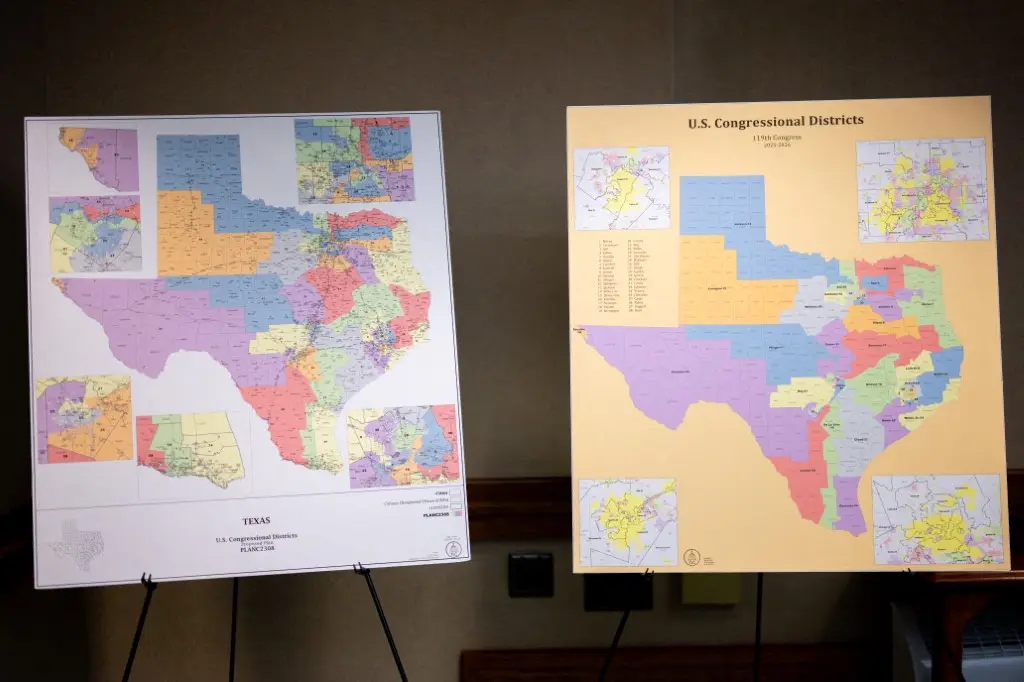
Gerrymandering is the practice of drawing electoral district boundaries to give one political party, or sometimes a particular racial or demographic group, an advantage. The process begins with redistricting, which simply means redrawing electoral boundaries. Redistricting itself is routine. Gerrymandering refers to manipulating those boundaries to produce a particular political outcome.
According to the Bipartisan Policy website, there are two classic techniques.
“Packing” means concentrating as many voters from the opposing party as possible into a small number of districts. Those voters may win those districts by large margins, but their votes have less influence elsewhere.
“Cracking” means splitting a concentrated group of opposing voters among several districts, making it harder for them to form a majority in any of them.
The result can be a state where one party wins a disproportionately large share of House seats compared with its overall share of the vote.

Why is 2026 different?
Congressional maps are normally redrawn following the census conducted every 10 years. The 2020 census produced the maps that should have governed the current decade. But in the last year or so several states have now redrawn their congressional boundaries before the 2030 census.
The National Conference of State Legislatures says 10 states have changed their congressional maps during this mid-decade cycle: Alabama, California, Florida, Louisiana, Missouri, North Carolina, Ohio, Tennessee, Texas and Utah.
Texas: The biggest Republican prize
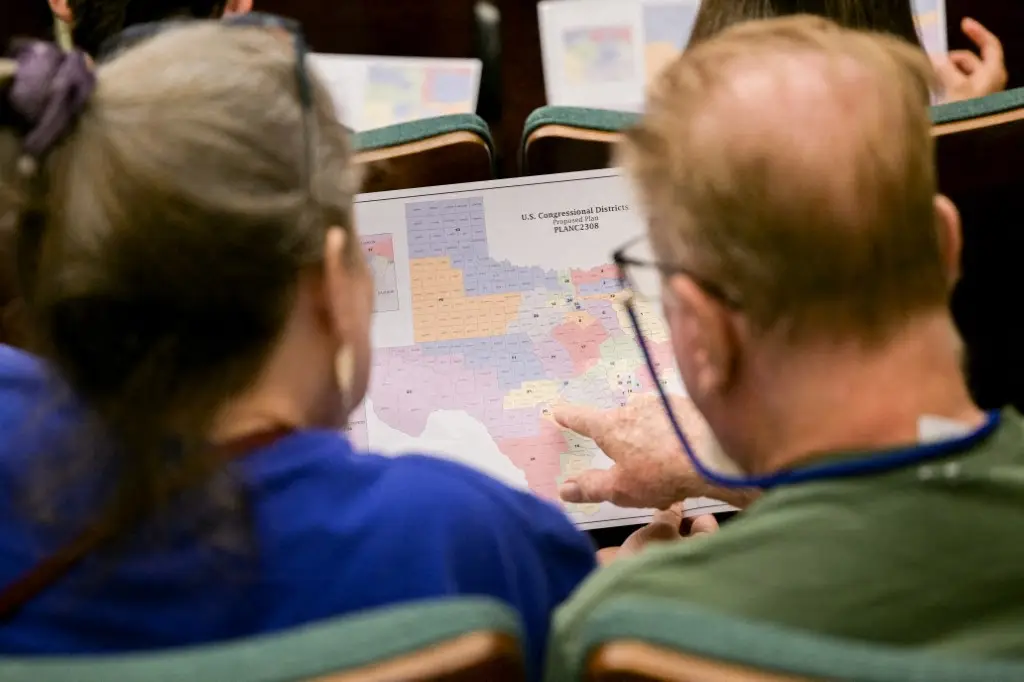
Texas is at the centre of the redistricting war. Republicans already control 25 of the state's 38 House seats. The new map was designed to make as many as five additional seats more favourable to Republicans, targeting Democratic-held districts.
The US Supreme Court allowed the new map to take effect despite a lower court ruling that had found the boundaries likely constituted an unconstitutional racial gerrymander.
If Republicans capture all five targeted seats, Texas alone could provide a substantial boost to the party's chances of retaining the House.
Florida: Another major Republican target
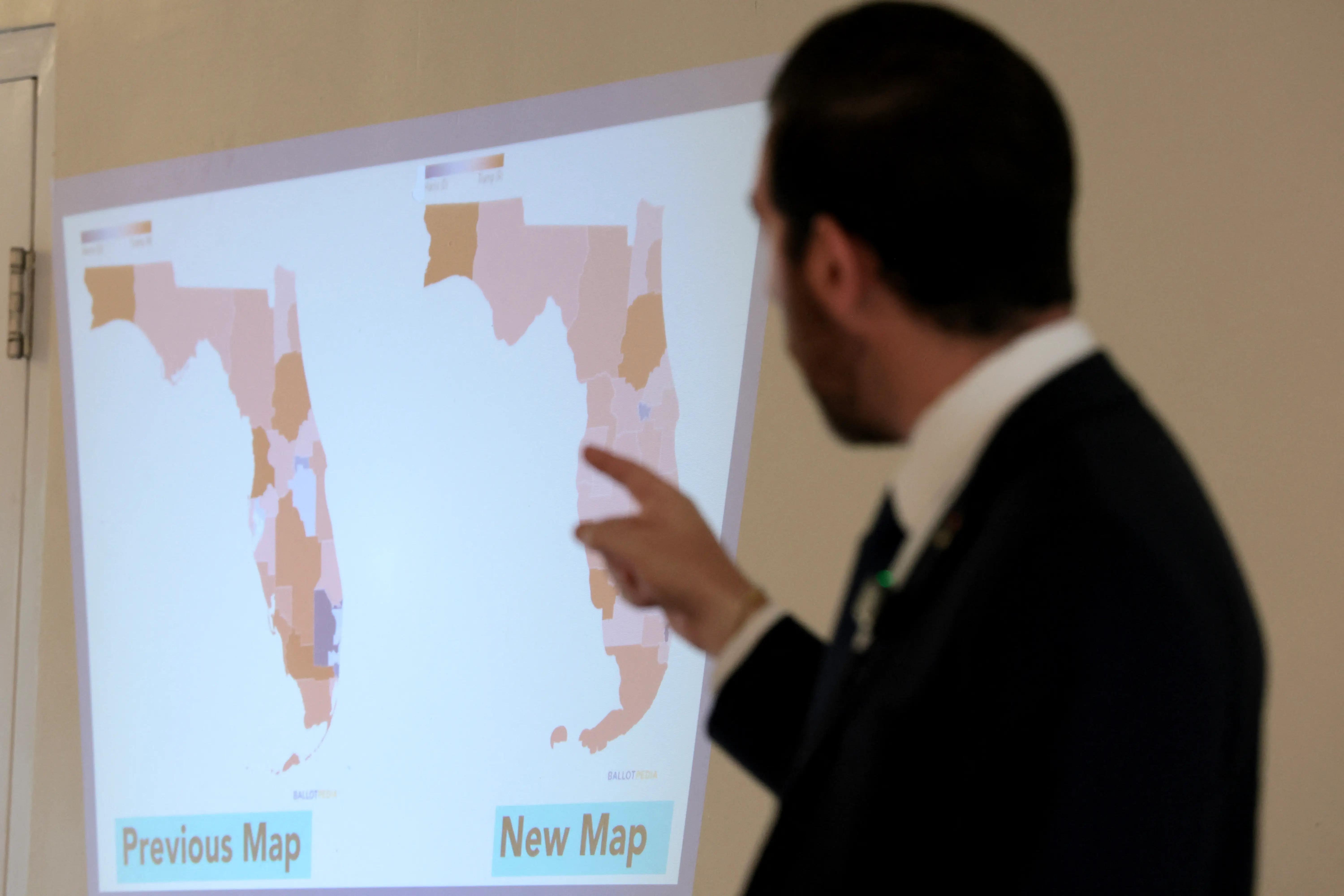
Republicans already control 20 of Florida's 28 House seats. A new map backed by Republican Governor Ron DeSantis is designed to improve Republican chances in four additional Democratic-held districts.
That gives Republicans another potentially significant block of seats without needing to rely entirely on traditionally competitive states.
Florida's map has also faced legal challenges over whether it violates the state constitution's restrictions on drawing districts specifically to favour or disadvantage a political party.

North Carolina: One more Republican seat
Republicans control 10 of North Carolina’s 14 House seats. The new map is expected to give the party a chance to capture one more Democratic-held district.
That may sound small compared with Texas or Florida, but when the House majority could come down to only a handful of seats, one additional district can become crucial.

Alabama: A race and voting-rights battle
Alabama's redistricting fight is tied closely to the country's broader debate over race and voting rights.
A Republican-backed map is expected to give the party an advantage in one additional House seat. The map has been at the centre of litigation over whether Black voters were improperly diluted.

Tennessee: Breaking up a Democratic stronghold
Tennessee's new map targets the state's lone Democratic-held House district, centred around Memphis.
Republicans control the state's other eight districts. The new boundaries break up the Memphis-based Democratic district and distribute its Democratic-leaning voters across districts that are more favourable to Republicans.
The result is expected to give Republicans a chance to gain one additional House seat.
Notably, the change has also raised questions about the representation of Black voters because the district being dismantled was majority Black.

Missouri: One seat, but with a catch
Missouri's Republican-backed map was designed to dismantle a Democratic-held seat based in Kansas City and give Republicans an advantage in seven of the state's eight congressional districts.
But Missouri is an important example of why redistricting numbers should not be treated as guaranteed House gains. The state's 2025 map is currently on hold after the Missouri Supreme Court ruled that voters should decide whether to repeal it. The 2022 map has been put back in place pending the November 2026 referendum.

Ohio: Up to two Republican opportunities
Ohio's map could also help Republicans. A new map approved by the state's redistricting commission improves Republican chances of flipping up to two Democratic-held seats, although it was more moderate than some Republicans had initially sought. Republicans currently control 10 of Ohio's 15 House districts.
California: Democrats fight back
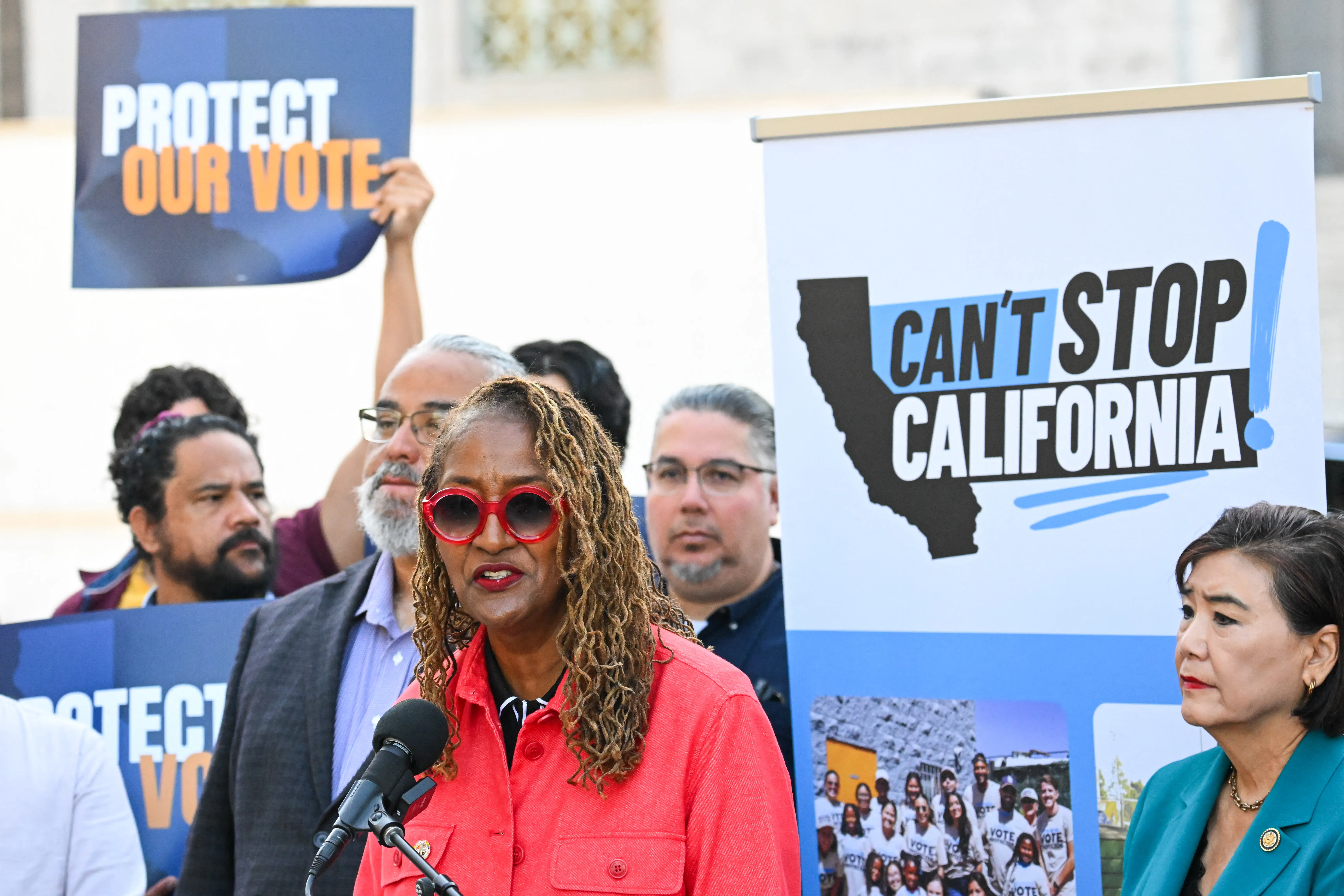
Republicans are not the only party using redistricting to change the House battlefield. California Democrats responded to the Texas map with a new congressional map aimed at flipping up to five Republican-held seats.
California is already overwhelmingly Democratic at the congressional level, with Democrats holding 43 of its 52 House seats. But the new boundaries shift several competitive districts further to the left.
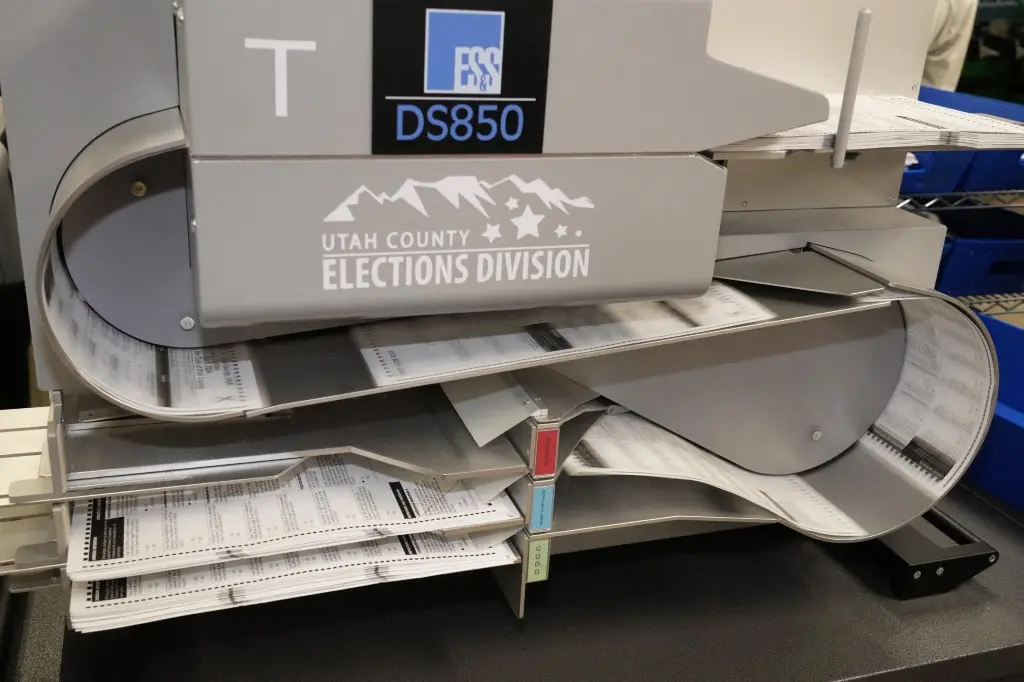
Utah: A Democratic opportunity
Utah offers a smaller but potentially important Democratic gain. A state judge rejected the previous Republican-drawn map as illegally partisan and imposed an alternative map that is expected to give Democrats a chance to flip one of the state's four Republican-held House seats.
That gives Democrats a potential offset to some of the Republican gains elsewhere.

What about Virginia?
Virginia was another potential Democratic counterattack, but it ultimately did not produce a new map for the 2026 election.
Voters had approved a Democratic-backed redistricting proposal that could have flipped as many as four Republican-held seats. But the Virginia Supreme Court blocked the plan after ruling that lawmakers had not followed the required procedures.

The House math: What Republicans and Democrats stand to gain (and lose)
According to a Reuters analysis, Republicans have gained an advantage in races involving roughly 16 seats through the redistricting process, while Democrats gained an advantage in six newly drawn districts.
Potential Republican advantages from the new maps include:
- Texas: up to 5 seats
- Florida: up to 4 seats
- Ohio: up to 2 seats
- North Carolina: 1 seat
- Tennessee: 1 seat
- Alabama: 1 seat
- Louisiana: 1 seat
- Missouri: 1 seat, subject to the referendum
Potential Democratic advantages include:
- California: up to 5 seats
- Utah: 1 seat
The exact number of seats that will actually change hands is uncertain because a favourable map does not automatically translate into a victory. Candidate strength, turnout, national political conditions and the margins in individual districts still matter.
So, who could win the House? The answer will ultimately depend on voters, not maps alone. But the 2026 redistricting war has changed the battlefield before election day.
)
)
)
)
)