

&imwidth=800&imheight=600&format=webp&quality=medium "US-Iran ceasefire: Why are negotiations happening in Pakistan?")
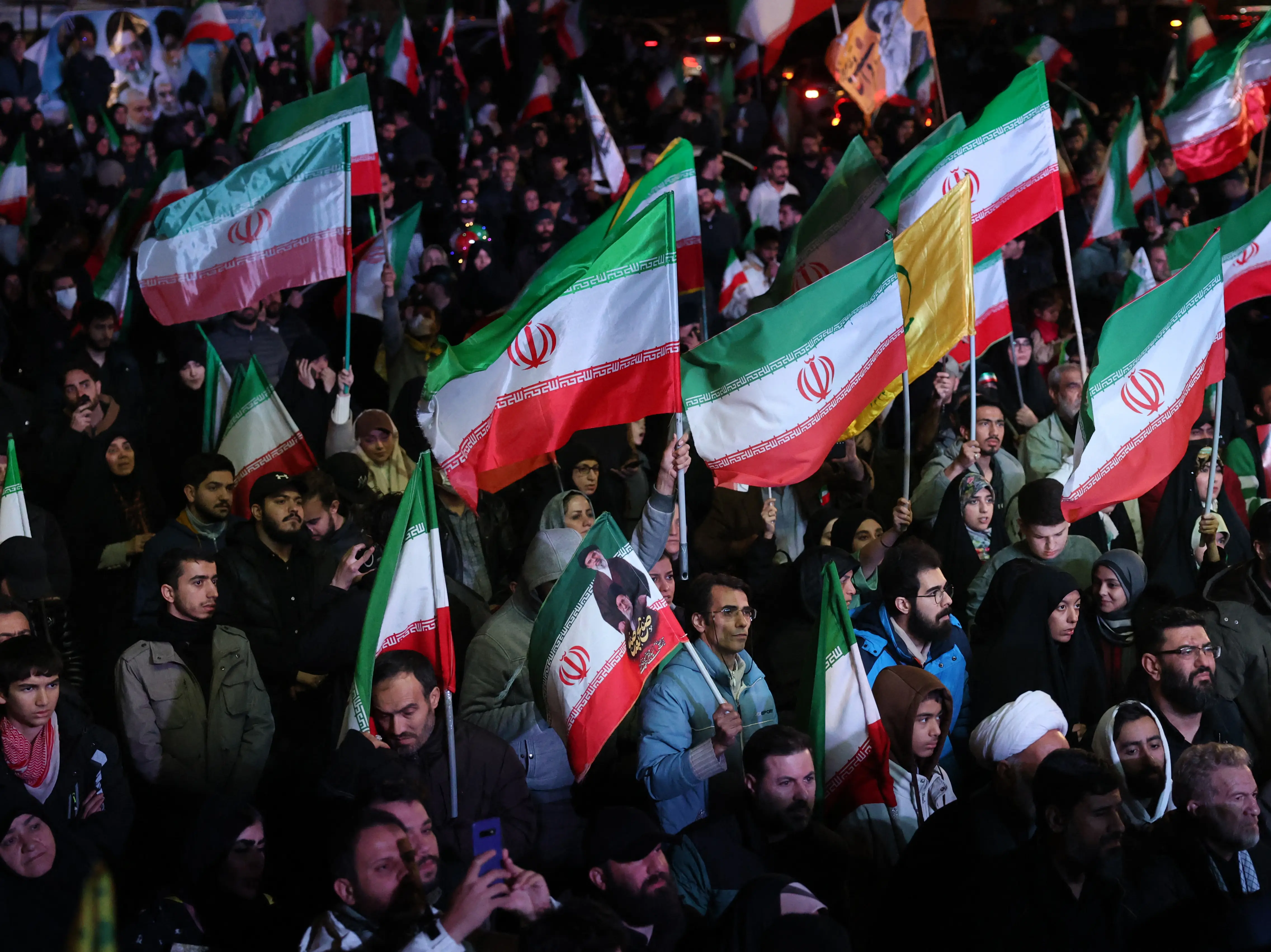
In an unusual move, Pakistan has positioned itself as a major player in geopolitics, mediating the ceasefire between the United States and Iran that was announced by US President Donald Trump just an hour before his deadline to launch large-scale military strikes. The development follows a last-minute diplomatic push by Pakistan aimed at preventing a major escalation, after Trump had warned that a “whole civilization will die tonight” if an agreement was not reached before his deadline. The initial two-week ceasefire will follow negotiations in Islamabad.
Pakistani Prime Minister Shehbaz Sharif presented the ceasefire plan to Trump late Tuesday (Apr 7), which both countries have now agreed to. Several other nations, including Egypt, Turkey and Saudi Arabia, have also acted as mediators between the warring countries.
Why are talks taking place in Pakistan?
Pakistan shares a long border and cultural ties with Iran. It also shares religious ties and is home to the largest population of Shia Muslims outside of Iran.
While other Islamic countries in the Gulf host US military bases, Pakistan does not have any US bases in its territory. Amid the Strait of Hormuz crisis, Iran has also allowed some Pakistani ships to pass through the strategic shipping waterway.
Islamabad has also emerged as a key US partner in Trump’s second term. The US president has referred to the head of its military, Asim Munir, as his “favourite field marshal.”
Trending Stories
&imwidth=180&imheight=135&format=webp&quality=medium)
Pakistan to head IMF, World Bank boards after 74 years amid persistent economic crisis
&imwidth=180&imheight=135&format=webp&quality=medium)
Russian woman and Bihar boy's love story goes viral after she reaches India to marry him
&imwidth=180&imheight=135&format=webp&quality=medium)
'We are not sitting in ivory towers, we are aware': SC issues notice to Rahul Gandhi, Akhilesh Yadav
&imwidth=180&imheight=135&format=webp&quality=medium)
Group's fibre-optic drones pose new challenge for Israel
&imwidth=180&imheight=135&format=webp&quality=medium)
CJP's Tiranga march: People hit streets of Delhi again, reiterate call for Gyanesh Kumar's resignation
&imwidth=180&imheight=135&format=webp&quality=medium)
US midterms 2026: Ken Paxton may have Elon Musk to thank if he wins the Texas Senate race. Here's why
&imwidth=180&imheight=135&format=webp&quality=medium)
Trump invokes national interest to waive new Russia sanctions, tariffs; India gets relief from 100% tariff threat
&imwidth=180&imheight=135&format=webp&quality=medium)
Ankita Bhandari murder case: Parents meet CBI, seek impartial investigation
&imwidth=180&imheight=135&format=webp&quality=medium)
US budget deficit nears $2 trn as tariff refunds rise; debt crosses $40 trn
&imwidth=180&imheight=135&format=webp&quality=medium)
Gravitas | Iran threatens to hit key bridges in 7 countries if US resumes strikes
&imwidth=180&imheight=135&format=webp&quality=medium)
‘Pee-wee Herman’: Trump mocks Jon Ossoff’s appearance at Georgia rally, repeats false claim about El-Sayed
&imwidth=180&imheight=135&format=webp&quality=medium)
Ukraine drone strike disrupts 22 Russian airports, over 200 flights

Not Khan but Pal: Why did Imran Khan choose his mother's surname over his father's? Family tree explained
&imwidth=180&imheight=135&format=webp&quality=medium)
A secret code, a midnight escape and 300 deaths: The Russian officer who turned on Putin
&imwidth=180&imheight=135&format=webp&quality=medium)
Oregon school shooting: 16-year-old shooter identified, used shotgun bought by mother; Trump praises bystander who shot gunman as 'great hero'
&imwidth=180&imheight=135&format=webp&quality=medium)
After ODIs, T20Is and Tests, cricket set to introduce a new format: All you need to know
&imwidth=180&imheight=135&format=webp&quality=medium)
China tells Israel to stop West Bank settlements, calls Palestine issue ‘historic injustice’
&imwidth=180&imheight=135&format=webp&quality=medium)
‘My president, I mean my husband’: Trump's new press secretary Katie Zacharia's first briefing goes off the rails in 14 minutes
&imwidth=180&imheight=135&format=webp&quality=medium)
China responds to Trump's Press Secretary Katie Zacharia after toilet remark: 'Visit China more often'
&im=FitAndFill=(700,400)&imwidth=180&imheight=135&format=webp&quality=medium)
Who left the White House podium the fastest? Press secretaries with the shortest stints
&imwidth=180&imheight=135&format=webp&quality=medium)
Vijay Deverakonda and Rashmika Mandanna's Ranabaali X Review: Netizens call it history-rich but overstuffed
&imwidth=180&imheight=135&format=webp&quality=medium)
Israel examines Russia's Shahed-type drones sent by Ukraine to combat Iran | Gravitas
&imwidth=180&imheight=135&format=webp&quality=medium)
US midterms 2026: Alexandria Ocasio-Cortez donates $1 million to Abdul El-Sayed’s as Michigan race heats up
&imwidth=180&imheight=135&format=webp&quality=medium)
Here’s who is eyeing the White House press secretary role after Katie Zacharia’s exit
&imwidth=180&imheight=135&format=webp&quality=medium)
BCCI names India’s ODI squad for New Zealand tour, Gill and Iyer to share captaincy
&imwidth=180&imheight=135&format=webp&quality=medium)
Abhishek Sharma sets all-time record for most T20I sixes in a year
&imwidth=180&imheight=135&format=webp&quality=medium)
US midterms 2026: Dan Sullivan’s ‘gotcha’ attempt backfires against Mary Peltola in fiery Alaska Senate debate
&im=FitAndFill=(700,400)&imwidth=180&imheight=135&format=webp&quality=medium)
Inside Tesla's Roadster: 10 features of Elon Musk's 'flying car' that push the limits of electric vehicles | In Pics
&imwidth=180&imheight=135&format=webp&quality=medium)
India’s naval priorities: Ex-Navy Chief calls for third aircraft carrier, more warships and submarines
&im=FitAndFill=(700,400)&imwidth=180&imheight=135&format=webp&quality=medium)
New Friday OTT releases (October 16, 2026): DC, Sacrifice, Aasha- 6 new movies and TV shows coming on Netflix, Zee 5, Prime Video and more
&imwidth=180&imheight=135&format=webp&quality=medium)
India's Gen Z rebellion: Can the 'Lehra Do Tiranga' movement reshape the political order? | The Verdict

US ends automatic work permit extensions; Indian workers lose 540-day safety net: What it means
&im=FitAndFill=(700,400)&imwidth=180&imheight=135&format=webp&quality=medium)
Salman Khan-Karisma Kapoor reunion at Koffee with Karan season 9 sparks nostalgia: A look at their most loved films
&imwidth=180&imheight=135&format=webp&quality=medium)
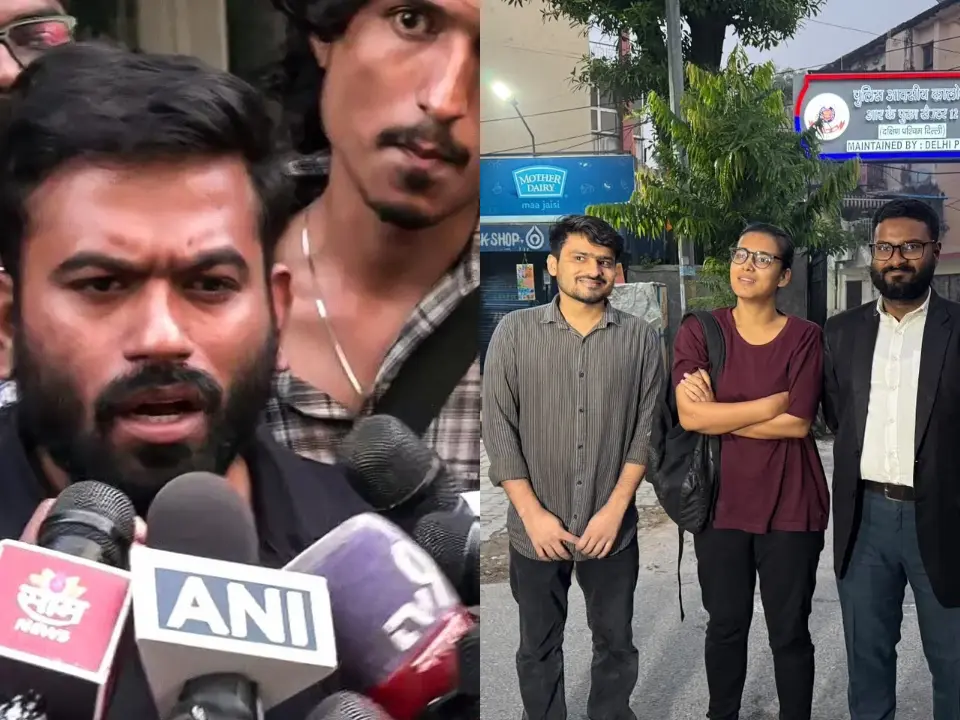
Delhi police places CJP's Abhijeet Dipke under preventive arrest over breach of peace, AISA Chief Neha Bora released
&imwidth=180&imheight=135&format=webp&quality=medium)
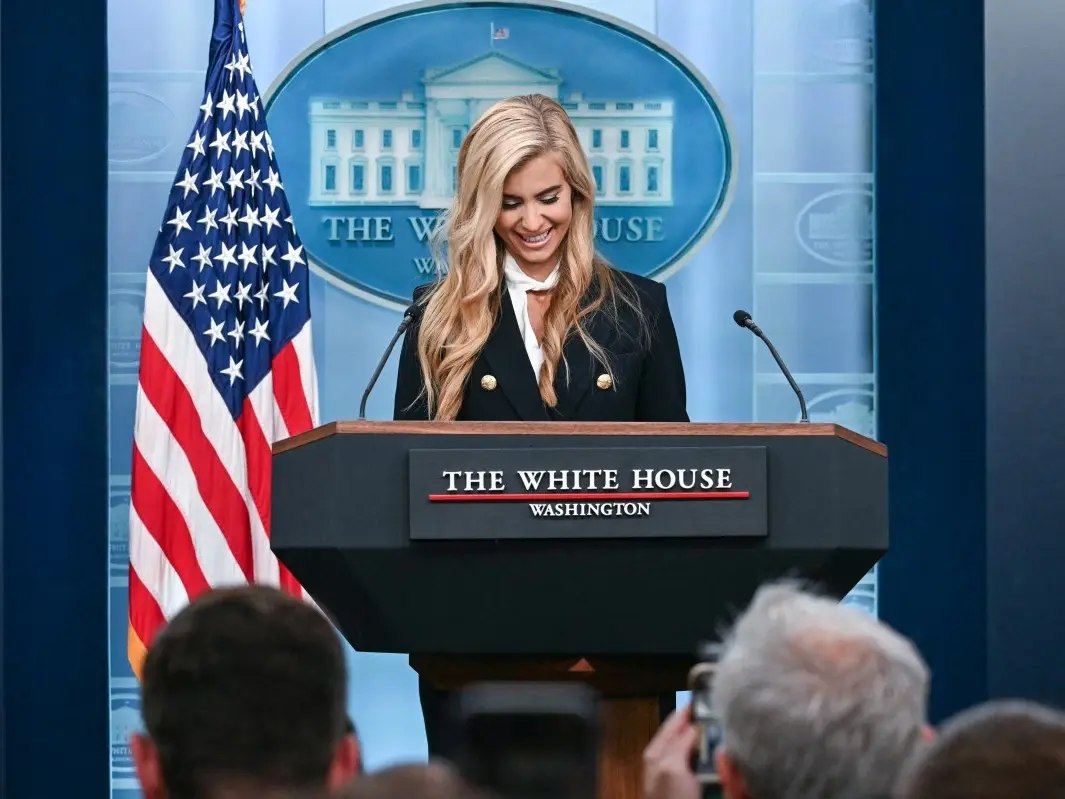
Did Trump just fire Katie Zacharia as his new press secretary? Here’s what he said
&imwidth=180&imheight=135&format=webp&quality=medium)
Iran rejects Saudi allegations of backing Houthi attacks, renews mediation offer
Read more | Iran ceasefire deal: Talks with US in Islamabad on Friday; approved by Mojtaba Khamenei — Reports
What benefits does Pakistan have?
Pakistan also has its own incentives for de-escalating the situation in West Asia, given its dependence on energy supplies in the region. The country is currently facing a crisis amid the rising oil prices across the world. Earlier this month, petrol and diesel prices in Pakistan rose by up to 54 per cent. Following the “unavoidable” increase, the government was forced to raise petrol prices by 137 rupees (49 cents) per litre, following a 20 per cent increase last month. While diesel prices were increased by 184.49 rupees (67 cents) per litre, climbing about 54.9 per cent.
Washington’s interest in Pakistan’s rare earth
In recent months, Pakistan has also grabbed Washington’s interest after it declared having a massive trove of rare earths and critical minerals. Last year, Trump announced a deal with Pakistan, saying that the United States would work with Pakistan on “developing their massive oil reserves”. However, the claims have not been substantiated yet, and no commercial drilling has confirmed the existence, size, or quality of the reserves. Experts have cautioned that Pakistan’s oil reserves lack development plans, proven recoverability, or commercial viability.
Disclaimer: WION takes utmost care to accurately and responsibly report ongoing conflicts in West Asia involving Israel, Iran, the US, Gulf nations and non-state actors like Hezbollah, Hamas, Houthis, Islamic State, and others. Claims and counterclaims, disinformation and misinformation are being made online and offline. Given this context, WION cannot independently verify the authenticity of all statements, social media posts, photos and videos.

