US government enters partial shutdown after Congress misses budget deadline

&imwidth=600&imheight=450&format=webp&quality=medium "US government enters partial shutdown after Congress misses budget deadline")
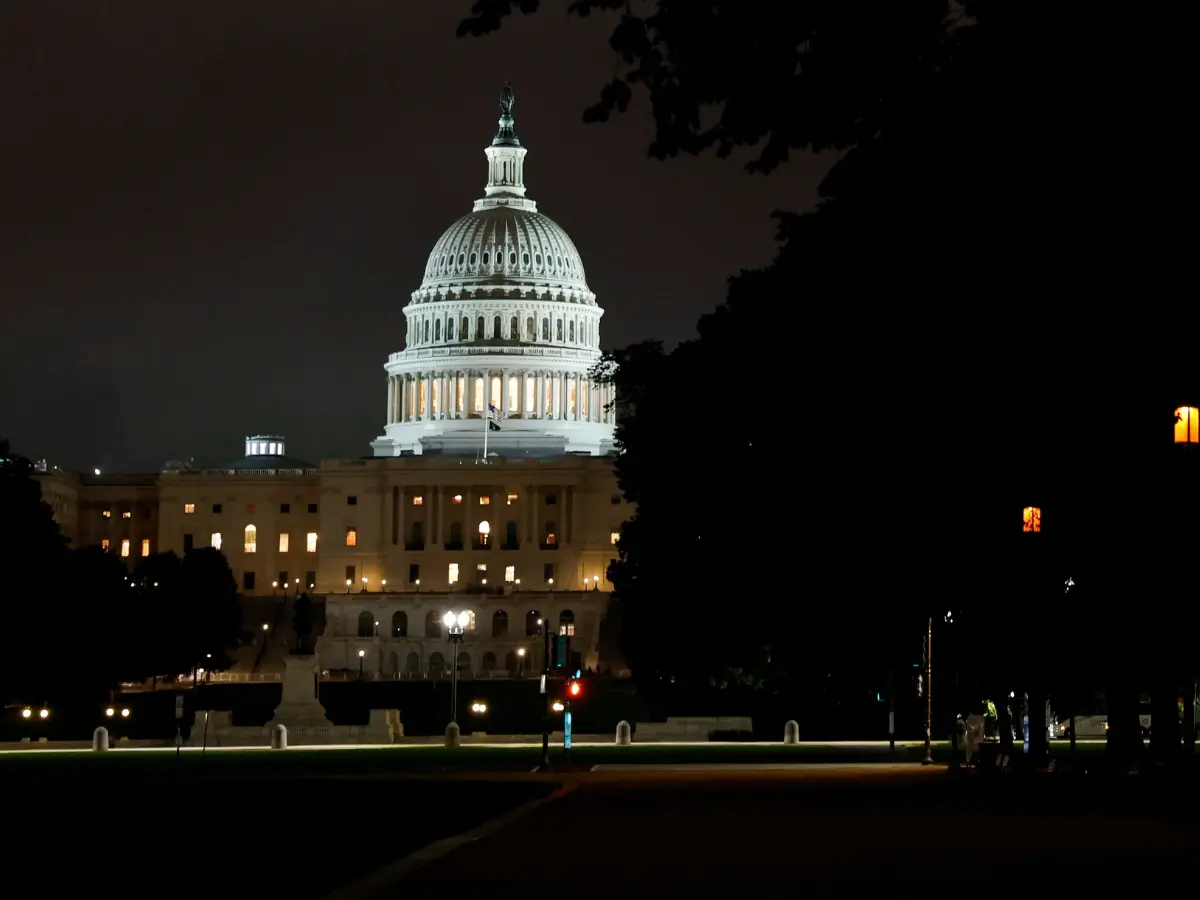
US Capitol Photograph: (AFP)
The US entered a partial government shutdown after Congress failed to pass the full 2026 budget before the deadline. Talks collapsed over Democratic anger at federal agents killing two protesters in Minneapolis.
The US government early on Saturday (Jan 31) slipped into a partial shutdown after the US Congress failed to approve a full 2026 budget before the midnight deadline. The disruption is expected to be limited. Lawmakers in both parties say the House is likely to ratify a Senate-backed deal early next week, which would restore funding within days and avoid a prolonged crisis. For now, roughly three quarters of federal operations are technically affected, triggering shutdown procedures across multiple departments.
What caused the shutdown?
This latest funding lapse was driven less by fiscal math and more by uproar over the killing of civilians by federal agents deployed by US President Donald Trump. According to AFP, negotiations collapsed after Democrats walked away from talks over new funding for the Department of Homeland Security, following the killing of two protesters in Minneapolis by federal immigration agents.
Also read | Trump, Musk, Gates and more: Big names mentioned in DOJ's latest Epstein files release | In pictures
Senate Democratic Minority Whip Dick Durbin accused the administration of misusing federal resources. On X, he wrote, "Instead of going after drug smugglers, child predators, and human traffickers, the Trump Administration is wasting valuable resources targeting peaceful protestors in Chicago and Minneapolis."
"This Administration continues to make Americans less safe," he said.
Trending Stories
&imwidth=280&imheight=210&format=webp&quality=medium)
&im=FitAndFill=(700,400)&imwidth=280&imheight=210&format=webp&quality=medium)
&imwidth=280&imheight=210&format=webp&quality=medium)
&imwidth=280&imheight=210&format=webp&quality=medium)
&imwidth=280&imheight=210&format=webp&quality=medium)
&im=FitAndFill=(700,400)&imwidth=280&imheight=210&format=webp&quality=medium)
&imwidth=280&imheight=210&format=webp&quality=medium)
&imwidth=280&imheight=210&format=webp&quality=medium)
&imwidth=280&imheight=210&format=webp&quality=medium)
&imwidth=280&imheight=210&format=webp&quality=medium)
&imwidth=280&imheight=210&format=webp&quality=medium)
&imwidth=280&imheight=210&format=webp&quality=medium)
&imwidth=280&imheight=210&format=webp&quality=medium)
&imwidth=280&imheight=210&format=webp&quality=medium)
&imwidth=280&imheight=210&format=webp&quality=medium)
&imwidth=280&imheight=210&format=webp&quality=medium)
&imwidth=280&imheight=210&format=webp&quality=medium)
&imwidth=280&imheight=210&format=webp&quality=medium)
&imwidth=280&imheight=210&format=webp&quality=medium)
&imwidth=280&imheight=210&format=webp&quality=medium)
&imwidth=280&imheight=210&format=webp&quality=medium)
&imwidth=280&imheight=210&format=webp&quality=medium)
&imwidth=280&imheight=210&format=webp&quality=medium)
&imwidth=280&imheight=210&format=webp&quality=medium)
&im=FitAndFill=(700,400)&imwidth=280&imheight=210&format=webp&quality=medium)
&imwidth=280&imheight=210&format=webp&quality=medium)
&imwidth=280&imheight=210&format=webp&quality=medium)
&imwidth=280&imheight=210&format=webp&quality=medium)
&imwidth=280&imheight=210&format=webp&quality=medium)
&imwidth=280&imheight=210&format=webp&quality=medium)
&imwidth=280&imheight=210&format=webp&quality=medium)
&imwidth=280&imheight=210&format=webp&quality=medium)
&imwidth=280&imheight=210&format=webp&quality=medium)
&imwidth=280&imheight=210&format=webp&quality=medium)
&imwidth=280&imheight=210&format=webp&quality=medium)
What would the shutdown affect?
According to the report, roughly three-quarters of federal operations are set to be affected by the government shutdown. It can also potentially trigger shutdown procedures across a wide range of agencies and operations, from education and health to housing and defense. Federal departments were expected to begin implementing shutdown plans overnight, but congressional leaders in both parties said the Senate's action made a short disruption far more likely than a prolonged impasse.
How bad could this get
If the House passes the deal next week, the shutdown will likely be more symbolic than disruptive.
But if talks drag on, the consequences escalate quickly. Tens of thousands of federal workers could be furloughed or forced to work without pay. Contractors would face delayed payments. Services across education, housing, health and defence would be affected.
What is actually funded
Late Friday, the Senate passed a package clearing five outstanding funding bills that would keep most federal agencies running through September. It also approved a two-week stopgap measure for DHS, buying time for further negotiations over immigration policy. The House of Representatives, however, was out of session when the deadline hit and is not scheduled to return until Monday.

