US finalises rule that would ban using and importing cancer-causing asbestos

Asbestos
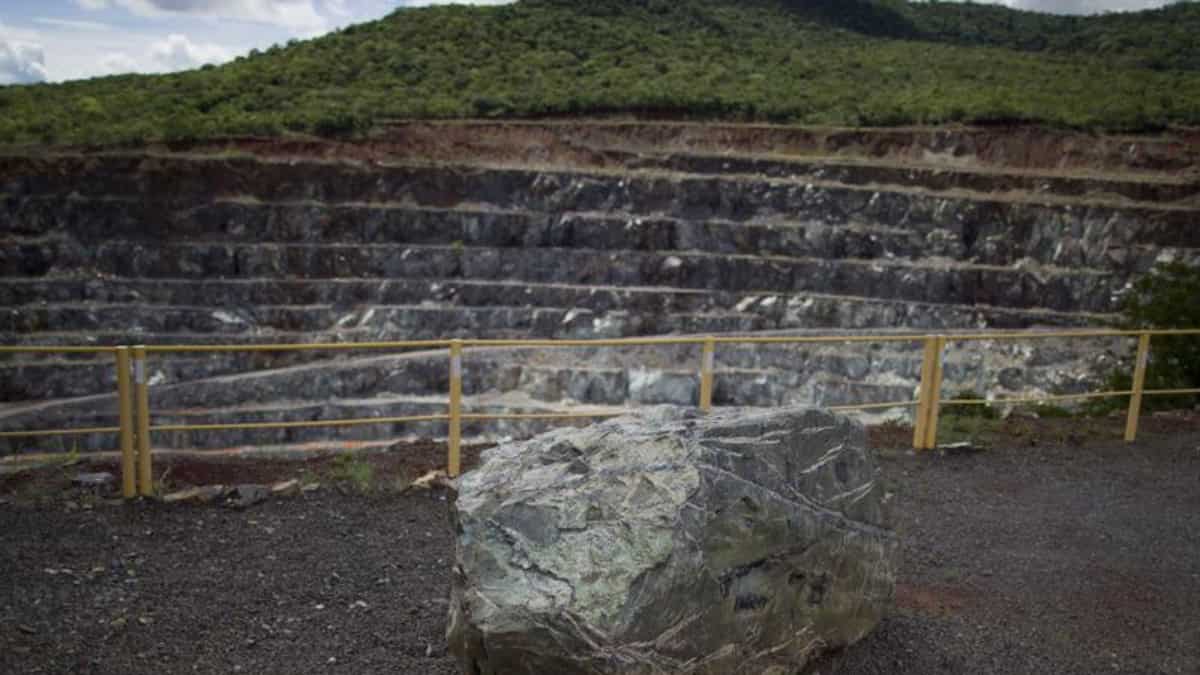
The US Environmental Protection Agency on Monday (Mar 18) finalised a rule that would ban using and importing cancer-causing chrysotile asbestos.
It is a material which is still used in some vehicles and industrial facilities in the US. Asbestos is the first chemical banned under a 2016 chemical safety law.
A report by the Washington Post mentioned that asbestos is part of hazardous minerals linked to lung cancer and other ailments, which the FDA estimates cause over 40,000 deaths in the US each year.

The federal prohibition comes more than 30 years after the EPA attempted to rid the country of asbestos. The ban on ongoing uses of asbestos is the first rule to be finalised under the 2016 amendments to the nation's chemical safety law, the Toxic Substances Control Act (TSCA).
The government in a statement that the action "marks a major milestone for chemical safety after more than three decades of inadequate protections and serious delays during the previous administration to implement the 2016 amendments".
)
Oxford United's new clothing line featured 'United 93' phase
&im=FitAndFill=(700,400))
‘Not the US or China’: These are the countries leading the world in arable land
)
Pentagon revives mandatory testosterone testing for male troops aged 30 and above
)
Mark Carney mimics Trump in hilarious moment over C$70 billion clean-energy investment; room erupts in laughter
)
Iran rebuilding nuclear facilities? New satellite images show Tehran may be rapidly restoring bombed Parchin base
)
It's a girl! Deepika Padukone and Ranveer Singh welcome their second child
)
FACT CHECK: Why did PM Modi ask Xi ‘is it okay’ at BRICS Summit? New video reveals...
)
Putin: European leaders using war rhetoric to save falling ratings
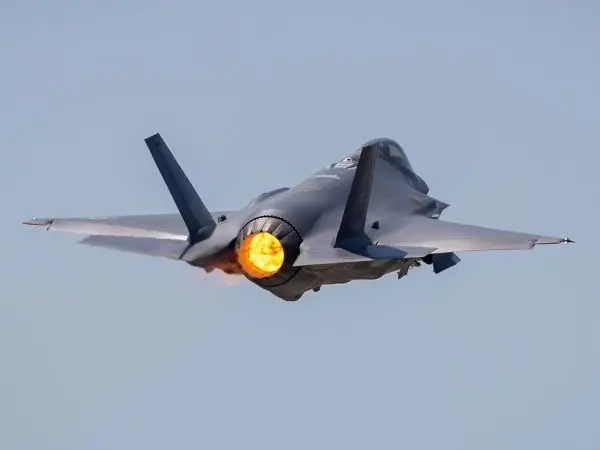)
China may have gained access to US's classified F-35 jets; parts meant for repairs diverted to Hong Kong, sparking Pentagon inquiry
)
Trump announces ‘AI Force’ as debate grows over AI risks and regulation
)
Arvind Kejriwal, family members, Delhi CM Rekha Gupta get SIR notices
)
Cochin shipyard starts building Indian Navy's next-gen missile vessels
)
Russia extends ban on Western food imports for two more years in extended sanctions countermeasure
)
Brigitte Bardot’s private collection set for Paris auction; key items and prices revealed
)
Why Ranveer Singh’s Dhurandhar missed India’s Oscar entry; FFI jury member reveals what happened
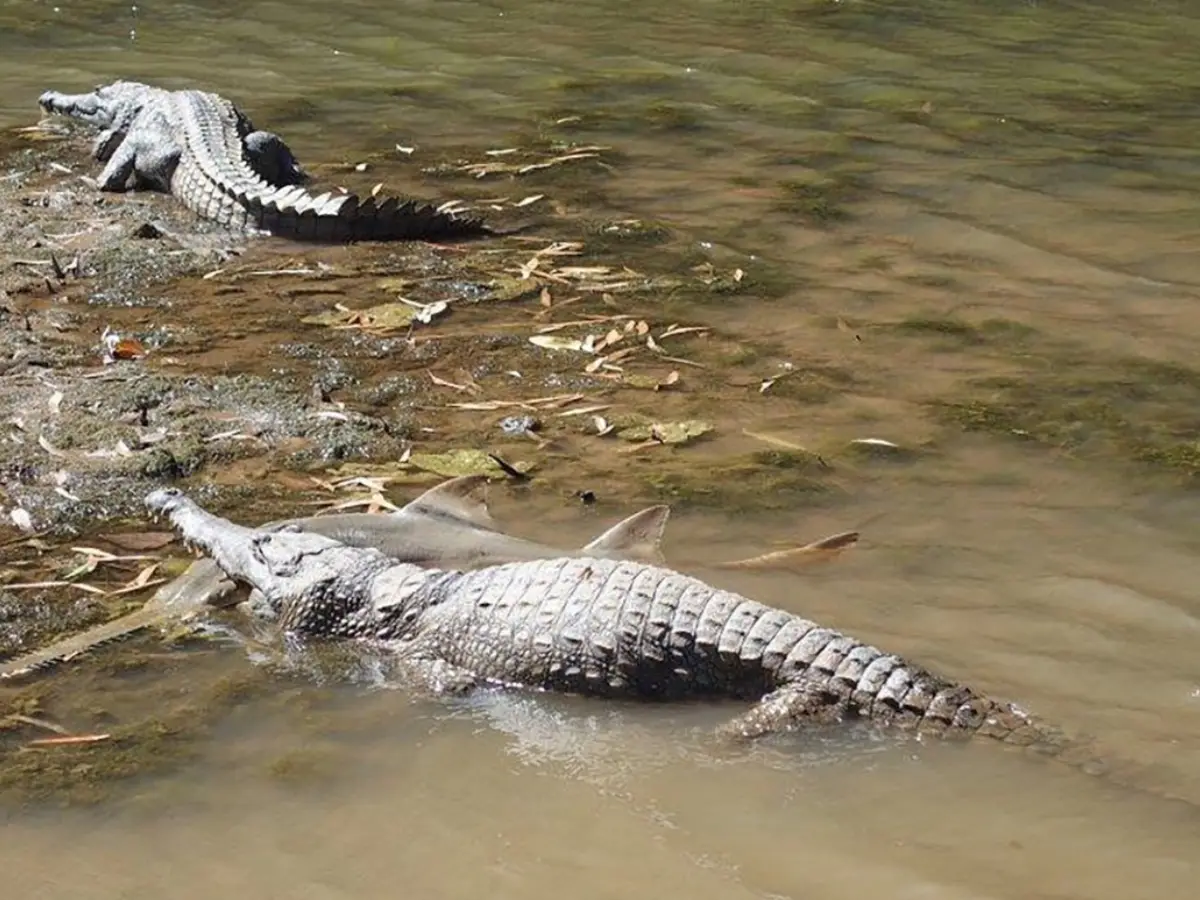)
How did an Australian river with 500 crocodiles pass the Olympic test? Here's how
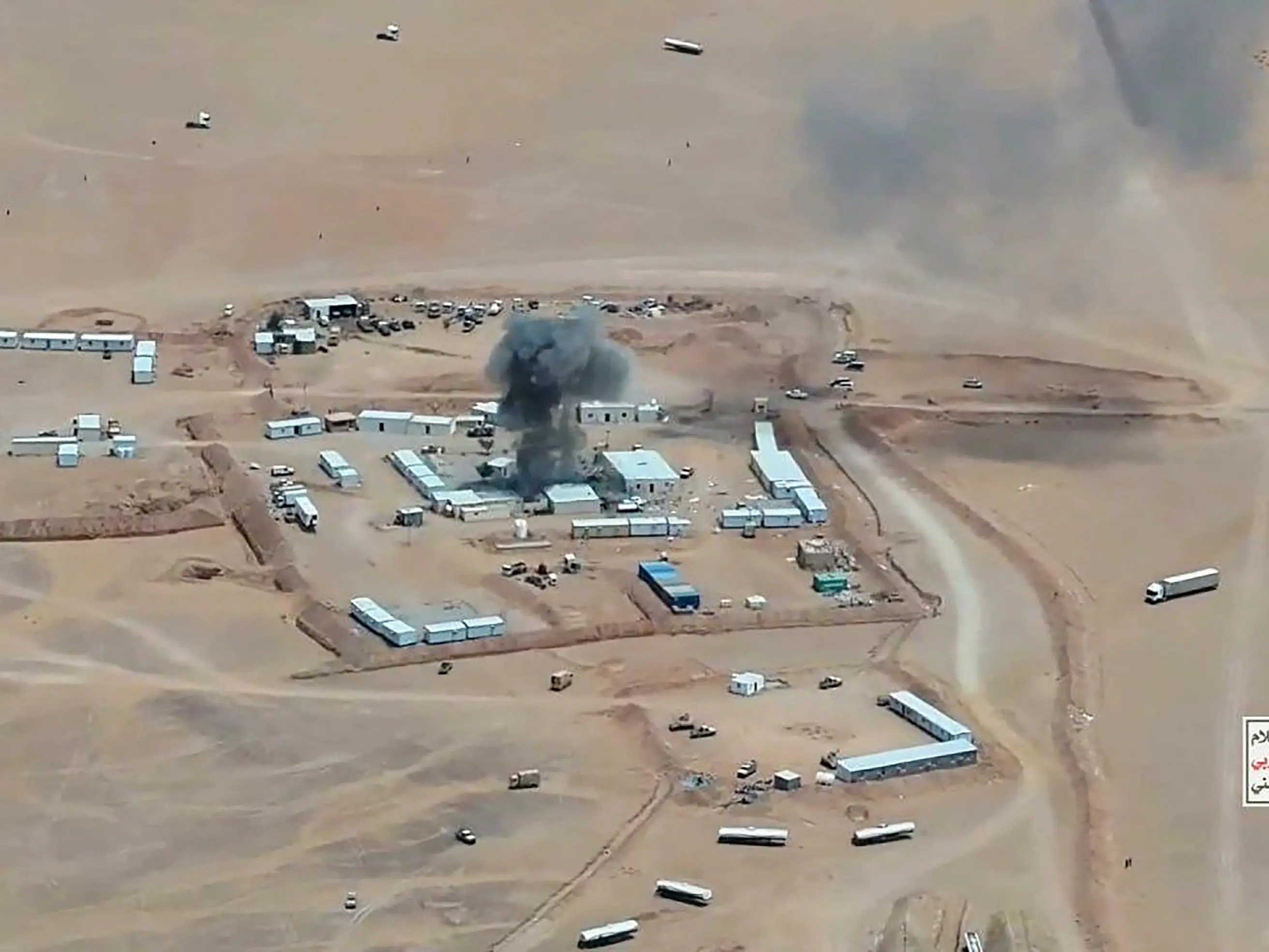)
‘Will go to any extent’: Pakistan vows to defend Saudi Arabia amid Houthi attacks
&im=FitAndFill=(700,400))
Ananya Panday to Sharvari: 5 actresses serving major princess vibes
66 years of the Indus Waters Treaty: How India and Pakistan settled a bitter river dispute
)
The Verdict | When precision fails: US commits war crime in Minab school strike, UN finds
)
Trump signs Russia sanctions bill into law, targets Moscow’s energy sector
Russia attacks Ukraine with 174 drones, kills 8; 2 vessels hit in Black Sea
)
Pak: A series of counter terrorism operations in Khyber Pakhtunkhwa
)
Flying cars in UAE: Ras Al Khaimah signs deal with Chinese company to test new transport
)
Reacher star Alan Ritchson opens up about alleged blackmail, suicide attempt during difficult period
)
Africa is splitting, and a lot sooner than estimated, giving way to a new ocean
)
Ajit Agarkar’s future as chief selector to be decided at right time, says BCCI secretary
)
Trump bans CNN, MS NOW and Politico from White House over ‘FAKE NEWS’
)
Trump 2.0: Dark days ahead for America’s ‘imperial presidency’
&im=FitAndFill=(700,400))
How many F-35s does Britain, Japan and Israel have?
)
Tirupati Laddu ghee adulterated with chemicals, says ED, supplier arrested
)
Trump extends H-1B visa's $100,000 fee until September 2027: What it means for Indians?
)
Russia holds first parliamentary elections since the beginning of the Ukraine war
&im=FitAndFill=(700,400))
Meet top 5 Indian batters with fastest T20I centuries
)
‘System run by six individuals’: Rahul Gandhi targets PM Modi, Amit Shah, NSA Doval
)
)
The use of asbestos in manufacturing and construction has declined but is still used in some chlorine bleach, brake pads and other products and remains a significant health threat.
EPA administrator Michael Regan said, "Folks, it's been a long road. But with today's ban, EPA is finally slamming the door on a chemical so dangerous that it has been banned in more than 50 countries."
Regan said, "This historic ban is more than 30 years in the making, and it's thanks to amendments that Congress made in 2016 to fix the Toxic Substances Control Act".
In a statement by the White House, "President Biden’s Cancer Moonshot is accelerating progress to prevent, detect, and treat cancer while boosting support for families facing cancer, including by undertaking an aggressive effort to protect families and workers from hazardous chemicals like known carcinogens."
(With inputs from agencies)