US diplomat reveals the reason behind Trump's rejection of Iran's ceasefire proposal. Here's what he said

&imwidth=600&imheight=450&format=webp&quality=medium "US diplomat reveals the reason behind Trump's rejection of Iran's ceasefire proposal. Here's what he said")
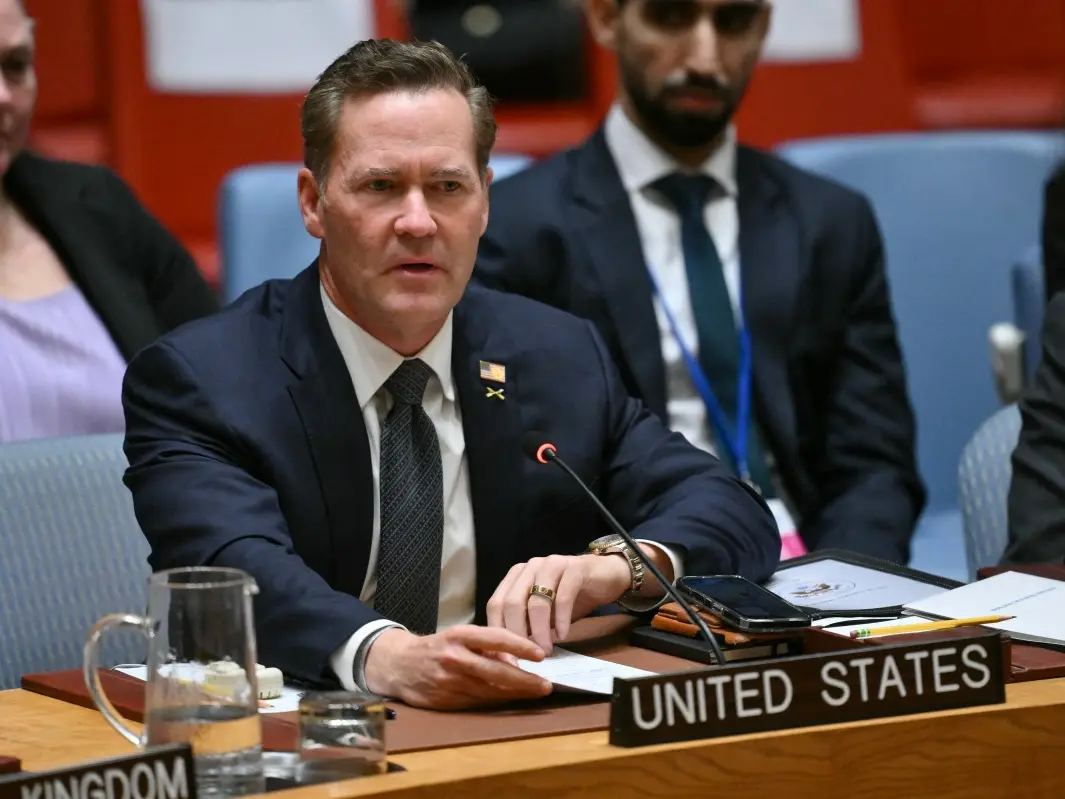
US Ambassador to the United Nations Mike Waltz speaks during a UN Security Council meeting on Ukraine during the 81st United Nations General Assembly at the United Nations Headquarters Photograph: (AFP)
Trump rejects Iran's truce proposal after Tehran seeks sanctions relief, asset access and an end to the US blockade before resuming talks
US President Donald Trump has rejected Iran's latest truce proposal aimed at restarting negotiations to end the ongoing conflict in the Middle East, with US Ambassador to the United Nations Mike Waltz saying Tehran demanded too many concessions before returning to the negotiating table. Speaking to NBC News, Waltz said Iranian negotiators sought the lifting of the US naval blockade of Iranian ports, sanctions relief and other measures upfront as conditions for resuming talks. According to Waltz, Trump does not trust Tehran to honour its commitments based on previous negotiations.
"This was, I think, a pretty cynical attempt to put something on the table that they knew was unacceptable. To ask for the release of the blockade, the sanctions, international sanctions, and access to billions in assets, just to talk," he said. Trump rejected the proposal and argued that Iranian leaders were seeking a deal because ‘they are losing so badly’.
Waltz said the US president remains focused on reaching an eventual arrangement but intends to maintain pressure on Iran. "I think it's kind of common sense that the president doesn't have a lot of confidence this time after we just tried a few months ago, but at the end of the day, of course, the president, this has to end in some type of arrangement," Waltz said. "But he's going to leave all options on the table to get there."
Iran responds to US rejection
Iranian Foreign Minister Abbas Araghchi announced Tehran's truce proposal at the United Nations last week. The plan calls for the release of frozen Iranian assets, the lifting of sanctions on Iranian oil and an end to the US naval blockade. The proposal also seeks the reopening of the Strait of Hormuz, one of the world's most important energy shipping chokepoints. The strategic waterway has become a central issue in the confrontation between Washington and Tehran.
Trending Stories
)
)
)
)
)
)
)
)
)
)
)
)
)
)
)
)
)
)
)
)
)
)
)
)
)
)
)
)
)
)
)
)
)
)
)
)
)
According to the account provided, the conflict started nearly seven months ago after the United States and Israel launched a wave of strikes against Iran. Following the US rejection of the proposal, Araghchi criticised the claims made by the American diplomat and said Tehran's demands were based on what it considers existing rights. "We are ready to open the strait if certain things are done by the US, and these certain things are not new and have not come from the space," he said.
"These are our rights that we want to be respected," Araghchi added, taking a pessimistic tone regarding the prospect of a deal.
Araghchi also expressed doubts about the possibility of renewed negotiations with the Trump administration, while leaving open the possibility of diplomacy. "There is also always hope for diplomacy, but we have no reason, to be honest with you, we have no reason to come back to diplomacy and engage with this administration once again because of their behaviour in the past two years," he told NBC.

