
&imwidth=800&imheight=600&format=webp&quality=medium "'Unknown projectile' strikes commercial vessel in Strait of Hormuz")
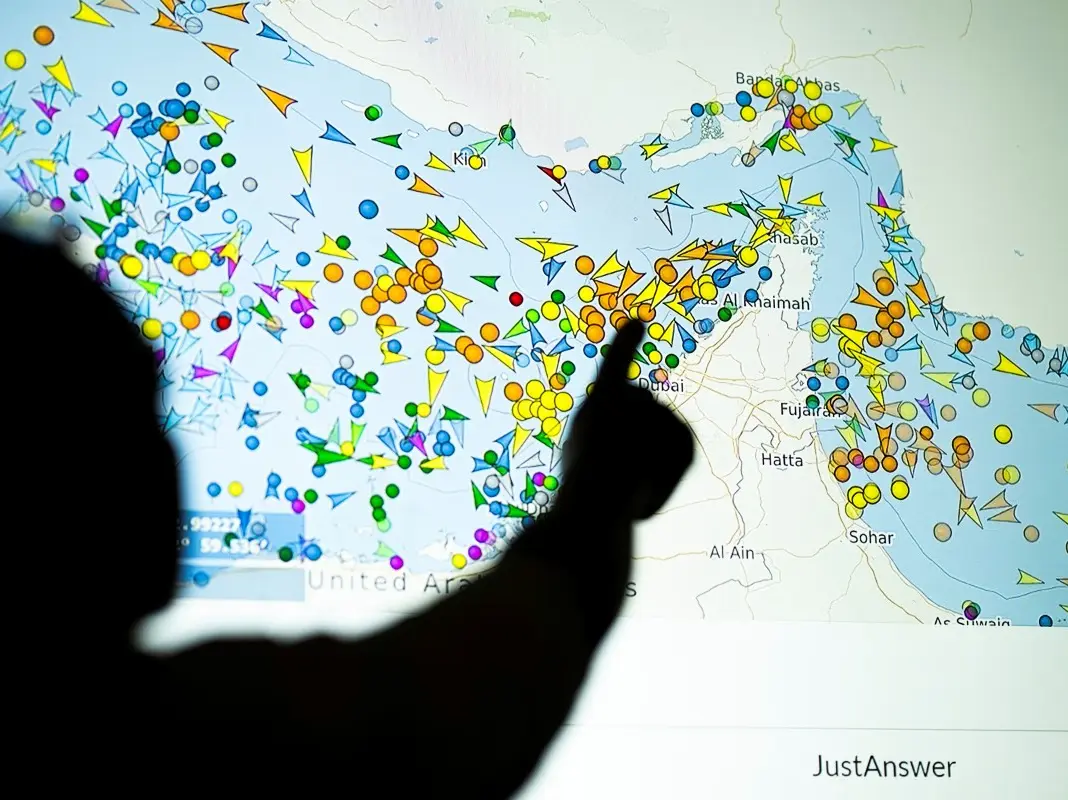
Tensions surrounding global energy security intensified on Sunday (Sep 13) following new reports of maritime attacks and critical infrastructure disruptions in West Asia. The United Kingdom Maritime Trade Operations (UKMTO) reported that a projectile struck a vessel moving through the Strait of Hormuz. Details regarding crew safety and structural damage remain unconfirmed.
The incident followed Saudi Arabia's decision to temporarily shut down its 1,200-kilometre East-West pipeline as a precautionary measure. The shutdown was triggered by a drone attack traced by Riyadh and Baghdad to Iranian-backed groups in Iraq that caused injuries and visible smoke near Medina. For the past six months, while the Strait of Hormuz has remained largely closed, this pipeline has served as a primary bypass route, transporting 4 million to 5 million barrels per day, which is approximately 4% to 5% of global oil supply. The crisis even impacted households back home in India.

The ongoing conflict has pushed Brent crude back above $100 a barrel, with US retail diesel prices surpassing a record $6 per gallon. Saudi Crown Prince Mohammed bin Salman requested US military assistance against Houthi forces during a call with US President Donald Trump. Washington declined direct intervention for now, offering intelligence support instead.
While Houthi forces reportedly seized Perim Island in the Bab el-Mandeb strait. A separate Houthi projectile injured two people in Saudi Arabia's Jazan region. President Trump noted that Houthi representatives also contacted his administration, requesting that the US avoid direct involvement.
Also read: Iran says will discuss Strait of Hormuz with Gulf states to 'promote better understanding'
Trending Stories
)
Why asking questions could be more important than memorising answers
)
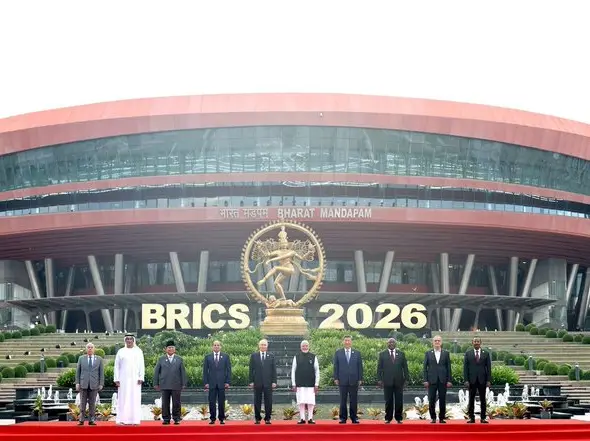
BRICS Summit 2026 full schedule: Day-wise agenda, timings and key issues - All you need to know
)
BRICS Summit 2026: Iran's Pezeshkian praises PM Modi at BRICS
)
Why dehydration is the hidden cause of travel fatigue on long flights
)
‘Differences should not become disputes’: Modi, Xi stress long term India-China ties during bilateral talks
)
Top 5 places to visit in Goa beyond its famous beaches
)
BRICS Summit: All about Xi Jinping's armoured limousine Hongqi that will ferry him in New Delhi
)
BRICS Summit 2026: Modi-Xi meeting to test India-China reset after border tensions
)
BRICS Summit 2026: 30+ countries seek BRICS membership
)
Frustrated man demolishes his kitchen after thousands flock to see Mother Mary his wife spotted on the wall
)
Trump says Canada eager to reach a deal, it could come ‘fairly soon’ if Ottawa treats US farmers better
)
From drones to KAAN fighters: Turkey outlines 229% surge in defence spending amid regional shifts
)
‘Partners, not rivals’: Xi outlines four point plan for stronger India-China ties
)
Could staying indoors all day affect your health?
)
Bigg Boss 20: Uditi Singh reacts to ex Karan Wahi’s possible wildcard entry
)
Why going digital does not always mean becoming more efficient
)
800 million years old - Scientists discover 'fingerprints' of supercontinent Gondwana in ancient rocks
)
ENG vs PAK: Joe Root breaks Sachin Tendulkar’s record for most Test fifties
)
BRICS Declaration: China, Russia back India’s UN role, push for greater Global South representation
)
Israel spent nearly $470,000 on PM's hair, makeup since 2019, data shows
)
From severe mobility problems to recovery: Madhuri the elephant’s journey of wildlife care
)
From India, Putin warns Europe against sending troops to Ukraine, Zelensky expresses willingness to meet him at G20 Summit
)
BRICS Summit 2026: Special BRICS session on 'inclusive global governance'
)
9/11 attack anniversary: The day that changed America forever
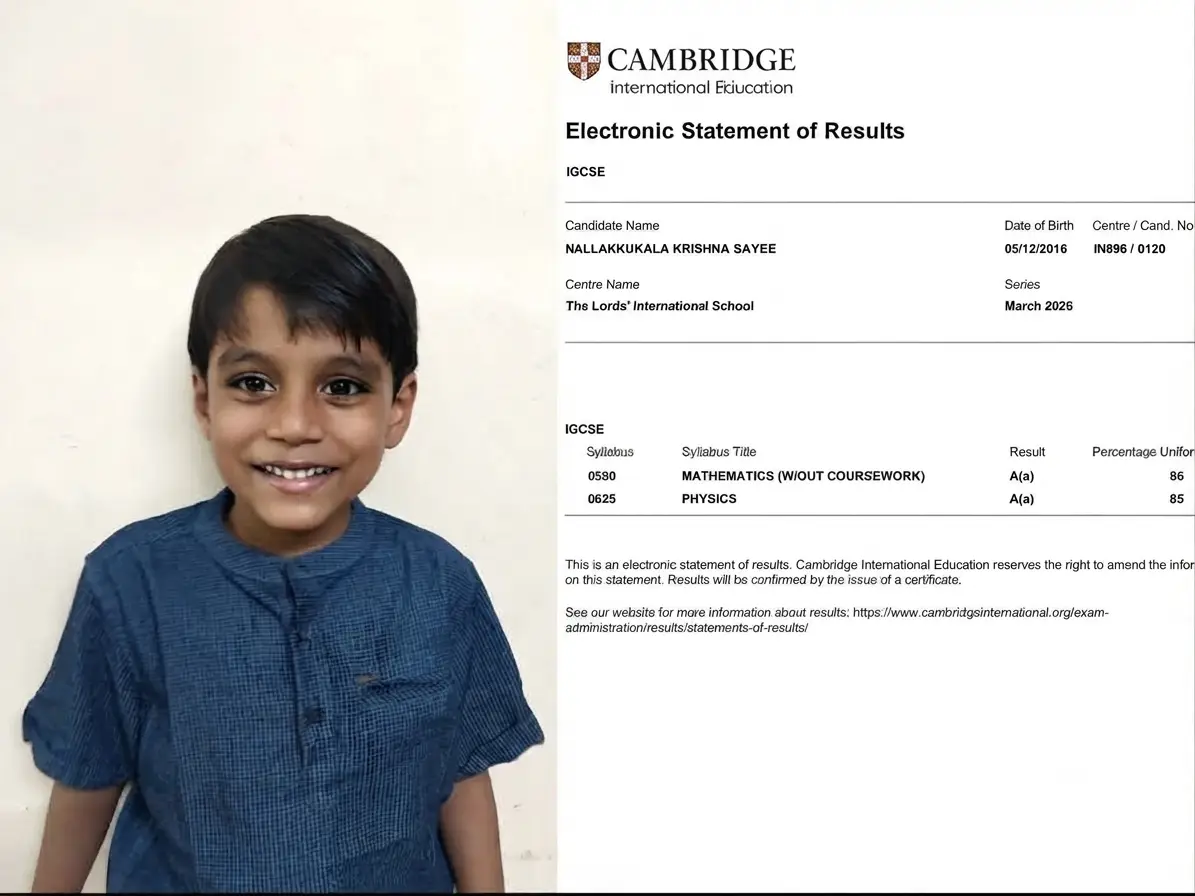)
9-year-old Chennai prodigy clears Cambridge IGCSE grade 10 exams
)
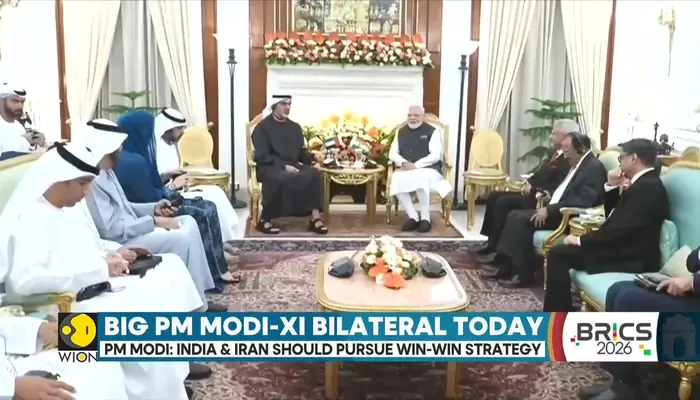
BRICS Summit 2026: PM Modi says India and Iran should pursue win-win strategy
)
Why does your body need time to adjust after a long journey?
)
Baba Vanga's first prophecy for 2027 is out, and straight out of science fiction
)
BRICS declaration calls for stronger people ties, women-led growth and greater youth cooperation
)
Why does your skin need protection from UV rays?
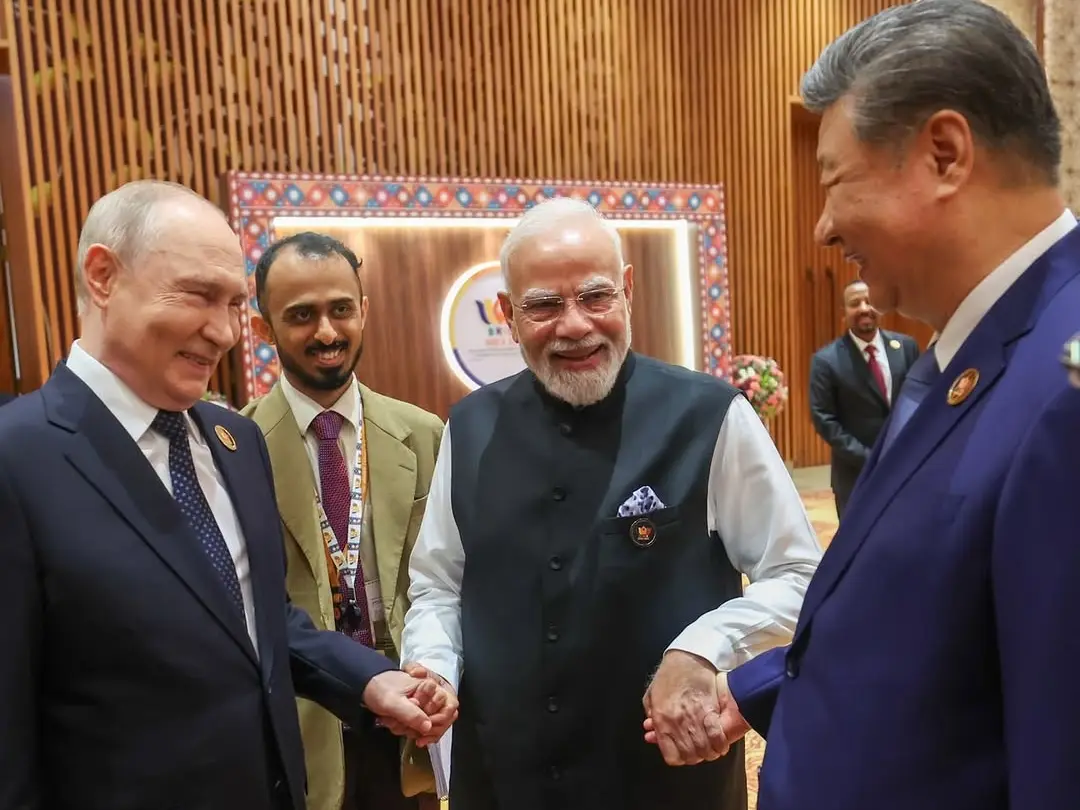)
Modi, Putin, Xi ‘bromance’ goes viral as leaders captured holding hands at BRICS Summit
)
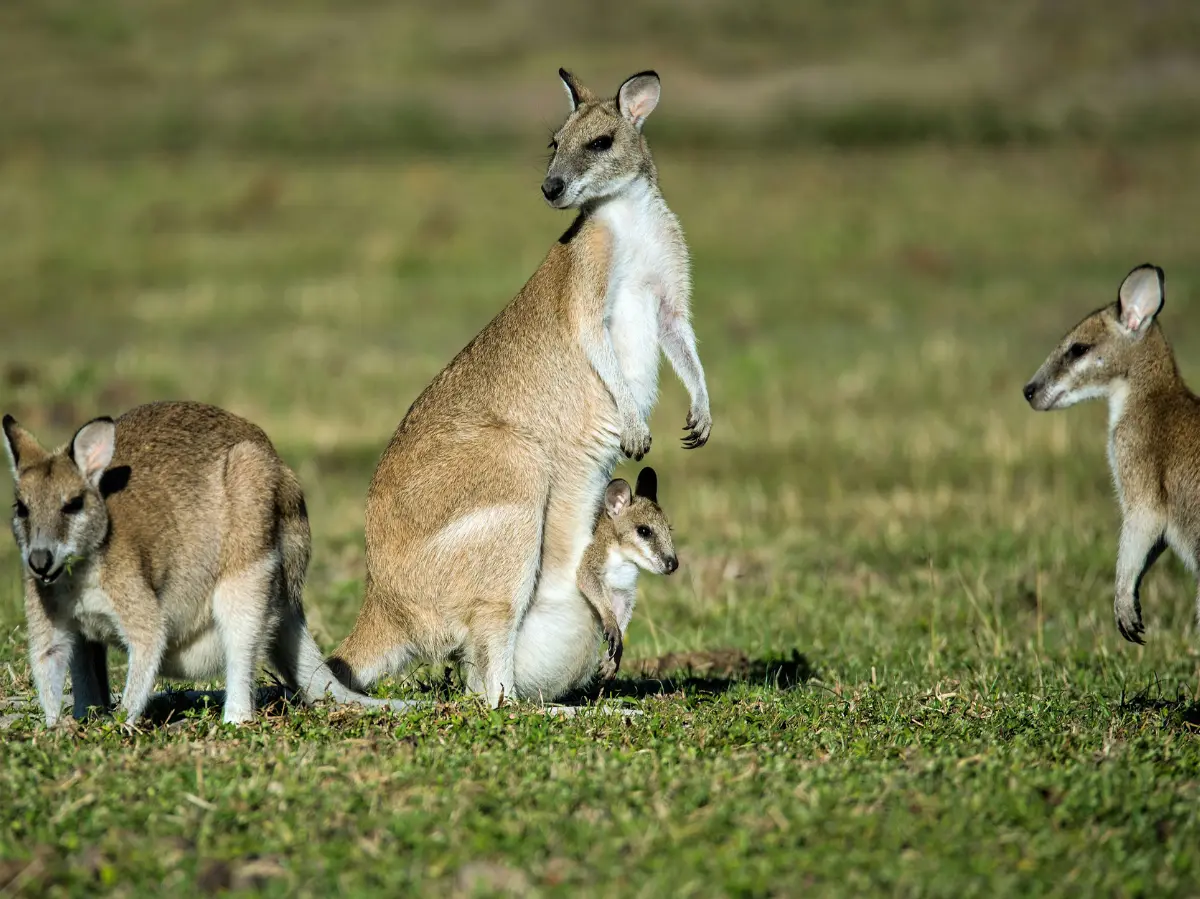
How does the loss of forests affect the way wildlife lives and moves?
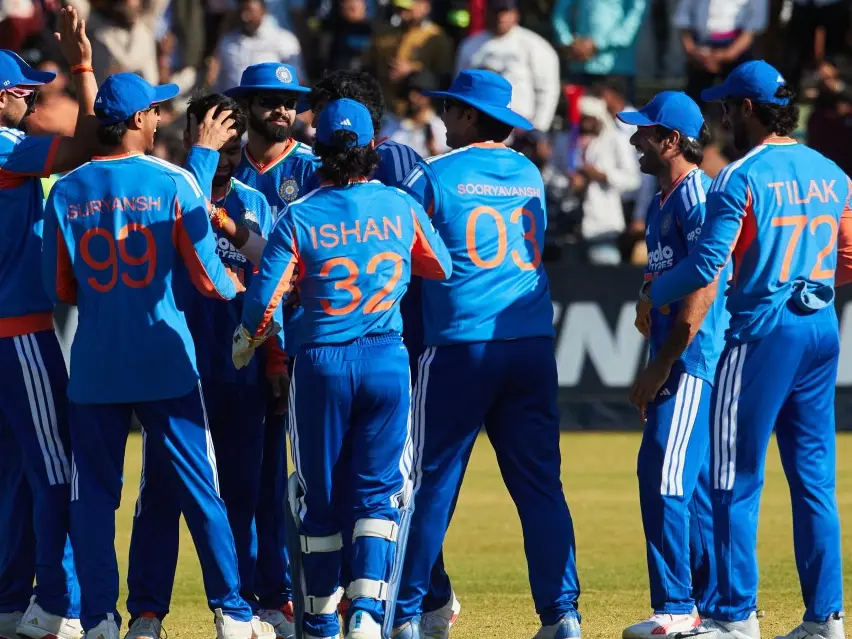)
IND vs AFG, 1st T20I: When and where to watch live streaming in India?
)
Anthropic is giving Claude to schools free, and the reason is not philanthropy
)
BRICS Summit: China resumes Guangzhou-New Delhi flight, issues 'good-neighbourliness' remark ahead of Xi-Modi meet
)
Why do wild animals need quiet places to survive?
)
Humans may lose control of AI: Anthropic CEO calls for slowdown, Altman, Musk back him
Formal negotiations between Washington and Tehran have been stalled since a short-lived June agreement. Iranian officials maintain that dialogue is ineffective unless the US accepts Iran's full terms, which include formally recognising Iranian control and toll collection rights over the Strait of Hormuz, a condition Washington rejects.
While Gulf Arab states, Iraq, and Iran are scheduled to attend an Oman-led summit on Monday (Sep 14) to discuss a proposed transit agreement for the strait, senior Iranian officials downplayed expectations, stating that the waterway will not reopen without meeting key demands conveyed to the US.

