
&imwidth=800&imheight=600&format=webp&quality=medium "United Nations raises alarm over ‘black rain’, 'acidic rain' after strikes on Tehran oil depots amid Iran war")
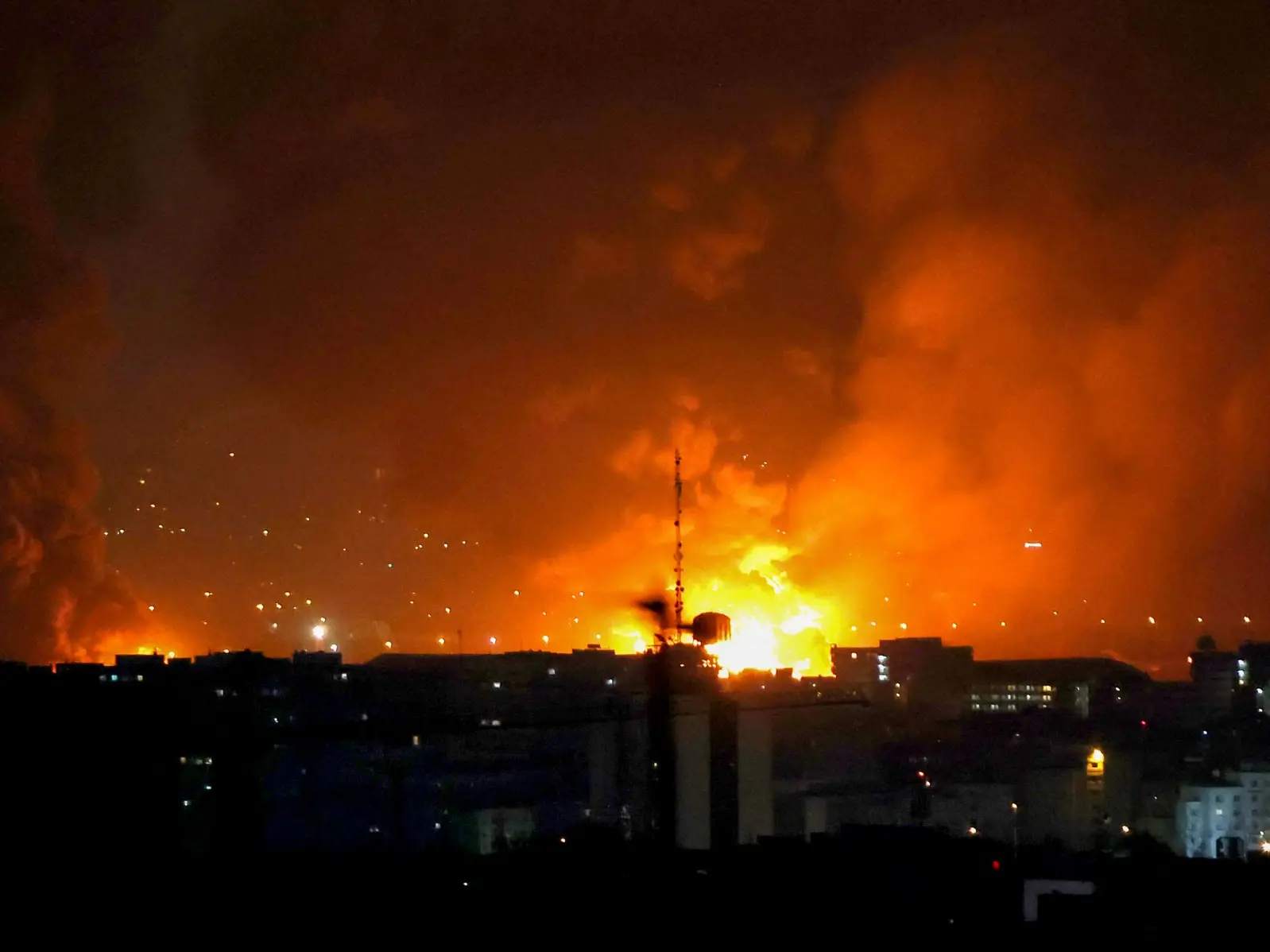
Speaking to reporters in Geneva, United Nations Human Rights Office spokesperson Ravina Shamdasani expressed concern about the environmental and health consequences of Israeli and US strikes on oil depots in Tehran. The attacks have reportedly released toxic pollutants into the air. Shamdasani said the situation raises serious questions as to whether the proportionality and precaution obligations under international humanitarian law were met during the strikes. She also noted that the locations targeted “do not appear to be of military exclusive usage.”
Meanwhile, World Health Organization spokesperson Christian Lindmeier warned that the unusual rainfall reported after the strikes poses a serious threat to public health. He said the ‘black rain’ and ‘acidic rain’ falling over Tehran ‘is indeed a danger’ for residents.

“We are in touch with the hospitals and with the authorities, and the Iranian authorities have issued an alert advising people to stay indoors, in light of the attacks on oil warehouses especially,” Lindmeier added. The WHO is also tracking the potential health impact of the “massive release” of pollutants, including toxic hydrocarbons, sulphur oxides, and nitrogen compounds into the atmosphere.
Lindmeier also pointed to concerns over a broader environmental fallout after reports that Iranian strikes targeted oil infrastructure in Bahrain and Saudi Arabia. Such incidents could increase the risk of regional pollution, with long-term consequences for respiratory health and possible contamination of water sources.
Trending Stories
)
Why asking questions could be more important than memorising answers
)
BRICS Summit 2026 full schedule: Day-wise agenda, timings and key issues - All you need to know
)
BRICS Summit 2026: Iran's Pezeshkian praises PM Modi at BRICS
)
Osama Bin Laden ‘planned’ to target India, CIA reveals dozens of declassified documents
)
BRICS rejects EU carbon tax as ‘punitive’, ‘discriminatory’; warns of burden on Global South
)
BRICS Summit 2026: Global leaders of BRICS nations attend main open session
)
Why dehydration is the hidden cause of travel fatigue on long flights
)
Top 5 places to visit in Goa beyond its famous beaches
)
'He is popular...': Malaysian PM Anwar Ibrahim's praise for PM Modi during bilateral meeting | WATCH
)
BRICS Summit 2026: 30+ countries seek BRICS membership
)
Frustrated man demolishes his kitchen after thousands flock to see Mother Mary his wife spotted on the wall
)
BRICS Summit 2026: PM Modi, Xi reach key consensus on ties, China to assume BRICS chairmanship in 2027
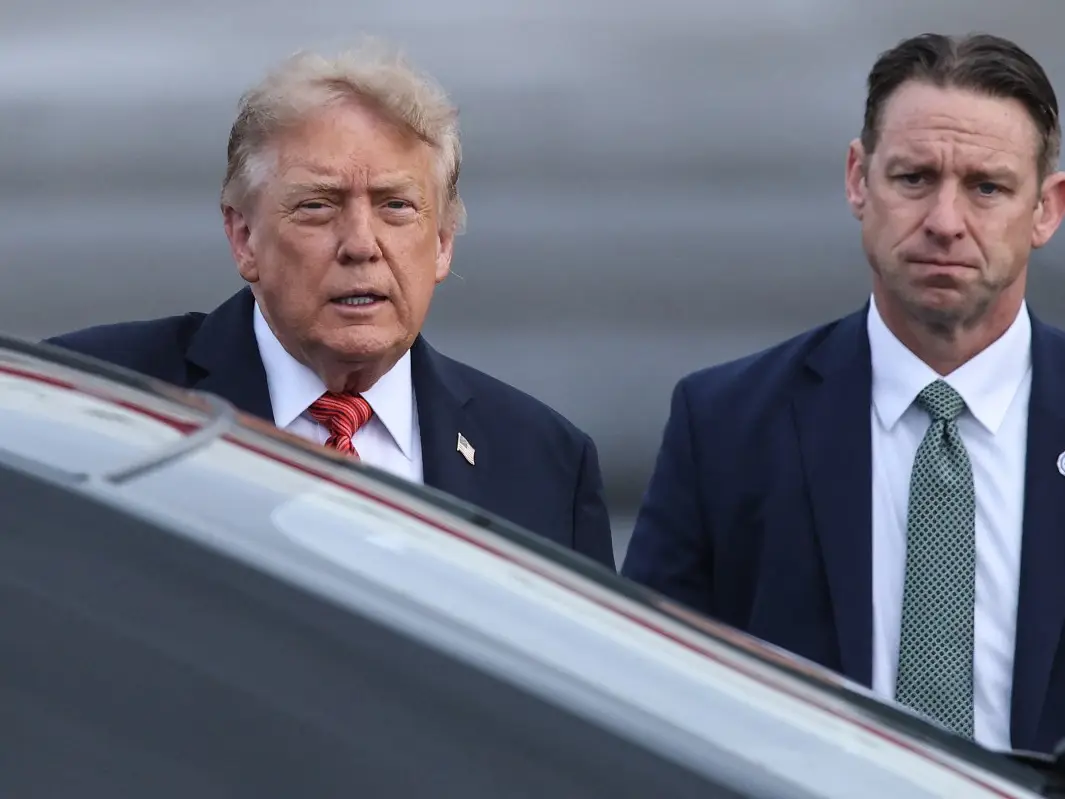)
Trump says Canada eager to reach a deal, it could come ‘fairly soon’ if Ottawa treats US farmers better
)
From drones to KAAN fighters: Turkey outlines 229% surge in defence spending amid regional shifts
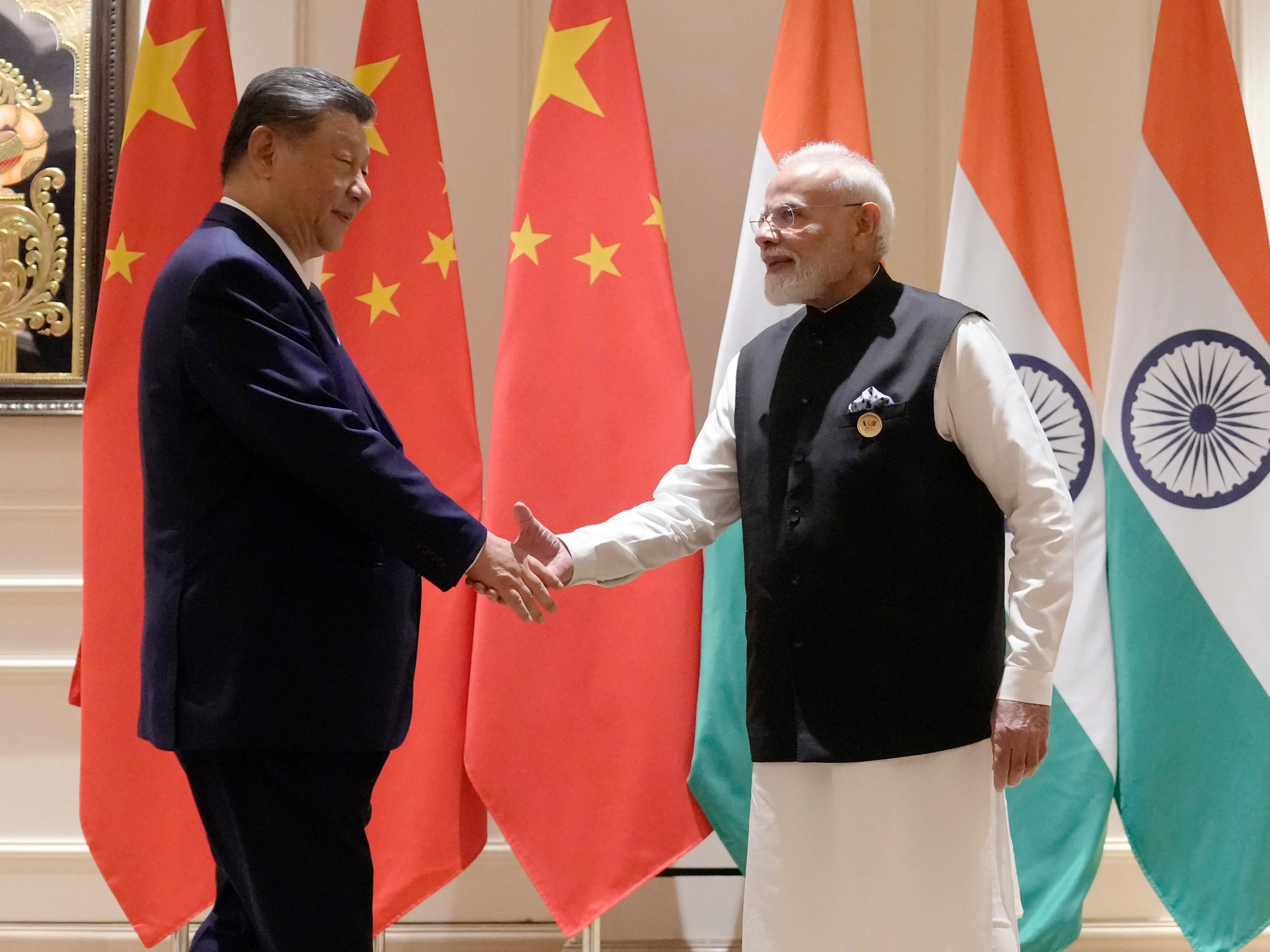)
‘Partners, not rivals’: Xi outlines four point plan for stronger India-China ties
&im=FitAndFill=(700,400))
Why Chinese PL-15 air-to-air missiles use dual-pulse motors compared to European interceptors
)
Could staying indoors all day affect your health?
)
Why going digital does not always mean becoming more efficient
)
800 million years old - Scientists discover 'fingerprints' of supercontinent Gondwana in ancient rocks
&im=FitAndFill=(700,400))
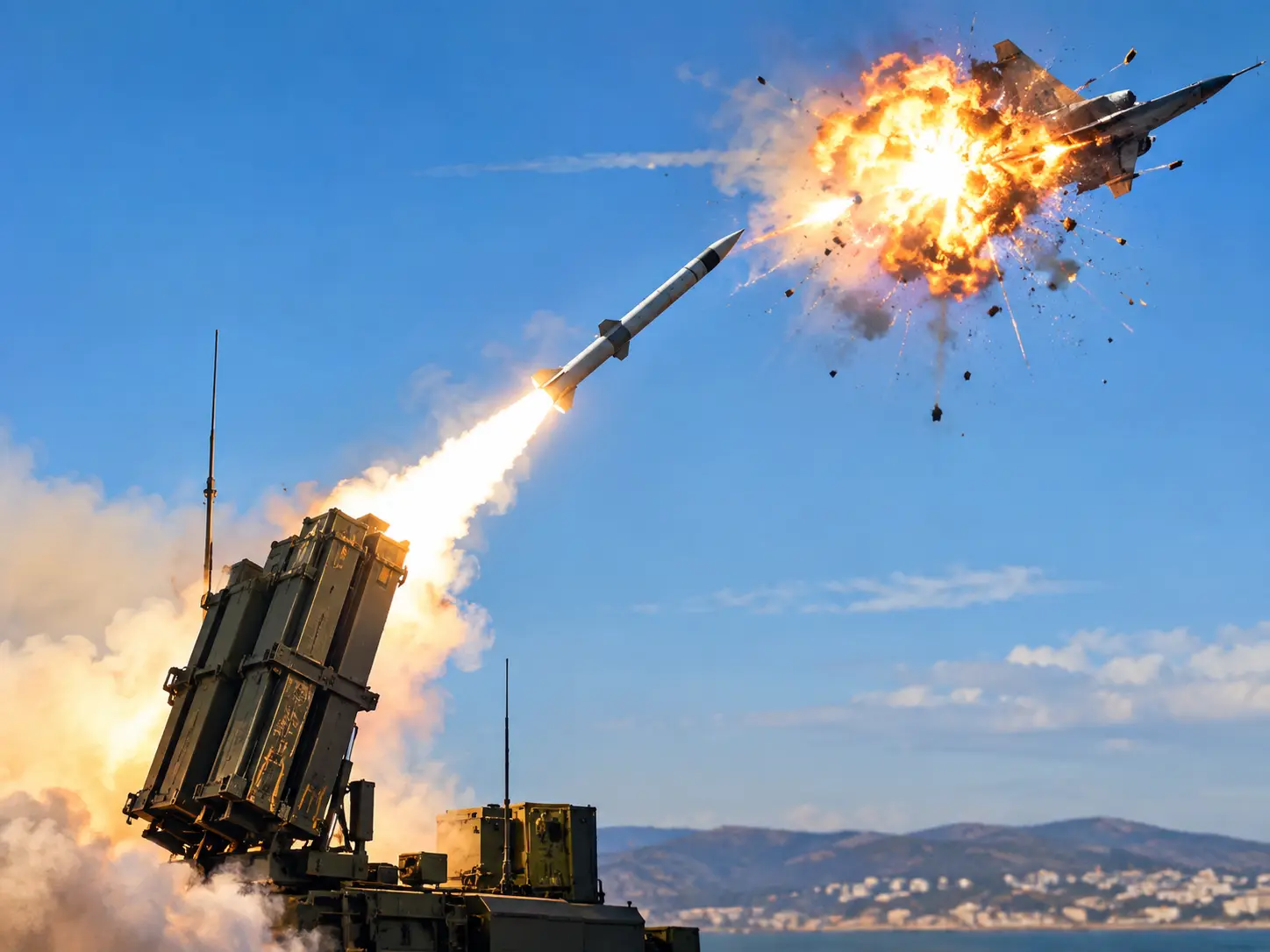
Why do air defence missiles explode near their target instead of hitting it?
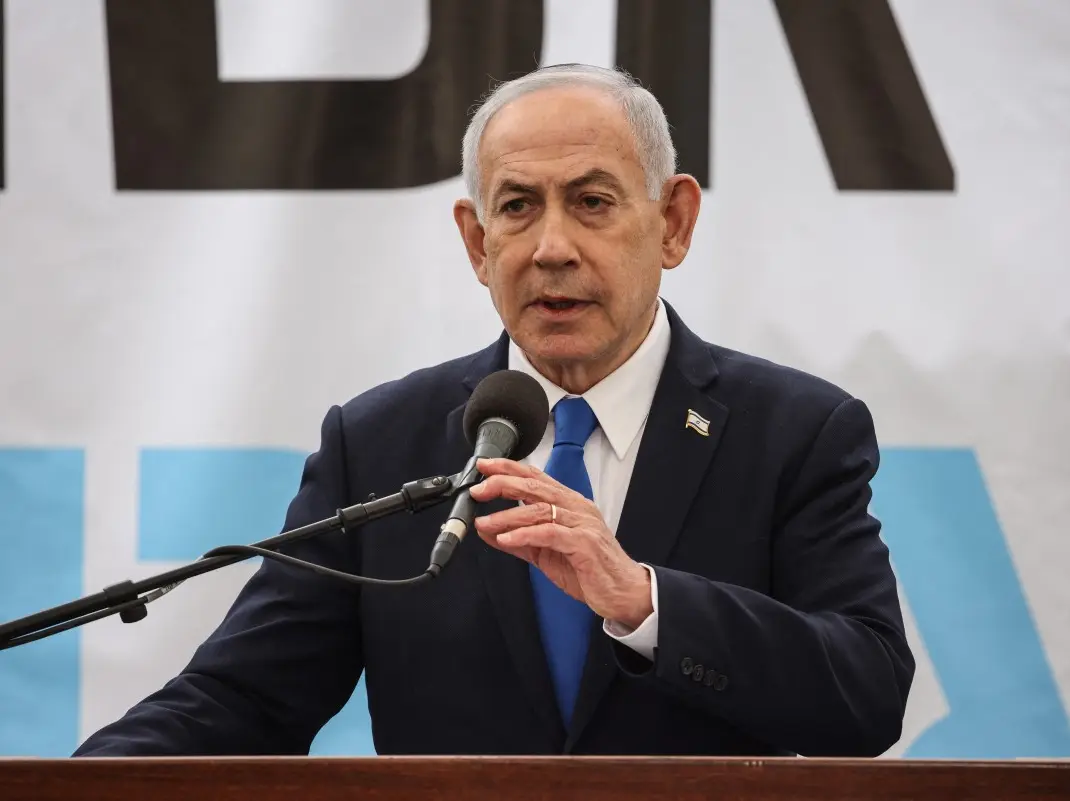)
Israel spent nearly $470,000 on PM's hair, makeup since 2019, data shows
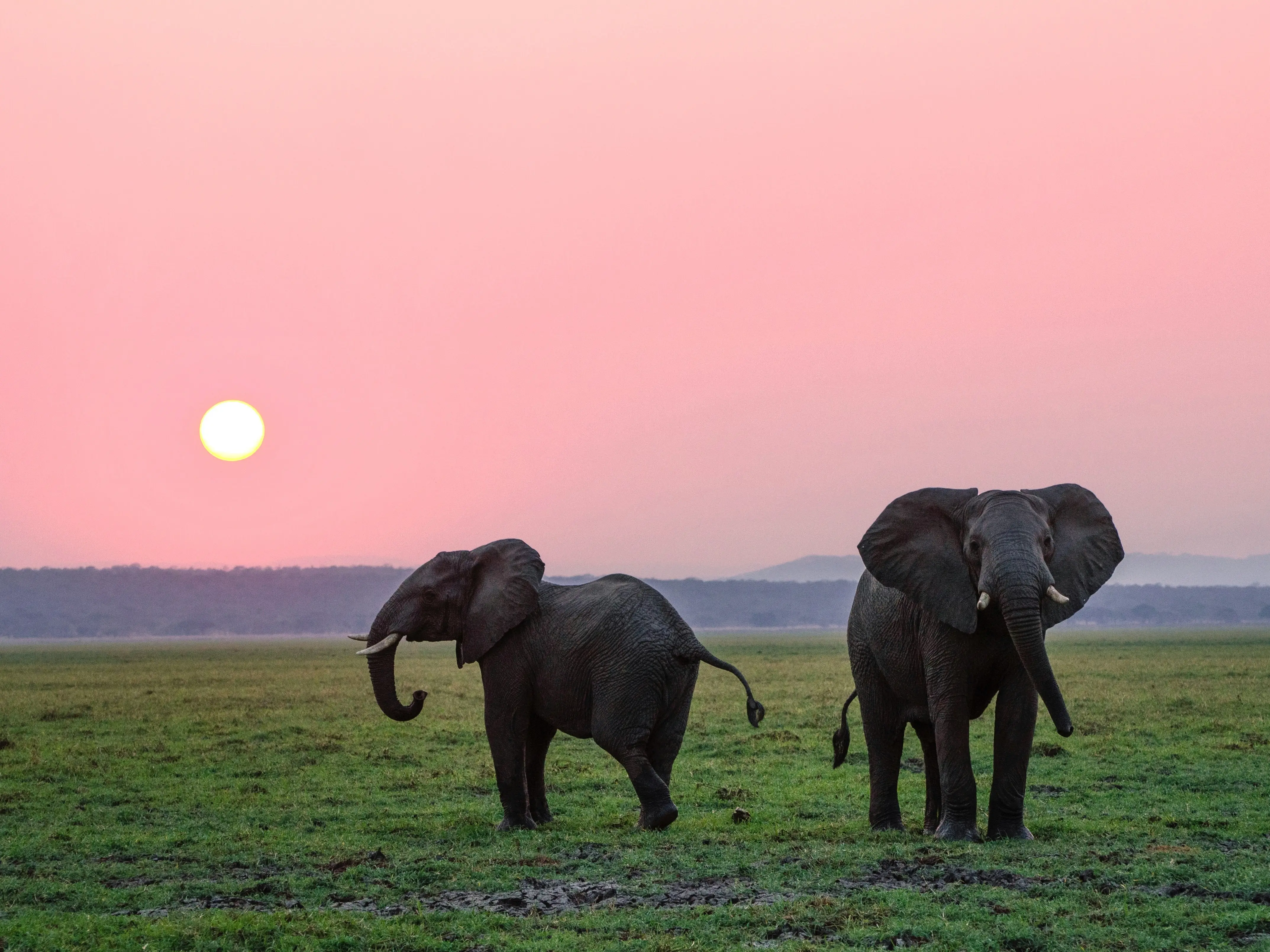)
From severe mobility problems to recovery: Madhuri the elephant’s journey of wildlife care
)
BRICS Summit day 1: New Delhi declaration adopted with full consensus, big diplomatic win for India
)
From India, Putin warns Europe against sending troops to Ukraine, Zelensky expresses willingness to meet him at G20 Summit
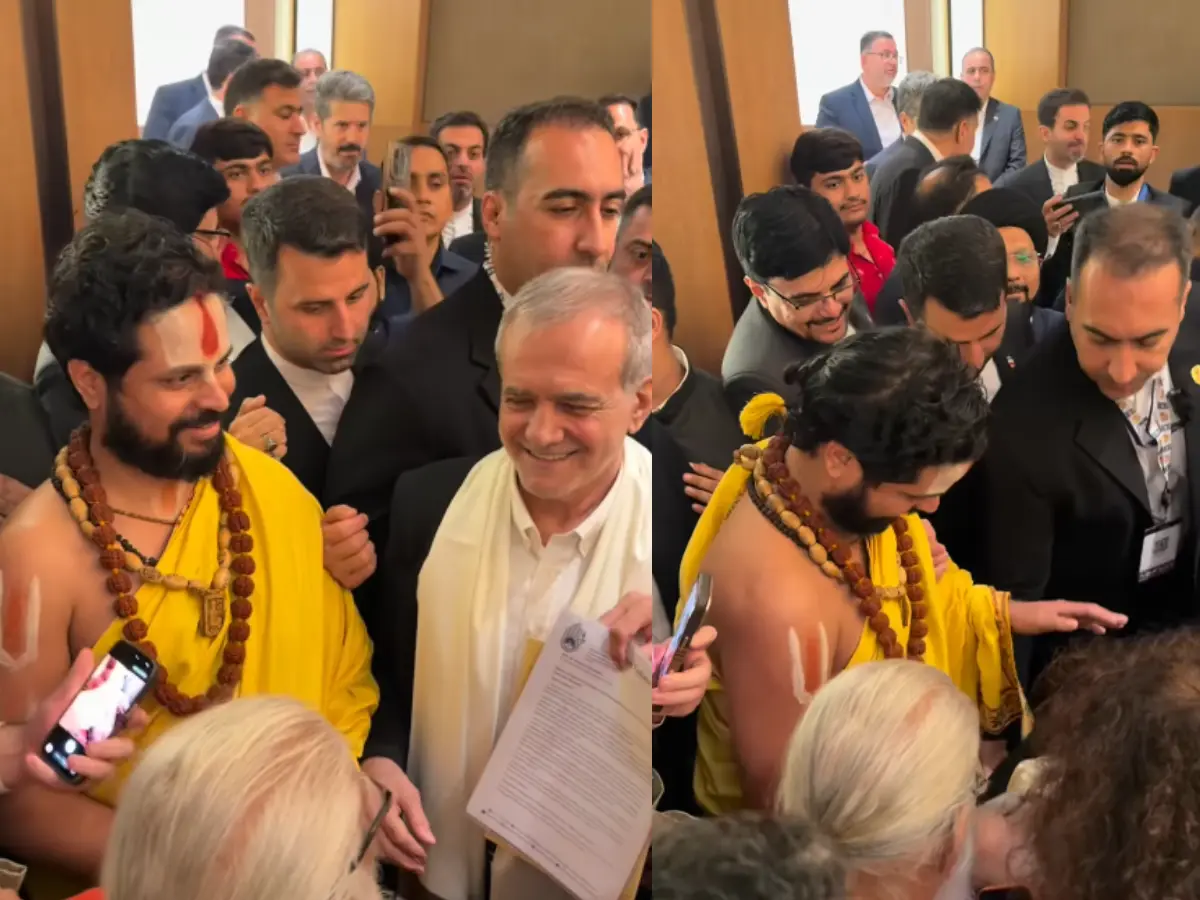)
Did Iran President Pezeshkian touch feet of Hindu spiritual leader at Delhi event as shown in viral video?
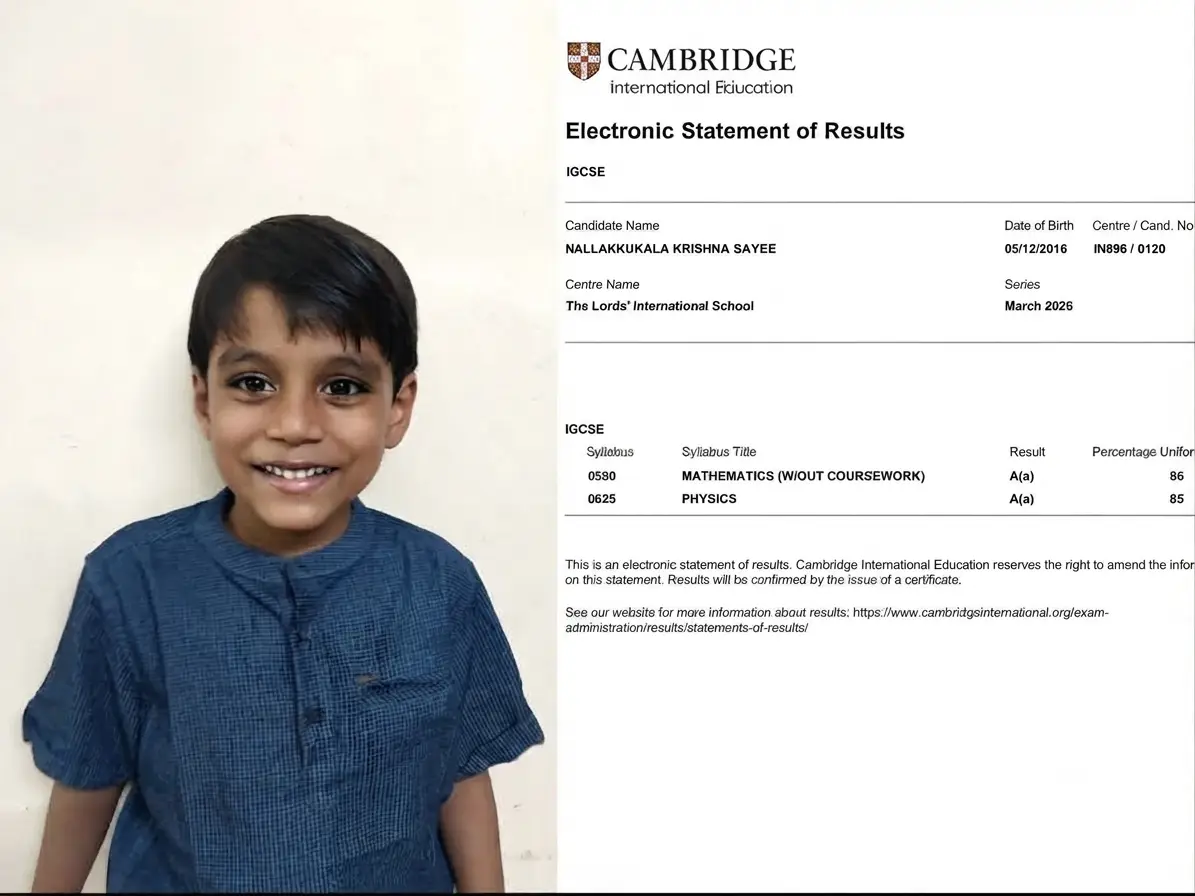)
9-year-old Chennai prodigy clears Cambridge IGCSE grade 10 exams
)
Why does your body need time to adjust after a long journey?
)
Baba Vanga's first prophecy for 2027 is out, and straight out of science fiction
)
Why does your skin need protection from UV rays?
)
How does the loss of forests affect the way wildlife lives and moves?
)
IND vs AFG, 1st T20I: When and where to watch live streaming in India?
)
BRICS Summit: China resumes Guangzhou-New Delhi flight, issues 'good-neighbourliness' remark ahead of Xi-Modi meet
)
Why do wild animals need quiet places to survive?
)
Humans may lose control of AI: Anthropic CEO calls for slowdown, Altman, Musk back him
Disclaimer: WION takes utmost care to accurately and responsibly report ongoing conflicts in West Asia involving Israel, Iran, US, Gulf nations and non-state actors like Hezbollah, Hamas, Houthis, Islamic State, and others. Claims and counterclaims, disinformation and misinformation are being made online and offline. Given this context, WION cannot independently verify the authenticity of all statements, social media posts, photos and videos.

