'Ukraine could be divided like postwar Berlin': US envoy says his remarks were misrepresented

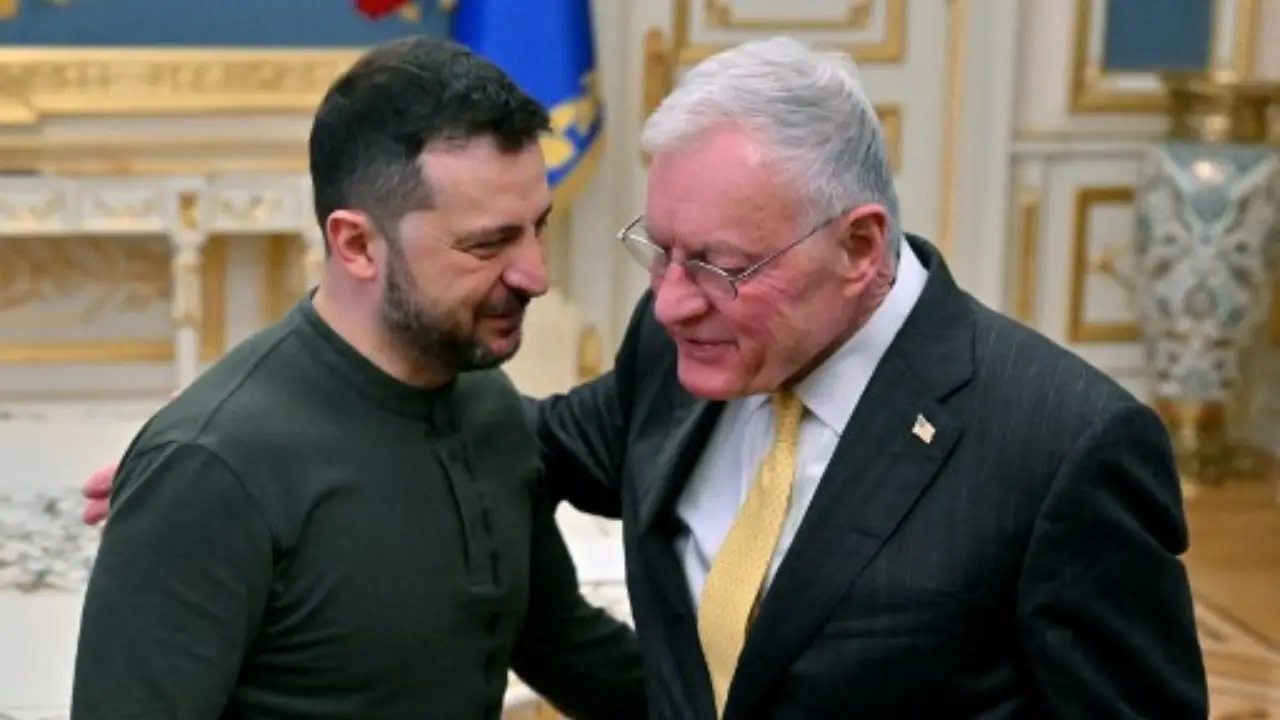
World | His comments in the report also suggested US President Donald Trump's vision for the future of Ukraine from those involved in ceasefire planning
US envoy Keith Kellogg claimed that a news article misrepresented what he said after a report emerged stating that he had said Ukraine could be partitioned "almost like Berlin after World War Two" as part of a peace deal.
In a report by The Times, published on Friday, General Kellogg, who is special envoy for Ukraine, suggested that British and French troops could adopt zones of control in the west of the country as part of a "reassurance force", with Russia's army in the occupied east. He said, between them would be Ukrainian forces and a demilitarised zone.
Hours later, Kellogg on his official X account said that he not referring to the division of the country, instead, he was talking about a post-war zone of responsibility for allied forces.
He wrote, "The Times article misrepresents what I said. I was speaking of a post-cease fire resiliency force in support of Ukraine’s sovereignty. In discussions of partitioning, I was referencing areas or zones of responsibility for an allied force (without US troops). I was NOT referring to a partitioning of Ukraine."
As reported by the media outlet, Kellogg said the Anglo-French-led force west of the Dnipro river, which divides Ukraine from north to south, would "not be provocative at all" to Moscow.
Trending Stories
)
)
)
)
)
)
)
)
)
)
)
)
)
)
)
)
)
)
&im=FitAndFill=(700,400))
)
)
)
&im=FitAndFill=(700,400))
)
&im=FitAndFill=(700,400))
&im=FitAndFill=(700,400))
)
The Times article misrepresents what I said. I was speaking of a post-cease fire resiliency force in support of Ukraine’s sovereignty. In discussions of partitioning, I was referencing areas or zones of responsibility for an allied force (without US troops). I was NOT referring… https://t.co/wFBcEVjxtO
https://www.wionews.com/videos/putin-declares-russias-naval-forces-fully-modernised-8952906/embed
"You could almost make it look like what happened with Berlin after World War Two, when you had a Russian zone, a French zone, and a British zone, a US zone," he said as quoted and further added that Ukraine was a big nation, and can accommodate several armies seeking to enforce a ceasefire.
"You're west of the [Dnipro], which is a major obstacle," Kellogg said, further suggesting that a demilitarised zone of 18 miles could be implemented along the existing lines of control in the east.
What Kellogg said appeared to show what a peace deal might look like, with the US acknowledging Russia's de facto control over the land they currently occupy in the east.
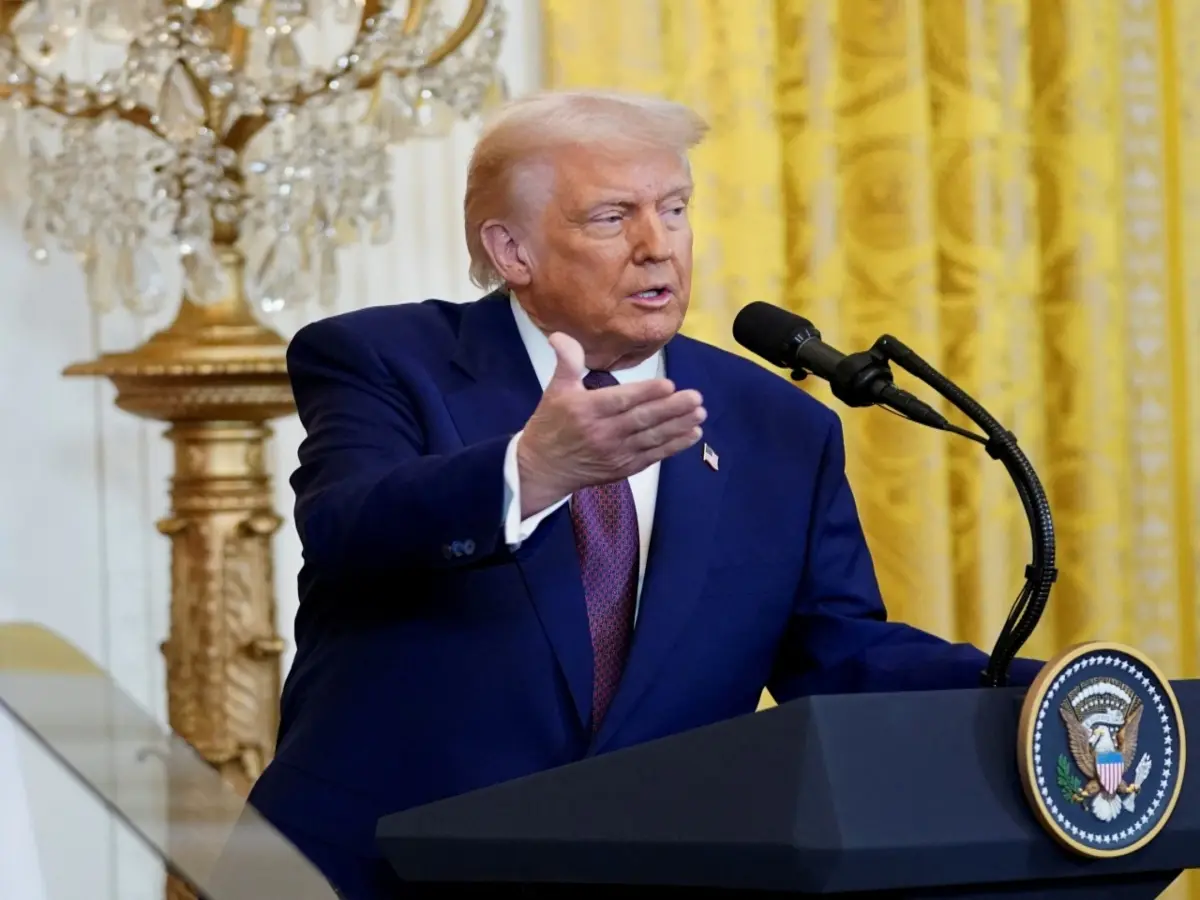
His comments in the report also suggested US President Donald Trump's vision for the future of Ukraine from those involved in ceasefire planning. However, Kellogg clarified that the US would not be providing any ground forces.
Russia has already warned the NATO forces; and last month, Sergey Lavrov, the Russian foreign secretary, reiterated that the Kremlin would not accept peacekeeping troops from any Nato country "under any conditions".
Witkoff meets Putin
US envoy Steve Witkoff wrapped up his latest talks with Russia's Vladimir Putin on Friday after Trump urged his Russian counterpart to move quickly to end the war.
Trump has been pressing Moscow and Kyiv to agree on a ceasefire deal but has failed to extract any major concessions from the Kremlin, despite repeated negotiations between Russian and US officials.
The US leader told NBC News last month he was "pissed off" with his Russian counterpart, while top US diplomat Marco Rubio warned last week that Washington would not tolerate "endless negotiations" with Russia over the conflict.
"Russia has to get moving," Trump wrote on his Truth Social platform, adding that the conflict, which began more than three years ago when Moscow sent troops into Ukraine, was "senseless" and "should have never happened".
(With inputs from agencies)
Disclaimer: A number of claims and counterclaims are being made on Ukraine-Russia war on the ground and online. While WION takes utmost care to accurately and responsibly report ongoing developments, we cannot independently verify the authenticity of all statements, photos and videos