Trump ‘dreams’ for Saudi Arabia to join Abraham Accords: What they are and why Riyadh’s participation matters?

World: The Abraham Accords are a series of agreements signed in 2020 to normalise relations between Israel and several Arab countries, including the United Arab Emirates (UAE), Bahrain, and later Morocco and Sudan.
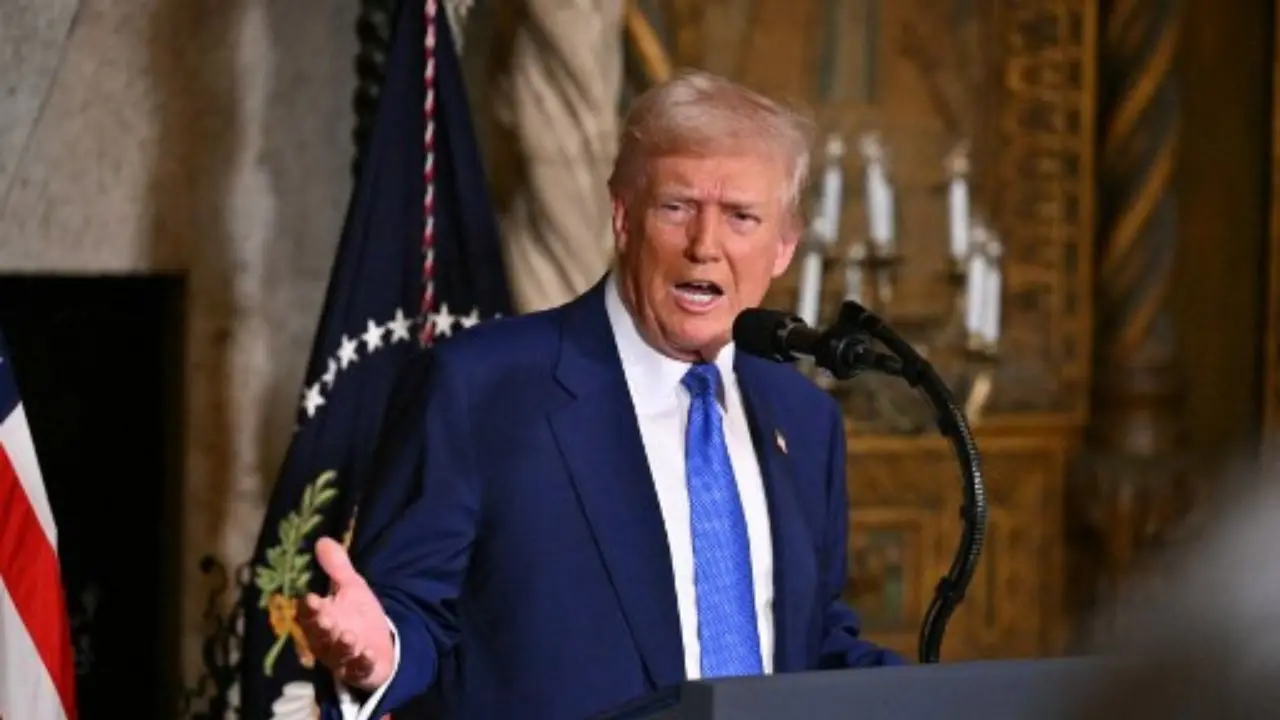
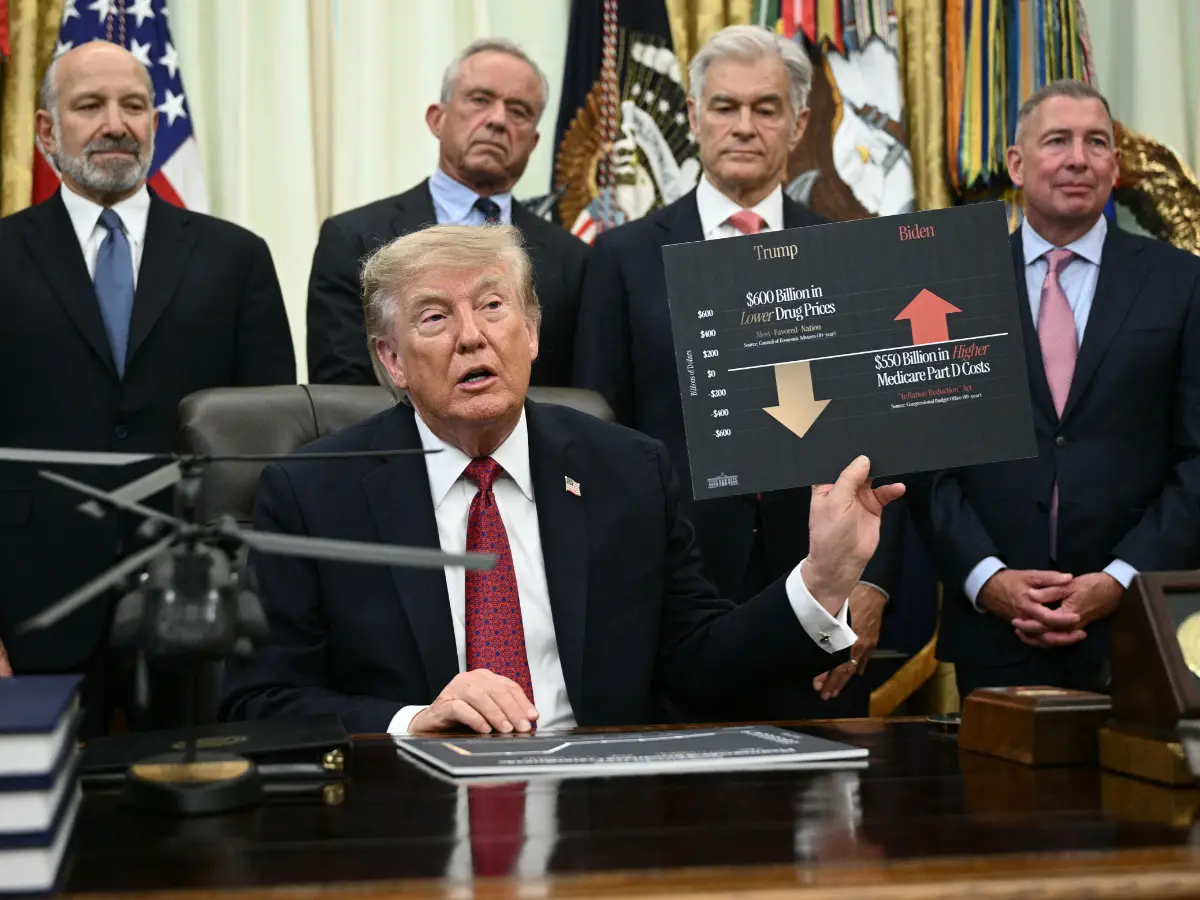
US President Donald Trump, during his foreign policy speech in Riyadh on Tuesday (13 May), said that he hoped that Saudi Arabia would soon join the Abraham Accords. Speaking at an investment summit on the first day of his Middle East trip, Trump said, “It’s my fervent hope, wish and even my dream that Saudi Arabia… will soon be joining the Abraham Accords.”
But he added that the kingdom would decide when the time is right, adding, “But you’ll do it in your own time.”

At present, Saudi Arabia is not ready to normalise relations with Israel, largely due to the ongoing war in Gaza and the lack of a concrete plan for a future Palestinian state by the current Israeli government.
What are the Abraham Accords?
The Abraham Accords are a series of agreements signed in 2020 to normalise relations between Israel and several Arab countries, including the United Arab Emirates (UAE), Bahrain, and later Morocco and Sudan.
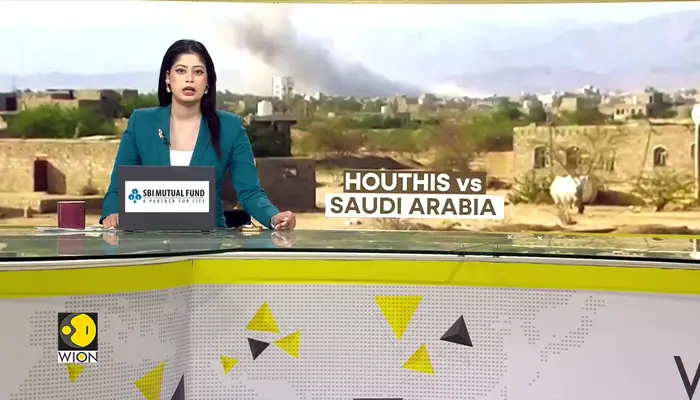)
Saudi vs Houthis: Houthis claim missiles & drones used in attack on key Saudi sites
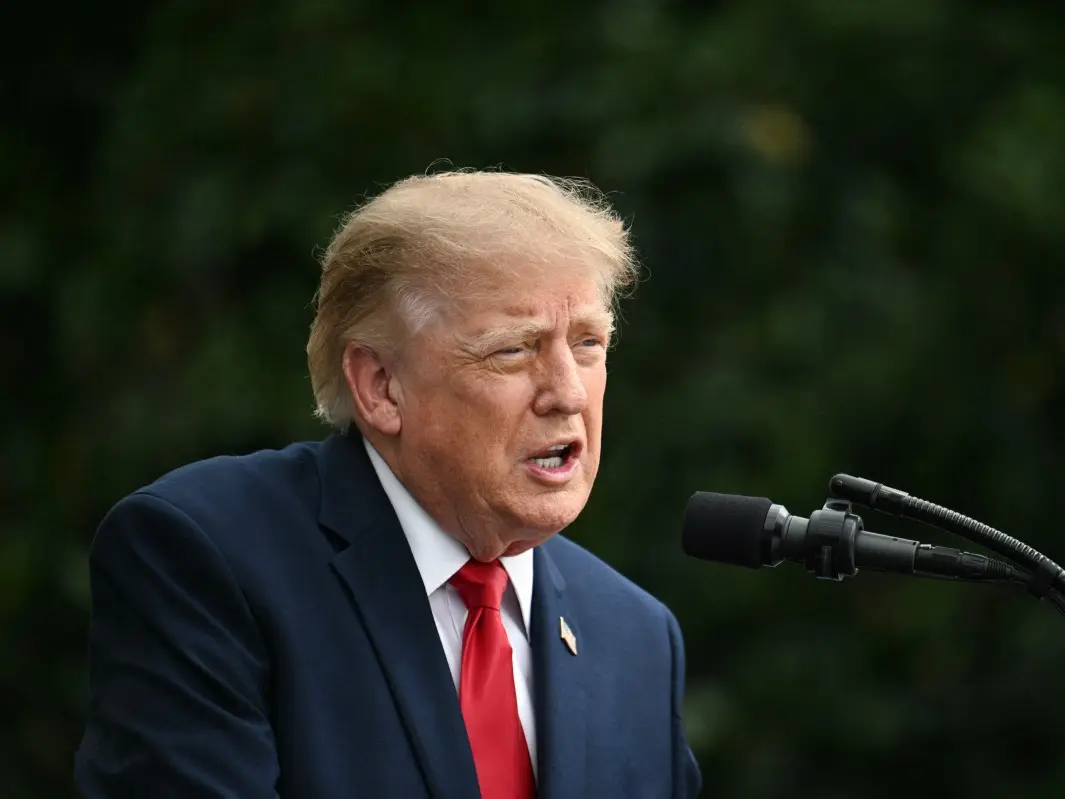)
Trump announces ‘AI Force’ as debate grows over AI risks and regulation
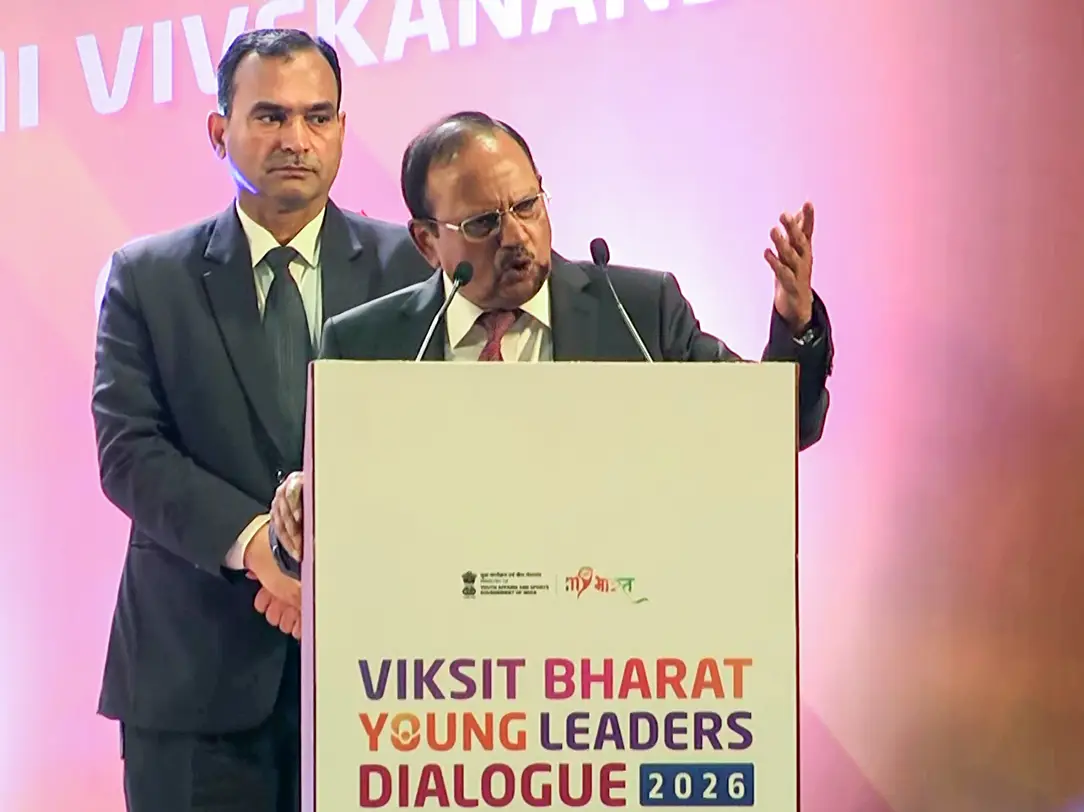)
‘End of my career...’: NSA Doval recalls tense Sikkim mission when China captured Indian intelligence team
)
China now makes advanced memory chips without the machines it was banned from buying
)
Aravana prasadam shortage at Sabarimala temple in Kerala triggers protests, TDB questioned
)
Mark Carney mimics Trump in hilarious moment over C$70 billion clean-energy investment; room erupts in laughter
)
Several petrol pumps, other businesses to refuse UPI payments above Rs 2,000 from Oct 16: Is it legal?
)
Man breaks open wall hiding hundreds of books since 15 years
)
Russia holds first parliamentary elections since the beginning of the Ukraine war
)
S Jaishankar, former Army chief among high-profile names issued Delhi SIR notices
66 years of the Indus Waters Treaty: How India and Pakistan settled a bitter river dispute
)
Sikh bus driver assaulted, bus stolen and rammed into cars in England; video surfaces
)
Nigeria: Protesters take to the streets, police fire shots
)
Reacher star Alan Ritchson opens up about alleged blackmail, suicide attempt during difficult period
)
Arvind Kejriwal, family members, Delhi CM Rekha Gupta get SIR notices
)
The Verdict | When precision fails: US commits war crime in Minab school strike, UN finds
)
Russia-Europe tensions: Polish PM warns Russian attacks could test NATO's unity
)
Raphinha hat-trick powers Barcelona to 3-1 win over Sevilla in La Liga
)
Gaza under attack: Health chief's son killed in IDF strikes
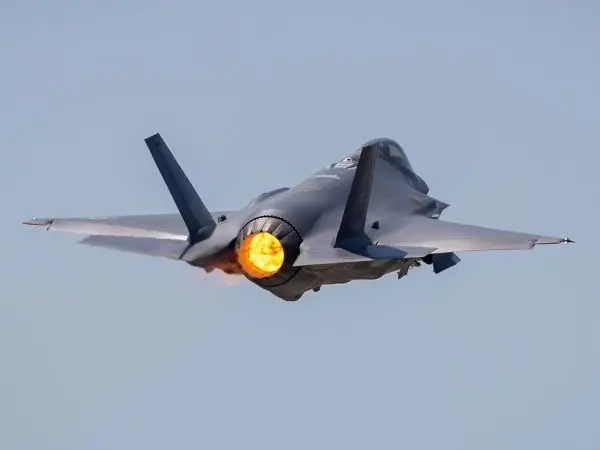)
China may have gained access to US's classified F-35 jets; parts meant for repairs diverted to Hong Kong, sparking Pentagon inquiry
)
Ed Sheeran addresses Macklemore's removal, Gaza conflict during Philadelphia concert: 'I cannot hide how I feel'
)
Harry Brook targets long reign at top of T20I rankings after Sri Lanka sweep
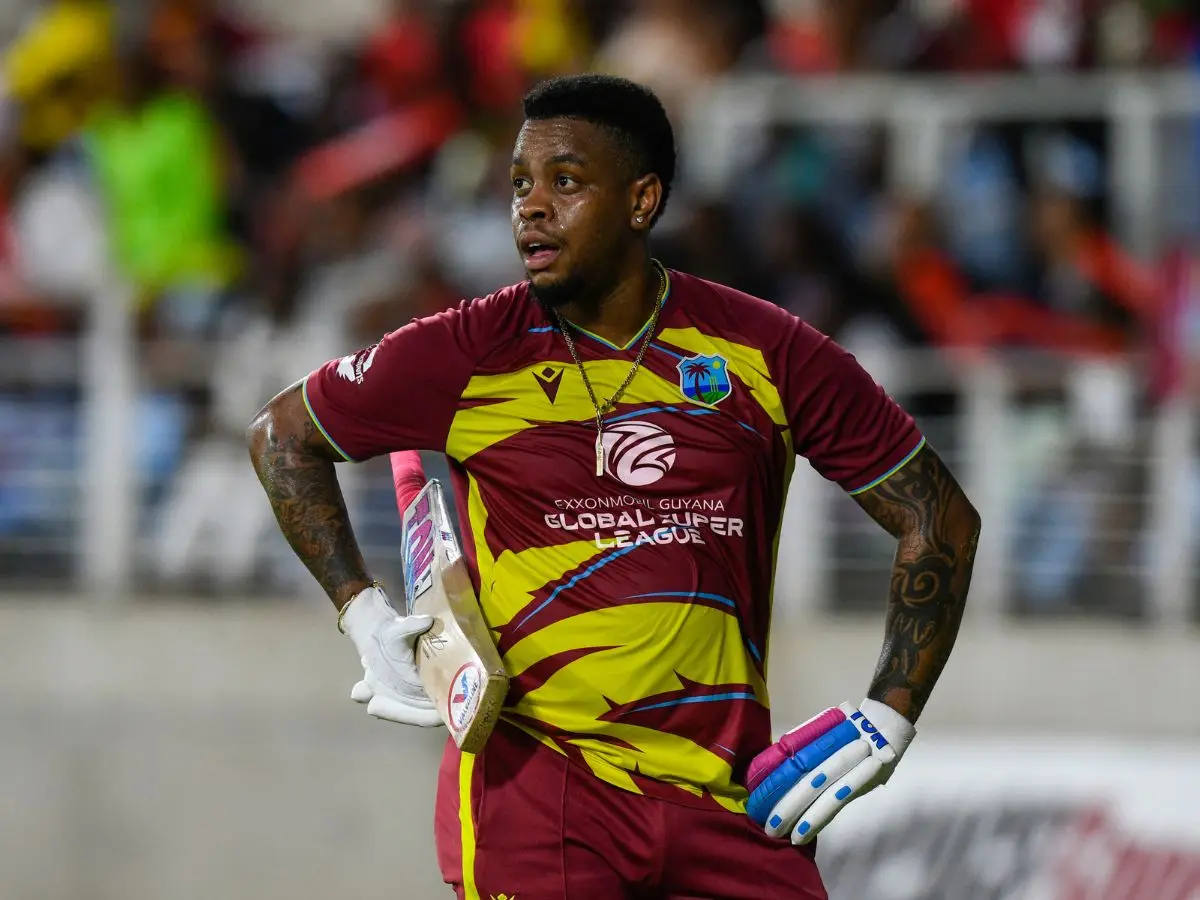)
West Indies Squad for India Series: Hetmyer included for T20Is, Holder rested
)
Iran sets 7 conditions to end war with US: What are Tehran’s demands?
)
Report: Iran rebuilding Taleghan 2, nuclear site tied to past weapons research, hit twice by Israel
)
Trump defends AI amid growing alarm, announces new 'AI force' and promises an 'AI czar'
)
9 women found dead near Johannesburg: South Africans rally, demand 'enough' to femicide
)
US-Iran war: Tehran sets seven conditions to re-engage in talks with US
)
Russia's deadly Ukraine strikes kill 2 in Sumy, hit Dnipro mall
&im=FitAndFill=(700,400))
Before Extraordinary Minami Minami, these popular K-dramas got Japanese versions
)
‘Will go to any extent’: Pakistan vows to defend Saudi Arabia amid Houthi attacks
)
'Were you here to sell chickpeas?': Wasim Akram criticises Babar Azam's captaincy
)
EXCLUSIVE | Singer Hanita Bhambri on her Toxic debut, working with Vishal Mishra and more
&im=FitAndFill=(700,400))
How many F-35s does Britain, Japan and Israel have?
)
Kampala-Ankara rift deepens: Uganda suspends military ties, seeks Fred Lumbuye's extradition
)
Trump says he'll build an 'AI Force' and appoint a czar, for 'high IQ' people only
)
AI actress Tilly Norwood glitches mid-interview, switches from English to Chinese | Watch
)
US-Iran war: Tehran draws red lines — seven demands before any peace talks
&im=FitAndFill=(700,400))
‘Not the US or China’: These are the countries leading the world in arable land
&im=FitAndFill=(700,400))
Meet top 5 Indian batters with fastest T20I centuries
)
Also read: 'Iran MOST DESTRUCTIVE force in Middle East': Trump bashes Iran for causing unthinkable suffering
These deals allowed the countries involved to establish diplomatic ties, open direct flights, and build business relations. While seen as historic, the agreements were not full peace treaties, as these nations were not in active conflict with Israel. Instead, they formalised relationships that had already existed unofficially.
Why are they called the Abraham Accords?
The accords are named after Abraham, a significant figure in Judaism, Islam, and Christianity. By invoking a shared spiritual ancestor, the name was meant to reflect unity and common ground between Jews and Arabs.
How did the accords come about?
Arab nations had long refused to recognise Israel following its declaration of independence in 1948. However, over the years, shared interests such as security, economic growth, and concern over Iran led to discreet cooperation.
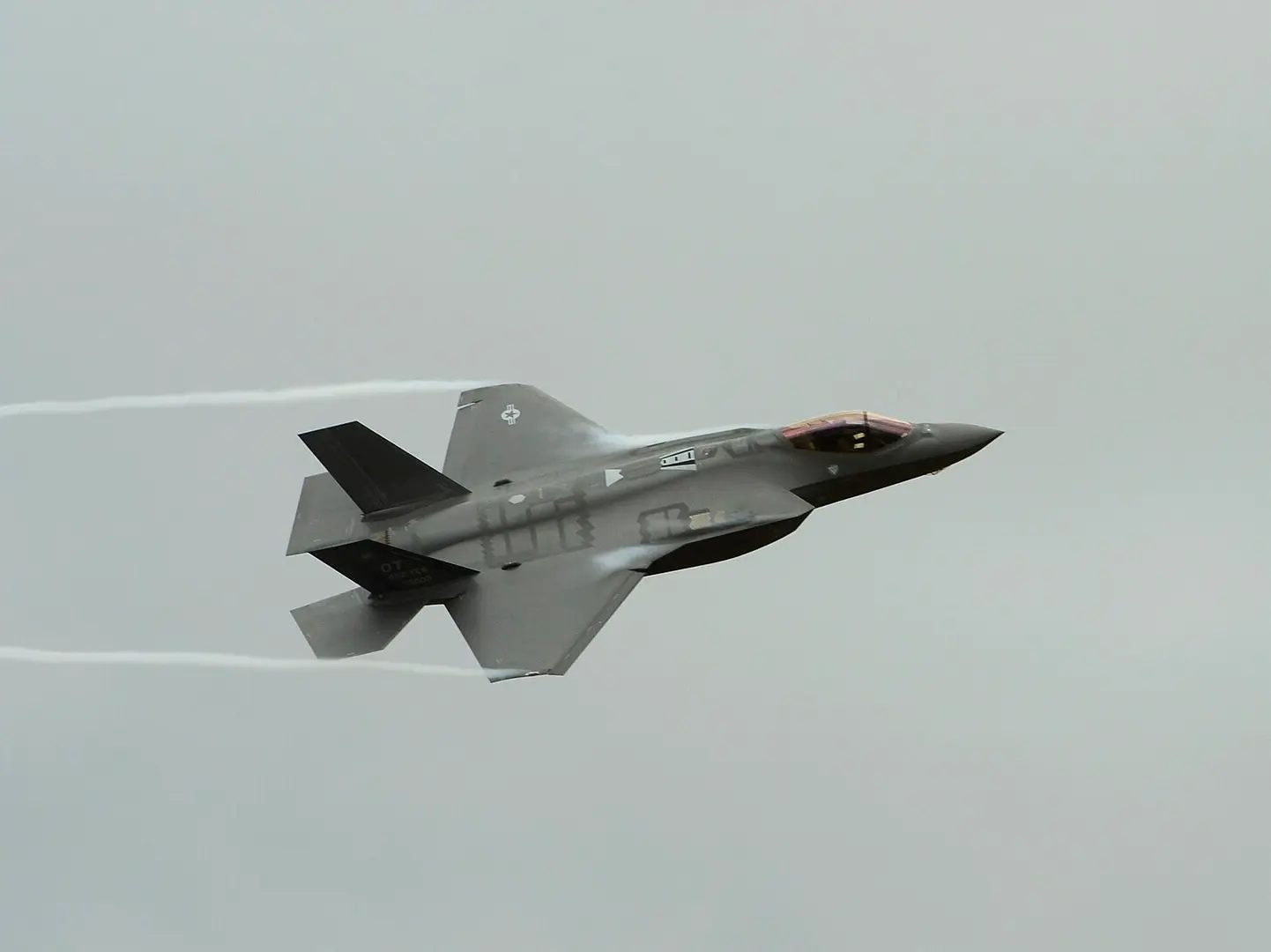
In July 2020, plans by Israel to annexe parts of the West Bank became the trigger for the UAE to start official talks. These talks, backed by the United States, led to an agreement in August. The deal was sweetened with a promise from Washington to sell 50 F-35 fighter jets to the UAE.
The UAE argued that the agreement would give it more influence to advocate for Palestinian rights. However many observers noted it marked a shift where Arab states might pursue their interests, even if it meant sidelining the Palestinian issue.
Who else joined the accords?
Shortly after the UAE deal, Bahrain also signed on. The formal signing took place on the White House lawn with Trump, Israeli officials, and representatives from both Gulf nations.
In the months that followed, Morocco and Sudan joined, too. In exchange, the US became the first country to recognise Morocco’s claim over Western Sahara and removed Sudan from its terrorism blacklist. Although Sudan signed the Abraham Accords Declaration in January 2021, it continued negotiations for a full agreement with Israel.
What the Abraham Accords Declaration says
Below is the text of the Abraham Accords Declaration:
We, the undersigned, recognise the importance of maintaining and strengthening peace in theMiddle Eastand around the world based on mutual understanding and coexistence, as well as respect for human dignity and freedom, includingreligious freedom.
We encourage efforts to promote interfaith and interculturaldialogueto advance acultureof peace among the threeAbrahamic religionsand all humanity.
We believe that the best way to address challenges is through cooperation and dialogue and that developing friendly relations among States advances the interests of lasting peace in the Middle East and around the world.
We seektoleranceand respect for every person in order to make this world a place where all can enjoy a life of dignity and hope, no matter their race, faith orethnicity.
We supportscience,art,medicine, and commerce to inspire humankind, maximize human potential and bring nations closer together.
We seek to end radicalization and conflict to provide all children a better future.
We pursue a vision of peace, security, and prosperity in the Middle East and around the world.
In this spirit, we warmly welcome and are encouraged by the progress already made in establishing diplomatic relations betweenIsraeland its neighbors in the region under the principles of the Abraham Accords. We are encouraged by the ongoing efforts toconsolidateand expand such friendly relations based on shared interests and a shared commitment to a better future.
