Trump’s big tech war: What antitrust cases mean for Google, Meta, Apple and the Future of AI | Explained

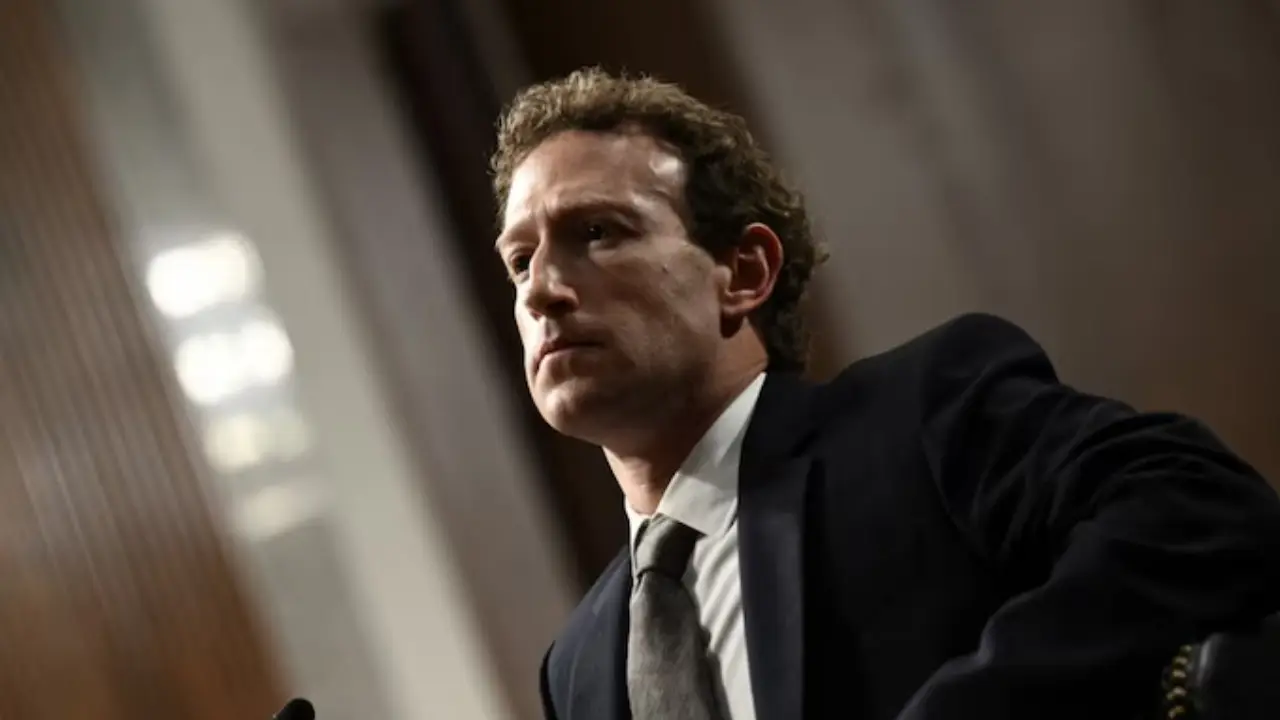
World: Tech investors in Silicon Valley and on Wall Street had hoped Trump would ease regulations in his second term, with many expecting a lighter touch on mergers and fewer rules. But so far, Trump’s new team has signalled otherwise.
The Trump administration is pushing forward with major antitrust cases against Big Tech, showing no signs of backing down, despite expectations that a second Trump term might ease pressure on the industry.
On Monday, the Federal Trade Commission (FTC) is set to go head-to-head with Meta in court, accusing the company of stifling competition by buying up Instagram and WhatsApp. Later this month, on 21 April, the Justice Department will argue that Google should be forced to sell its Chrome browser to limit its dominance in search.
Both lawsuits were first filed during Trump’s initial presidency and have been supported by the Biden administration, which also brought monopoly cases against Amazon, Apple, and Google’s ad tech business.

Tech investors in Silicon Valley and on Wall Street had hoped Trump would ease regulations in his second term, with many expecting a lighter touch on mergers and fewer rules. But so far, Trump’s new team has signalled otherwise.
“They may not have fully focused on how much the first Trump presidency had to do with setting in motion this re-examination of tech,” said former FTC chairman Bill Kovacic.
&imwidth=180&imheight=135&format=webp&quality=medium)
Rahul Gandhi's plea against Election Commission delayed as Supreme Court registry flags 14 ‘defects’
&im=FitAndFill=(700,400)&imwidth=180&imheight=135&format=webp&quality=medium)
Navratri 2026: 9 days, 9 forms of Goddess Durga and 9 colours- Check the complete list
&imwidth=180&imheight=135&format=webp&quality=medium)
Korean peninsula tensions escalate as North Korea launches multiple ballistic missiles, PACOM says 'no threat to US personnel'
&imwidth=180&imheight=135&format=webp&quality=medium)
Trump weighs firing Kimberly Guilfoyle as US ambassador to Greece amid misconduct allegations: Report
&imwidth=180&imheight=135&format=webp&quality=medium)
Anti-SIR protest in Mumbai: Protestors wear black masks & ribbons in Mumbai
&imwidth=180&imheight=135&format=webp&quality=medium)
UK PM Andy Birnham renews claims of Russian meddling in Brexit vote
&imwidth=180&imheight=135&format=webp&quality=medium)
BCCI rejects venue shift reports, India vs Sri Lanka 1st ODI to remain in Delhi
&imwidth=180&imheight=135&format=webp&quality=medium)
'Absolutely disgusting': Australia slams US plan to livestream Nidal Hasan's execution; Mike Johnson raises concerns, warns of terrorist propaganda
&imwidth=180&imheight=135&format=webp&quality=medium)
1,500 drones illuminate Mumbai sky as Cordelia Cruises unveils second ship, Cordelia Sky
&imwidth=180&imheight=135&format=webp&quality=medium)
Houthis warns US of 'painful response' if Washington joins Saudi war in Yemen as airlines suspend flights to Saudi Arabia
&imwidth=180&imheight=135&format=webp&quality=medium)
India Rejects Pakistan-China Boundary Commission, Tells Islamabad to Drop 'Theatrics' | GRAVITAS
&imwidth=180&imheight=135&format=webp&quality=medium)
Congress demands action against chief election commissioner
&imwidth=180&imheight=135&format=webp&quality=medium)
Apple HomeView smart home hub may launch soon with A18 chip, display and Siri controls: What to expect
&imwidth=180&imheight=135&format=webp&quality=medium)
'Turn approver, resign, we'll forgive you': Rahul Gandhi claims receiving messages from CEC Gyanesh Kumar
&imwidth=180&imheight=135&format=webp&quality=medium)
'I will not be silenced': Ilhan Omar alleges political intimidation after federal officers search her Washington home
&imwidth=180&imheight=135&format=webp&quality=medium)
Robotic surgery, advanced treatment: What is coming to this small Gujarat town?
&imwidth=180&imheight=135&format=webp&quality=medium)
Pakistan's government blames PTI for rise of terrorism in Khyber Pakhtunkhwa
&imwidth=180&imheight=135&format=webp&quality=medium)
‘This is just the start’: Maaya Rajeshwaran on historic ITF title, confidence boost and future goals
&im=FitAndFill=(700,400)&imwidth=180&imheight=135&format=webp&quality=medium)
How does a robot decide what to do next?
&imwidth=180&imheight=135&format=webp&quality=medium)
Trump says he 'may' meet North Korean leader Kim Jong Un during upcoming Asia trip
&imwidth=180&imheight=135&format=webp&quality=medium)
'Ouch!!! That must hurt': Kangana Ranaut hails Kamal Haasan's sharp reply to Elon Musk over Starlink row
&imwidth=180&imheight=135&format=webp&quality=medium)
Sidhu Moose Wala’s younger brother wins hearts by recreating late singer’s signature move at Toronto Hologram Show
&imwidth=180&imheight=135&format=webp&quality=medium)
Girl 'dead' for 8 hours wakes up at her own funeral, dad insists she wasn't breathing
&imwidth=180&imheight=135&format=webp&quality=medium)
UK school ditches technology, shifts from screen to pen and paper for learning
&imwidth=180&imheight=135&format=webp&quality=medium)
Opposition’s 10 demands in Supreme Court petition range from stay on SIR to audit of voter rolls
&imwidth=180&imheight=135&format=webp&quality=medium)
'I am thoroughly unamused': Judge slams Trump administration after 400 trees cut at Washington golf course
&imwidth=180&imheight=135&format=webp&quality=medium)
Portugal Federation confirms Cristiano Ronaldo’s return to national team despite suspension
&im=FitAndFill=(700,400)&imwidth=180&imheight=135&format=webp&quality=medium)
New OTT releases this week (October 12-18, 2026): Sacrifice, Koffee with Karan S9, Roadies Rebirth- 6 titles coming on Netflix, JioHotstar and more
&imwidth=180&imheight=135&format=webp&quality=medium)
India's Ajit Doval, Iran's Mohsen Rezaei hold talks amid escalating West Asia tensions, discuss 'issues of mutual interest'
&imwidth=180&imheight=135&format=webp&quality=medium)
'Almost certainly': UK Prime Minister Andy Burnham says Iran's IRGC behind RAF Fairford threat
&imwidth=180&imheight=135&format=webp&quality=medium)
Elon Musk pumps $276 million into Republican campaigns ahead of US midterm elections
Where do the lawsuits stand?
Currently, five major government cases are in motion against the tech giants:
- Meta is on trial over its acquisitions of Instagram and WhatsApp, which the FTC claims were part of a “buy or bury” strategy to eliminate rivals. The trial is expected to run through July and include testimony from CEO Mark Zuckerberg.
- Google is facing two lawsuits. One accuses it of running a monopoly in search. A judge has already sided with the government, and a hearing will be held later this month on how to rein in the company. The DOJ wants Google to sell Chrome, while Google has offered lighter alternatives and plans to appeal. The second case focuses on Google's ad business, with a court decision expected soon.
- Amazon is being sued by the FTC for allegedly putting pressure on smaller sellers on its marketplace. The case is set for trial next year.
- Apple is fighting a DOJ lawsuit that claims its ecosystem makes it too difficult for users to leave its devices. The company has asked for the case to be thrown out.
- Artificial intelligence is also on the radar. The DOJ and FTC agreed last year to split responsibility for policing the sector. The DOJ is looking into Nvidia, while the FTC is examining Microsoft and its partnership with OpenAI.
Trump appointed Andrew Ferguson as chair of the FTC, responsible for enforcing antitrust and consumer protection laws. Ferguson, who previously worked with top Republican senators, has pledged to go hard on Big Tech.
“I will throw every resource the agency has at prosecuting the cases against Big Tech that we’ve got going,” Ferguson said on Bloomberg’s “Odd Lots” podcast earlier this year.
“I think it is extremely important that we protect competition in the AI space, but I think it is equally important that the government not race to regulate AI,” he told Bloomberg TV in March.
At the Justice Department, Gail Slater now leads the antitrust division. A seasoned lawyer with a background in tech and media, she also served in the White House during Trump’s first term.
“It’s now a bipartisan issue, and there’s a consensus around the need for robust antitrust enforcement,” she said at a recent event hosted by start-up accelerator Y Combinator.
