Trump-Xi meeting 2026: From AI to chips, what is really at stake in the US-China tech race?

&imwidth=600&imheight=450&format=webp&quality=medium "Trump-Xi meeting 2026: From AI to chips, what is really at stake in the US-China tech race?")
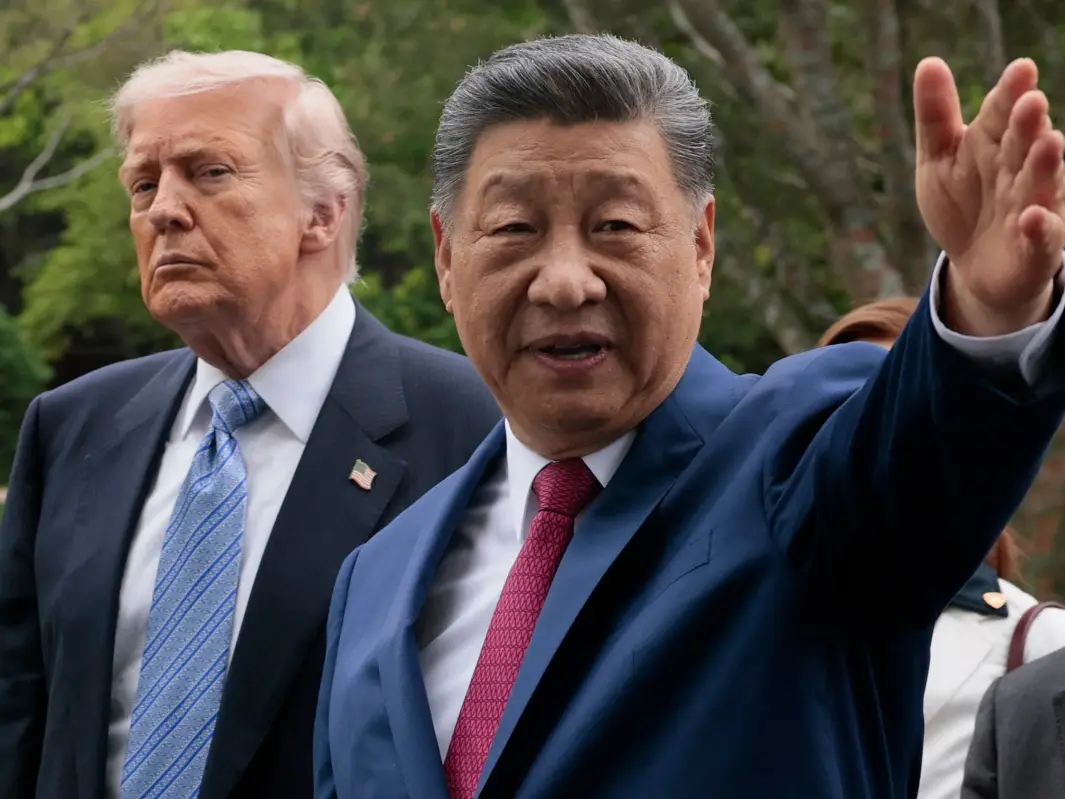
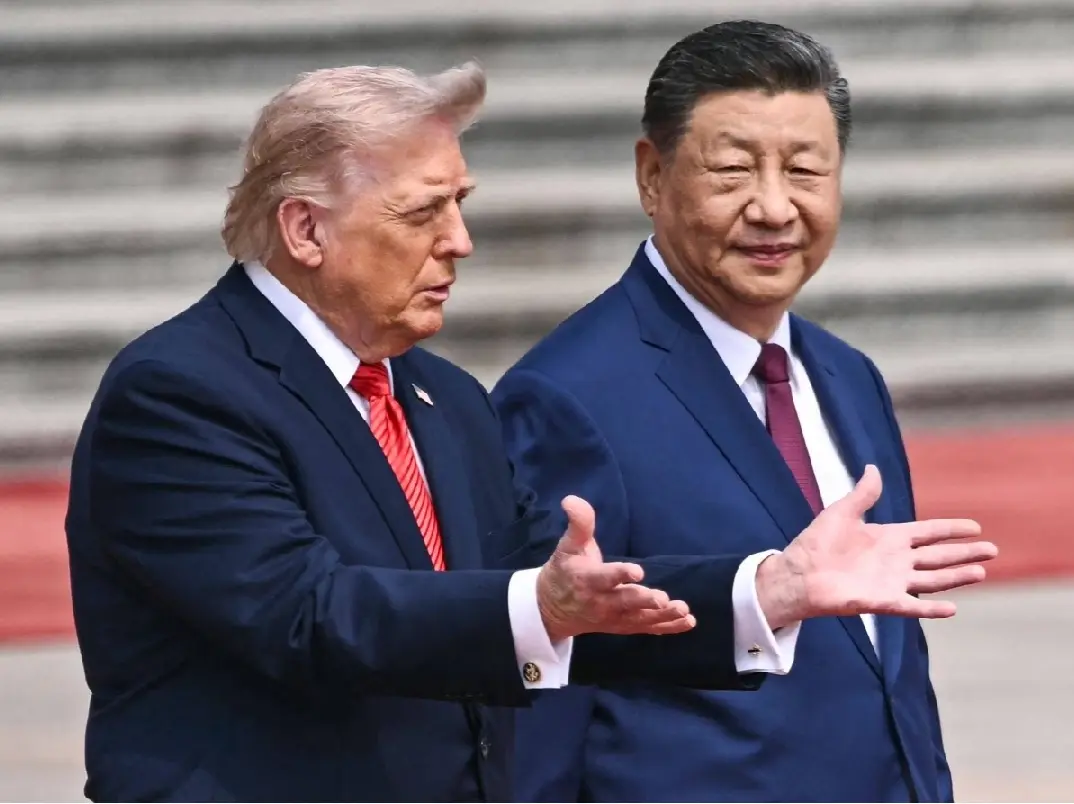
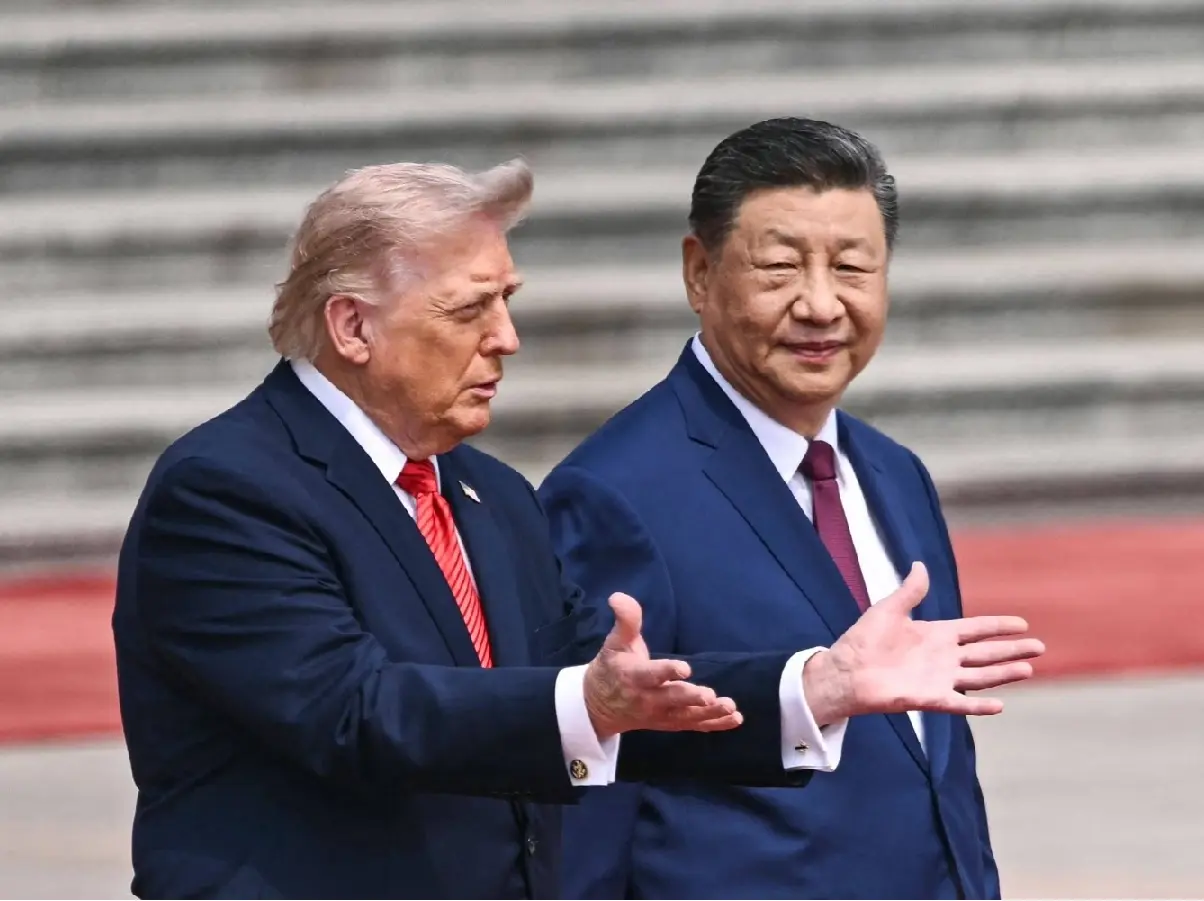
Donald Trump and Xi Jinping Photograph: (AFP)
Trump and Xi's 2026 meeting comes as Washington and Beijing compete over AI, advanced chips, technology controls and the future of global technology
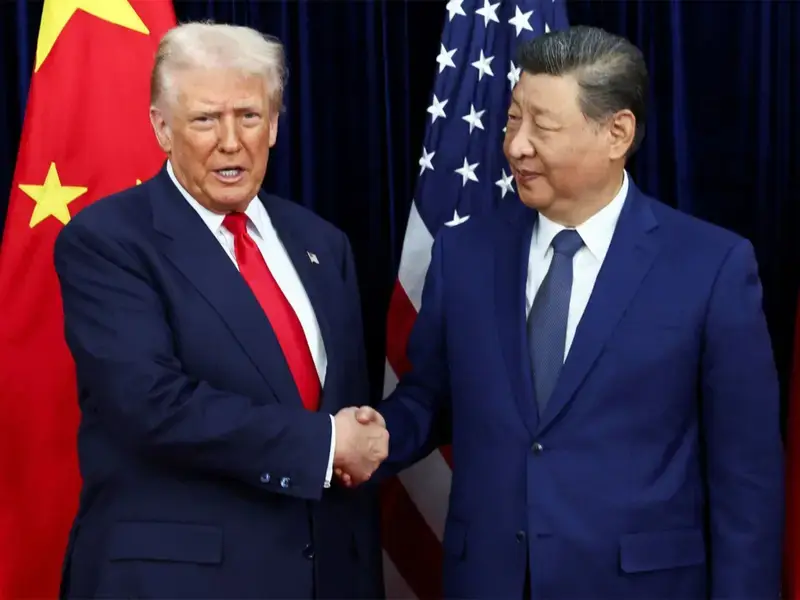
When Donald Trump and Xi Jinping meet in Washington, the conversation will go far beyond tariffs and trade. At the centre of the relationship is a much larger contest: who will lead the next generation of artificial intelligence, semiconductors and advanced technology? AI has become a strategic issue for both Washington and Beijing because its applications extend from consumer technology to defence, cybersecurity, finance and critical infrastructure. Reuters reported ahead of the meeting that AI competition is expected to be a central issue in the talks.
AI is no longer just a tech issue
For the US and China, artificial intelligence has increasingly become connected to economic and national security interests. Washington wants to preserve its advantage in advanced AI systems and the computing infrastructure required to train them. Beijing, meanwhile, is pursuing greater technological self-sufficiency and trying to reduce its dependence on American technology. The two sides are therefore competing while remaining deeply interconnected.
The chip battle
Behind the AI race sits an even more fundamental contest: semiconductors. The most advanced AI models require enormous computing power, and high-end chips are critical to building that infrastructure. The United States has imposed restrictions on China's access to certain advanced semiconductor technologies since 2022. Those controls have become one of the biggest sources of tension in the technology relationship.
But the policy is evolving. The Trump administration has allowed limited sales of Nvidia's H200 chips to China, a move that has generated debate in Washington over how tightly the US should control advanced computing technology exports. For Beijing, access to advanced chips could accelerate AI development. For Washington, controlling the most powerful computing technology is part of its broader effort to maintain a technological edge. That makes chips one of the most sensitive subjects in the Trump-Xi relationship.
Trending Stories
)
)
)
)
)
)
)
)
)
)
)
)
)
)
)
)
)
)
)
)
)
&im=FitAndFill=(700,400))
)
)
)
)
)
)
&im=FitAndFill=(700,400))
)
)
)
)
)
)
)
)
)
Can the US and China cooperate on AI?
Interestingly, the technology competition is happening alongside discussions about AI safety. US Treasury Secretary Scott Bessent and Chinese Vice Premier He Lifeng discussed a possible bilateral mechanism for notifying each other about major AI-related incidents ahead of the summit. The proposed mechanism would focus on issues including national security, transparency and significant AI incidents.
The idea reflects an unusual feature of the AI race: Washington and Beijing may be competitors, but both have an interest in preventing AI-related incidents from escalating into a wider crisis. A proposal for an AI-specific communication channel has also emerged, with the concept compared with Cold War-era mechanisms designed to reduce the risk of escalation.
What is at stake for Trump and Xi?
The meeting therefore brings together several overlapping disputes:
- AI leadership: Which country can build and deploy frontier AI fastest?
- Advanced chips: How much access should Chinese companies have to leading-edge US semiconductor technology?
- Export controls: Can Washington restrict critical technology without accelerating China's push for self-sufficiency?
- AI safety: Can the two countries establish mechanisms to prevent dangerous AI incidents?
- Technology ecosystems: Will the US and China continue building separate supply chains and standards?
- Economic ties: Can technology restrictions coexist with efforts to stabilise broader trade relations?

