
&imwidth=800&imheight=600&format=webp&quality=medium "China’s Iran problem: Why Trump’s sanctions strategy could put Beijing in a bind")
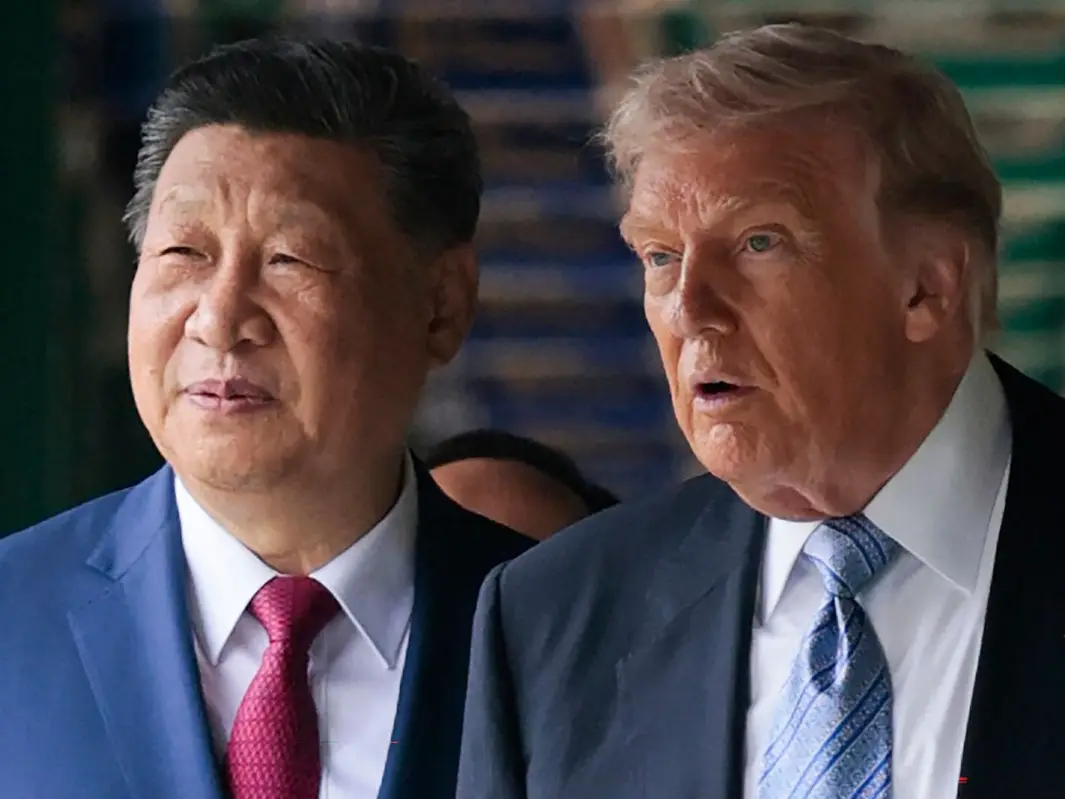
The Trump administration’s campaign to squeeze Iran’s economy is running into a major complication: China. US Treasury Secretary Scott Bessent has expanded Washington’s use of economic pressure against Tehran, including secondary sanctions aimed at companies, banks, traders and other entities helping Iran maintain its economic lifelines. The strategy is designed to make doing business with Iran increasingly costly even for entities that are outside the United States.
But there is one country Washington cannot easily ignore, China. China is Iran’s largest trading partner and by far its biggest buyer of crude. The US-China Economic and Security Review Commission says Chinese purchases accounted for roughly 90 per cent of Iran’s exported oil, while China imported nearly 1.4 million barrels per day of Iranian oil in 2025. That makes Beijing crucial to Tehran’s ability to keep earning revenue despite years of US sanctions.
Why China's role matters

Iran has spent years developing ways to keep its oil flowing despite sanctions. Chinese buyers, trading networks, financial intermediaries and shipping arrangements have become an important part of that system. A US-China Economic and Security Review Commission timeline published this month described China as Iran’s ‘most important economic lifeline’, particularly through oil purchases. It also highlighted Chinese involvement in trade and technology networks that have helped Tehran mitigate the impact of sanctions.
For Beijing, however, the relationship with Tehran is not simply about supporting Iran. China gets access to discounted Iranian crude, while Iran gets a major customer willing to continue buying despite US restrictions. The relationship therefore serves economic interests on both sides. But Beijing also has much larger commercial interests with other Middle Eastern economies, including Saudi Arabia and the United Arab Emirates. The USCC estimates that China’s two-way trade with both Saudi Arabia and the UAE was significantly larger than its trade with Iran in 2025.
Trending Stories
)
Justice eludes Air India 1985 bombing victims as Canada probe goes 'inactive' | Gravitas
)
Trump revives India-Middle East-Europe economic corridor as India emerges central to West Asia’s future: What is it?
)
Erdogan again raises Kashmir issue at UNGA, calls for dialogue under UN Charter
)
The Verdict | Moral policing isn’t culture or discipline, it’s crime
)
Trump signs Greenland security deal with Denmark, paving way for two new US military bases
)
Most Americans want greater federal AI oversight
)
Major League Soccer referee sacked for sexist comment about female match referee
)
IND vs JPN T20I: How an overturned wide became point of difference between India's win and a tie
)
Trump-Xi summit: From trade to Taiwan, what will the US and Chinese presidents discuss in Washington?
)
Cyclone Arnab: Landfall expected before midnight tomorrow as IMD issues orange alerts across six states
)
ICC plans T20I expansion and fewer ODIs in 2027–2031 FTP cycle: Report
)
'Mumma’s boy from Gwalior who dared to dream': Kartik Aaryan pens long note after first National Award win
)
Gravitas | Boosting NHS productivity could save 20,600 lives in UK annually: Report
)
US and China vie for AI dominance as calls grow for regulation | Gravitas
)
Yemen clashes kill 154 people in two days as cornered Saudi battles Houthi offensive | Gravitas
)
Bomb scare in New York amid UNGA: Suspicious suitcase found near UN headquarters
)
IND vs JPN, one-off T20I: Japan captain Kendel on pushing India to the brink - ‘It was special’
)
Raaka creates history! Allu Arjun’s film secures Guinness World Record ahead of release
)
WION Iconic Tourism Summit and Awards 2026: Key voices to discuss India’s tourism future
)
WION Iconic Tourism Summit and Iconic Awards 2026: India's travel economy leaders gather in Delhi
)
American manufacturing is reshoring faster than its factory floors can absorb
&im=FitAndFill=(700,400))
New OTT releases this week (September 21-27, 2026): Shaque: Trust No One, Hunkkaar, Don’t Be Shy- 5 new titles coming to Netflix, Prime Video and more
)
81st UN General Assembly: Burnham announces UK-US AI defence tie-up
)
Trump calls on nations to quit ‘rogue’ and ‘out-of-control’ International Criminal Court, rips UN
)
Who is Clavicular? The 20-year-old controversial 'Looksmaxxing' influencer charged with rape allegations
)
Infections transmitted from pregnant woman linked to autism risk
)
'What kind of confession is this?': Pakistan PM Shehbaz Sharif’s 'terrorists would be roaming New York' remark goes viral, raises alarm online. Watch
)
IIT Bombay professor Suryanarayana Doolla sent on leave amid Sahil Wakode death probe
)
'This is normally what toddlers do': Why a psychiatrist is raising fresh questions about Trump’s recent behaviour
&im=FitAndFill=(700,400))
National Film Awards 2026: Kartik Aaryan, Mammootty, Yami Gautam, Randeep Hooda and other key winners
)
‘Strike a deal or drive Iran into hell’: Trump issues fresh warning to Tehran at UNGA
)
Anne Hathaway to run in supporting race for Nolan's epic
)
Over 4,200 books withdrawn from circulation in J&K colleges, 94% from Kashmir
)
From Gaddafi tearing up UN Charter to Trump’s ‘escalatorgate’: Most unforgettable UNGA moments
)
Explainer: Why rare-earth export licences and Board of Trade are US priorities ahead of Trump-Xi summit
)
Asia prepares for record El Nino, food shock
)
Oil slips to $98 as Saudi Arabia restarts East-West oil pipeline
)
Four female students raped during 'Red Zone' at California university. What we know
What are secondary sanctions?
Primary US sanctions generally restrict American individuals and companies from doing business with a sanctioned country or entity. Secondary sanctions go further. They can threaten non-US companies or financial institutions with losing access to the US financial system if they continue certain transactions with sanctioned entities. That creates a difficult choice for international businesses: maintain commercial ties with Iran or protect access to the US financial system. Bessent’s expanded sanctions campaign has already targeted entities in China and Hong Kong linked to Iran’s oil, missile and nuclear-related activities.
Why China is different
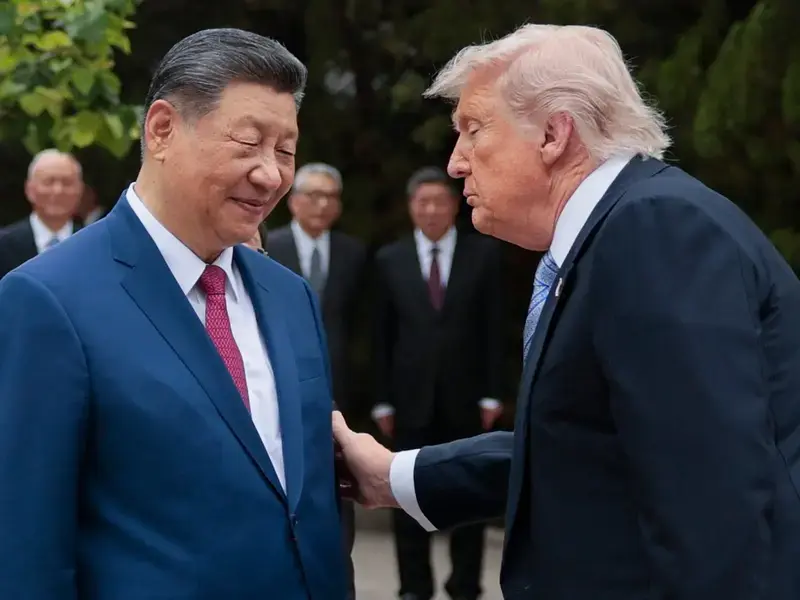
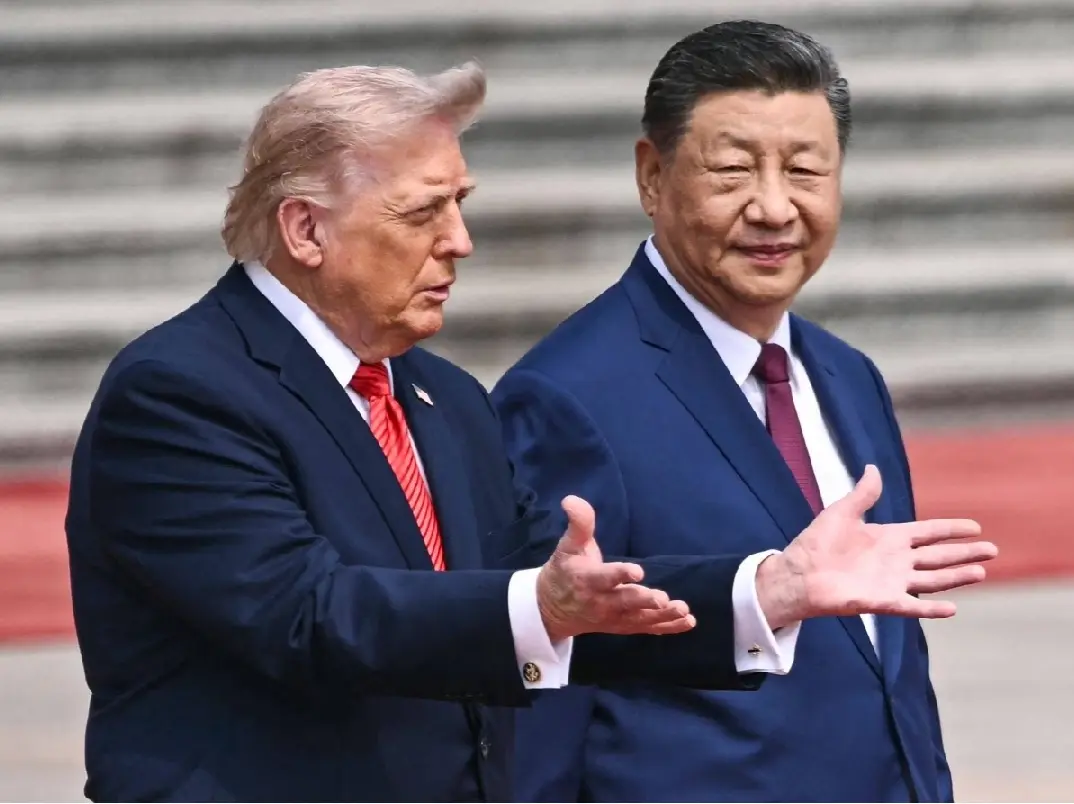
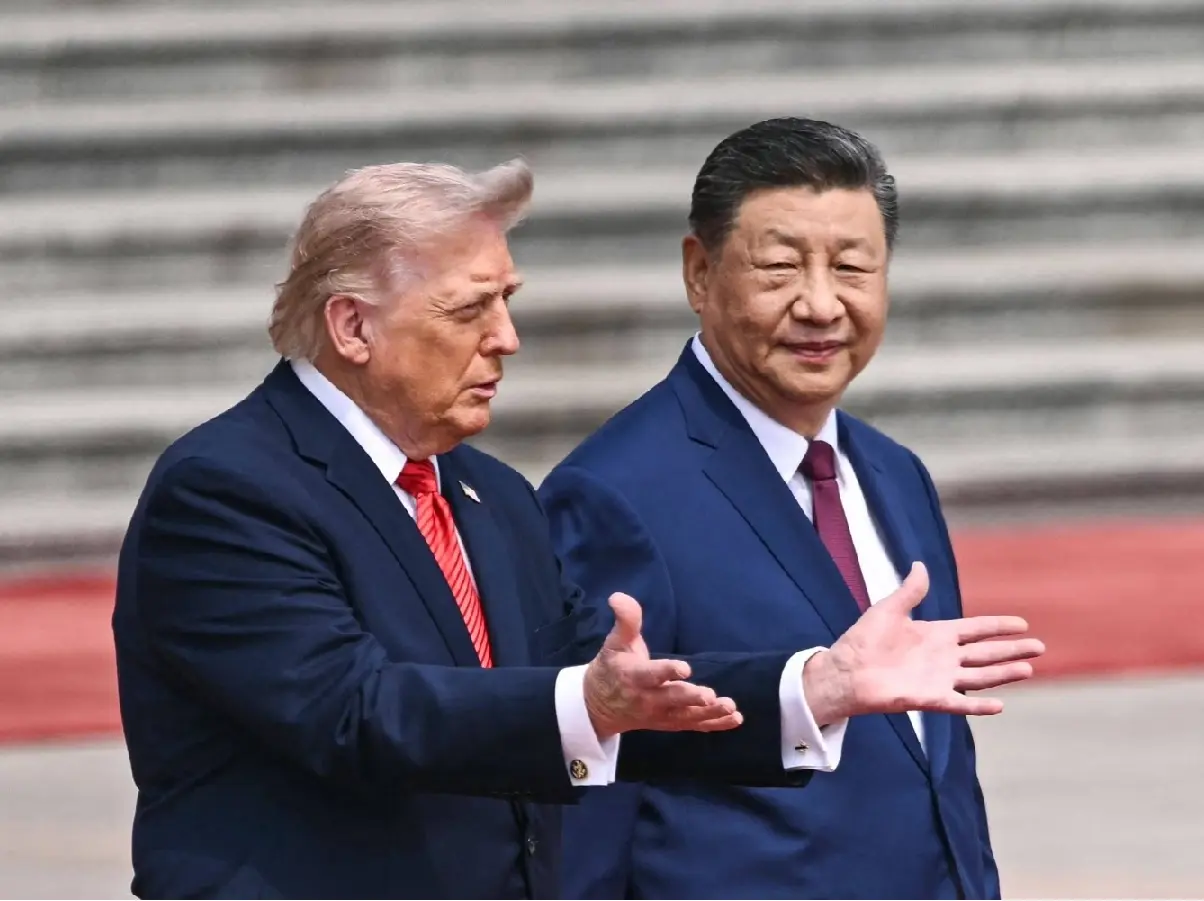
Targeting smaller companies or financial networks is one thing. Applying maximum pressure to China is much more complicated. China is the world's second-largest economy and one of Washington's most important economic counterparts. At the same time, Trump and Chinese President Xi Jinping are preparing for talks in Washington covering trade, technology, AI and other strategic issues.
That creates a balancing act for Washington. The US wants to reduce Iran's ability to finance its economy and war effort. But aggressively targeting major Chinese companies or banks could trigger another confrontation with Beijing just as Washington is trying to stabilise US-China relations. China has already rejected unilateral US sanctions on Iran and defended its trade relationship with Tehran.
What happens next?
The central question is not whether Washington can sanction Chinese entities. It can. The bigger question is how far the Trump administration is willing to go against Chinese companies that continue buying or facilitating Iranian oil. If Washington increases pressure, Beijing could respond politically or economically. If enforcement remains limited, Iran could continue relying heavily on Chinese demand for its oil. That leaves China at the centre of Trump's Iran strategy, not necessarily because Beijing is the intended target, but because Iran's economic lifeline increasingly runs through a country Washington also needs to negotiate with.

