

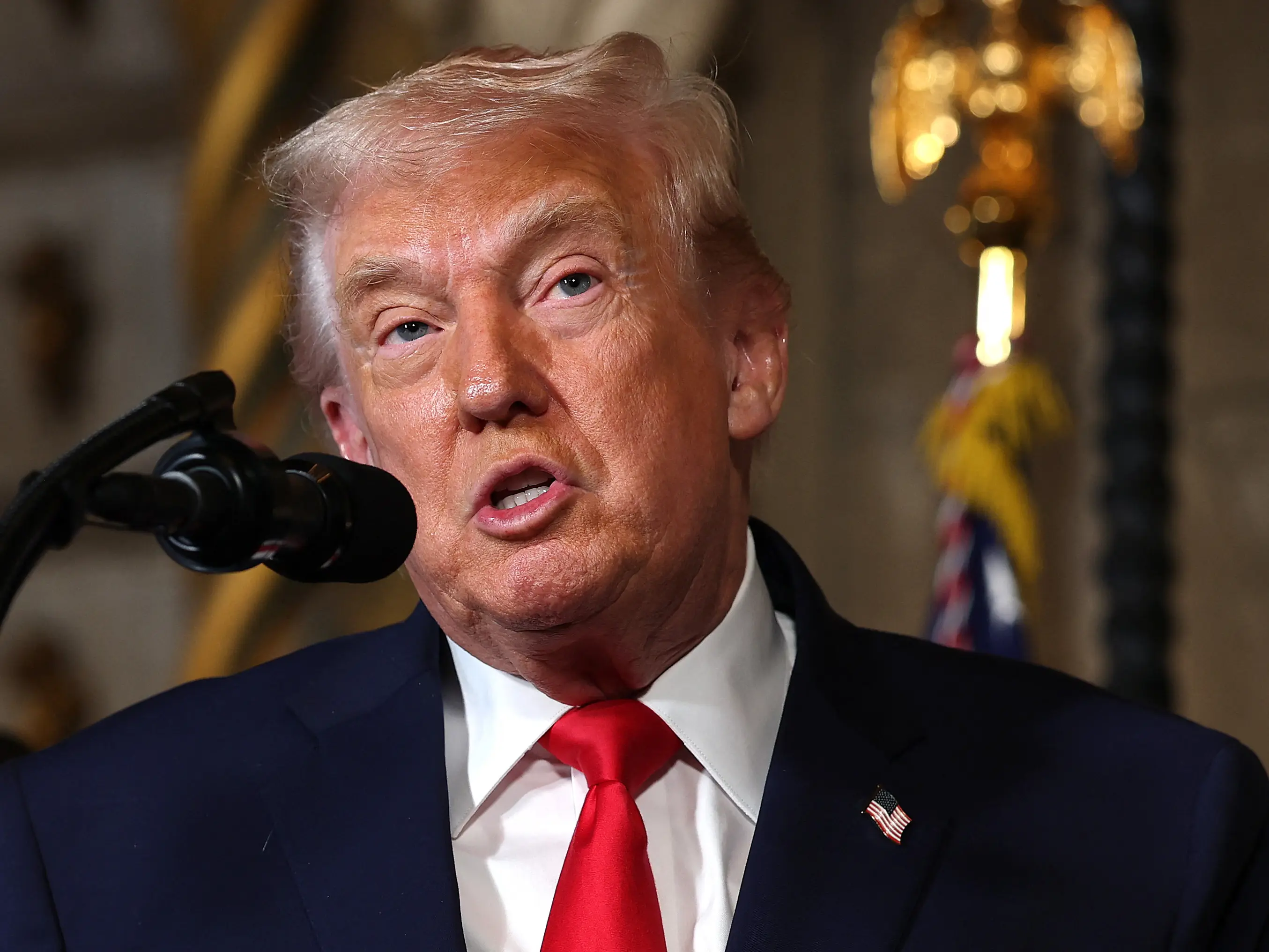
&imwidth=800&imheight=600&format=webp&quality=medium "Trump says Iran has 'no cards' ahead of high-stakes Islamabad talks")
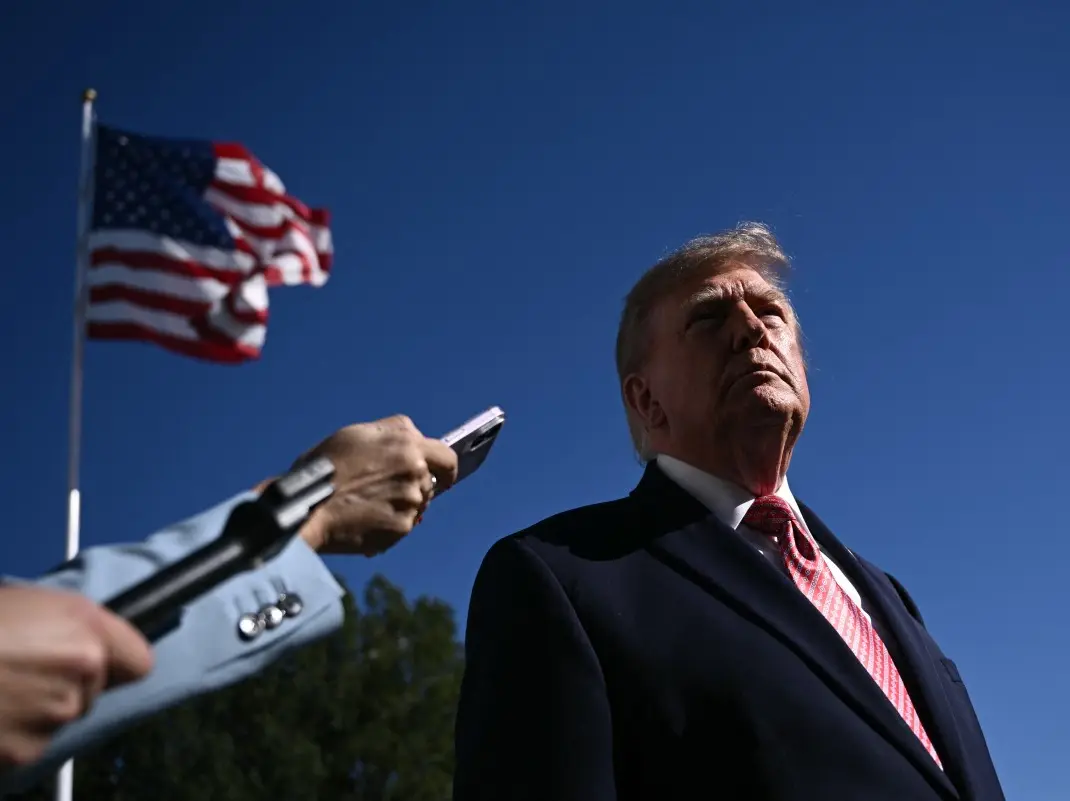
US President Donald Trump on Friday (April 10) declared that Iran has "no cards" going into upcoming peace talks with Washington, pointing to Tehran's temporary leverage over the strategic Strait of Hormuz as its only bargaining chip.
Posting on his Truth Social platform, Trump said, "The Iranians don't seem to realise they have no cards, other than a short-term extortion of the world by using international waterways." He added, "The only reason they are alive today is to negotiate."
Trump also criticised Tehran's handling of the vital waterway, saying Iran was doing a "very poor job" in allowing oil shipments through the strait, adding, "That is not the agreement we have." In a separate post, he took aim at Iran's media strategy, saying the country was "better at handling the Fake News Media and public relations than fighting."
The remarks come ahead of crucial US-Iran talks scheduled in Islamabad, Pakistan, where the Strait of Hormuz is expected to dominate discussions. The narrow waterway handles nearly one-fifth of global crude oil shipments, making it a key geopolitical flashpoint.
Although both sides agreed to reopen the channel following a ceasefire earlier this week, shipping traffic remains limited amid continued tensions and uncertainty over Iran's commitments.
Also Read: ‘US loading warships’: Trump warns of renewed strikes if Iran does not comply in peace talks
Trending Stories
&im=FitAndFill=(700,400)&imwidth=180&imheight=135&format=webp&quality=medium)
What is the real meaning behind Pete Hegseth's tattoos?
&imwidth=180&imheight=135&format=webp&quality=medium)
Kim Jong Un death rumours: State media shares photos to prove dictator is alive amid reports of brain haemorrhage
&imwidth=180&imheight=135&format=webp&quality=medium)
Two Indians among 28 arrested in California over alleged voter registration fraud, DOJ says
&imwidth=180&imheight=135&format=webp&quality=medium)
‘Nuclear-use decision should be taken by humans’: India flags AI risks at UN
&imwidth=180&imheight=135&format=webp&quality=medium)
Flying car race: Alef Aeronautics welcomes Tesla Roadster '11 years' later, but are the two models the same?
&imwidth=180&imheight=135&format=webp&quality=medium)
Dussehra 2025: Why is Ravana not burnt but worshipped in these places of India?
&imwidth=180&imheight=135&format=webp&quality=medium)
Shastri backs Shami comeback; lauds Bhuvi and warns Bumrah on format workload ahead of World Cup
&imwidth=180&imheight=135&format=webp&quality=medium)
Netanyahu rival Benny Gantz quits Israel election race, vows to push for unity government
&imwidth=180&imheight=135&format=webp&quality=medium)
US Midterm 2026: What do opinion polls and prediction markets say less than two weeks before voting
&imwidth=180&imheight=135&format=webp&quality=medium)
Mariah Carey wins $20 million legal battle over brother’s defamation lawsuit against her bestselling memoir
&imwidth=180&imheight=135&format=webp&quality=medium)
WATCH | Albania protesters set Supreme Court on fire as anti-Rama riots escalate
&imwidth=180&imheight=135&format=webp&quality=medium)
Indian Air Force turns to homegrown firefighting robot developed under iDEX programme
&imwidth=180&imheight=135&format=webp&quality=medium)
Pete Hegseth meets Benjamin Netanyahu during unannounced visit to Israel ahead of election
&im=FitAndFill=(700,400)&imwidth=180&imheight=135&format=webp&quality=medium)
Ghaziabad is world's fastest-growing city; Surat, Patna, Rajkot also feature on list
&imwidth=180&imheight=135&format=webp&quality=medium)
'It's a joy to see the makers bring it on such a grand scale': SS Rajamouli on Ramayana
&imwidth=180&imheight=135&format=webp&quality=medium)
Dark fantasy, violence, adult themes: BBFC data reveals animation's shift towards older audiences
&imwidth=180&imheight=135&format=webp&quality=medium)
WATCH | Japan launches historic mission to collect samples from Mars' moon Phobos
&imwidth=180&imheight=135&format=webp&quality=medium)
India begins National Red List Assessment of 1,211 bird species to boost conservation
&imwidth=180&imheight=135&format=webp&quality=medium)
PCB omits Atherton, Hussain from tri-series commentary panel over Imran Khan interview row
&imwidth=180&imheight=135&format=webp&quality=medium)
Trump calls on New Mexico to become 'New America', claims 'home values and incomes would rise'
&im=FitAndFill=(700,400)&imwidth=180&imheight=135&format=webp&quality=medium)
Priyanka Chopra to Shilpa Shetty: 6 Bollywood actresses and their fitness secrets
&imwidth=180&imheight=135&format=webp&quality=medium)
Pujara says 'Samson and Vaibhav cannot be in Playing XI' for India on NZ tour
&imwidth=180&imheight=135&format=webp&quality=medium)
US midterms 2026: From Pooja Sethi to Vivek Ramaswamy, here are Indian-origin candidates to watch out for
&im=FitAndFill=(700,400)&imwidth=180&imheight=135&format=webp&quality=medium)
New OTT releases this week (October 19-25, 2026): Gajab Raat to Chaar Yaar-8 titles to watch during Dussehra week on Netflix, Prime Video and more
&imwidth=180&imheight=135&format=webp&quality=medium)
Baby orangutan rescued in India returns to Indonesia
&imwidth=180&imheight=135&format=webp&quality=medium)
India moves to buy 10,000 more AI chips for a national compute pool open to startups
&imwidth=180&imheight=135&format=webp&quality=medium)
Prince Harry, Meghan Markle never accepted Queen Elizabeth’s terms for royal exit: Report
&imwidth=180&imheight=135&format=webp&quality=medium)
'Whatever I can do to end this war': Trump floats China Summit with Putin and Xi, questions Zelensky's role in peace talks
&imwidth=180&imheight=135&format=webp&quality=medium)
'We feel like Mr India': Gujarat’s undercover SHE team guard garba nights at Navratri
&imwidth=180&imheight=135&format=webp&quality=medium)
Cattle-feed bran in biscuits, detergent in milk: FSSAI acts against 3 companies
&imwidth=180&imheight=135&format=webp&quality=medium)
Feds obtain DNA evidence that could prove Ilhan Omar married her brother: Report
&imwidth=180&imheight=135&format=webp&quality=medium)
Ramayana advance booking: Ranbir Kapoor, Yash's film cross $500K ahead of Diwali release
&imwidth=180&imheight=135&format=webp&quality=medium)
AUS vs SA: Boland grabs opportunity with both ends to help Australia dominate
Trump's "no cards" remark echoes a similar comment he directed at Ukrainian President Volodymyr Zelenskyy earlier this year during a heated exchange over Ukraine's position in its conflict with Russia, underscoring his preferred negotiating posture of projecting dominance ahead of high-stakes diplomacy.
The talks in Islamabad follow a fragile ceasefire reached on April 7, ending around 39 days of intense conflict involving the United States, Israel, and Iran, a war that sent oil prices surging past $100 a barrel and dealt a severe blow to regional economies and global growth prospects. US Vice President JD Vance has departed for Pakistan to lead the American delegation, alongside Special Envoy Steve Witkoff and Jared Kushner.
However, the negotiations open in a deeply uncertain environment. Both sides remain suspicious of each other, and key aspects of the ceasefire continue to be contested, including a halt to Israel's bombing campaign in Lebanon. Several media reports indicate Tehran has threatened to pull out of the talks if Israeli strikes on Lebanon continue.
Adding to the uncertainty, conflicting interpretations of the ceasefire terms have clouded the diplomatic atmosphere. Pakistan's Prime Minister Shehbaz Sharif publicly posted on X that the cessation of hostilities in Lebanon was part of the deal, a post that, according to media reports, was shared with the Pakistan Prime Minister's Office by Washington itself. Both Israel and the White House have since contested that characterisation, deepening the confusion ahead of the first round of talks scheduled for Saturday morning, local time.
