Trump’s Board of Peace unveils $2.45bn Gaza plan,66 projects: But where’s the money?

&imwidth=600&imheight=450&format=webp&quality=medium "Trump’s Board of Peace unveils $2.45bn Gaza plan,66 projects: But where’s the money?")
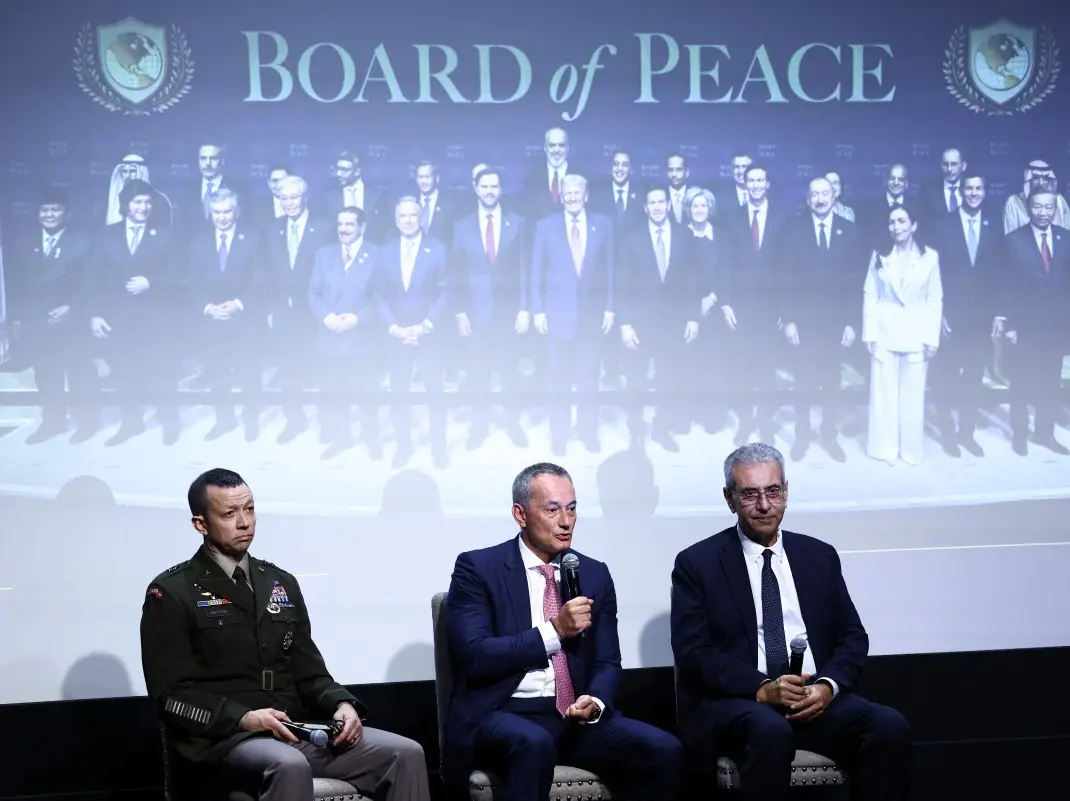
US military officer Major General Jasper Jeffers, High Representative for Gaza under US President Donald Trump's Board of Peace, Nickolay Mladenov, and Palestinian civil engineer Ali Shaath speak during a Board of Peace open session in New York on September 23, 2026. Photograph: (AFP)
Donald Trump’s Board of Peace has unveiled a six-month, $2.45 billion recovery blueprint for Gaza covering 66 projects. But with only a fraction of pledged donor funds transferred and key security issues unresolved, the plan faces hurdles before work can begin.
US President Donald Trump’s Board of Peace has unveiled a six-month, $2.45 billion recovery programme for Gaza, laying out 66 projects covering temporary housing, infrastructure, healthcare, economic recovery and security.
The blueprint was presented in New York on Wednesday (Sep 23) on the sidelines of the United Nations General Assembly, almost a year after Trump’s Gaza plan was first announced. The board says the programme is intended to move Gaza from the immediate recovery phase towards longer-term reconstruction and governance.
But the proposal faces a basic problem before much of the work can begin: the money has not yet arrived, and political and security conditions on the ground remain unsettled.
The board says around $18 billion has been committed by donors, but only $280 million has actually been transferred so far. The first six months alone are expected to require $2.45 billion. The board estimates that repairing Gaza's physical infrastructure will cost about $35.2 billion in the medium term, while full recovery and reconstruction over the next decade will require around $71.4 billion.
What is in the six-month plan?
Trending Stories
)
)
)
)
)
)
)
)
)
)
)
)
)
)
)
)
)
)
)
)
)
&im=FitAndFill=(700,400))
)
)
)
)
)
)
)
)
&im=FitAndFill=(700,400))
)
)
&im=FitAndFill=(700,400))
)
The 66 projects are spread across infrastructure development, human development, economic recovery, digital transformation, legal affairs, and peace and security. They include temporary accommodation, rubble and unexploded ordnance removal, hospital repairs, roads, border crossings, electricity and water infrastructure.
The plan also envisages economic and institutional projects, including support for small businesses, digital payments, connectivity and efforts to restore elements of Gaza's judicial and public-service systems. Security measures include preparations for an international stabilisation force, weapons collection and tunnel clearance.
The board has said the projects are ready to start once funding and access are available.
Kushner acknowledges delays
Jared Kushner, a member of the Board of Peace's executive board and Trump's son-in-law, acknowledged that implementation had been slower than planned.
“Different delays on different things, for whatever reason,” Kushner said, adding that the purpose of the meeting was to demonstrate that the board remained committed to the programme.
US envoy Steve Witkoff said the group had made progress over the past year, pointing to the continued ceasefire and humanitarian efforts.
“There is a ceasefire, imperfect as it may be, but it still exists,” Witkoff said.
But the board's own presentation acknowledged that implementation remains dependent on developments involving Israel and Hamas. Discussions with Israel have continued, while questions surrounding Hamas' disarmament and the deployment of an international stabilisation force remain unresolved.
Security remains a major obstacle
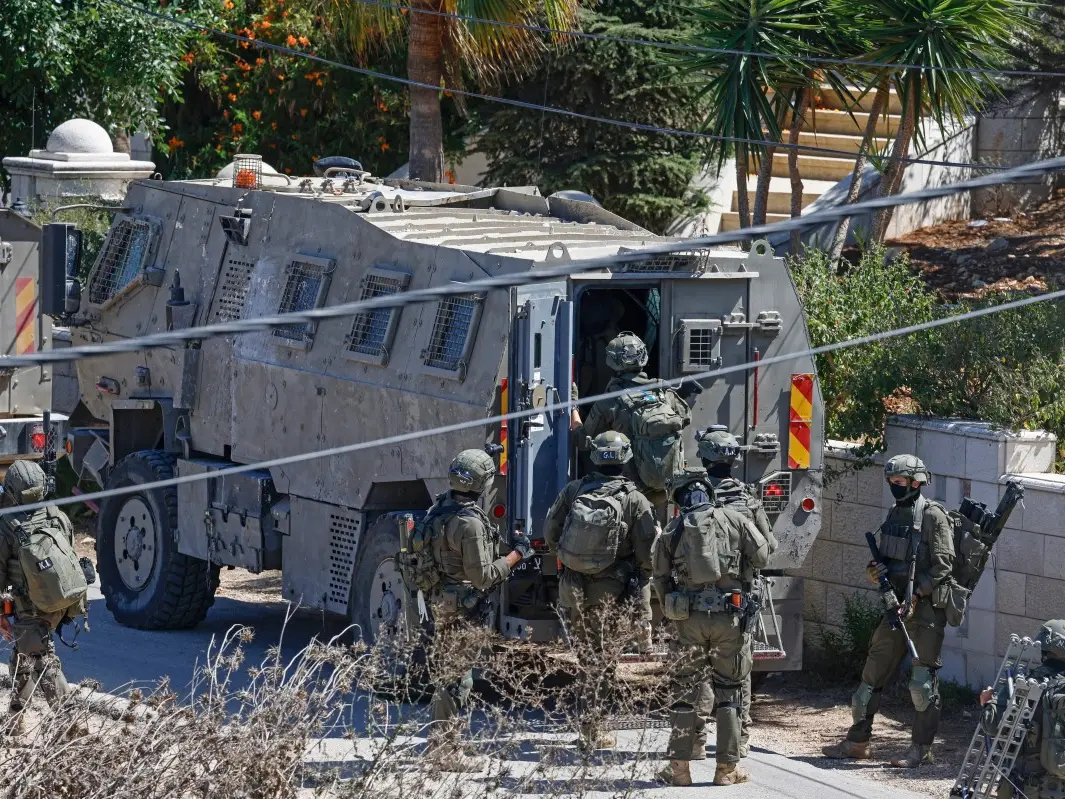
Before reconstruction can proceed at scale, large areas of Gaza need to be cleared of unexploded ordnance and damaged infrastructure.
Michael Eisenberg, a Board of Peace member, said unexploded weapons would have to be removed and tunnels beneath Gaza dealt with before major rebuilding could take place.

