&imwidth=800&imheight=600&format=webp&quality=medium "Trump, Rahul Gandhi think India is a ‘dead economy’. It's not even a financial term and India is a global growth engine. Reasons why")
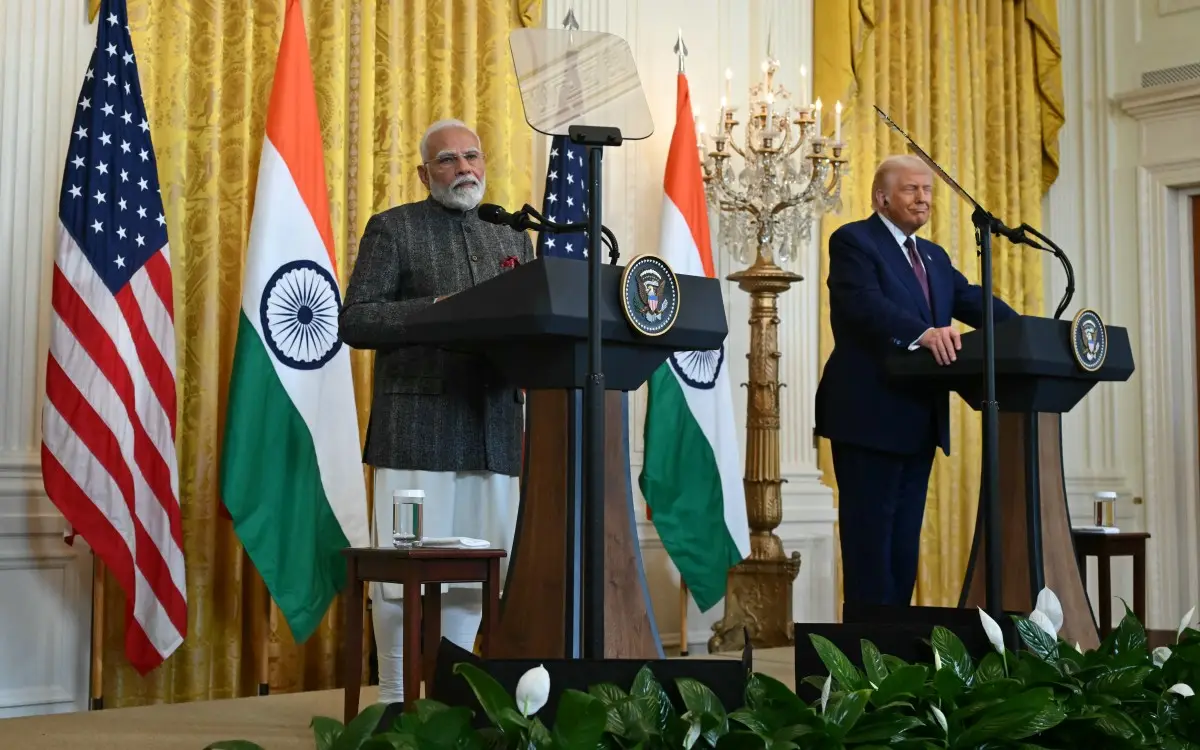
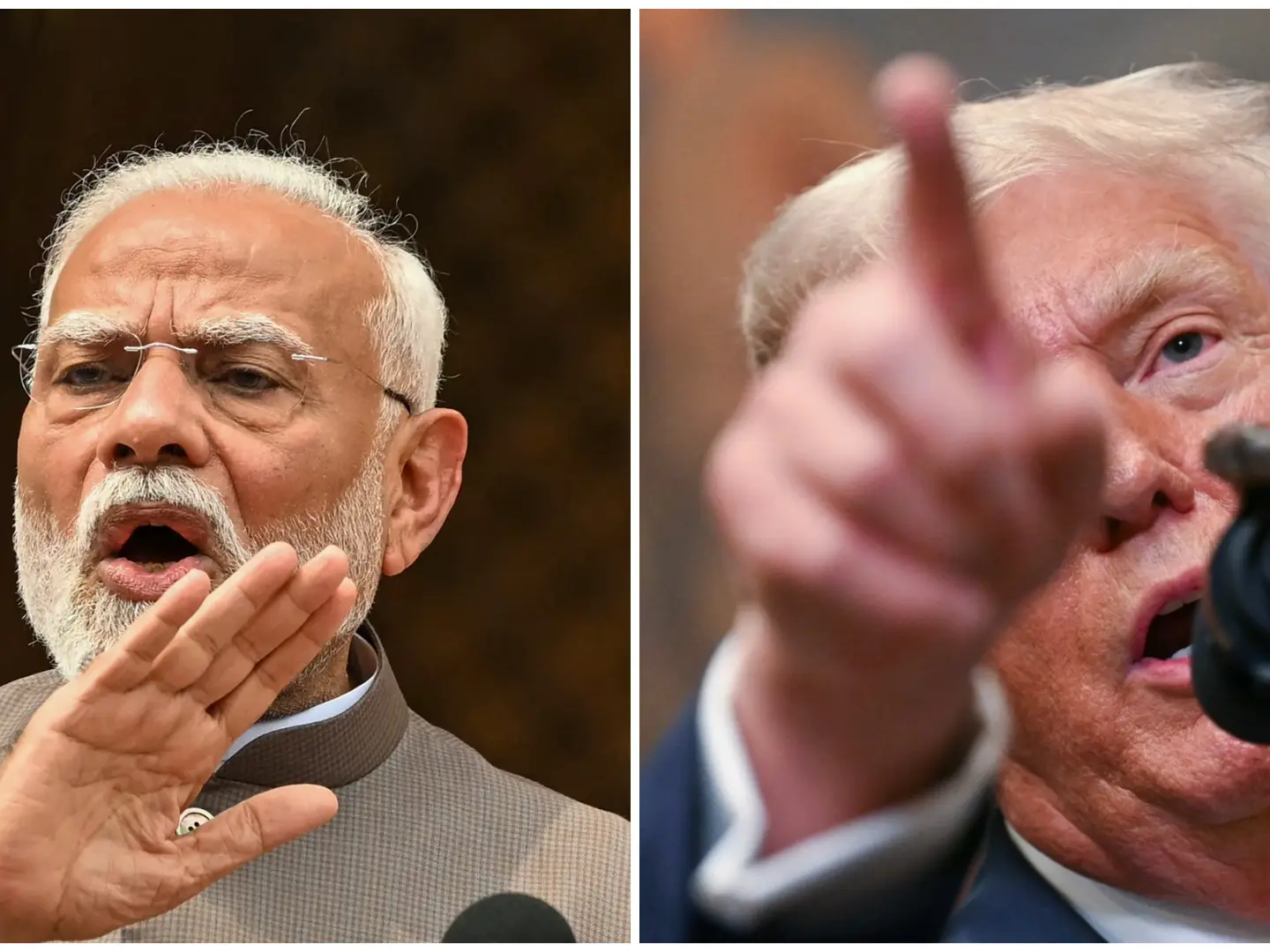
Donald Trump called India a ‘dead economy’ while announcing 25 per cent tariffs and penalties. The Indian opposition leader Rahul Gandhi agreed that India is a dead economy. But is it even a financial term, and is India indeed a dead economy? Here is what you should know:
Is ‘dead economy’ a formal financial term?
No, "dead economy" is not a term used in economics or finance. GDP growth, unemployment, inflation, or industrial output are the general criteria for checking the health of an economy, not vague, rhetorical terms like ‘dead economy.’

Is India a ‘dead economy’? Reasons why it is not
For argument's sake, let us take the dead economy jibe of Trump seriously and analyse India, one of the world’s fastest-growing major economies. Below is an exploration of India's economic activity and global positioning, to debunk Trump's claims supported by a section of Indian politicians.
India GDP growth at a steady pace despite global uncertainties
Trending Stories
)
Xi Jinping's new AI bloc: China launches 'World AI Body' with Pakistan and Russia in, India out
)
3.5-million-year-old mystery creature found in Japan is a 'giant' never seen before
&im=FitAndFill=(700,400))
Meet top 5 batters with most runs in India vs Zimbabwe T20Is
)
Japan is selling a refrigerator to cool the human body for Rs 9 lakh. It is already a hit in Tokyo
)
Sonam Wangchuk's connection with George Soros and Ford Foundation explained!
)
'There is no need for...': PM Modi takes a veiled dig at Rahul Gandhi, sends big message amid Parliament March
)
Iran strikes Amazon data infrastructure in Bahrain, power, water desalination plants in Kuwait
)
FACT CHECK: Was Abhijit Dipke detained during CJP's Parliament march? Here's what police say
)
UP BTech gold medalist dies by suicide after failing in nearly 50 govt job attempts, leaves note for father
)
Jail over Khamenei post: J&K youth returns home after 3 months in Saudi custody
)
'Now come to us': CJP resumes protest after Parliament march violence, calls meeting with Nadda 'waste of time'
)
Salman Khan breaks silence on health concerns after viral Mumbai appearance
)
'George Soros playbook': Understanding the foreign funding network around Sonam Wangchuk
)
Indus treaty can no longer function in its current form, says India; plans 5,500 mw of new J&K hydro projects
&im=FitAndFill=(700,400))
New OTT releases this week (July 20-26, 2026): Musafir Cafe, Adarsh Baal Vidyalaya, 72 Hours- 5 new titles coming on Netflix, Prime Video and more
&im=FitAndFill=(700,400))
2026 FIFA World Cup awards: Full list of Golden Boot, Golden Ball, Golden Glove and every major winner
&im=FitAndFill=(700,400))
FIFA World Cup 2026 team of the tournament: The best XI that ruled football’s biggest stage
)
'What is wrong...': Anna Hazare breaks silence on Sonam Wangchuk's protest, makes an appeal to Centre
)
Truck loaded with stones, metro stations closed: What's happening at Jantar Mantar now
&im=FitAndFill=(700,400))
Why US fighter jets use seamless bubble canopies compared to Russian jets
&im=FitAndFill=(700,400))
Why the F-22’s cockpit glass is thicker than a standard fighter jet
)
Student union leaders call off hunger strike at Jantar Mantar after civil society appeal, but protest continues
)
'Guru is the...': Indian Education Minister Dharmendra Pradhan shares message on education amid calls for his resignation
)
'We acted immediately...': Indian PM Modi breaks silence on paper leaks as NEET protest, calls for Education Minister's resignation grows
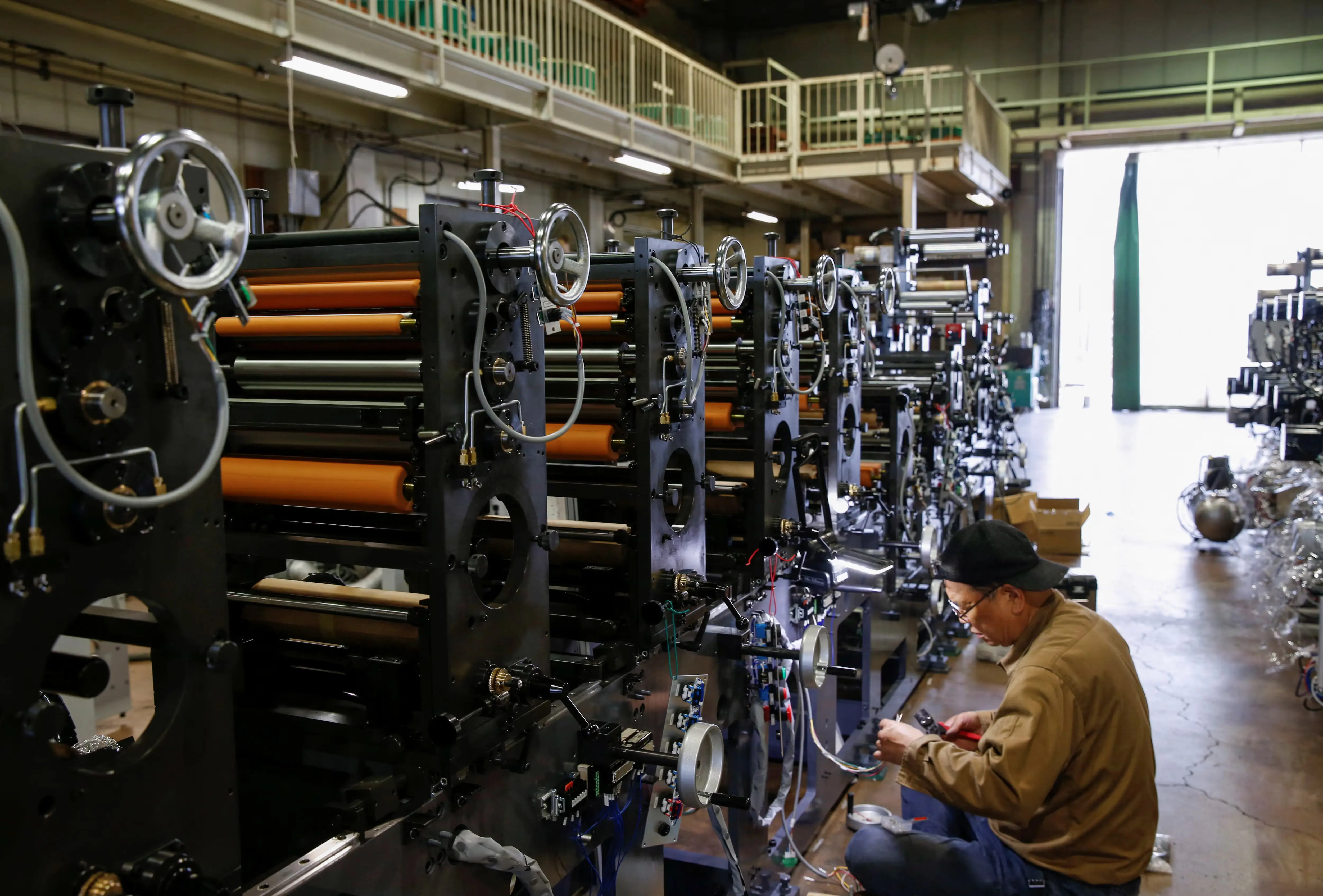
India is projected to grow at 6.4 per cent in 2025 and 2026 as per recent IMF estimates. This growth rate is better than major economies like the US (1.9 pc) and Japan (0.7 pc). In the fiscal year 2023–2024, India’s real GDP growth reached 9.2 per cent, the highest in more than a decade. For the third quarter of 2024–2025, growth was at 6.2 pc, year on year. India is the fourth-largest economy by nominal GDP, valued at $4.187 trillion in 2025, slightly ahead of Japan, and the third-largest by purchasing power parity or PPP. India is set to become the third-largest by nominal GDP by 2027.
Domestic demand remains strong in India
Private consumption in India grew by 7.4 per cent in the first quarter of financial year 2025, at a healthy 56 per cent of GDP. Interestingly, rural consumption, supported by better harvests and lower inflation, accounts for around 40 per cent of consumer goods sales. Private sector investment grew by 7.5 per cent in the first quarter of 2025 financial year, a sign of confidence in the Indian economy.
India is blessed with a young and skilled workforce, unlike countries like US
For decades now, India has enjoyed a relatively young population, with the median age at 28.8, compared to 38.5 in the US and 42.8 in Europe. This ‘demographic dividend’
is reflected in its tech-skilled workforce in fields like Artificial Intelligence, Information Technologies and space. Many global firms are setting up manufacturing and research hubs in cities like Bengaluru and Hyderabad. For years, India's robust service sector, especially IT and finance, has been well-known, contributing to exports.
Foreign investment in India is growing, and exports include high-tech and research-intensive items now
India continues to be a destination for foreign investment. In the financial year 2024, the International Finance Corporation, for instance, provided $4.2 billion in green energy and infrastructure investments. India's total exports, including goods and services, hit a record high in the financial year 2024-25, estimated at $824.9 billion by the Reserve Bank of India. And these exports include high-end items like smartphones, pharmaceuticals and textiles.
India's global economic standing is reflected in annual rankings
The IMF and World Bank have regularly referred to India as a ‘bright spot' amid economic headwinds in the world, contributing 16 per cent to global growth. India's success in space missions and becoming a manufacturing and export hub for iPhones highlight innovation and industrial growth.
Indian government is investing more in infrastructure, economic activity is growing
Indian budget allocations for infrastructure are upwards of ₹10 trillion, including for roads, airports, and clean energy. Economic activity is also driven by employment guarantee programmes like MGNREGA, which employ 80 million people. Electricity access has reached 99.6 per cent of Indian villages by 2020. Food subsidies enhance inclusivity and reduce poverty.
Why is Trump dismissive of Indian economy? Some issues remain
There are certain areas that need to be addressed. One is youth unemployment, and jobs being concentrated in the informal sector. There have been reports of income inequality, and savings gaps, particularly among the rural population. Programmes like Aadhaar-linked transfers and food rationing are reducing poverty. There has been criticism of some policies like demonetisation of 2016 and the implementation of GST as hurting jobs and small businesses.But these reforms helped formalise the Indian economy, which continues to show growth. Annual growth of 6 to 7 per cent is pretty good for a developing economy of India's size.
Those who support Trump's view of Indian economy should note that…
In short, India’s economy is robust and vibrant, not dead or stagnating. With 6.4 per cent projected growth in 2025, a young and tech-skilled workforce, $800 billion in exports, and global recognition as a bright spot, India is a dynamic player in world economy. Challenges like unemployment, income inequality, and trade risks exist but are manageable . Trump’s ‘dead economy’ remark is obviously an exaggeration. India continues to be on a path to becoming the third-largest economy by 2027.