Is it Wall Street vs Silicon Valley - Trump's AI regulation a battle within populists

&imwidth=600&imheight=450&format=webp&quality=medium "Is it Wall Street vs Silicon Valley - Trump's AI regulation a battle within populists")
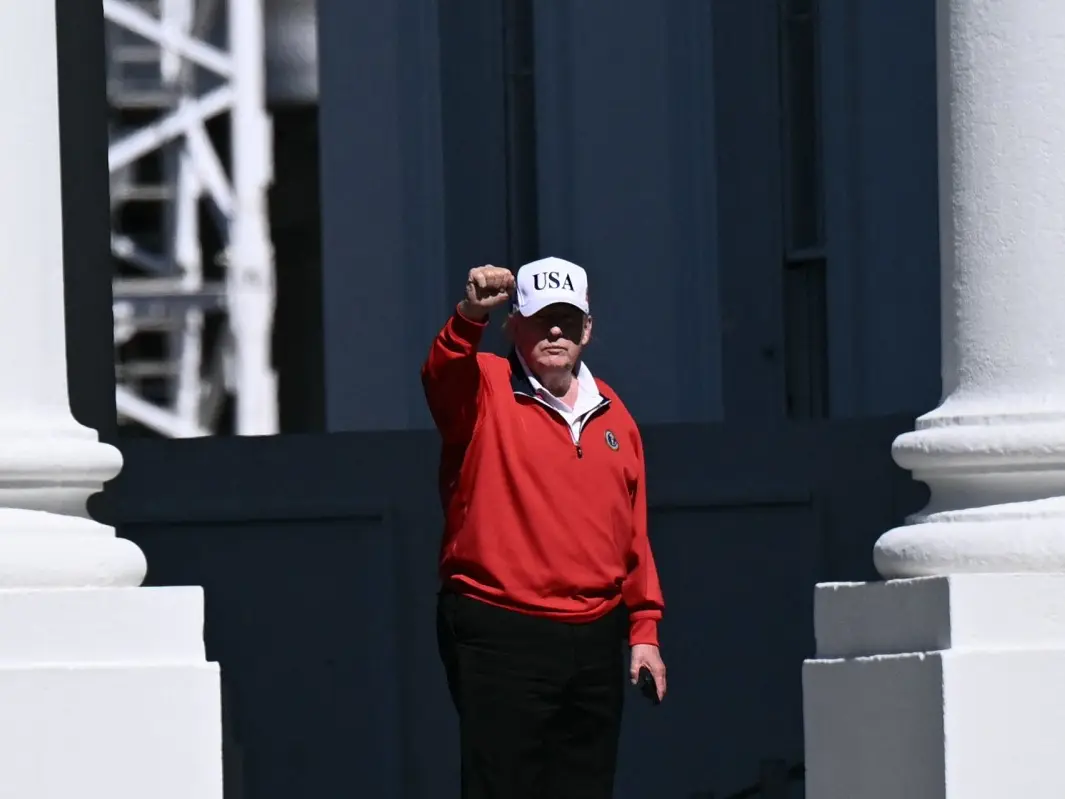
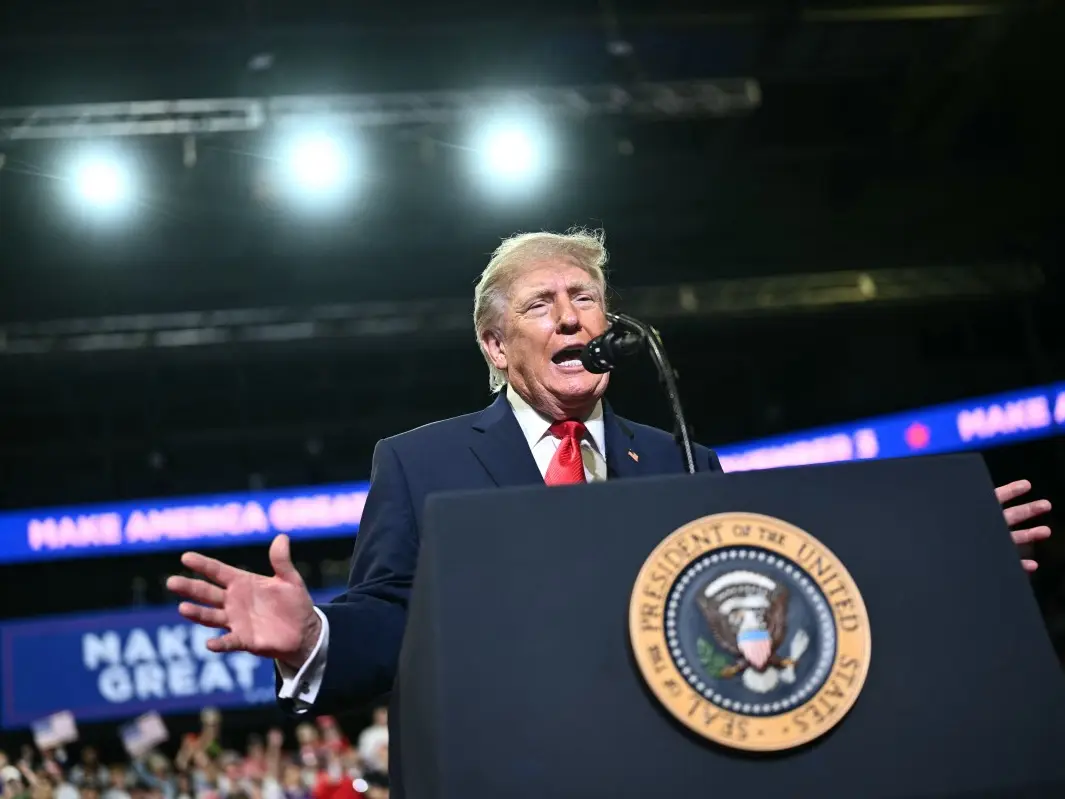
US President Donald Trump raises his fist as he returns to the White House in Washington, DC, on May 31, 2026 after golfing at his Trump National Golf Club in Sterling, Virginia Photograph: (AFP)
Donald Trump's new AI executive order promotes voluntary security reviews and a light-touch regulatory approach. The framework follows lobbying by major AI and tech companies seeking to avoid mandatory oversight.
US President Donald Trump's approach to AI regulation seems like putting a guardrail on the Silicon Valley AI giants or like requesting them to put guardrails on themselves. The framework reflects a "light touch" federal regulatory approach that emphasises innovation, preemption of state AI laws, and reliance on existing legal regimes.
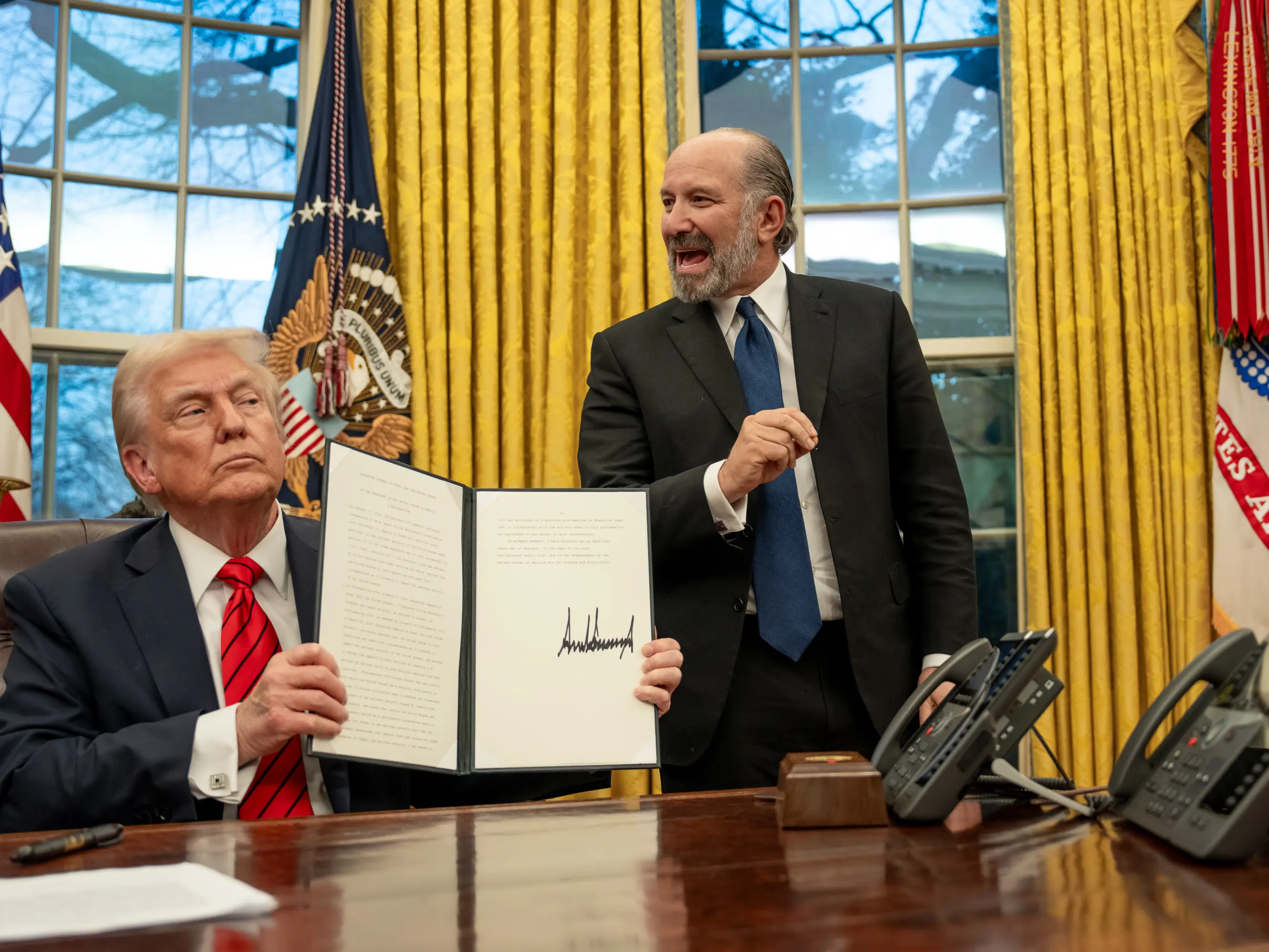
“Advanced AI capabilities make our Nation stronger, but also introduce new national security considerations that require coordinated action across executive departments and agencies,” the order says. It was a direct contradiction to US President Donald Trump's promise of removing any guardrails before taking office. Eventhough his baseline philosophy still remains pro laissez-faire, Trump’s order “promoting advanced artificial intelligence innovation and security,” released on June 2, establishes a framework for the federal government to vet the national security risks of the most advanced AI systems, and encourages voluntary cooperation between companies and federal agencies. The keyword to be noted is "voluntary".
The launch of Claude “Mythos”
Following the launch of the Claude “Mythos” by Anthropic on April 7, the US Treasury Secretary Scott Bessent and outgoing Fed chair Jerome Powell held an emergency meeting with the Wall Street executives. Anthropic released a report titled “Assessing Claude Mythos Preview's cybersecurity capabilities.” Mythos, within a few weeks of automated and human testing, successfully identified over 10,000 high or critical-severity security flaws in major software systems, setting off alarms in Washington. The meeting was held in mid-April but was not about interest rates, not over tariffs, nor oil prices due to the Iran war, but specifically over cybersecurity risks linked to Anthropic's Mythos AI model. The attendees included the CEOs of Citigroup, Morgan Stanley, Bank of America, Wells Fargo, and Goldman Sachs. It was hastily arranged, not pre-planned. In the meeting, they were briefed about the security risks, which created a global alarm, even in India.
On April 23, Finance Minister Nirmala Sitharaman chaired a meeting with Reserve Bank of India (RBI), National Payments Corporation of India, Indian Banks’ Association, and Indian Computer Emergency Response Team officials, calling the Mythos threat “unprecedented.” Following a meeting with Anthropic's India team, officials appeared to have agreed that models used in the sensitive sector must be hosted on Indian servers for regulatory, security, and jurisdiction risks. The day after the meeting, Anthropic revealed it was releasing a version of Mythos to a select group of companies under an initiative called Project Glasswing. Participants include Amazon, Apple, and JPMorgan, with the idea that these firms will get a head start on strengthening their defences before the model becomes more widely available.
Trending Stories
&imwidth=280&imheight=210&format=webp&quality=medium)
&im=FitAndFill=(700,400)&imwidth=280&imheight=210&format=webp&quality=medium)
&imwidth=280&imheight=210&format=webp&quality=medium)
&imwidth=280&imheight=210&format=webp&quality=medium)
&imwidth=280&imheight=210&format=webp&quality=medium)
&imwidth=280&imheight=210&format=webp&quality=medium)
&imwidth=280&imheight=210&format=webp&quality=medium)
&imwidth=280&imheight=210&format=webp&quality=medium)
&imwidth=280&imheight=210&format=webp&quality=medium)
&imwidth=280&imheight=210&format=webp&quality=medium)
&im=FitAndFill=(700,400)&imwidth=280&imheight=210&format=webp&quality=medium)
&imwidth=280&imheight=210&format=webp&quality=medium)
&imwidth=280&imheight=210&format=webp&quality=medium)
&imwidth=280&imheight=210&format=webp&quality=medium)
&imwidth=280&imheight=210&format=webp&quality=medium)
&imwidth=280&imheight=210&format=webp&quality=medium)
&imwidth=280&imheight=210&format=webp&quality=medium)
&imwidth=280&imheight=210&format=webp&quality=medium)
&imwidth=280&imheight=210&format=webp&quality=medium)
&imwidth=280&imheight=210&format=webp&quality=medium)
&imwidth=280&imheight=210&format=webp&quality=medium)
&im=FitAndFill=(700,400)&imwidth=280&imheight=210&format=webp&quality=medium)
&imwidth=280&imheight=210&format=webp&quality=medium)
&imwidth=280&imheight=210&format=webp&quality=medium)
&imwidth=280&imheight=210&format=webp&quality=medium)
&imwidth=280&imheight=210&format=webp&quality=medium)
&imwidth=280&imheight=210&format=webp&quality=medium)
&imwidth=280&imheight=210&format=webp&quality=medium)
&imwidth=280&imheight=210&format=webp&quality=medium)
&imwidth=280&imheight=210&format=webp&quality=medium)
&imwidth=280&imheight=210&format=webp&quality=medium)
&imwidth=280&imheight=210&format=webp&quality=medium)
&imwidth=280&imheight=210&format=webp&quality=medium)
Tech CEO lobby and the executive order
On May 21, US President Donald Trump cancelled an executive order signing, citing that “he didn't like certain aspects of it”. Just hours before the signing of the executive order, David Sacks, Trump's former crypto and AI czar, intervened against the 90-day mandatory review window. He warned that a three-month government-mandated freeze would cripple the fast-moving tech sector and hand a massive advantage to China. After the cancellation, another round of frantic negotiation started, which had all the frontier model executives and legacy tech giants, including Sam Altman, Dario Amodei, Sundar Pichai, Satya Nadella, Elon Musk, Mark Zuckerberg, Jensan Heung, Tim Cook and David Sacks, to name a prominent few. They lobbied to change the 90-day “mandatory” blocking window and reduced it to a 30-day "voluntary" review, to salvage the security framework, while keeping the competitive edge.
Anthropic welcomed Trump's executive order; Sam Altman publicly praised the compromise, stating that the executive order "gets the balance right". Arvind Krishna, CEO of IBM, said that it hit the “goldilocks spot”. The Tech CEOs intervened at the last minute to get rid of the European-style regulatory framework and established a laissez-faire framework with more autonomy. However, cybersecurity executives remained deeply wary of the practical implications of the executive order's voluntary framework, which lacks any real accountability. The sequence of events that led to the signing of the executive order shows the tug of war happening within the White House. It appears that the free-market crowd won this round, but the fact that an order was passed shows that a populist-regulator tension remains alive.