Three tankers hit in Strait of Hormuz in 24 hours amid US-Iran ceasefire

&imwidth=600&imheight=450&format=webp&quality=medium "Three tankers hit in Strait of Hormuz in 24 hours amid US-Iran ceasefire")
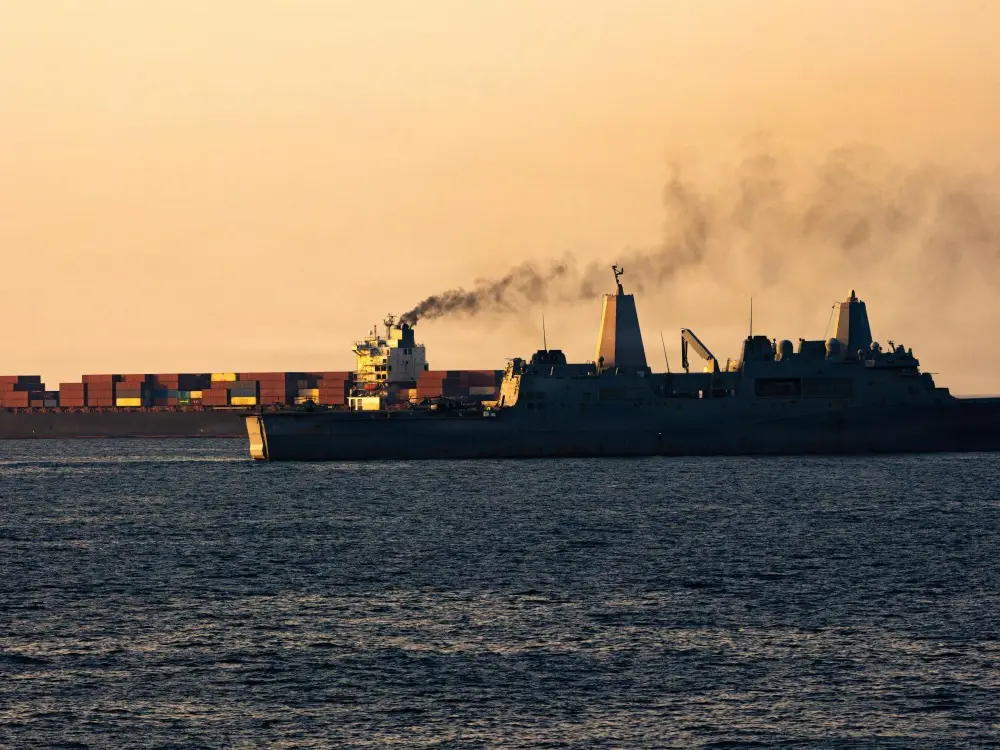
Representative Photo Photograph: (Credits: AFP)
Qatar blamed Iran for the attack on its tanker and called on Tehran to cease actions threatening regional security and maritime navigation. The country held Iran fully responsible for the incident and its consequences.
Three tankers were struck by projectiles in the Strait of Hormuz on Tuesday, marking the latest flare-up in the vital waterway that accounts for one-fifth of the world's oil supply. The attacks have raised fresh concerns over the durability of the 14-point Memorandum of Understanding signed on June 17 between the United States and Iran to end the war.
According to the British maritime security agency UKMTO, an "unknown projectile" struck a tanker overnight and triggered a fire. Two more tankers were later hit, with at least one vessel struck by a drone.
In its latest update, UKMTO said, "UKMTO has received a report of a further incident involving a tanker transiting the Strait of Hormuz. The tanker was struck by an unknown Uncrewed Aerial Vehicle (UAV) and has sustained minor structural damage. No casualties or environmental impact reported," it said in a post on X.
The three vessels were attacked near Oman. The incidents renewed concerns over the safety of shipping through the Strait of Hormuz after Iran lifted its blockade of the key waterway following a fragile ceasefire with the United States.
Oman had proposed a temporary transit corridor along its coastline, an initiative opposed by Iran, which wants to charge ships using the narrow passage.
Trending Stories
&im=FitAndFill=(700,400)&imwidth=280&imheight=210&format=webp&quality=medium)
&imwidth=280&imheight=210&format=webp&quality=medium)
&imwidth=280&imheight=210&format=webp&quality=medium)
&imwidth=280&imheight=210&format=webp&quality=medium)
&imwidth=280&imheight=210&format=webp&quality=medium)
&imwidth=280&imheight=210&format=webp&quality=medium)
&imwidth=280&imheight=210&format=webp&quality=medium)
&imwidth=280&imheight=210&format=webp&quality=medium)
&imwidth=280&imheight=210&format=webp&quality=medium)
&imwidth=280&imheight=210&format=webp&quality=medium)
&imwidth=280&imheight=210&format=webp&quality=medium)
&imwidth=280&imheight=210&format=webp&quality=medium)
&imwidth=280&imheight=210&format=webp&quality=medium)
&imwidth=280&imheight=210&format=webp&quality=medium)
&imwidth=280&imheight=210&format=webp&quality=medium)
&imwidth=280&imheight=210&format=webp&quality=medium)
&imwidth=280&imheight=210&format=webp&quality=medium)
&imwidth=280&imheight=210&format=webp&quality=medium)
&im=FitAndFill=(700,400)&imwidth=280&imheight=210&format=webp&quality=medium)
&imwidth=280&imheight=210&format=webp&quality=medium)
&imwidth=280&imheight=210&format=webp&quality=medium)
&imwidth=280&imheight=210&format=webp&quality=medium)
&imwidth=280&imheight=210&format=webp&quality=medium)
&imwidth=280&imheight=210&format=webp&quality=medium)
&imwidth=280&imheight=210&format=webp&quality=medium)
&imwidth=280&imheight=210&format=webp&quality=medium)
&im=FitAndFill=(700,400)&imwidth=280&imheight=210&format=webp&quality=medium)
&imwidth=280&imheight=210&format=webp&quality=medium)
&imwidth=280&imheight=210&format=webp&quality=medium)
&imwidth=280&imheight=210&format=webp&quality=medium)
&imwidth=280&imheight=210&format=webp&quality=medium)
Qatar blames Iran for tanker attack
One of the vessels that was hit, the Qatari tanker Al Rekayyat, was travelling off the coast of Oman to India when it was struck.
Qatar, which helped broker the ceasefire, blamed Iran for the attack on its tanker and urged Tehran to stop actions that threaten maritime security.
"The targeting of the Qatari vessel 'Al-Rekayyat' while transiting near the Strait of Hormuz constitutes an unacceptable attack on the security and safety of international maritime navigation," Doha's foreign ministry spokesman Majed Al Ansari wrote on X.
"We hold Iran fully legally responsible for this attack and for any resulting damages or repercussions," he added.
Meanwhile, talks between Iran and the United States appeared to be on hold until after the burial of Iran's Supreme Leader Ayatollah Ali Khamenei, who was killed at the beginning of the US-Israeli strikes on February 28.
Trump reviews military threat
As tensions over navigation through the Strait of Hormuz persisted, US President Donald Trump repeated that military action against Iran remained an option if diplomacy failed.
"We're either going to make a deal or we're going to finish the job.... We can knock down their bridges in one hour; we can knock out their energy supply," Trump told reporters in the Oval Office on Monday.
Iranian Foreign Minister Abbas Araqchi rejected the warning, saying negotiations could not continue under military pressure.
"Honour your signature," he wrote on X, referring to the interim ceasefire memorandum.