THIS city in Asia has the world’s coolest neighbourhood for 2026. Check the full list

&imwidth=600&imheight=450&format=webp&quality=medium "THIS city in Asia has the world’s coolest neighbourhood for 2026. Check the full list")
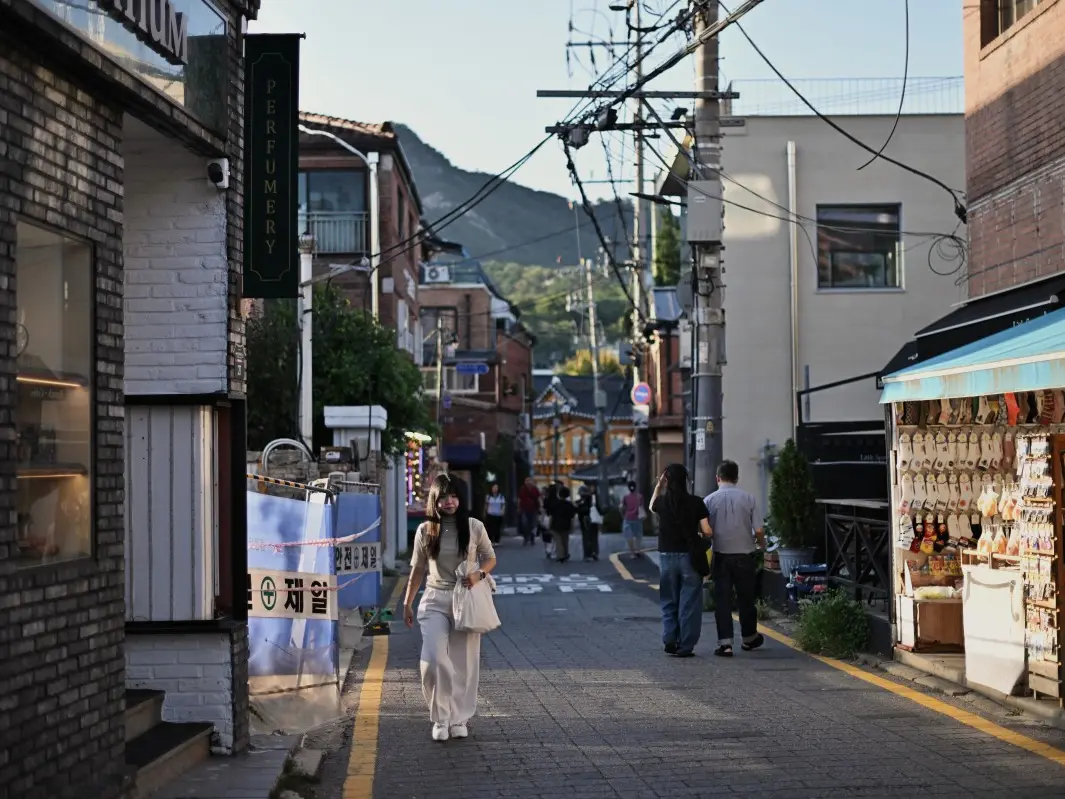
Jongno 3-ga in Seoul Photograph: (AFP)
Jongno 3-ga in Seoul has been named the world’s coolest neighbourhood for 2026, praised for food, nightlife and local culture
Jongno 3-ga in Seoul, a historic district celebrated for its traditional architecture, independent businesses and late-night food stalls, has been named the world’s coolest neighbourhood for 2026 by Time Out. The Seoul neighbourhood claimed the top spot in Time Out’s annual ranking of 40 neighbourhoods selected through the magazine’s global network of local experts. The districts were assessed by a panel of editors based on ‘food and drink, nightlife, unique local businesses, liveability, and community’. Jongno 3-ga was followed by L’Ocean District in Rabat, Morocco, and Neos Kosmos in Athens, Greece. Chinatown in Los Angeles and Govanhill in Glasgow rounded out the top five. The Seoul neighbourhood previously featured prominently in Time Out’s rankings, placing third in 2021.
Why Jongno 3-ga topped the 2026 list
Located in central Seoul, Jongno 3-ga combines historic Korean architecture with a lively modern scene. Its narrow alleyways are lined with traditional hanok houses, alongside cafés, restaurants, craft shops and bars. One of its best-known areas, Ikseon-dong, has undergone a major transformation. Once a fading residential neighbourhood, it has become a popular destination after businesses began moving into its historic houses.
Many of Ikseon-dong’s hanok were constructed during the 1920s as relatively small homes. A number of them have been preserved, creating a distinctive maze of traditional buildings and narrow lanes. The neighbourhood takes on a different character after sunset. Jongno 3-ga is particularly known for its pojangmacha, commonly called pocha, tented street stalls where visitors can enjoy inexpensive food and drinks. These stalls have been part of Seoul’s street culture for decades. In and around Ikseon-dong, they continue to attract younger visitors looking for dishes including savoury pancakes, grilled seafood and sannakji, or live octopus.
L’Ocean district in Rabat takes second place
Rabat’s L’Ocean District secured second place on the 2026 list. The Moroccan seaside neighbourhood overlooks the Atlantic Ocean and features a palm-lined promenade, beaches and sports pitches alongside low-rise residential streets. Its appeal lies partly in its strong local identity and combination of coastal surroundings with everyday neighbourhood life.
Trending Stories
)
)
)
)
)
&im=FitAndFill=(700,400))
)
)
)
)
)
)
)
)
)
)
)
)
)
)
)
)
)
)
&im=FitAndFill=(700,400))
)
)
)
)
Athens’ Neos Kosmos ranks third
Neos Kosmos in Athens took third place. Situated between the Acropolis and the Athenian Riviera, the neighbourhood has developed a reputation for contemporary culture while retaining much of its traditional residential character. The Onassis Stegi cultural centre has contributed to the area’s cultural profile, hosting exhibitions, performances and public events. Restaurants, bars and independent businesses have also expanded throughout the neighbourhood.
Chinatown in Los Angeles comes fourth
Los Angeles’ Chinatown ranked fourth, bringing together a history dating to the late 19th century with a newer generation of restaurants, bars, galleries and creative businesses. Central Plaza remains one of the district’s key gathering points, while the nearby LA State Historic Park hosts concerts, film screenings and a farmers’ market.
Govanhill in Glasgow completes the top five
Govanhill, located in Glasgow’s southside, took fifth place. The densely populated neighbourhood is known for its established immigrant communities, independent businesses and community organisations. According to the 2022 census, ethnic minority residents account for 44.1 per cent of the area’s population. Its cultural landscape includes the Glasgow Zine Library and independent bookshops, alongside long-standing restaurants and shops serving the neighbourhood’s diverse communities.
Tokyo loses the top spot
Tokyo’s Jinbōchō district held the no. 1 position in Time Out’s 2025 ranking, but the Japanese capital did not retain the top spot this year. Japan nevertheless has two neighbourhoods in the 2026 top 10. Osaka’s Kitakagaya ranked sixth, while Tokyo’s Koenji came eighth. Kitakagaya, a former shipbuilding area, has seen disused factories and warehouses transformed into art spaces and studios. Koenji, historically associated with Tokyo’s punk scene, is now known for independent shops, record stores, bars and live music venues.

