'AI took it all': The world's biggest PC makers are now buying Chinese memory chips

&imwidth=600&imheight=450&format=webp&quality=medium "'AI took it all': The world's biggest PC makers are now buying Chinese memory chips")
The world's biggest PC makers are now buying Chinese memory chips Photograph: (AFP | Representative Image)
Acer, Asus and HP have begun putting DRAM from China's CXMT into notebook computers, with Dell considering it, as AI data centres absorb an estimated 70 per cent of all memory chip production in 2026 and DRAM prices triple in 18 months. CXMT's first-half profit is up as much as 2,530 per cent year-on-year.
The artificial intelligence build-out has consumed so much of the world's memory chip supply that the largest Western PC manufacturers are now buying from the Chinese suppliers Washington spent years trying to keep out of their supply chains.
What Changed
Acer, Asus and HP have started using limited quantities of DRAM from ChangXin Memory Technologies, China's leading maker of dynamic random access memory, in their notebook computers. Dell has been weighing the same move.
For context on why that is notable: CXMT and its domestic peer Yangtze Memory Technologies, China's leading NAND flash manufacturer, have been treated for years as strategic competitors that American policy sought to constrain rather than as routine suppliers to Western brands.
The Cause Is AI, Not Policy
The shift is not the product of a diplomatic thaw. It is arithmetic.
Trending Stories
&imwidth=280&imheight=210&format=webp&quality=medium)
&imwidth=280&imheight=210&format=webp&quality=medium)
&im=FitAndFill=(700,400)&imwidth=280&imheight=210&format=webp&quality=medium)
&imwidth=280&imheight=210&format=webp&quality=medium)
&imwidth=280&imheight=210&format=webp&quality=medium)
&imwidth=280&imheight=210&format=webp&quality=medium)
&imwidth=280&imheight=210&format=webp&quality=medium)
&imwidth=280&imheight=210&format=webp&quality=medium)
&imwidth=280&imheight=210&format=webp&quality=medium)
&imwidth=280&imheight=210&format=webp&quality=medium)
&imwidth=280&imheight=210&format=webp&quality=medium)
&imwidth=280&imheight=210&format=webp&quality=medium)
&imwidth=280&imheight=210&format=webp&quality=medium)
&imwidth=280&imheight=210&format=webp&quality=medium)
&imwidth=280&imheight=210&format=webp&quality=medium)
&imwidth=280&imheight=210&format=webp&quality=medium)
&imwidth=280&imheight=210&format=webp&quality=medium)
&imwidth=280&imheight=210&format=webp&quality=medium)
&imwidth=280&imheight=210&format=webp&quality=medium)
&imwidth=280&imheight=210&format=webp&quality=medium)
&imwidth=280&imheight=210&format=webp&quality=medium)
&im=FitAndFill=(700,400)&imwidth=280&imheight=210&format=webp&quality=medium)
&imwidth=280&imheight=210&format=webp&quality=medium)
&imwidth=280&imheight=210&format=webp&quality=medium)
&imwidth=280&imheight=210&format=webp&quality=medium)
&imwidth=280&imheight=210&format=webp&quality=medium)
&imwidth=280&imheight=210&format=webp&quality=medium)
&imwidth=280&imheight=210&format=webp&quality=medium)
&imwidth=280&imheight=210&format=webp&quality=medium)
&im=FitAndFill=(700,400)&imwidth=280&imheight=210&format=webp&quality=medium)

&im=FitAndFill=(700,400)&imwidth=280&imheight=210&format=webp&quality=medium)
&imwidth=280&imheight=210&format=webp&quality=medium)
&imwidth=280&imheight=210&format=webp&quality=medium)
&imwidth=280&imheight=210&format=webp&quality=medium)
&imwidth=280&imheight=210&format=webp&quality=medium)
&imwidth=280&imheight=210&format=webp&quality=medium)
&imwidth=280&imheight=210&format=webp&quality=medium)
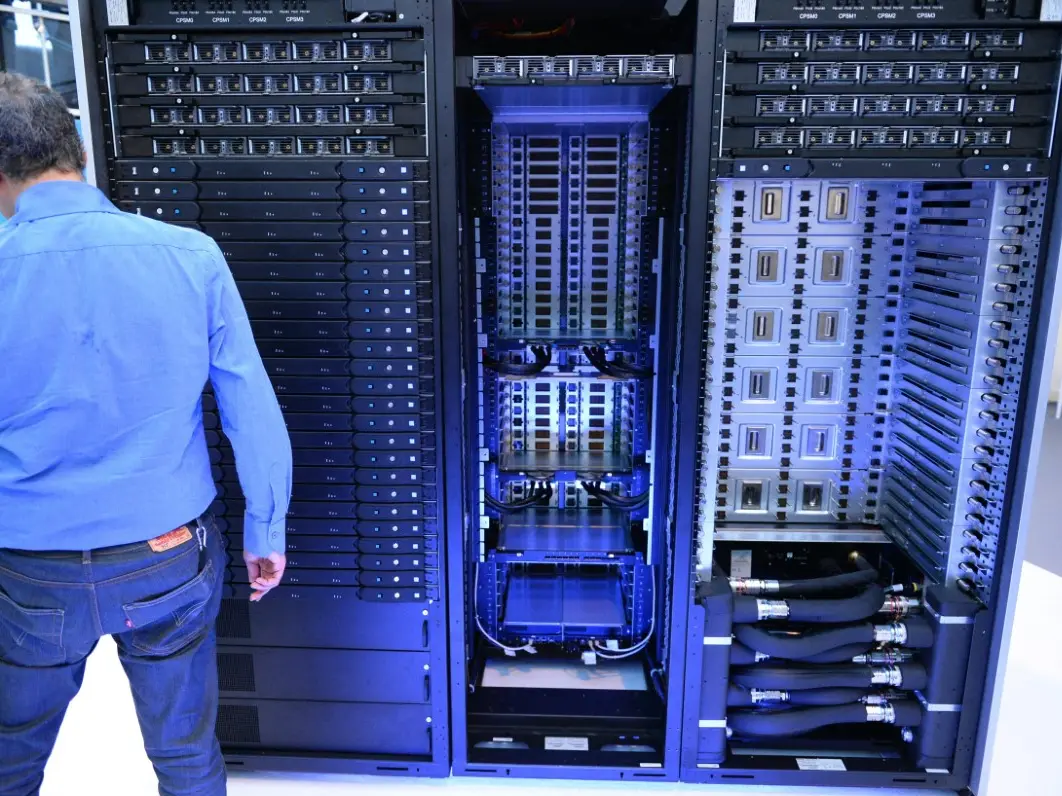
AI data centre construction is expected to absorb roughly 70 per cent of all memory chip production in 2026. Modern AI accelerators are memory-bound — a processor computes only as fast as memory can supply it data — which has made high-bandwidth memory and DRAM the binding constraint on AI infrastructure, and made memory manufacturers the beneficiaries of an unprecedented demand surge.
DRAM costs have tripled in the past eighteen months. Samsung has warned the shortage could persist into 2028 and has locked up to 70 per cent of its memory capacity in long-term agreements. When the incumbent suppliers are sold out years forward and prices have tripled, a PC manufacturer with laptops to ship has a narrow set of options.
What It Means For CXMT
The scale of the windfall is visible in the numbers. CXMT estimated its net profit for the first half of 2026 at between 52 billion and 58 billion yuan — an increase of as much as 2,530 per cent year-on-year.
Both CXMT and YMTC are undertaking their most aggressive capacity expansions to date, with equipment installation planned for the second half of 2026 and production starting in 2027. That timing matters: the additional supply arrives precisely when the shortage is forecast to be at its most acute, positioning Chinese manufacturers to capture share at the moment Western buyers have the fewest alternatives.
The Strategic Irony
American technology policy over the past several years has aimed at limiting Chinese firms' access to advanced semiconductors and reducing Western dependence on Chinese suppliers. The AI boom driven largely by American companies has now produced a shortage severe enough to push Western manufacturers toward those same suppliers.
The mechanism is straightforward. AI infrastructure spending — the roughly $740 billion in combined 2026 capital expenditure from Amazon, Alphabet, Meta and Microsoft — bids memory away from consumer electronics. Consumer manufacturers cannot match data centre prices. The supply that remains available at consumer price points is increasingly Chinese.
It is the same dynamic visible in the United States banning imports of new Chinese humanoid robots in July while Chinese manufacturers shipped the majority of the world's humanoids. Policy can restrict what enters a market. It has a harder time changing who has the capacity to build things when demand outruns domestic supply.
The Consumer End
For buyers, the immediate effect is price. Memory is one of the largest cost components in a laptop, and tripled DRAM costs pass through to retail. Chinese memory is currently the mechanism by which some of that increase is being absorbed rather than passed on in full.
The AI infrastructure boom has been discussed almost entirely in terms of data centres, capital expenditure and model capability. This is the point where it reaches an ordinary consumer purchase — and reshapes a supply chain that governments had spent years attempting to steer in the opposite direction.
