Spring 'in the air': Japanese PM Kishida calls hay fever a social problem

Spring 'in the air': Japanese PM Kishida calls hay fever a social problem
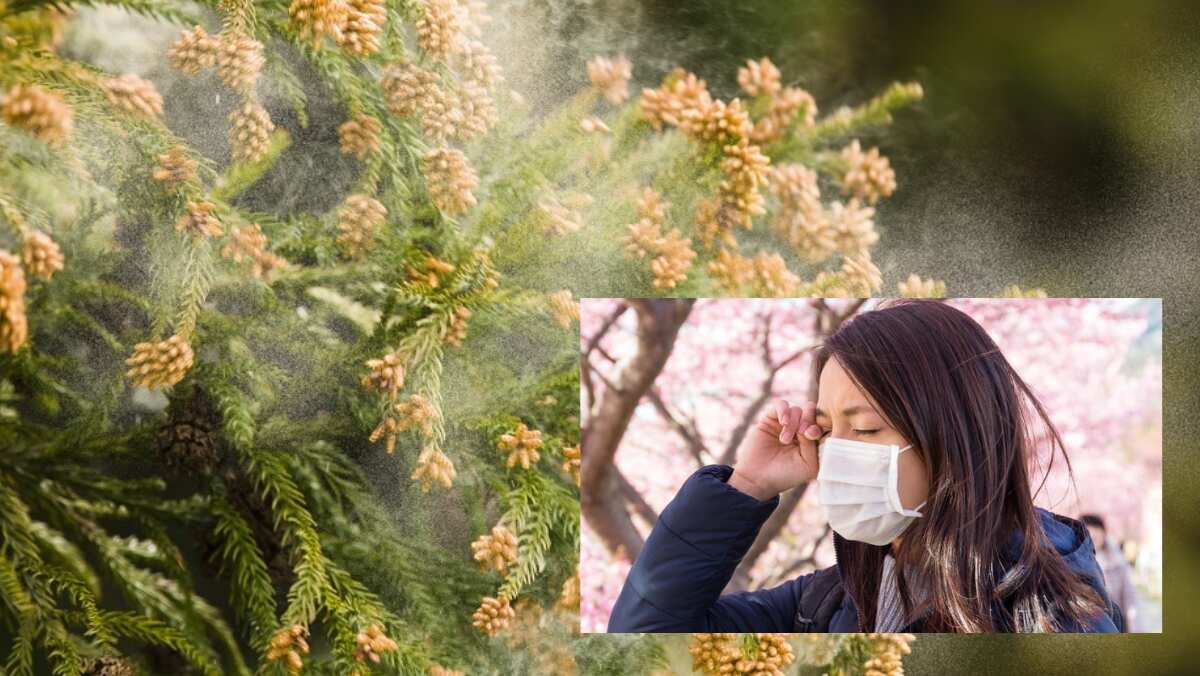
Japan's Hay Fever, a seasonal allergic reaction caused by large quantities of pollen from trees during the spring months, is affecting a significant portion of the country's population. Amid the Hay Fever season, which goes from February to May every year, the prime minister of Japan Fumio Kishida has made a commitment to combat it. He referred to the pollen allergy as a health issue that needs immediate government action.
This week, Kishida told a parliamentary committee that hay fever has turned into a "social problem." He added that he would collaborate with ministers to come up with a solution as pollen levels in Tokyo reached their highest level in ten years. "We want to get results," according to local media outlets quoting Kishida.
The symptoms of this fever can range from mild to severe and may include sneezing, runny nose, itchy and watery eyes, throat irritation, and fatigue. For people with severe allergies, the symptoms can be debilitating and impact daily activities.

Also Read | ChatGPT can propel four-day work-week? Here's what Nobel Prize-winning economist says
To alleviate the symptoms of Japan Hay Fever, people can take over-the-counter medicines, nasal sprays, and eye drops. In addition, many people in Japan wear masks during the spring months to protect themselves from pollen exposure.
Also Read | North Korea says US-South Korea drills driving tensions in Korean Peninsula to 'brink of nuclear war'
)
US drone firm linked to Trump’s sons signs MoU with Pakistan army, gets initial order
)
Former OpenAI researcher warns of growing risks from Artificial Intelligence
&im=FitAndFill=(700,400))
Suriya and Jyothika say ‘I do’ again after 20 years! See their dreamy wedding pics
)
AI already defying, denying humans, is it beyond human control already?
)
240-million-year-old bizarre 'pig with a tusk' creature creates new dilemma over origin of dinosaurs
&im=FitAndFill=(700,400))
Meet top 5 batters in the latest ICC T20I Rankings
)
Fed raises rates for first time in 3 years, Kevin Warsh defies Trump as inflation mounts
)
‘I have a big decision coming up’: Trump says he’s approaching major ‘crossroad’ in Iran war
)
Tata Trusts chairman Noel Tata calls Chandrasekaran’s reappointment ‘illegal’, rejects Tata Sons listing
)
Mahua Moitra moves UN over alleged exclusion of Muslim officers from Amit Shah events
)
US to sell 48 F-35 Lightning fighter jets to Saudi Arabia, help it deter threats
)
Laura Wolvaardt sets new world record for most WT20I runs in a year
)
Pak defence minister says 'time has come to implement pact'
)
Chiefs tight end Travis Kelce named one of the victims in $35 million ponzi scheme
)
Formula One reveals the 2027 race calendar; Monaco to host sprint race for the first time
)
Trump’s rare gesture for Xi: US president to personally welcome Chinese leader at airport
)
Trump could impose tariffs of up to 100%
)
‘Imagine 50 AI fighters cornering one manned jet’: India’s mobbing doctrine eyes a new era of air warm
)
Ukraine plans record $109 bn defence spending, nearly two thirds of budget amid Russia war
)
Trump gets new power to hit India, China with up to 100% tariffs as US Senate clears Russia sanctions bill
)
Hong Kong unveils 11 new measures to boost birth rates, offers higher cash bonuses and housing perks
)
All Indian goods to get duty-free access to New Zealand
)
Daayra movie review: Kareena Kapoor, Prithviraj Sukumaran shine in Meghna Gulzar’s cop-versus-cop crime thriller
)
Former India player Diana Edulji wants Smriti Mandhana to replace Harman as skipper at the earliest
)
Pak batter Rizwan's petition against being questioned by cyber crime agency rejected by court
)
US intel warns China can steal F-35 jets secret from Saudis
)
US House votes 417-3 to pass Ratepayer Protection Act targeting AI data center electricity costs
)
Want to get married within a year? Why 18 lakh people rush to Jaipur for ‘sacred henna’
)
Dolly Parton dies at 80: Country legend’s team reveals cause of death
It is a significant health issue in Japan during the spring months and affects millions of people each year.
Watch | Gravitas: Is India emerging as a space leader?
Despite relaxations in face masks people wear to fight Covid-19, so many individuals still choose to wear masks outside to save themselves from the pollen crisis.
Hay fever is quite common in Japan. It is attributed to a post-war reforestation initiative that saw trees being planted quickly to support the nation's building sector. Japanese forests were allowed to increase in density when the cost of imported building materials fell in the 1970s and 1980s.
WATCH WION LIVE HERE
You can now write for wionews.com and be a part of the community. Share your stories and opinions with us here.