South Korea’s truckers vote to call off strike over minimum wage protection

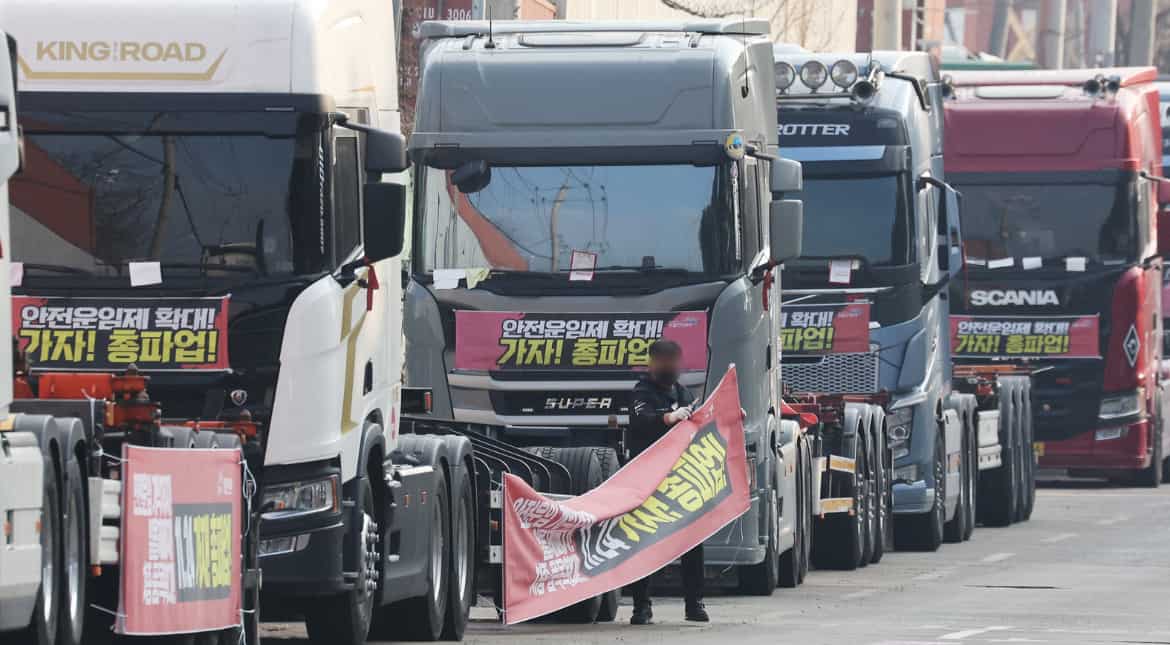
Truckers in South Korea vote to end strike as it entered third week.
The demonstrating truckers in South Korea voted on Friday to end their strike as it entered its third week with weakening public support and the consistent refusal of the government to budge, claiming that the economy has suffered "astronomical" damage due to the protests.
Preparations were done by many businesses to endure the strike and suffer short-term pain when it began on November 24. However, after the pressure increased from the government side and "start work" orders were issued, more than 25,000 striking truckers returned to work this week.
The workers felt that their bid to make a government scheme over the minimum freight rates permanent was failing. The Cargo Truckers Solidarity Union on Friday said that votes of 62% of members were in favour of calling off the strike, however, the union won't give up its campaign for minimum wage protection.

ALSO READ|South Korea suffers huge delays in shipments amid truckers' strike
"The game is over. It is so sad that all we could do is stop our cars, but nothing has changed," said a container truck driver, Kang Myung-gil, who returned to work after a two-week walkout. The drivers said that they are facing not only loss of income but the loss of jobs due to the continuation of the strike.
"The union fell into a trap," Kang stated, referring to the narrative of the government that the strike was indeed devastating for the economy of the country. "Then, we, living day by day, just have to accept the reality and move on," he stated.
)
‘Kill all in the name of...’: FBI arrests 21-year-old over alleged ISIS-inspired mass-casualty attack plot
)
Space mines, lasers & robotic arms: Lt Gen Pannu decodes US disclosure of weapons in space
)
Bitter Zelensky snubs Trump for playing politics with Ukraine war | Gravitas
)
US fires up to 70 interceptors against Iran attack on Jordan, putting supplies under pressure
)
India’s imports from Russia jump 57% in five months; China remains top import source
)
‘US military task force aiding Saudi Arabia forces with intel, planning support’: Official
)
OpenAI boss Sam Altman repeats AI 'slow down' call, says world 'right to be afraid'
)
Top military commanders from US, Israel, and 7 Arab nations held secret meeting on Iran War
)
Sydney Sweeney defends provocative ad choice, the internet is still not impressed
)
'Definitely feel bad for yourself': Kuldeep Yadav opens up on India Test snubs
)
Ex-India all-rounder Yuvraj Singh wants India to avoid 'massive changes' before ODI World Cup 2027
)
Ed Sheeran’s US tour loses all support acts after Macklemore’s removal | Controversy explained
)
China's property crisis deepens as investment plunges nearly 20%
)
Messi set to play in farewell match on October 6 in Argentina vs Benin friendly
)
2,200 people donate Rs 1.5 crore for 'docile' Georgia donkey 'HeeHaw' shot dead by police officer
)
Putin-linked Russian oligarch, Melania links: Why Trump skipped his son’s Bahamas wedding bash?
)
800 million years old - Scientists discover 'fingerprints' of supercontinent Gondwana in ancient rocks
)
Saudi turns to Israel for intelligence help as Houthi attacks intensify: Report
)
Trump's name cannot return to Kennedy Center, US judge rules
)
Water equivalent to two Pacific Oceans could be stashed 2,900 km inside Earth
)
1,200 Indian and US troops begin high-altitude and desert drills
)
Ex-CIA officer caught with gold bars worth $40 million seeks plea deal | Gravitas
)
Salman Khan gives The Revolutionaries a shoutout, watches series with Bhuvan Bam, Nikkhil Advani at Galaxy
&im=FitAndFill=(700,400))
New OTT releases this week (September 14-20, 2026): Lust Stories 3, Waiting Hai, Irumudi- 5 new titles coming on Netflix, Prime Video and more
)
Trump's Iran war faces fresh House rebuke; 7 Republicans join Democrats in push to end conflict ahead of midterms
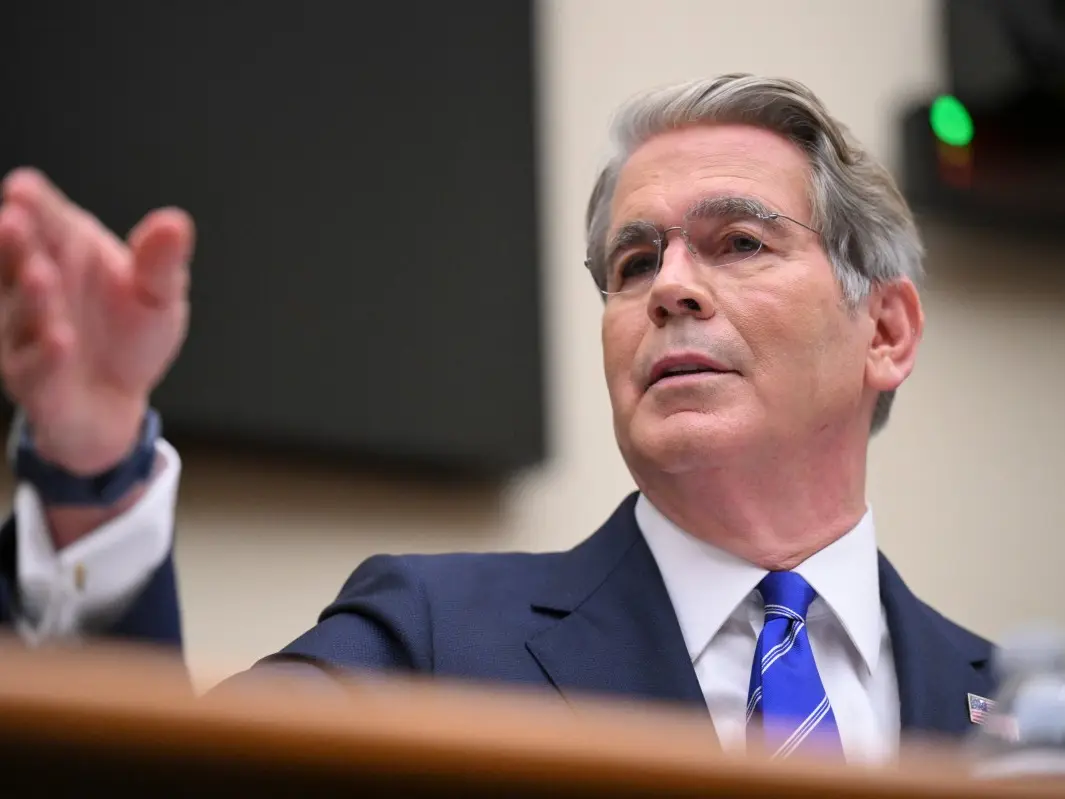)
US Treasury yields cross 5% as Scott Bessent warns of ‘global issues’ impacting bonds
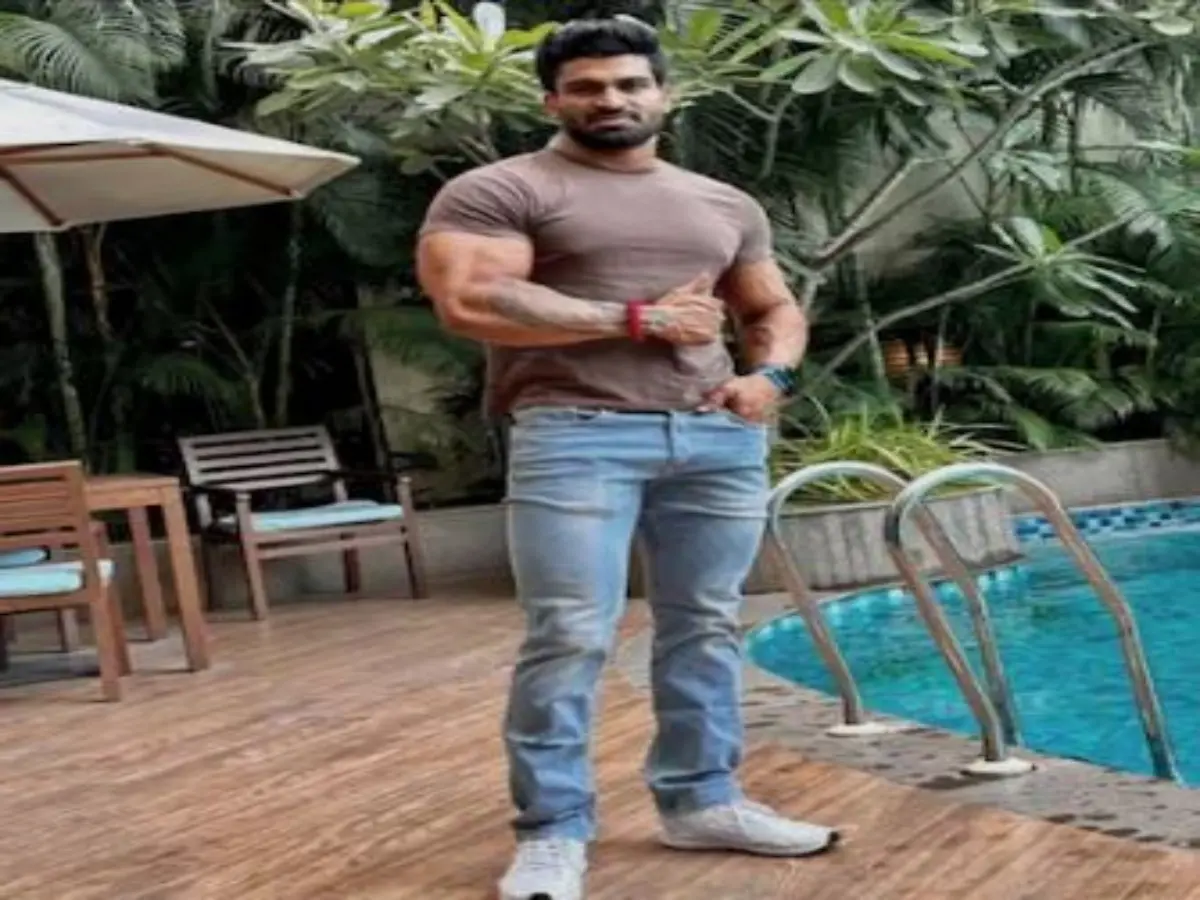)
Who is Kalyan Bainsla, accused in the Gurugram hit-and-run case involving woman biker?
)
Saudi Arabia discovers 110 million tonnes of Uranium-rich ore in Madinah region
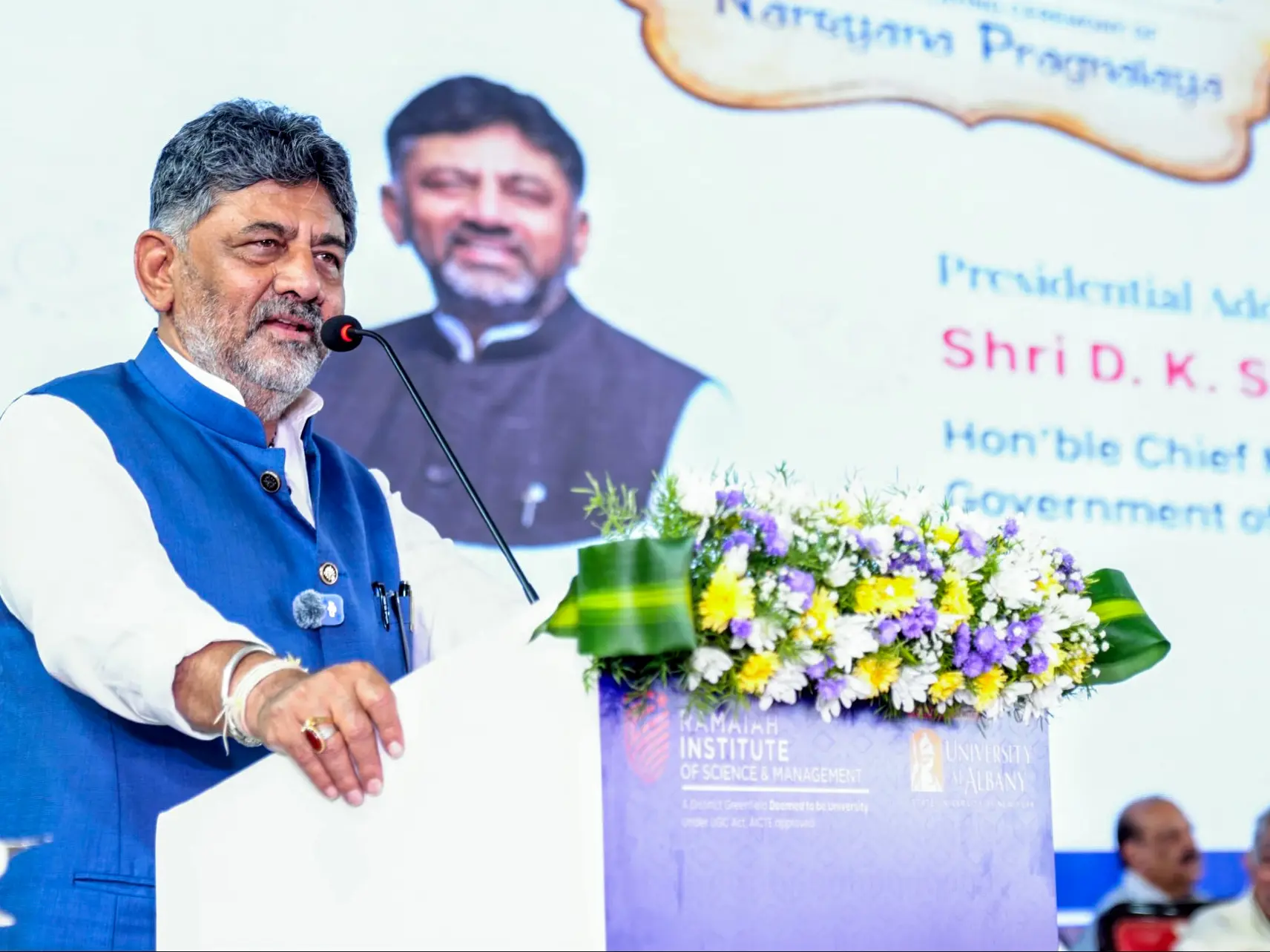)
'Now Trump is copying us': Shivakumar links US $5,000 plan to Congress guarantees
)
Los Angeles helicopter crash: At least three dead, several injured; NTSB to investigate
)
West Bengal IPS officer Bushra Bano transferred after objections to ‘Assalamualaikum’, ‘Inshallah’
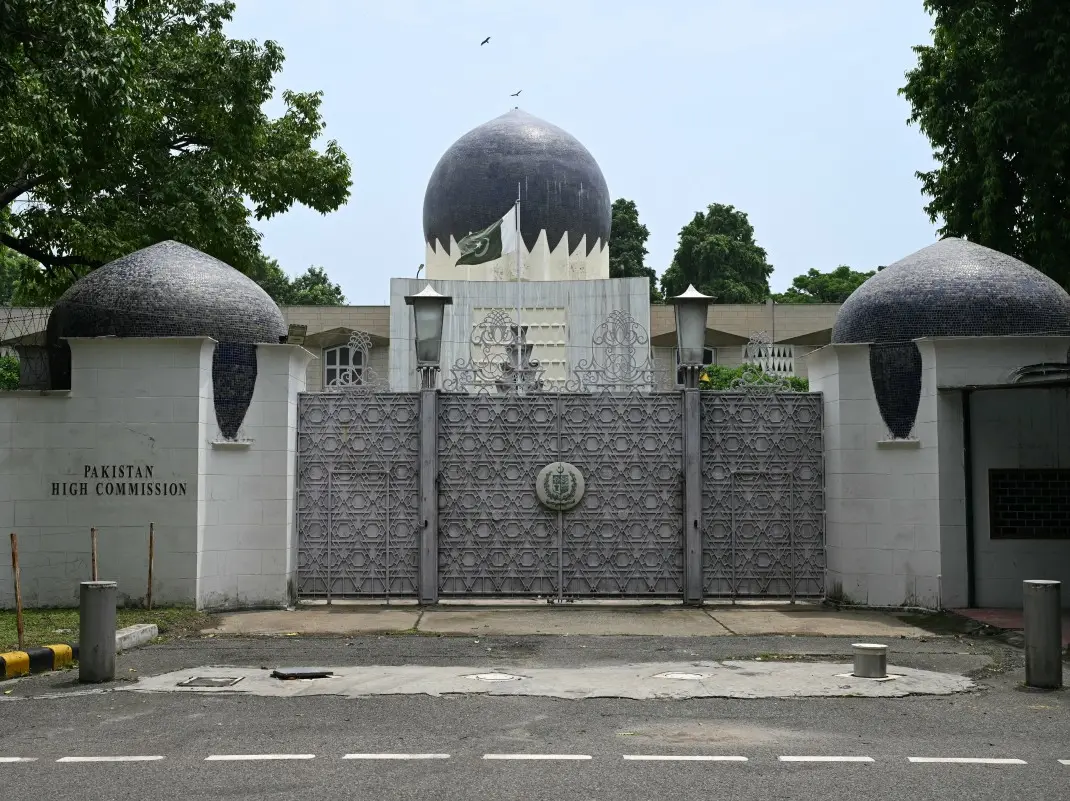)
India summons top Pakistan diplomat after Pak Navy ship collides with Indian warship at high seas
)
Spanish officer sent home from NATO base over affair with 'Russian spy' | Gravitas
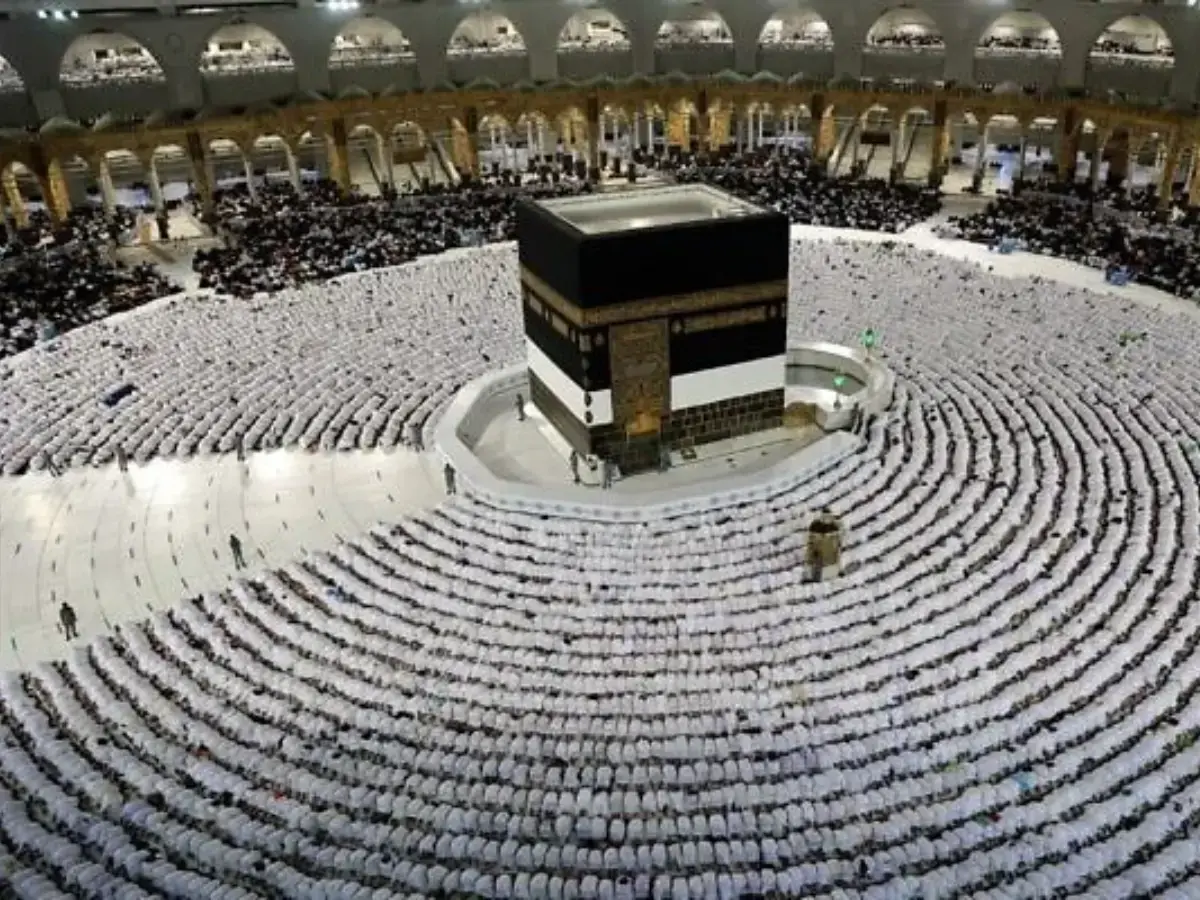)
Saudi Arabia accuses Houthis of drone attack on Mecca, first-ever red alert in Islam's holiest site sparks panic
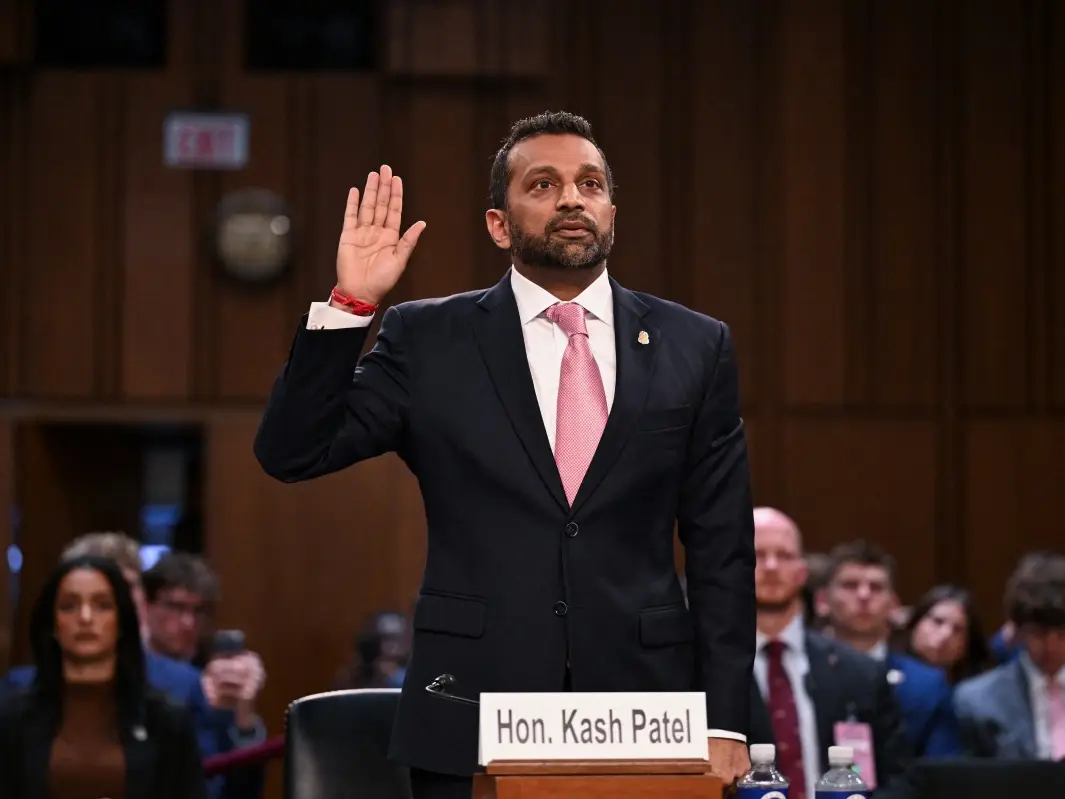)
'Like a thug you are using agency to go after..': Kash Patel grilled by Senate Democrats over FBI firings, journalist investigations and hiring policy
After the end of the strike, President Yoon Suk-yeol's press secretary Kim Eun-hye said that government would "unwaveringly abide by laws and principles" on labour issues. She reiterated that the economy has suffered "astronomical damage" because of the strike.
ALSO READ| South Korean truckers say 'We are not your enemy', as strike for minimum wage protections continues
The truckers' eight-day walkout led to the delay of cargo shipments from cars to cement across the fourth largest economy of Asia before it came to an end with the two sides claiming to have won concessions.
However, this time around, the bid of the union to expand the issue of minimum protectionto different kinds of cargo like auto carriers, oil tankers and package delivery trucks was rejected by the government, as the latter claimed that the drivers were well paid. The government has agreed to extend the current wage programme for only three years.
(With inputs from agencies)