South Korea mulls military deployment in Hormuz amid Trump’s pressure

&imwidth=600&imheight=450&format=webp&quality=medium "South Korea mulls military deployment in Hormuz amid Trump’s pressure")
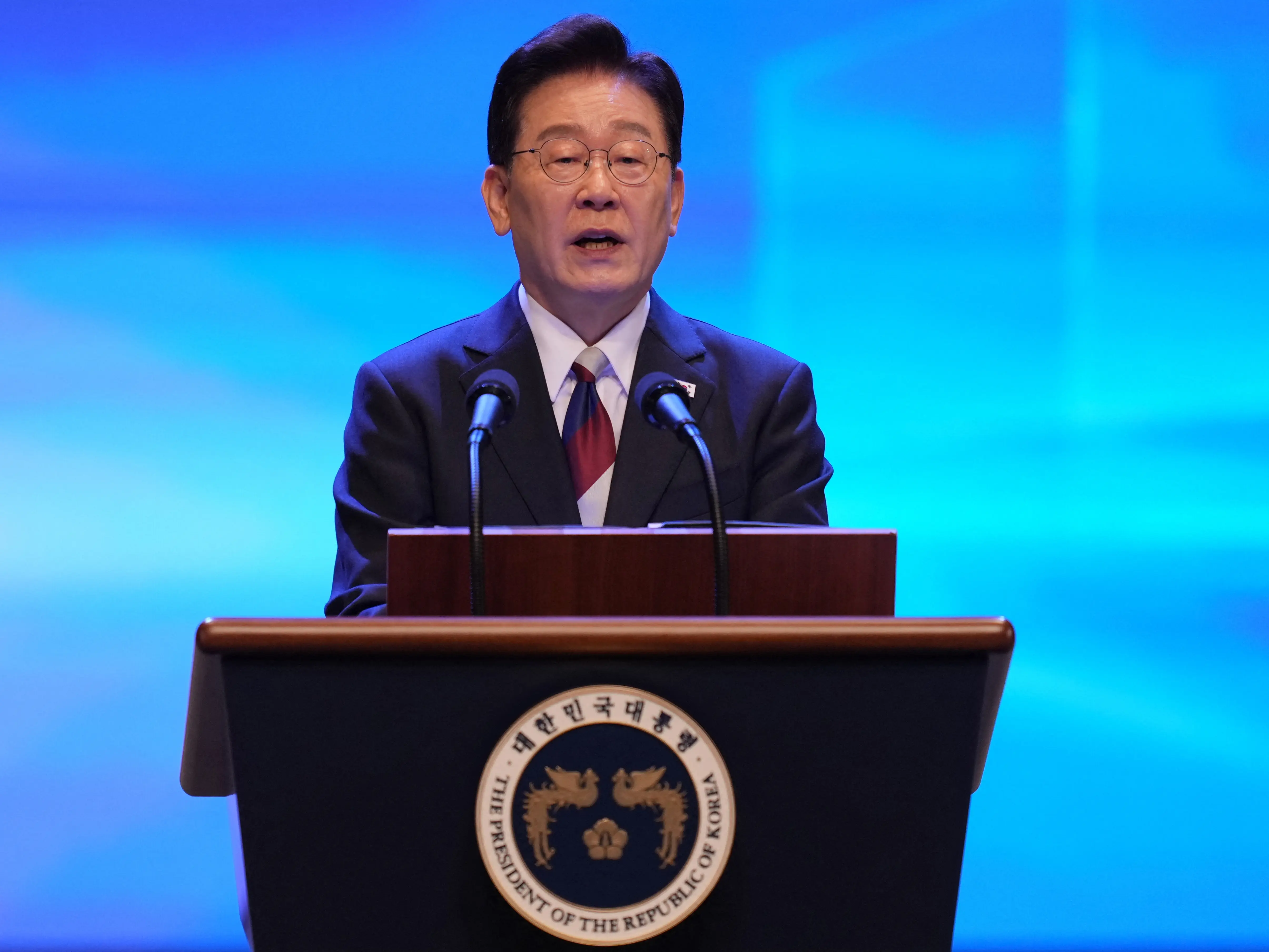
South Korean President Lee Jae Myung speaks during a ceremony to celebrate the 81st anniversary of the Korean Liberation Day in Seoul on August 15, 2026. Photograph: (AFP)
South Korea is considering deploying military assets—such as P-8A Poseidon patrol aircraft, fast combat support ships, and mine-clearing units—to the Strait of Hormuz amid mounting US pressure and crucial energy security needs.
Since the beginning of the Iran war, US allies have snubbed Trump’s demand to help secure the Strait of Hormuz, which handles 20 per cent of the world’s global oil and gas trade.
Amid growing pressure from the US, though, South Korea announced that it is considering deploying military assets to Hormuz.
According to South Korea’s presidential office, Seoul has been consulting countries like the US, UK and France about ways to support freedom of navigation.
At the same time, it denied speculation that the government had already decided on the deployment.
Earlier, several South Korean media outlets claimed that Seoul was preparing to deploy military assets before the end of 2026, and could seek parliamentary approval this month itself.
What military assets could South Korea deploy?
Trending Stories
)
&im=FitAndFill=(700,400))
)
)
)
)
)
)
)
)
)
)
)
)
)
)
)
&im=FitAndFill=(700,400))
)
)
)
&im=FitAndFill=(700,400))
)
)
&im=FitAndFill=(700,400))
&im=FitAndFill=(700,400))
&im=FitAndFill=(700,400))
)
)
)
)
)
Now, what are the possible military assets that South Korea may deploy?
According to reports, the P-8A Poseidon patrol aircraft is under consideration.
As it is equipped with radar and infrared sensors to track targets, it can monitor activity that poses a threat to commercial vessels in Hormuz.
The country is also mulling deployment of ROKS Soyang, which is an 11,000-tonne fast combat support ship.
It can resupply naval vessels with fuel and ammunition, allowing them to remain at sea for an extended duration.
Additionally, a mine-clearing unit is also being considered.
However, South Korea continues to maintain that any new deployment would require review by the National Security Council, a Cabinet resolution as well as approval from the National Assembly.
If approved, though, the Hormuz mission could mark South Korea’s first maritime deployment outside the Korean Peninsula since an anti-piracy unit was dispatched to the Gulf of Aden in March 2009.
Why is Hormuz important for South Korea?
Now, the US and South Korea are close allies.
Around 28,500 US troops are stationed in South Korea, which also hosts Camp Humphreys, America’s largest overseas military installation.
However, their ties have been strained since the beginning of the Iran war, with Trump often complaining about South Korea’s unwillingness to contribute to the Iran war effort.
In a serious turn of events last month, the US military scaled back the joint military drills with South Korea by a week, on Trump’s instructions.
Highlighting his very good relationship with Kim Jong Un, the US President asserted that these drills send a wrong message to North Korea.
He also mentioned that South Korea’s refusal to join the US in ensuring denuclearisation of Iran was a key factor in his decision.
Apart from US pressure, South Korea has key stakes in reopening the Strait of Hormuz, as it relies on this strategic waterway for nearly 61% of its crude oil imports.
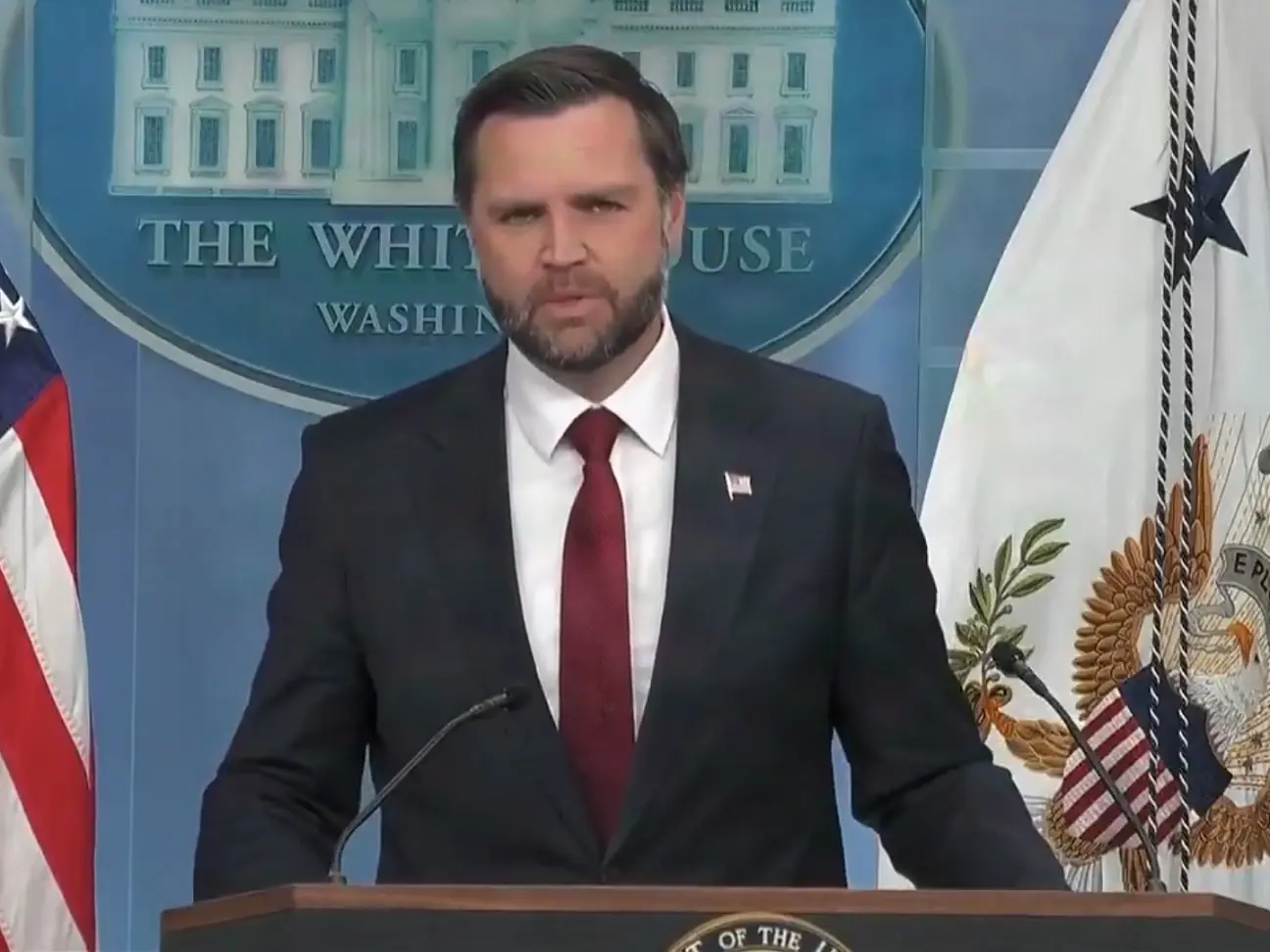
While US Vice President JD Vance claimed that the US escorted about 15 million barrels of oil through Hormuz on Wednesday, vessel traffic data tells a different story.
According to Kpler, only nine vessels transited Hormuz on Wednesday, which fell to four on Thursday.
Thus, it is amply clear that Hormuz remains a key point of conflict in West Asia, as the war drags on.