Senate Republicans revolt against Trump's $1.8 billion 'anti-weaponisation' fund

&imwidth=600&imheight=450&format=webp&quality=medium "Senate Republicans revolt against Trump's $1.8 billion 'anti-weaponisation' fund")
Senate Republicans blocked Donald Trump’s $1.8 billion ‘anti-weaponisation’ fund Photograph: (AFP)
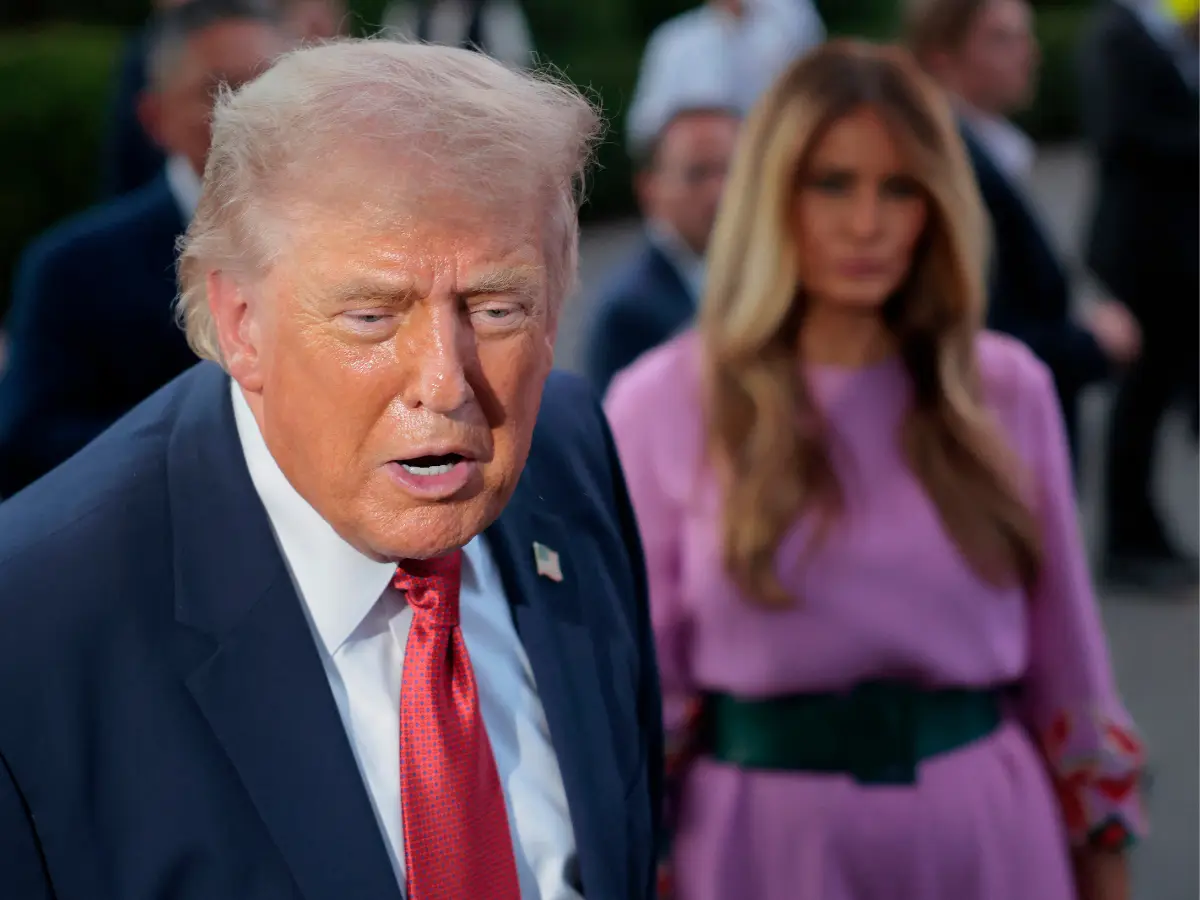
Senate Republicans blocked Donald Trump’s $1.8 billion ‘anti-weaponisation’ fund, delaying immigration funding amid GOP divisions
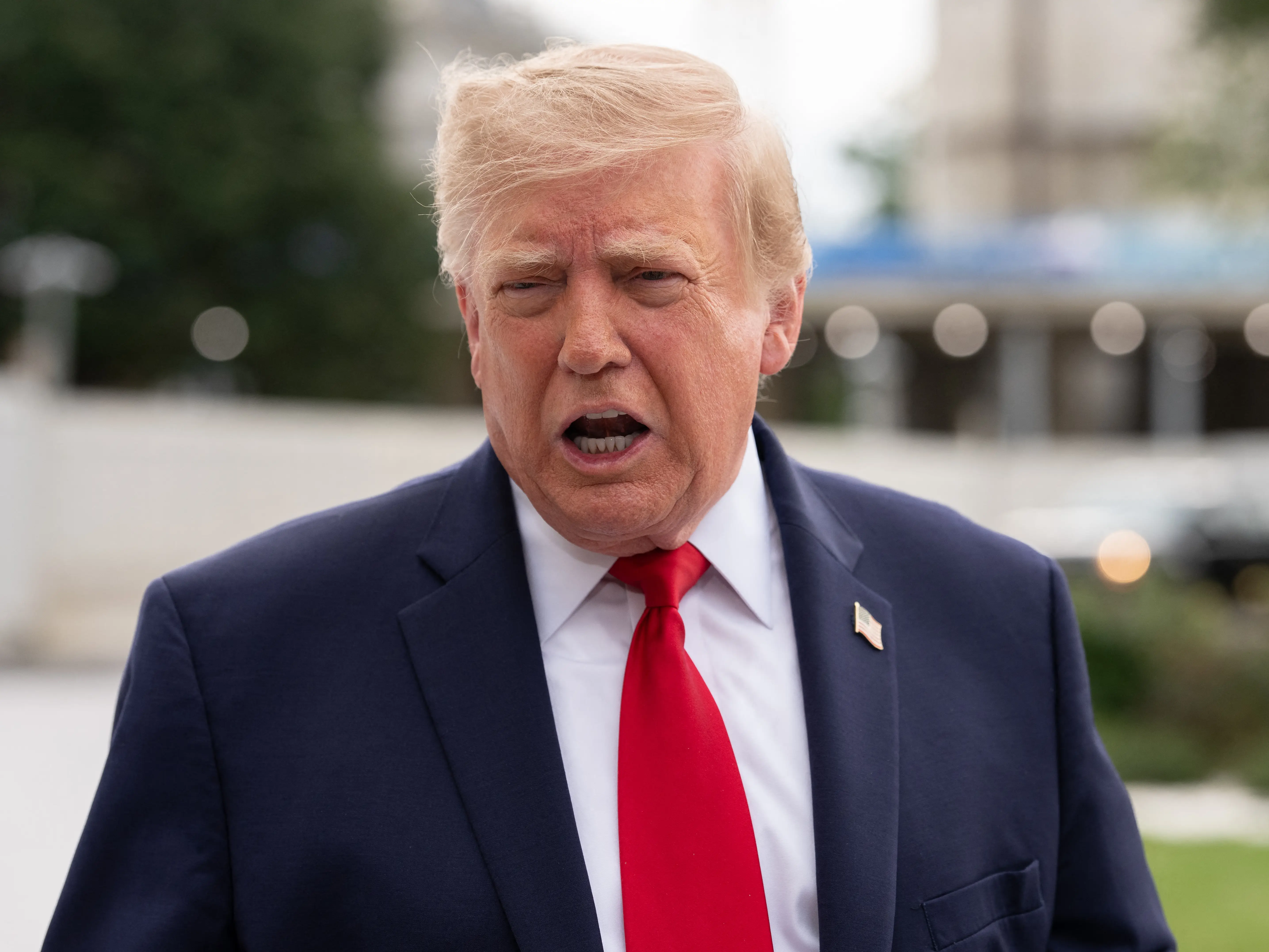
Senate Republicans broke ranks with US President Donald Trump on Thursday (May 21) over the administration’s proposal to establish a $1.8 billion settlement fund for individuals claiming political persecution, forcing lawmakers to delay a key immigration-enforcement funding vote. The proposed ‘anti-weaponisation’ fund has become a major priority for Trump, who has repeatedly argued that his supporters, including people prosecuted over the January 6 Capitol attack, were unfairly targeted by the Biden administration.
However, the plan triggered growing backlash among Senate Republicans, who used the immigration-enforcement package as leverage to oppose or limit the proposal.
“I don’t like the fund at all,” said John Curtis, adding that he did not believe additional safeguards could improve it. Senator Thom Tillis, who has frequently clashed with Trump and is retiring, described the proposal as a “payout pot for punks.” With internal divisions unresolved, Senate Majority Leader John Thune sent senators home for the Memorial Day recess, making it unlikely Congress will meet Trump’s June 1 deadline to approve funding for Immigration and Customs Enforcement and Border Patrol operations. “Passing the measure obviously became a more complicated and bumpy path than we had hoped for", Thune said, acknowledging that senators had ‘very legitimate questions’ about the fund.
According to people familiar with the discussions, opposition extended well beyond a small group of vocal Republicans and included a majority of GOP senators. The controversy comes as Republicans grow increasingly anxious about the upcoming midterm elections and their ability to pass major legislation before November. Trump’s recent political attacks on Republican lawmakers, including Texas Senator John Cornyn, have also unsettled many within the party. When asked whether he was losing control of Senate Republicans, Trump replied: “I really don’t know. I can tell you I only do what’s right.”
Republicans had hoped to pass a $70 billion multiyear package for ICE and Border Patrol this week before sending it to the House. Some GOP senators attempted to add restrictions on the anti-weaponization fund to the bill, directly challenging Trump’s position. Lawmakers also worried that Democrats could force politically difficult votes on the issue through amendments. Acting Attorney General Todd Blanche, formerly Trump’s personal lawyer, traveled to Capitol Hill Thursday to brief senators on the fund and address concerns during a closed-door meeting. The session reportedly failed to ease tensions.
Also Read: Honduras shooting: At least 19 killed in two separate attacks as gunmen open fire on workers, police
Trending Stories
&imwidth=280&imheight=210&format=webp&quality=medium)
&imwidth=280&imheight=210&format=webp&quality=medium)
&imwidth=280&imheight=210&format=webp&quality=medium)
&imwidth=280&imheight=210&format=webp&quality=medium)
&imwidth=280&imheight=210&format=webp&quality=medium)
&imwidth=280&imheight=210&format=webp&quality=medium)
&imwidth=280&imheight=210&format=webp&quality=medium)
&imwidth=280&imheight=210&format=webp&quality=medium)
&imwidth=280&imheight=210&format=webp&quality=medium)
&imwidth=280&imheight=210&format=webp&quality=medium)
&imwidth=280&imheight=210&format=webp&quality=medium)
&imwidth=280&imheight=210&format=webp&quality=medium)
&imwidth=280&imheight=210&format=webp&quality=medium)
&imwidth=280&imheight=210&format=webp&quality=medium)
&imwidth=280&imheight=210&format=webp&quality=medium)
&imwidth=280&imheight=210&format=webp&quality=medium)
&imwidth=280&imheight=210&format=webp&quality=medium)
&imwidth=280&imheight=210&format=webp&quality=medium)
&imwidth=280&imheight=210&format=webp&quality=medium)
&imwidth=280&imheight=210&format=webp&quality=medium)
&imwidth=280&imheight=210&format=webp&quality=medium)
&imwidth=280&imheight=210&format=webp&quality=medium)
&imwidth=280&imheight=210&format=webp&quality=medium)
&imwidth=280&imheight=210&format=webp&quality=medium)
&imwidth=280&imheight=210&format=webp&quality=medium)
&imwidth=280&imheight=210&format=webp&quality=medium)
&imwidth=280&imheight=210&format=webp&quality=medium)
&imwidth=280&imheight=210&format=webp&quality=medium)
&imwidth=280&imheight=210&format=webp&quality=medium)
&im=FitAndFill=(700,400)&imwidth=280&imheight=210&format=webp&quality=medium)
&imwidth=280&imheight=210&format=webp&quality=medium)
&imwidth=280&imheight=210&format=webp&quality=medium)
&imwidth=280&imheight=210&format=webp&quality=medium)
&imwidth=280&imheight=210&format=webp&quality=medium)
Senator Lisa Murkowski described the atmosphere as ‘challenging’ and said Blanche’s announcement earlier in the week had ‘dropped a bomb in the middle of a pretty well planned out’ immigration-funding process. The fund emerged from a lawsuit Trump filed against the Internal Revenue Service seeking $10 billion in damages over the illegal disclosure of his tax returns by a contractor. Trump later dropped the lawsuit in exchange for the creation of the fund and an agreement that pending tax audits involving Trump and his businesses would end.
A Justice Department memo shared with Senate Republicans stated there is ‘no partisan restriction: Democrats can submit claims, too’, and clarified that Trump, his sons, and the Trump Organization would receive ‘a formal apology but no monetary payment or damages of any kind’. However, critics noted that Blanche would appoint the commissioners overseeing the fund while Trump would retain the authority to remove them.
Democrats strongly criticised the proposal. Senate Minority Leader Chuck Schumer vowed opposition, saying: “We’ll do everything we can to stop this slush fund, whether it’s in the courts, whether it’s legislative.” Schumer added: “Republicans are in complete disarray.” They “are divided over things that Americans don’t want.” Tensions within the Republican Party intensified further after Trump endorsed Texas Attorney General Ken Paxton over Cornyn ahead of the state’s Senate GOP runoff.
Meanwhile, some Republicans also backed away from a separate proposal to allocate $1 billion for White House security upgrades and Trump’s planned ballroom project. Representative Brian Fitzpatrick criticized the proposal, saying: “I know my constituents, and I’m sure many other representatives’ constituents do not want taxpayer money going to a ballroom.” Trump insisted the ballroom project would continue using private donor funds and warned, “Then the White House won’t be a very secure place” if Congress refuses security funding.

