Scotland First Minister Nicola Sturgeon steps down after eight years at the helm

Nicola Sturgeon
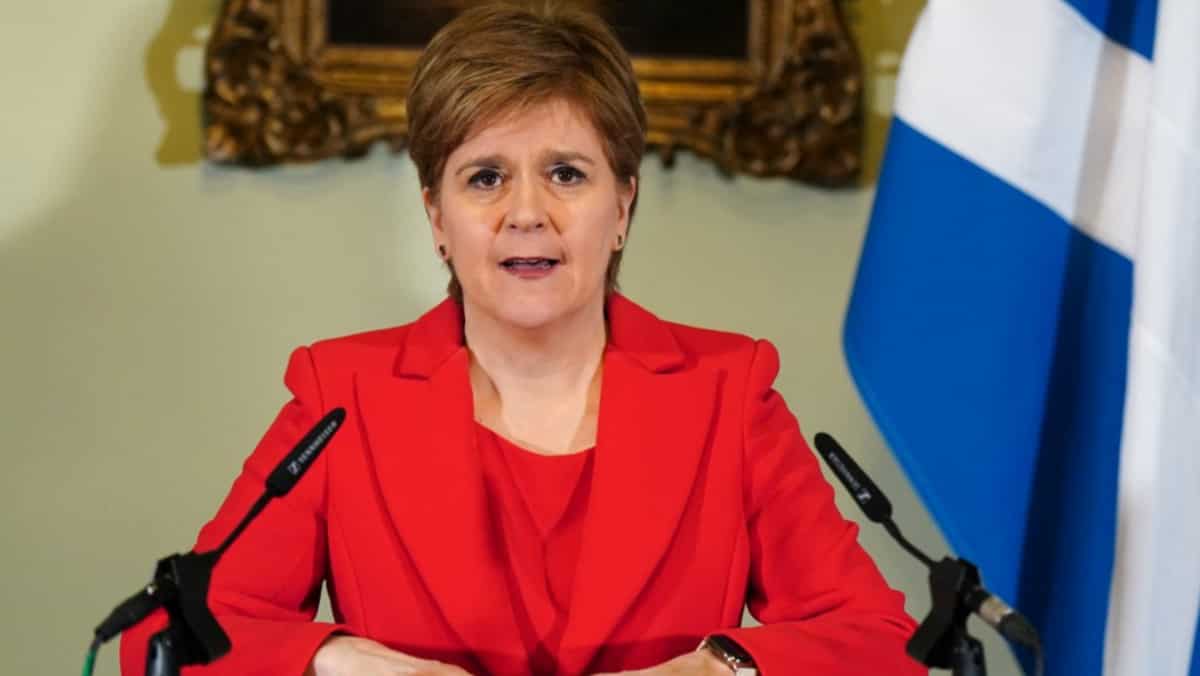
Scotland's First Minister Nicola Sturgeon announced her resignation from the post on Wednesday (February 15). She steppeddown after leading the country for eight years.The Scottish National Party leader announced her departure at a news conference. In recent months, she had comeunder pressure over a stalled push towards independence and over transgender rights.
As she announced her resignation, Sturgeon said she knew the time was right to quit in "my head and in my heart". Sturgeon was pro-independence and anti-Brexit. In recent months she faced mounting pressure over her tactics for independence and transgender rights.
"This decision comes from a deeper and longer-term assessment," Sturgeon said in a hastily arranged press conference, insisting her departure was "not a reaction to short-term pressures".

"I know it may seem sudden, but I have been wrestling with it -- albeit with oscillating levels of intensity -- for some weeks."
She confirmed that she would remain first minister till the Scottish National Party elects a new leader. She vowed to keep pushing for Scottish independence.
Sturgeonsuffered a blow in November when the United Kingdom's top court ruled that the Scottish government could not hold a second referendum without approval from the British parliament.
)
The Royals enter the Doctor Who universe: King Charles and Queen Camilla beam into Commonwealth Games in TARDIS
)
'will work to the best of my ability', says Joshi on being made education minister
)
Shah Rukh Khan spends quality time with wife Gauri and children in London; videos go viral
)
Aishwarya Rai and Abhishek Bachchan's New York diaries! Couple's rare appearance goes viral
)
India avoids higher US tariff, secures lower 10% rate. Here's how
)
Hidden in British archives: Scientists decode 200-year-old Indian scroll that helped sailors cross one of the world's toughest seas
)
He predicted COVID-19 and 2008 economic crisis, was labeled fearmonger. Now he has another dire warning
)
Who is Abhijeet Dipke? Founder of Cockroach Janta Party leading NEET protests that triggered Dharmendra Pradhan’s resignation
)
Was CJP not controlling the protest? What spokesperson Ashutosh Ranka told WION after Pradhan's resignation
&im=FitAndFill=(700,400))
Jennifer Winget and William Ishmael's dreamy UK intimate wedding: See inside photos
)
'Is that a back-up Trump?' Mysterious look-alike standing behind Donald Trump baffles netizens
)
Sam Heughan and KT Tunstall steal the show at Commonwealth Games 2026 opening ceremony
)
ChatGPT invoked God, told pastor not to worry about his symptoms. Then pulmonary embolism hit
)
Why more than 75,000 people watched a record Qantas flight on Flightradar24 Friday?
)
NEET Protests riddled with misinformation? Delhi Police blocks 480 Pakistan-based handles spreading 'fake news' since Operation Sindoor
)
Dharmendra Pradhan resignation: Expert explains BJP's next move & CJP protest impact
)
After The Odyssey, Matt Damon to star in sci-fi film? Actor reveals details of upcoming project
&im=FitAndFill=(700,400))
Finished Kay Kay Menon's Adarsh Baal Vidyalaya? Here are 5 binge-worthy Hindi OTT series to stream next
)
Reacher star Alan Ritchson slams US President Donald Trump over Epstein files; White House fires back
)
Trump says Iranian school bombing photos could be AI-generated - 'I don’t think...'
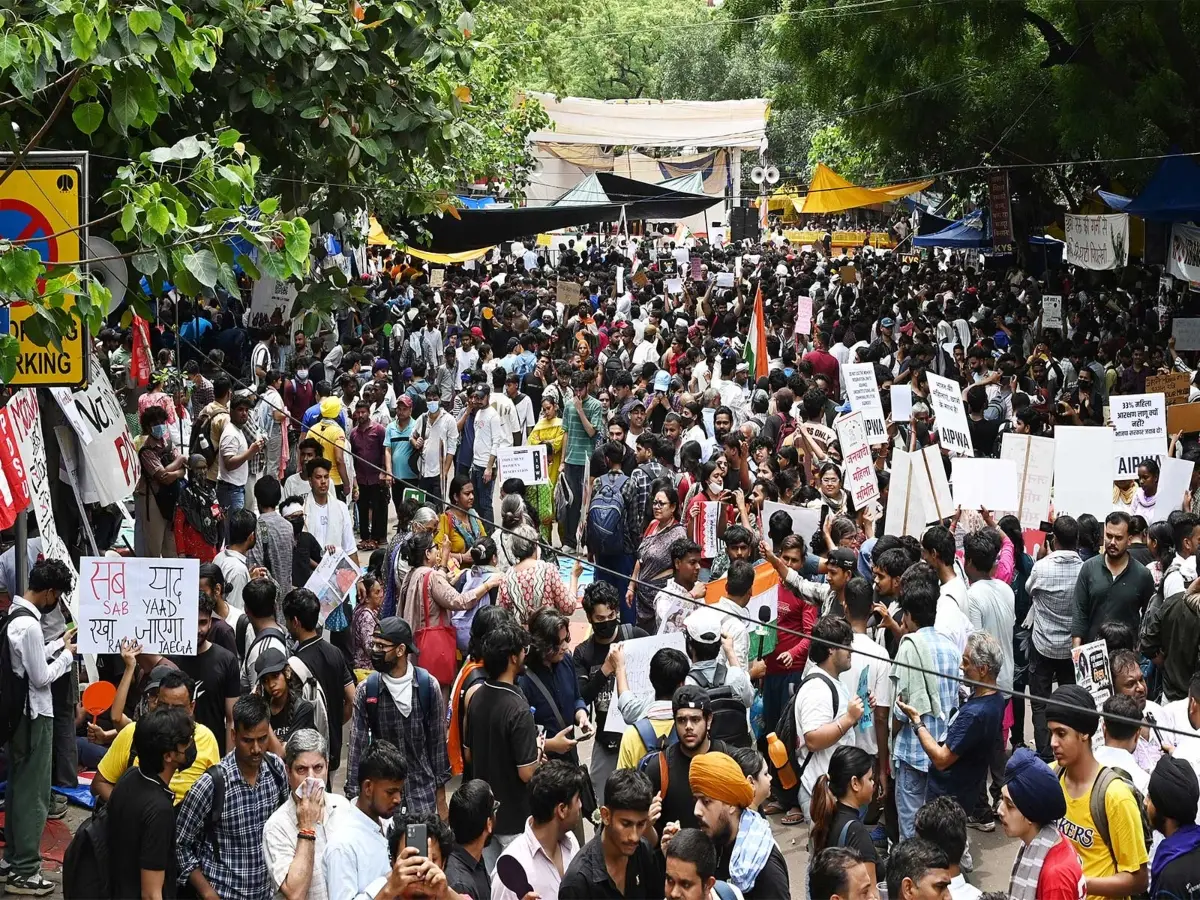)
Did the government avert a larger agitation by conceding to CJP's demands? WION Decodes
)
Sick of It All vocalist Lou Koller passes away at 59 following cancer battle, tributes pour in
)
Google ends Play Services Support, likely to stop these Android phones from downloading apps & games
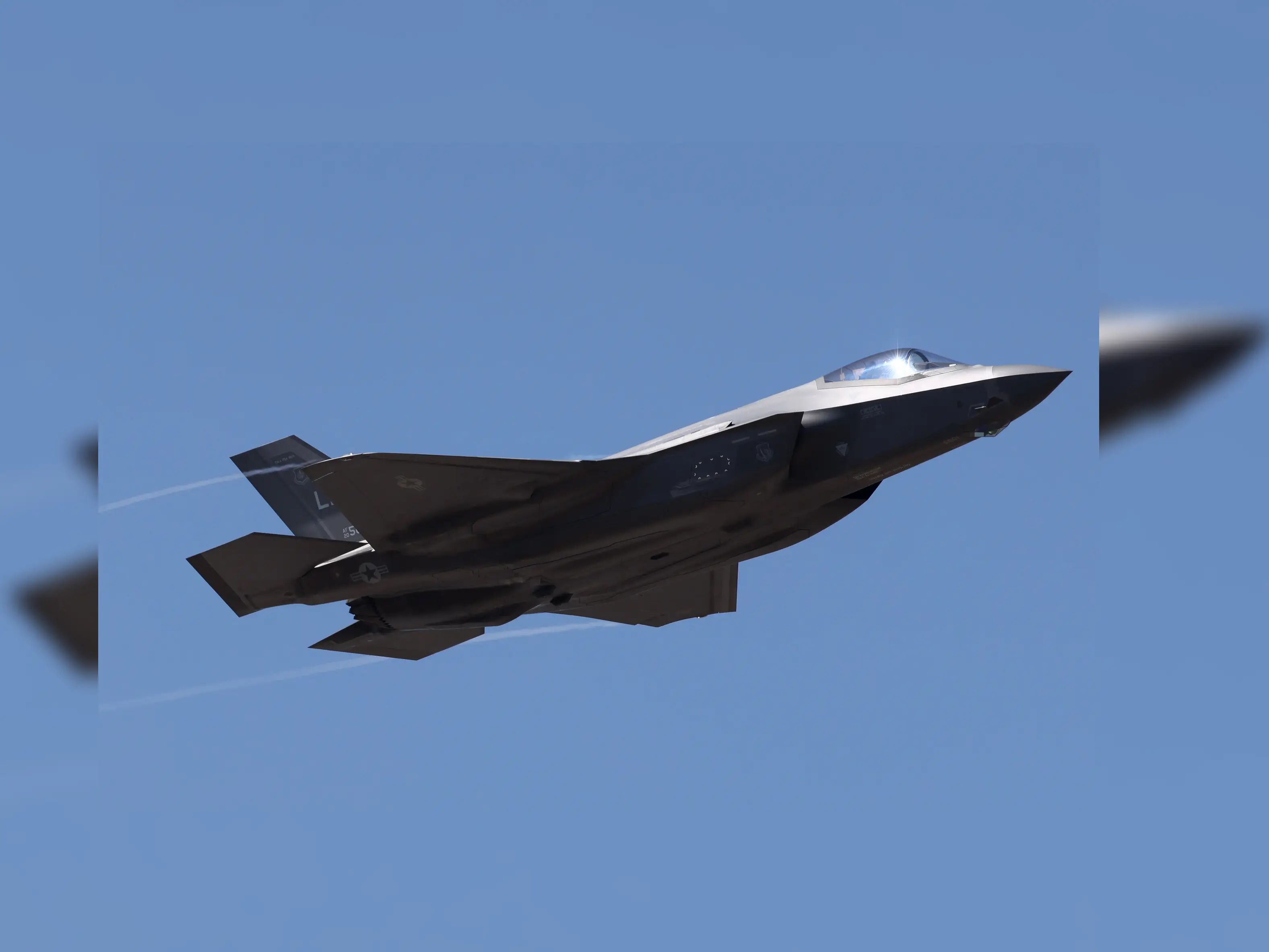)
US says Turkey still barred from F-35 program until it gives up Russian S-400 system: Report
)
Did scientists miss the real reason behind Gujarat's record rain? Meet the Pacific Decadal Oscillation | WION Decodes
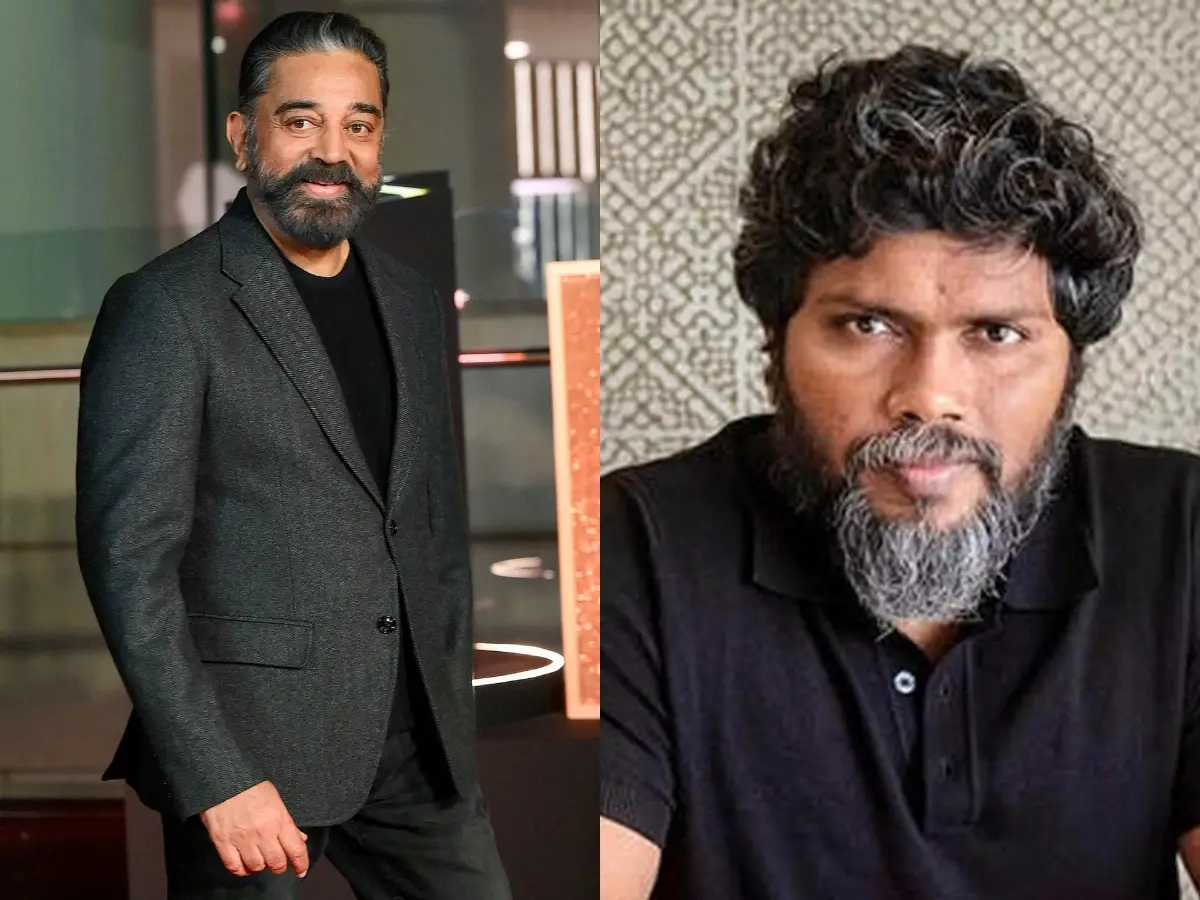)
'Vox Populi': Kamal Haasan, Chinmayi, Pa Ranjith react to Dharmendra Pradhan's resignation
&im=FitAndFill=(700,400))
Why US fighter jets use seamless bubble canopies compared to Russian jets
)
Pakistan army chief used private oil venture to keep Iran attacks off Saudi Arabia: Report
)
Russia-Ukraine war: Russia activates nuclear beast Admiral Nakhimov amid war
Sturgeon said in response that she would turn the next British general election into a de facto referendum to ramp on pressure on Westminster to grant another vote.
Support for independence rose above 50% in the wake of the Supreme Court ruling but it has slipped back in recent months.
Sturgeon, 52, had also recently become embroiled in a row over transgender policies after Scotland passed a bill to make it easier for people to change their legal gender.
Also Read | Who is Nicola Sturgeon? Scotland's first minister who resigned in hope her successor to lead independence
The Conservative government of Prime Minister Rishi Sunak responded by saying it would block the bill, the first time it had invoked the power to veto a Scottish law, because it would have a broader impact on the United Kingdom.
Scotland was then forced to review the management of trans prisoners and stop transgender people with a history of violence against women being placed in female prisons.
The Scottish government declined to comment.
Political allies immediately paid tribute to Sturgeon, with SNP MP Stewart McDonald describing her as "the finest public servant of the devolution age" and her departure as an "enormous loss".
"Her public service, personal resilience and commitment to Scotland is unmatched, and she has served our party unlike anyone else," he added.
(With inputs from agencies)
You can now write for wionews.com and be a part of the community. Share your stories and opinions with us here.
WATCH WION LIVE HERE