
&imwidth=800&imheight=600&format=webp&quality=medium "Saudi nuclear deal, Turkey F-35 bid: How US strategy could reshape Middle East power balance")
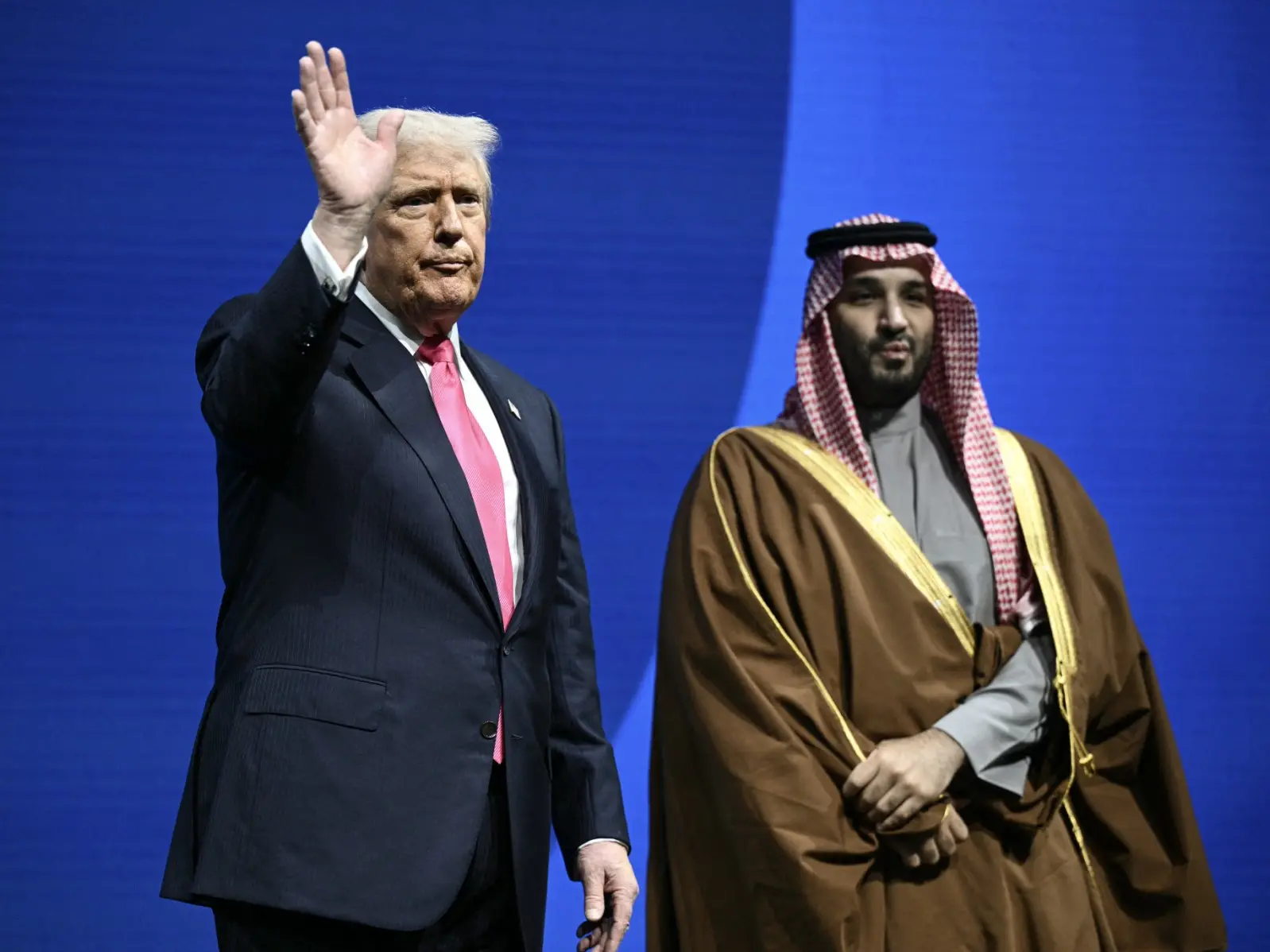
The Middle East’s military and strategic equation is witnessing a major shift as Washington deepens defence and nuclear cooperation with key regional partners. A potential US-Saudi civilian nuclear deal, alongside moves linked to advanced fighter jet sales, including the possible return of Turkey to the F-35 programme, could reshape alliances, fuel competition and alter the region’s balance of power.
Saudi Arabia’s nuclear ambitions and the Iran factor
For Saudi Arabia, access to US nuclear technology marks a significant step in its ambition to diversify beyond oil and build a domestic nuclear energy sector. The agreement aims to bring American nuclear companies into Riyadh’s plans while maintaining non-proliferation commitments. However, the deal has raised concerns in Washington and Israel over uranium enrichment and the possibility of a future regional arms race.

The nuclear pact also carries geopolitical weight. Saudi Arabia has long sought greater security guarantees from Washington as it faces threats from Iran and regional armed groups. Closer US-Saudi cooperation could strengthen Riyadh’s strategic position while helping Washington compete with growing Chinese and Russian influence in the Gulf
F-35 diplomacy and Turkey’s changing military role
The defence side of the equation is equally significant. The F-35, considered one of the world’s most advanced stealth fighter jets, has traditionally been tightly controlled by Washington because of concerns over maintaining Israel’s “qualitative military edge” in the region. Any expansion of F-35 access among US partners in the region could alter existing military balances.
Trending Stories
)
BRICS Summit 2026: Trump wants to weaken BRICS, but maybe doing the opposite
)
BRICS Summit 2026: PM Modi, Xi reach key consensus on ties, China to assume BRICS chairmanship in 2027
)
Trump defends Lincoln Memorial pool amid NYT report blaming renovation flaws, not vandalism
)
Indian importers urge Bangladesh to lift export ban on 'Hilsa' fish ahead of Durga Puja
)
War is making Russia stronger? How Ukraine is shaping Moscow’s next generation of weapons
&im=FitAndFill=(700,400))
Shahid Kapoor to Rajkummar Rao: Actors who rule both theatres and OTT
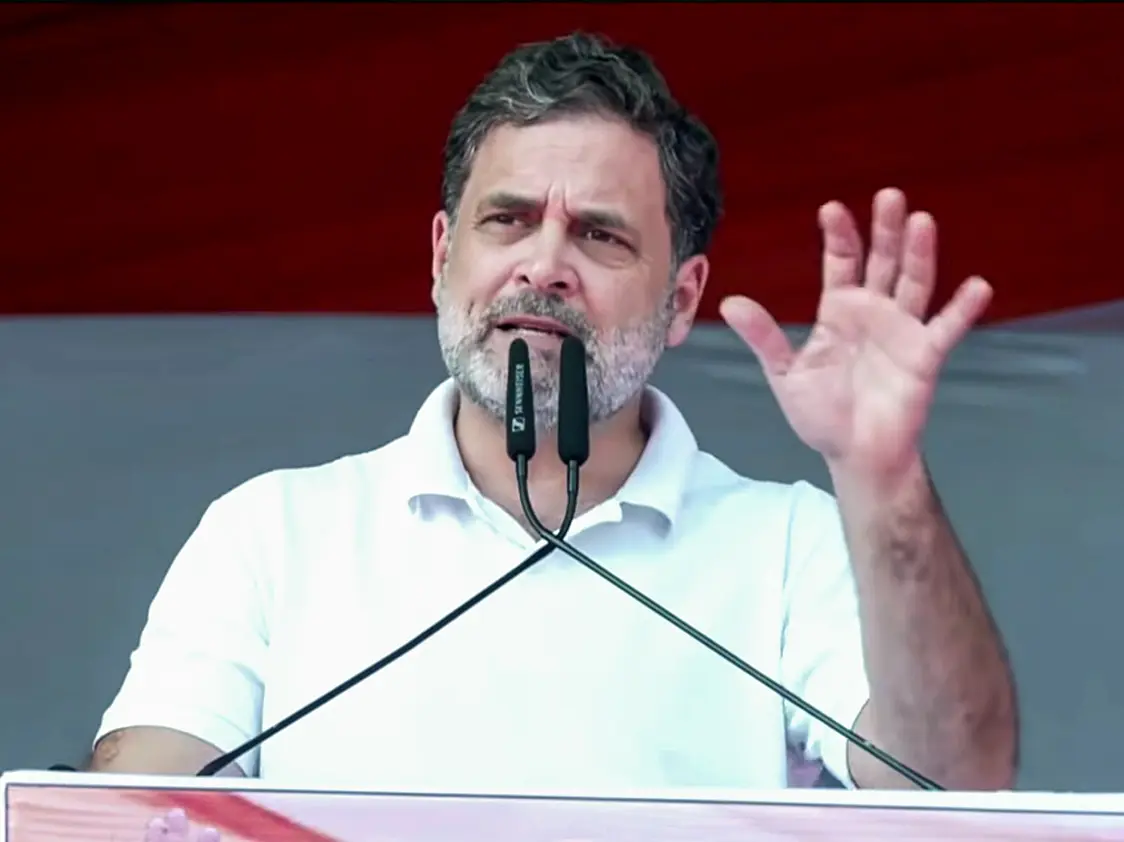)
'80% of Indians are non-vegetarian': Rahul Gandhi slams BRICS Summit dinner menu, BJP calls it 'politics on food menu'
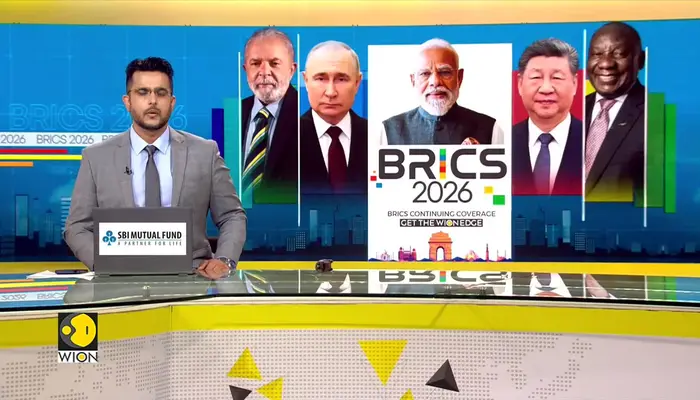)
BRICS Summit 2026: Modi-Xi moment highlights India-China thaw at BRICS
)
800 million years old - Scientists discover 'fingerprints' of supercontinent Gondwana in ancient rocks
&im=FitAndFill=(700,400))
Meet top 5 batters fastest to 3000 runs in T20Is
&im=FitAndFill=(700,400))
Why European Meteor missiles use ramjet engines compared to standard US solid rockets
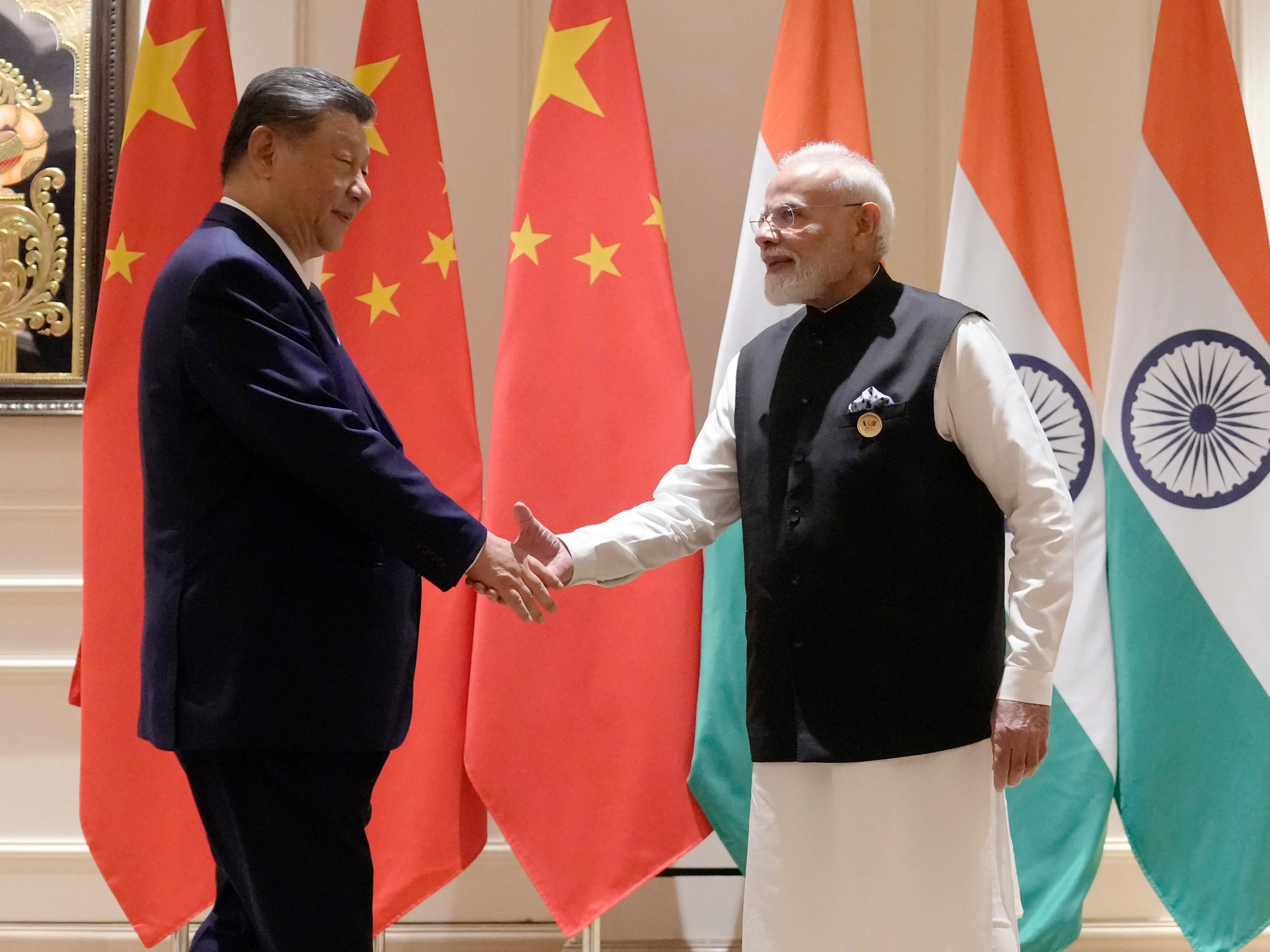)
‘Partners, not rivals’: Xi outlines four point plan for stronger India-China ties
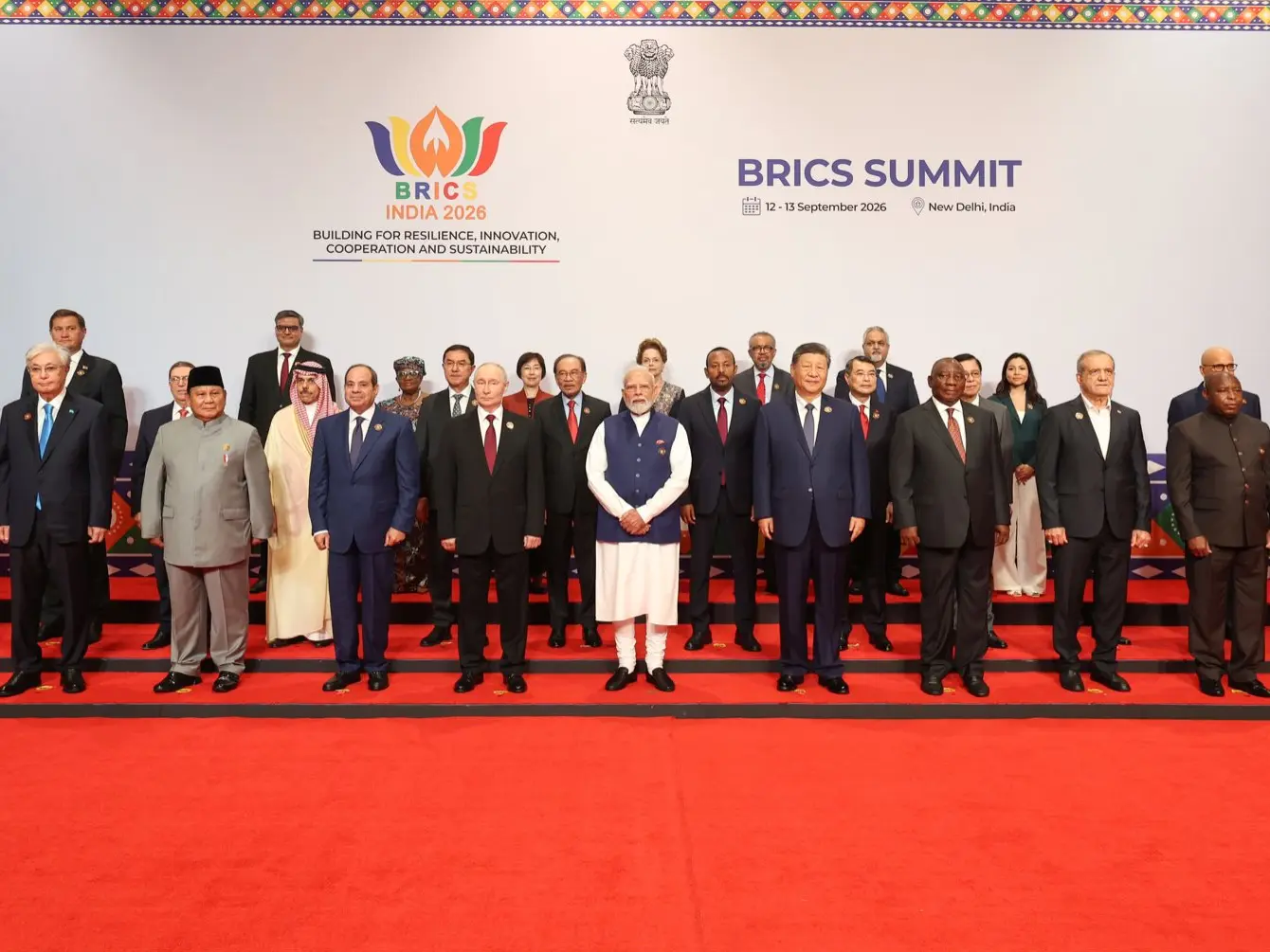)
Did BRICS Summit 2026 prove that an 11-member bloc with India and China in it can still agree on key issues?
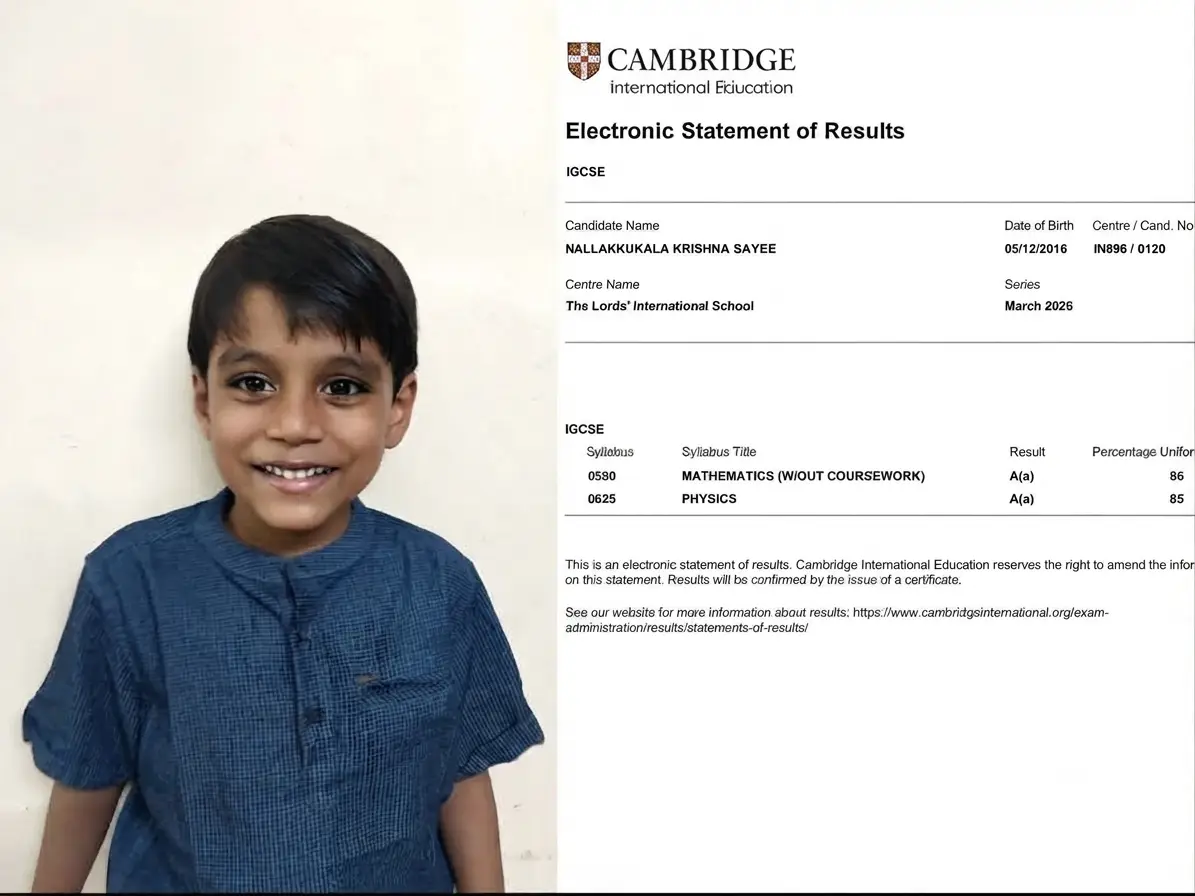)
9-year-old Chennai prodigy clears Cambridge IGCSE grade 10 exams
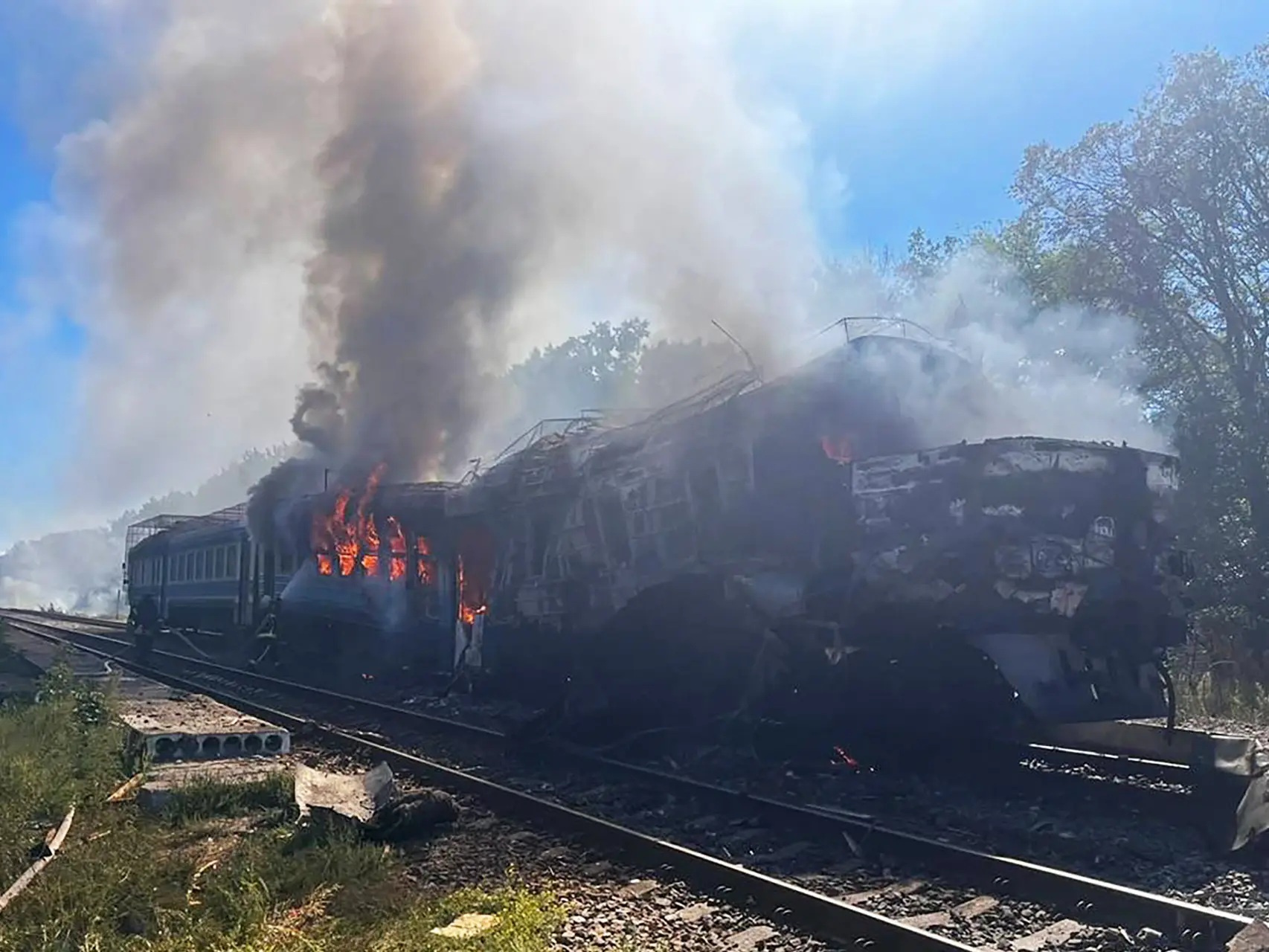)
Russian drone hits Warsaw-bound train near Polish border, Zelensky accuses Moscow of ‘deliberate’ targeting
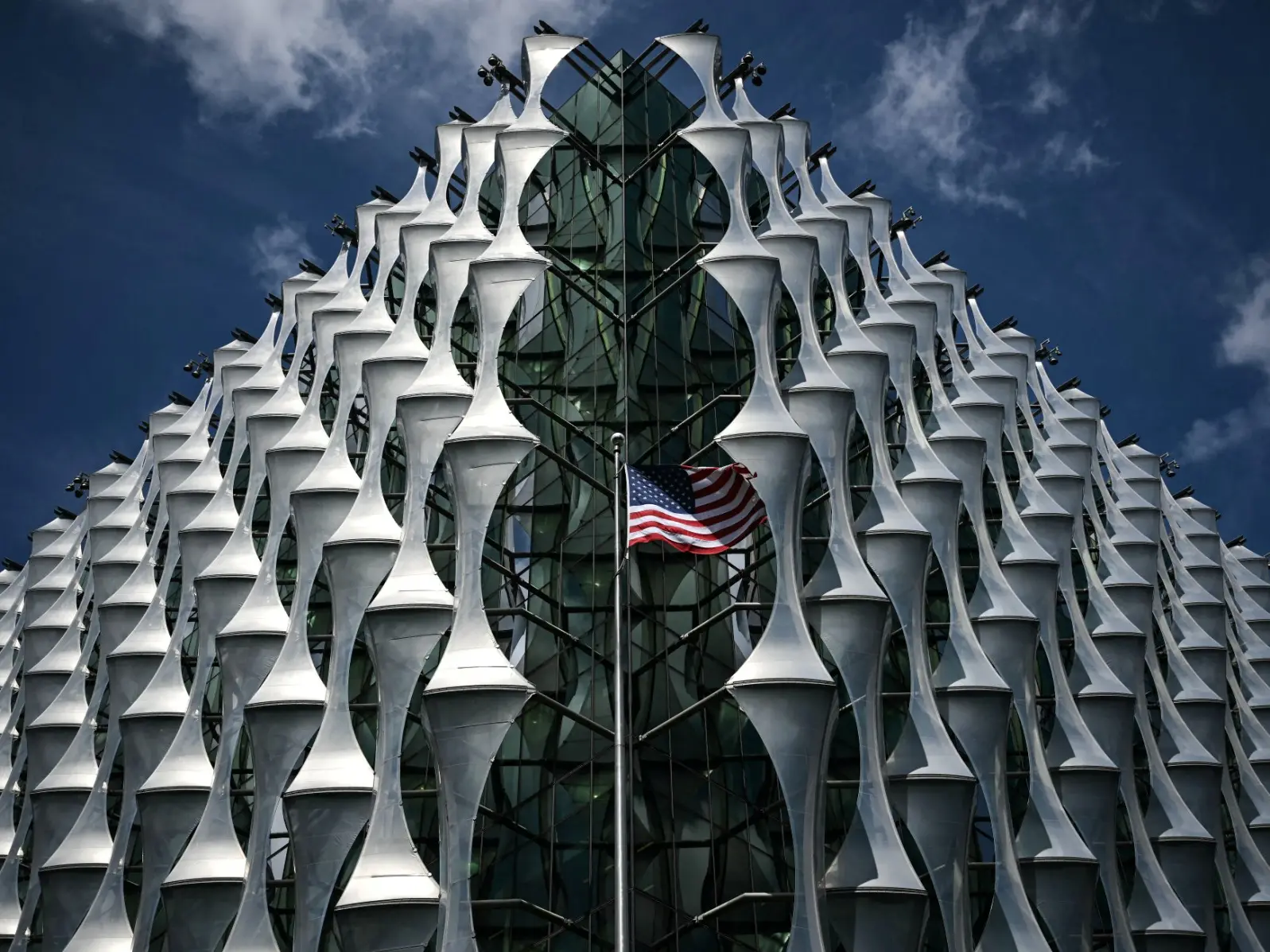)
US diplomat accused of possessing child abuse images secretly flown out of UK by US Marines
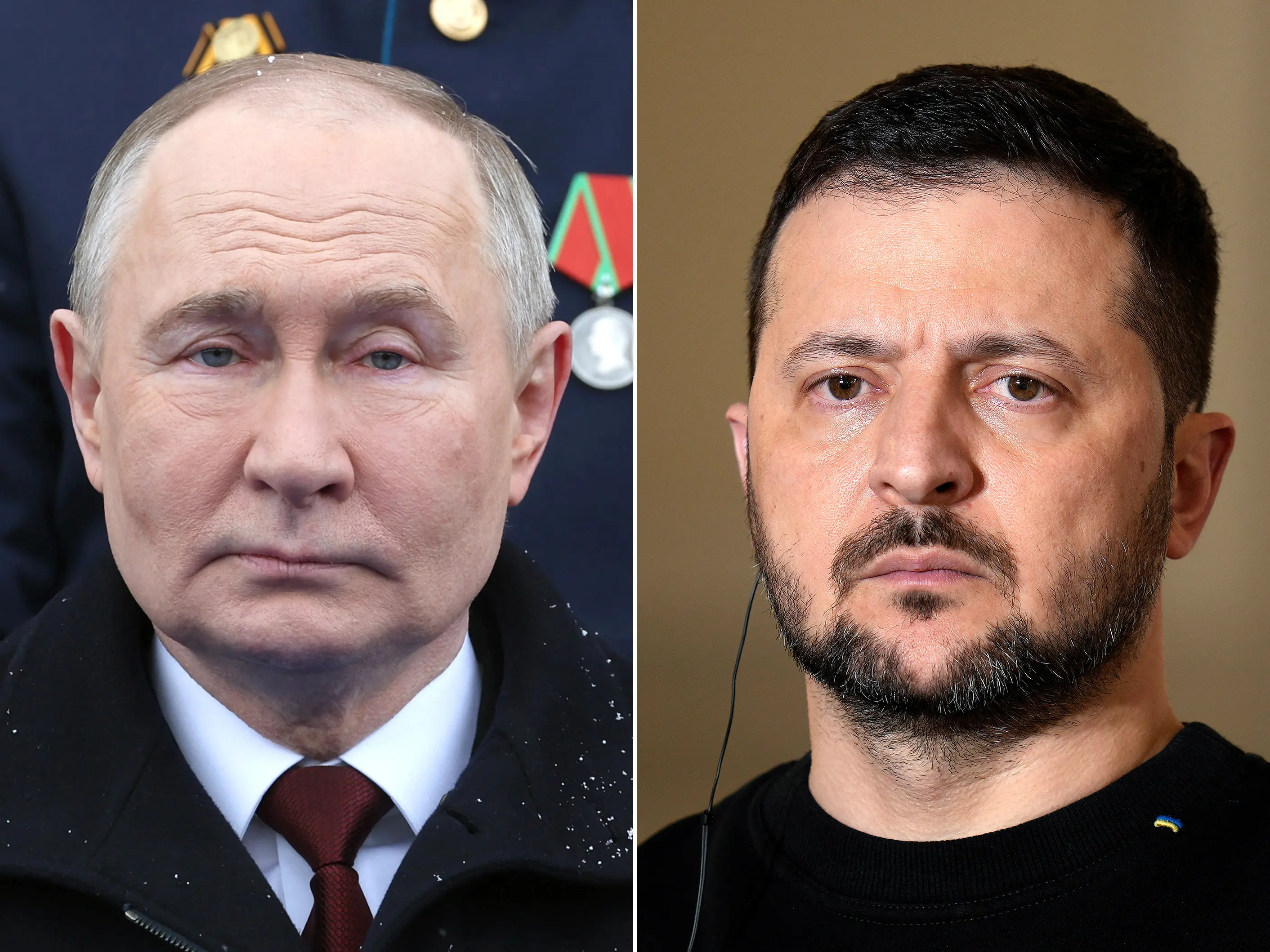)
Russia-Ukraine-US talks in October? Kremlin says not ruling out possibility of trilateral
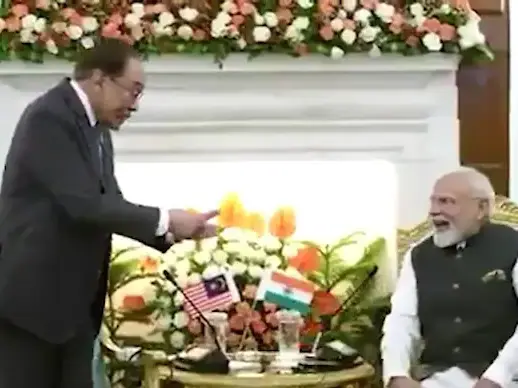)
'He is popular...': Malaysian PM Anwar Ibrahim's praise for PM Modi during bilateral meeting | WATCH
)
Top 5 places to visit in Goa beyond its famous beaches
)
NATO under Russian threat? Drone strikes just 2 km from Poland, narrow escape for former UK PM, CIA chief
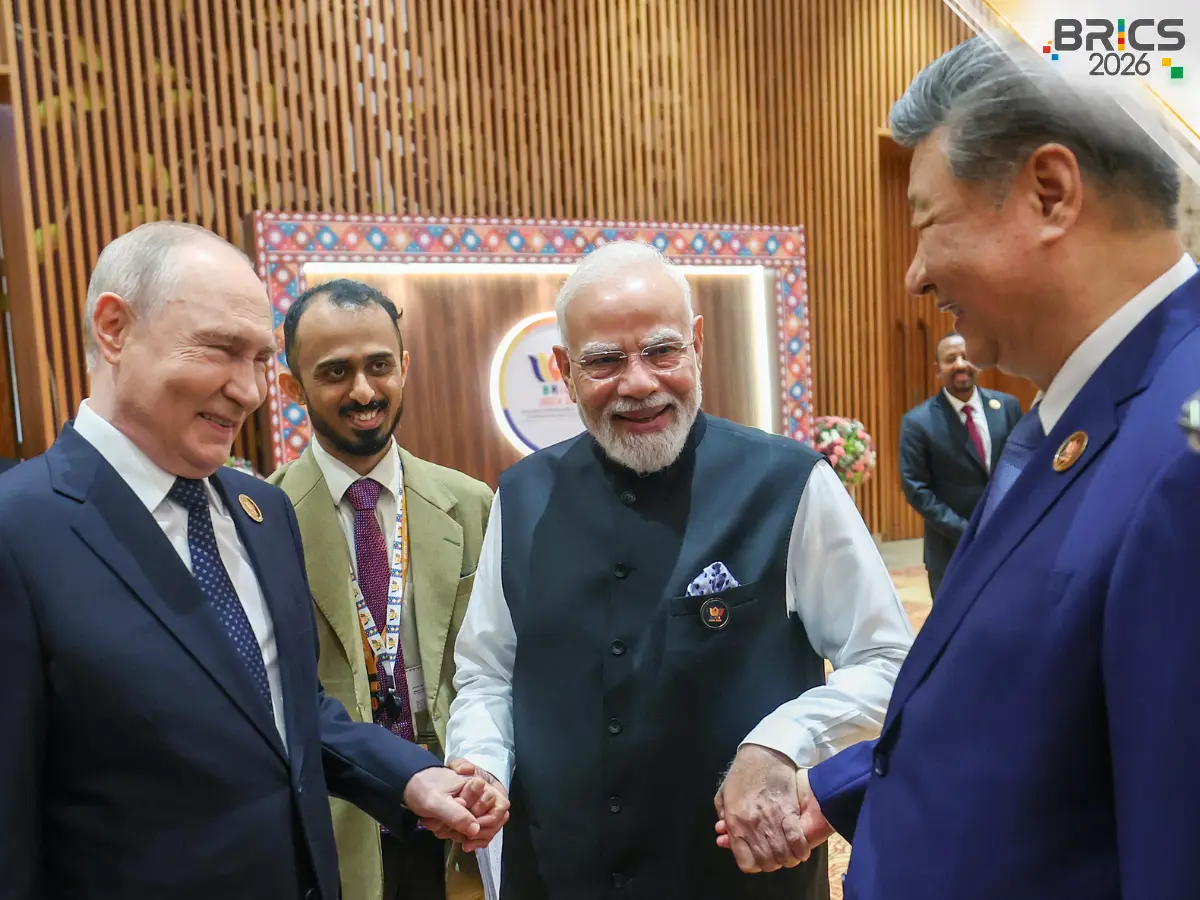)
PM Modi and China's Xi offered to help resolve Russia-Ukraine war: Kremlin
)
Bigg Boss 20: Who Is Rohed Khan? Meet the Austrian actor from Bade Miyan Chote Miyan
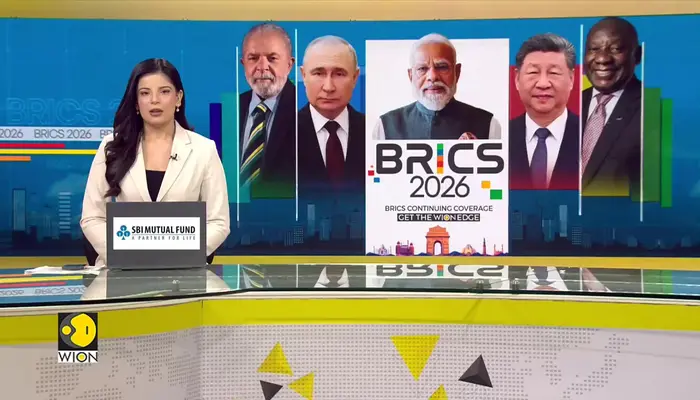)
BRICS Summit 2026: Russia-India-China grouping never formalised
)
‘Want to reset ties with India, have engagement based on mutual interests,’ says Bangladesh minister
)
The Verdict | Africa is too big to remain a guest at the BRICS table
)
Akram, Afridi, Mushtaq tear into PCB after Pakistan’s Test series collapse in UK
)
Humans may lose control of AI: Anthropic CEO calls for slowdown, Altman, Musk back him
)
'It’s going to be a war': Ben Shelton on facing Zverev in US Open title clash
)
From severe mobility problems to recovery: Madhuri the elephant’s journey of wildlife care
)
Trump says Canada eager to reach a deal, it could come ‘fairly soon’ if Ottawa treats US farmers better
)
UK breakup on the cards? Scotland, Wales and Northern Ireland push for independence
&im=FitAndFill=(700,400))
Why Chinese PL-15 air-to-air missiles use dual-pulse motors compared to European interceptors
)
Why does your skin need protection from UV rays?
)
BRICS Summit: New Delhi declaration adopted with full consensus, big diplomatic win for India
&im=FitAndFill=(700,400))
How 2nm technology improves iPhone performance
Turkey’s possible return to the F-35 programme would carry its own implications. Ankara was removed from the programme after purchasing Russia’s S-400 missile defence system, with US law restricting transfers until the issue is resolved. If Turkey regains access, it would strengthen NATO’s second-largest military and significantly boost its air power.
Israel’s security concerns amid a shifting regional balance
The emerging defence partnerships are being closely watched in Israel, where maintaining a military edge in the region has remained a key priority. Washington has traditionally sought to preserve Israel’s qualitative military edge, ensuring that arms transfers to regional partners do not undermine Israel’s technological advantage.
As Saudi Arabia pursues deeper strategic ties with Washington and Turkey seeks renewed access to advanced US defence technology, Israeli officials are likely to closely monitor how these agreements could affect the region’s security equation. Any expansion of advanced weapons systems among US partners could prompt calls in Israel for assurances that its qualitative military edge remains protected.
The developments also come at a time of heightened regional competition, with Iran likely to view stronger US-backed cooperation among its rivals. Tehran could view these moves as a challenge to its influence and security interests in the region.
Together, the potential US-Saudi nuclear agreement and evolving defence ties with Turkey reflect a broader transformation in the Middle East, where countries are competing for advanced technology, energy security and greater strategic influence.

