Cuban crisis 2.0? Russian nuclear sub to dock in Cuba after USA's Ukraine misadventure

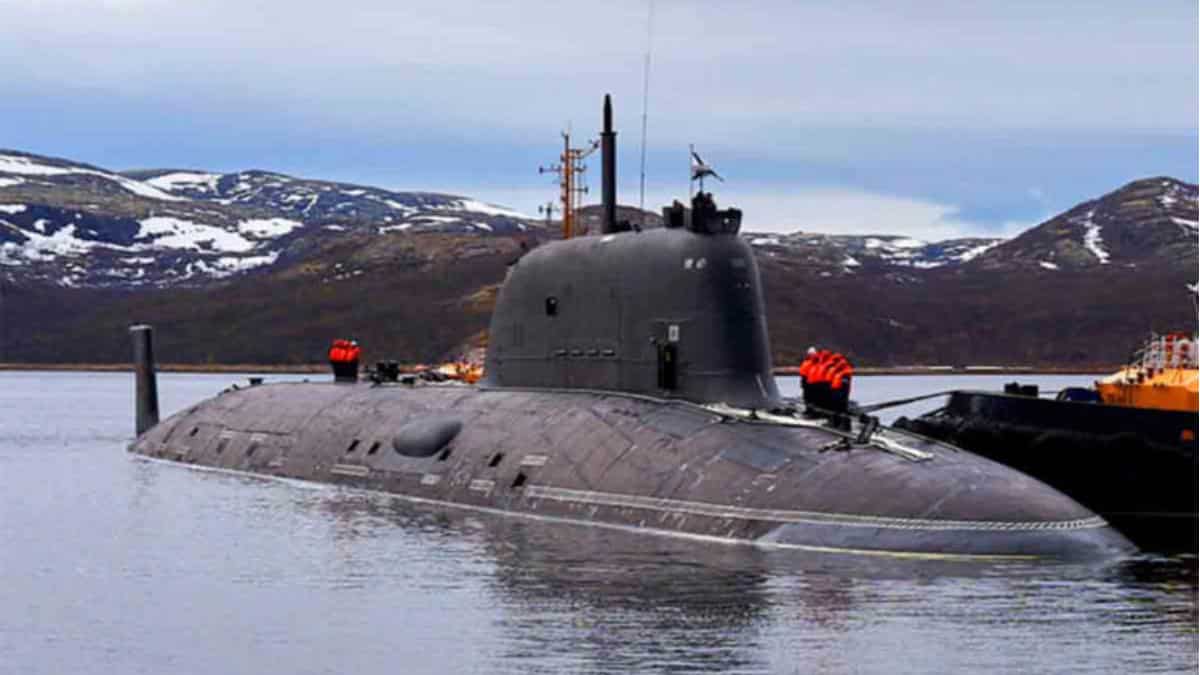
Submarine Kazan
A Russian nuclear-powered submarine will visit Havana next week, Cuba's communist authorities said on Thursday (Jun 6). The sub will not be carrying nuclear weapons, but the move has reminded the world of the infamous 1962 Cuban missile crisis.
Cuba's Ministry of the Revolutionary Armed Forces said in a statement that the nuclear submarine Kazan and three other Russian naval vessels, including the missile frigate Admiral Gorshkov, an oil tanker and a salvage tug, will dock in the Cuban capital from June 12-17.
"None of the vessels is carrying nuclear weapons, so their stopover in our country does not represent a threat to the region," the ministry said.

Despite the ministry's clarification that the vessels will not carry nuclear weapons, the unusual deployment has alarmed the West, especially the United States as the Russian military is going to be so close to America. Although, so far, there's no official comment from the US.
The deployment has been announced amid tensions between Moscow and the West over the war in Ukraine, with Russian President Vladimir Putin recently unleashing a slew of new nuclear threats.
&imwidth=180&imheight=135&format=webp&quality=medium)
India moves to buy 10,000 more AI chips for a national compute pool open to startups
&imwidth=180&imheight=135&format=webp&quality=medium)
Cattle-feed bran in biscuits, detergent in milk: FSSAI acts against 3 companies
&imwidth=180&imheight=135&format=webp&quality=medium)
The Verdict | Trump, Putin and Xi: A superpower triangle that could reshape global diplomacy
&imwidth=180&imheight=135&format=webp&quality=medium)
France protests: 'Block everything' movement escalates as public fury over austerity grows; over 200 arrested. Here's all you to need to know
&imwidth=180&imheight=135&format=webp&quality=medium)
Over 100 US lawmakers urge FBI to probe foiled Hindu temple shooting as hate crime
&imwidth=180&imheight=135&format=webp&quality=medium)
Elon Musk will give away one SpaceX share to each American child. That comes to $10.5bn
&imwidth=180&imheight=135&format=webp&quality=medium)
'What's wrong with you? Are you a sick person?': Trump at it again as he snaps at reporters, faces backlash
&imwidth=180&imheight=135&format=webp&quality=medium)
After France unrest, Italy tightens security amid violent protests in Milan
&imwidth=180&imheight=135&format=webp&quality=medium)
'US will never part with niche technology' former IAF assistant chief on India's fighter jet ambitions
&imwidth=180&imheight=135&format=webp&quality=medium)
WATCH | Albania protesters set Supreme Court on fire as anti-Rama riots escalate
&imwidth=180&imheight=135&format=webp&quality=medium)
Iran rejects US talks until demands are met, rules out moving enriched uranium out of the country
&imwidth=180&imheight=135&format=webp&quality=medium)
What the Mecca Joint Defence Agreement says about withdrawal and military support. Read full text of the pact here
&imwidth=180&imheight=135&format=webp&quality=medium)
Pujara says 'Samson and Vaibhav cannot be in Playing XI' for India on NZ tour
&imwidth=180&imheight=135&format=webp&quality=medium)
Trump considers removing White House press corps to restore historic indoor swimming pool
&imwidth=180&imheight=135&format=webp&quality=medium)
US midterms 2026: With Republicans spending big, Bloomberg opens his wallet for Democrats. Here's how much he is pouring
&imwidth=180&imheight=135&format=webp&quality=medium)
Man marries off wife of 17 years to her lover in Uttar Pradesh
&imwidth=180&imheight=135&format=webp&quality=medium)
Trump says Ilhan Omar 'could go to jail' amid federal probe, calls Somalia a 's***house'
&imwidth=180&imheight=135&format=webp&quality=medium)
Boeing 737 MAX10 gets FAA certification, deliveries expected to begin in 2027
&im=FitAndFill=(700,400)&imwidth=180&imheight=135&format=webp&quality=medium)
What is the real meaning behind Pete Hegseth's tattoos?
&imwidth=180&imheight=135&format=webp&quality=medium)
Tiger Shroff firing incident: Four arrested in arms supply probe, two women allegedly sent weapons to Mumbai
&imwidth=180&imheight=135&format=webp&quality=medium)
Musk ordered Starlink restrictions that caught Ukraine off guard amid escalating tensions: Report
&imwidth=180&imheight=135&format=webp&quality=medium)
Ramayana advance booking: Ranbir Kapoor, Yash's film cross $500K ahead of Diwali release
&imwidth=180&imheight=135&format=webp&quality=medium)
PAK vs ENG: Arafat Minhas, Hasan Nawaz shine as Pakistan beat England by 87 runs
&imwidth=180&imheight=135&format=webp&quality=medium)
US midterms 2026: Red seats once deemed safe now appear shaky as Republicans spend big on ads
&imwidth=180&imheight=135&format=webp&quality=medium)
Trump calls Le Pen France’s ‘conservative voice’ after riots, but holds back on endorsement
&imwidth=180&imheight=135&format=webp&quality=medium)
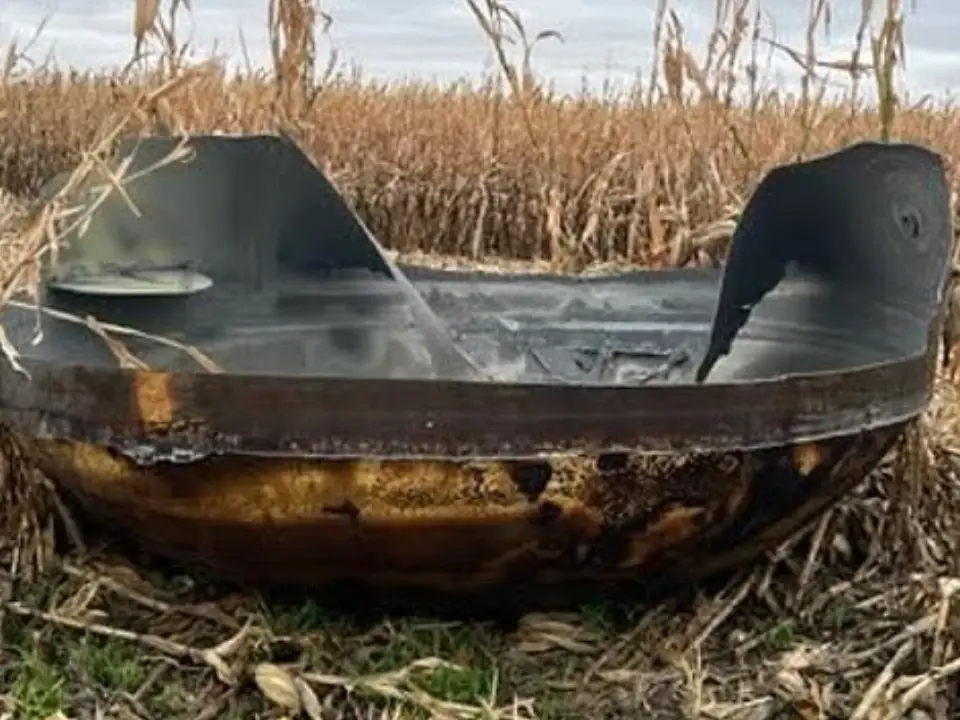
'They are not even telling us' - Mysterious metallic object discovered in Minnesota field
&imwidth=180&imheight=135&format=webp&quality=medium)
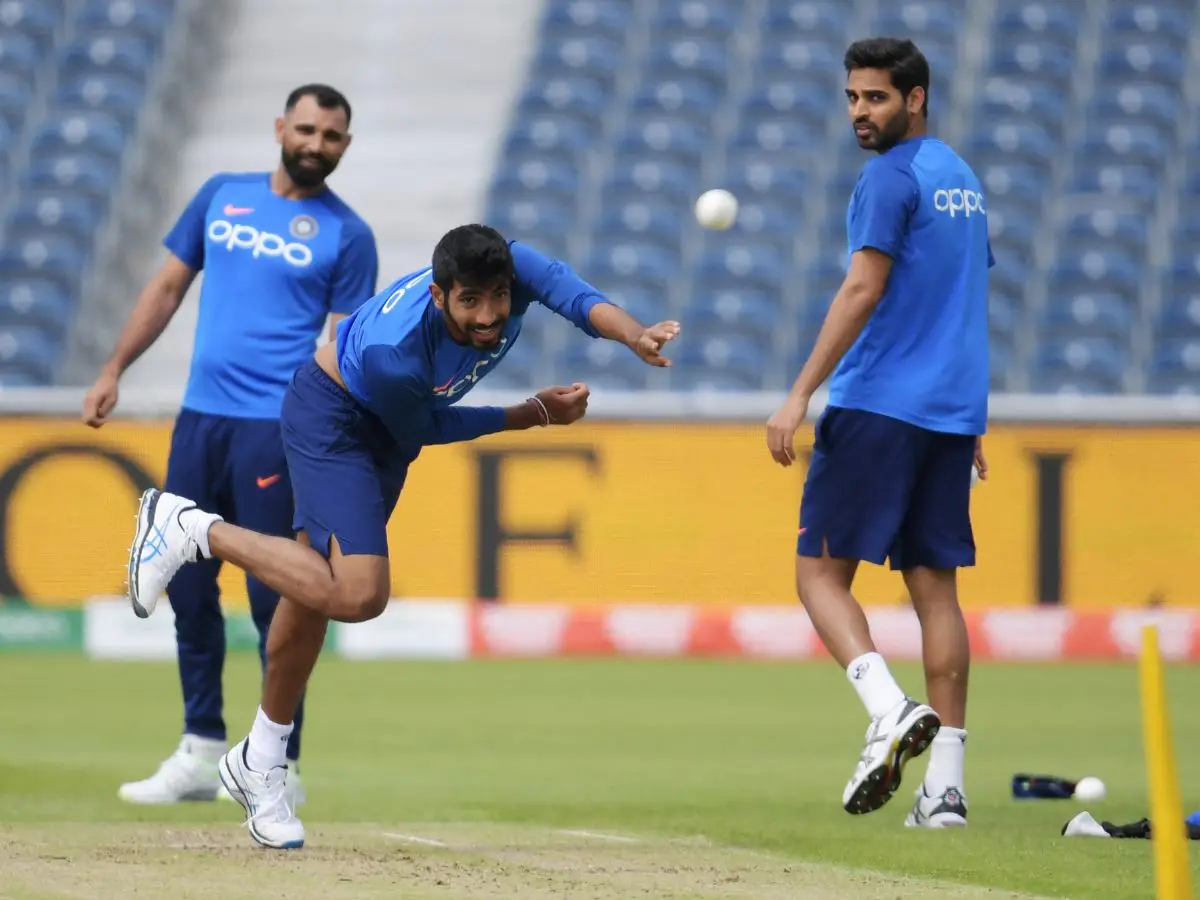
Shastri backs Shami comeback; lauds Bhuvi and warns Bumrah on format workload ahead of World Cup
&imwidth=180&imheight=135&format=webp&quality=medium)
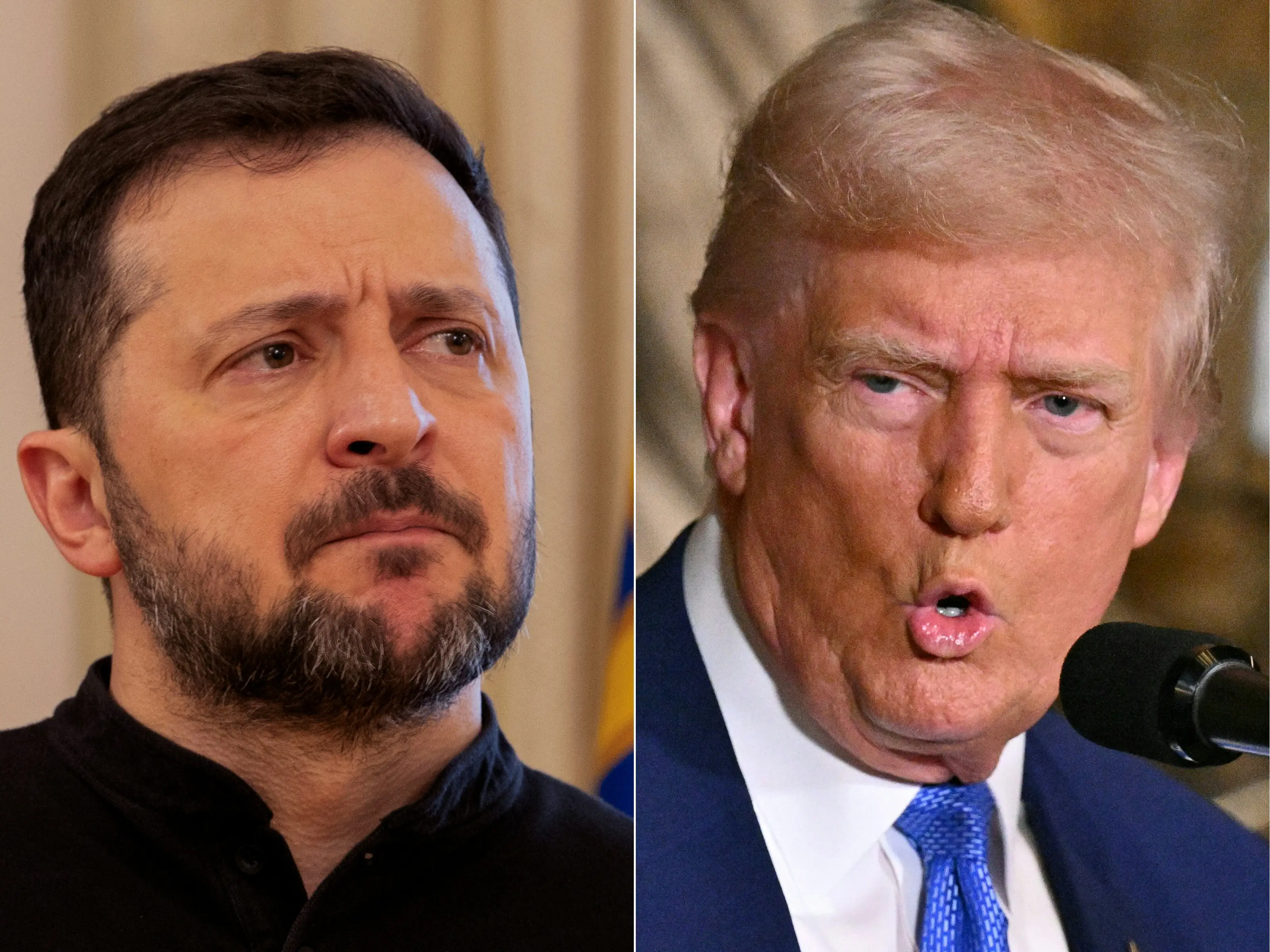
Trump says he wants Zelensky to 'make a deal' with Russia, asks Putin to release American prisoner Stephen Hubbard
&im=FitAndFill=(700,400)&imwidth=180&imheight=135&format=webp&quality=medium)
Priyanka Chopra to Shilpa Shetty: 6 Bollywood actresses and their fitness secrets
&imwidth=180&imheight=135&format=webp&quality=medium)
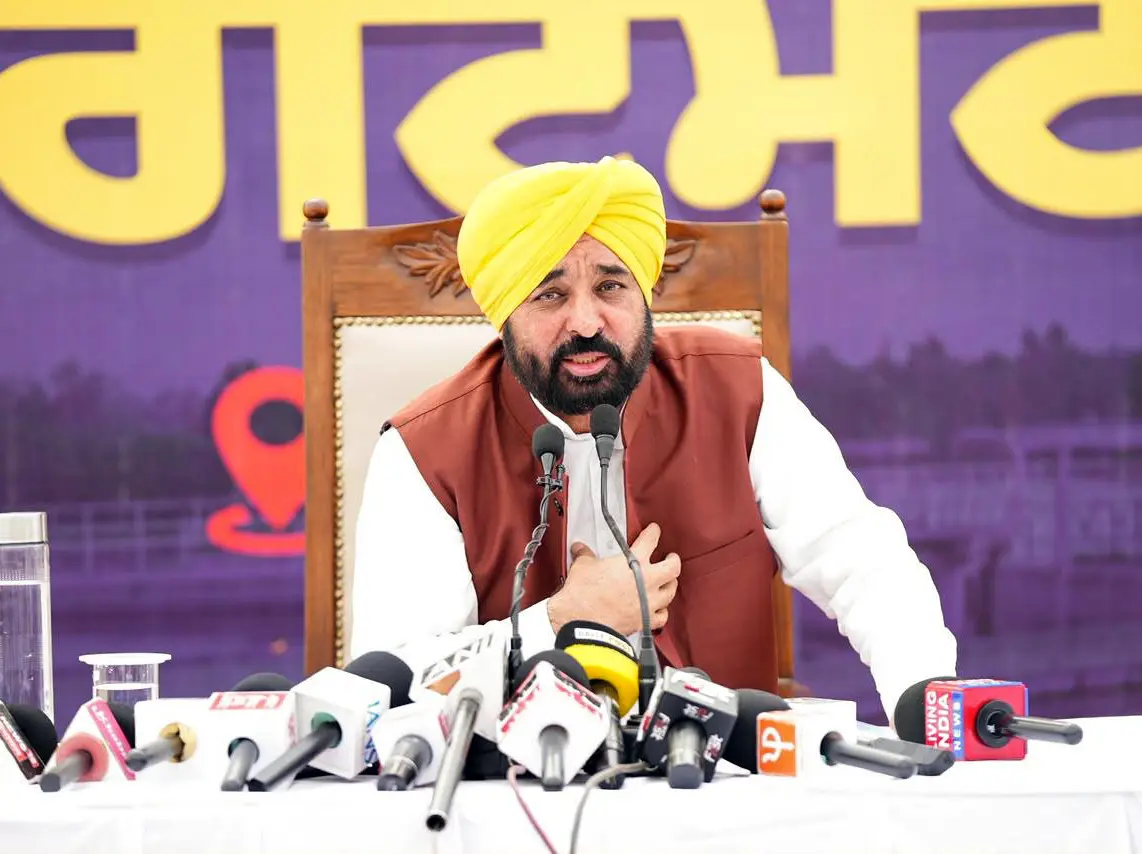
Punjab CM Bhagwant Mann allegedly detained for three hours at Delhi airport, fined ₹50,000: AAP
&imwidth=180&imheight=135&format=webp&quality=medium)
Gravitas | People who nap frequently have 48% higher risk of developing dementia: Study
&imwidth=180&imheight=135&format=webp&quality=medium)
Dandiya Nite ’26: Indian High Commissioner hails diaspora as bridge between India and Nigeria
&im=FitAndFill=(700,400)&imwidth=180&imheight=135&format=webp&quality=medium)
New OTT releases this week (October 19-25, 2026): Gajab Raat to Chaar Yaar-8 titles to watch during Dussehra week on Netflix, Prime Video and more
&imwidth=180&imheight=135&format=webp&quality=medium)
Feds obtain DNA evidence that could prove Ilhan Omar married her brother: Report
&imwidth=180&imheight=135&format=webp&quality=medium)
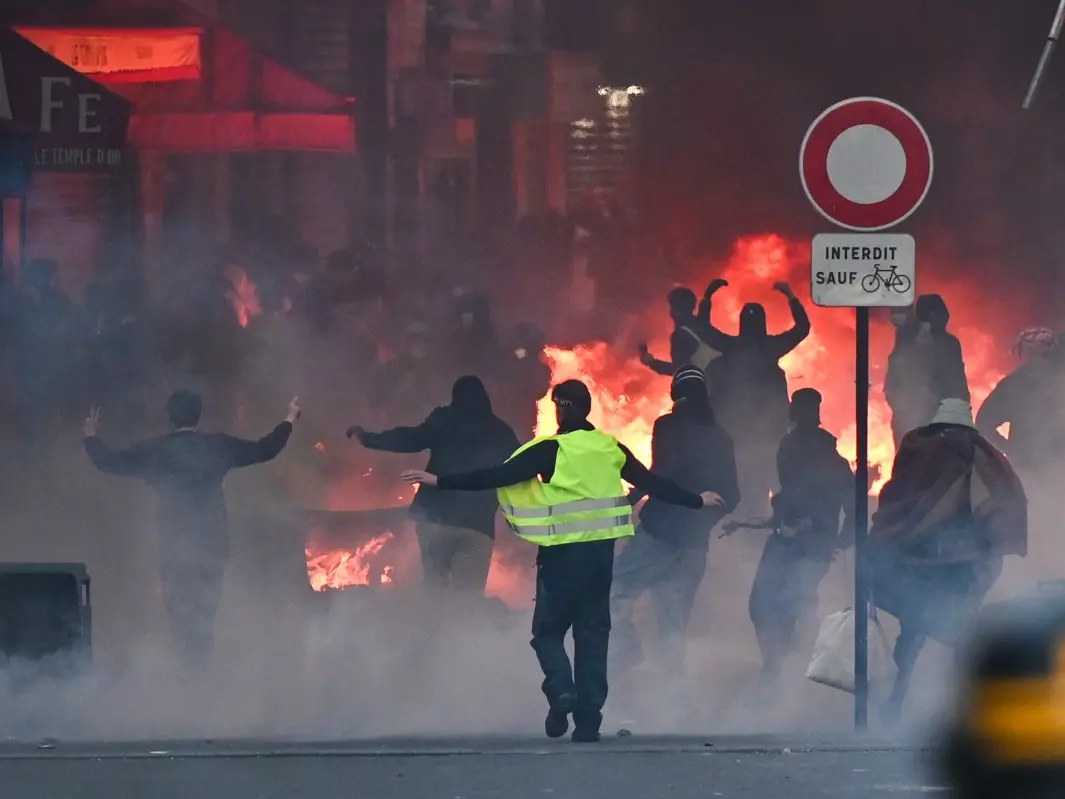
Far-left parties, global networks among 54 groups linked to France protests, only 16 are youth outfits: Report
Putin responded to the decision by the US and its European allies to allow Ukraine to attack some Russian territory using their weapons, especially long-range missiles.
The Russian president suggested he could provide arms to countries to hit Western targets as herevives nuclear threat once again.
Last month, Cuban President Miguel Diaz-Canel met with his Russian counterpart for the annual May 9 military parade on Red Square outside the Kremlin. Both nations have come closer since a 2022 meeting between Diaz-Canel and Putin.
Do we know about the 1962 Cuban missile crisis?
The Cuban missile crisis was a major confrontation between the US and the then-Soviet Union that brought the world to the brink of nuclear war.
The crisis erupted in 1962, which lasted over a month, when the Soviet Union responded to a US missile deployment in Turkey by sending ballistic missiles to Cuba. Then, the Soviet Union, formerly Russia, also included Ukraine.
In 1960, the former premier of the Soviet Union Nikita Khrushchev promised to defend Cuba with Soviet arms, assuming that the US would not prevent the installation of medium- and intermediate-range ballistic missiles in Cuba.
The incident escalated to a level when the world feared a catastrophic nuclear attack. And if launched from Cuba, such missiles could reportedly hit much of the eastern US within a few minutes.
Watch:Russia accuses Kyiv of using USATACMS missiles to hit civilian targets in Luhansk
Claims and counterclaims continued until then US President John F Kennedy intervened. He was busy with the elections, but when he learned about the installations, he consulted security advisors. He even received suggestions that the US should launch an air strike.
But he decided to place a naval "quarantine," or blockade, on Cuba to prevent further Soviet shipments of missiles. He issued a warning that US forces would seize "offensive weapons and associated material" if Soviet vessels tried to deliver them to Cuba.
The crisis was eventually averted, Soviet ships altered their course and moved away from the quarantined zone, with Khrushchev later in the year informing Kennedy that the missiles already in Cuba would be returned to the Soviet Union and work on the missile sites would be halted.
Some reports have even mentioned that Kennedy had secretly promised to withdraw the nuclear-armed missiles from Turkey and that he committed the US would never invade Cuba.
(With inputs from agencies)