Rouhani says Zarif leak aimed to create 'discord' during Iran nuclear talks

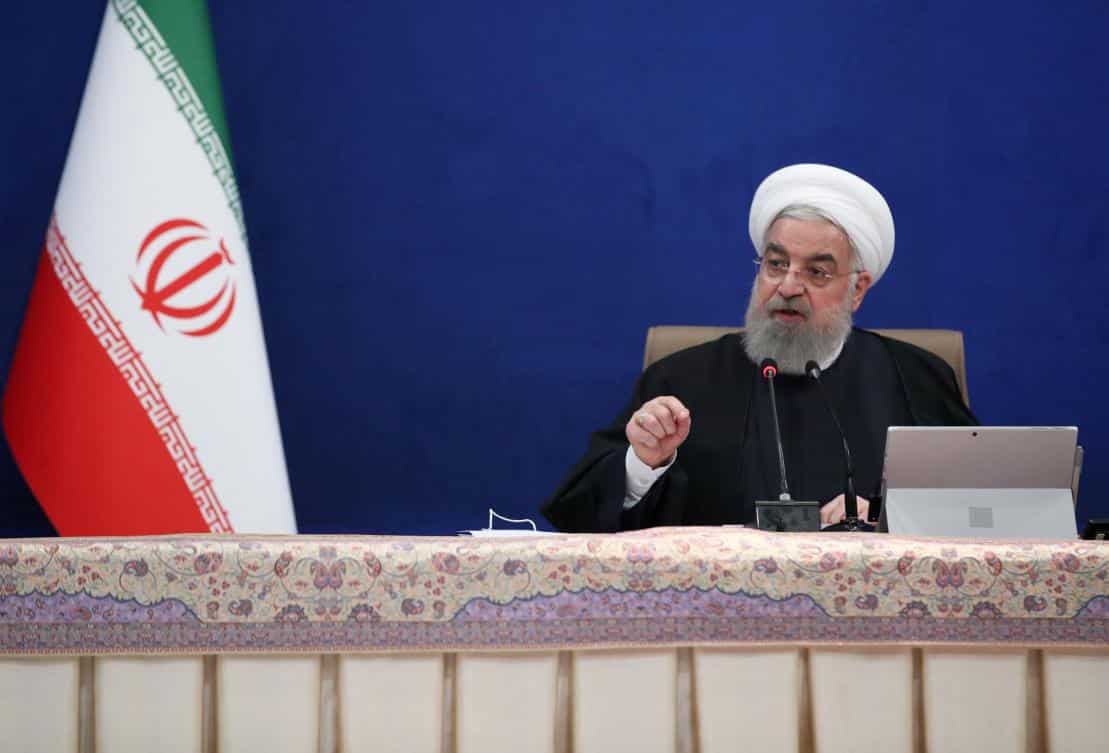
Iranian President Hassan Rouhani
Iran's president said on Wednesday the leak of an audio recording of his top diplomat was aimed at creating "discord" in the Islamic republic during talks aimed at reviving a nuclear deal with world powers.
"It was published right when the Vienna (talks) were at the height of their success, so that it creates discord inside" Iran, Hassan Rouhani told a meeting of his cabinet in televised remarks.
Iran's Foreign MinisterMohammad Javad Zarifsaid on Wednesday heregretted that the leak had triggered "domestic infighting," amid a furious reaction from conservative figures and media outlets.

"I was very sorry that a secret theoretical talk regarding the need for synergy between diplomacy and the (military) field ... turns into domestic infighting,"Iran's top diplomat said on his Instagram account.
"Honest and passionate" argument in a private setting had been misconstrued as "personal criticism," he wrote.
)
Why asking questions could be more important than memorising answers
&im=FitAndFill=(700,400))
Shahid Kapoor to Rajkummar Rao: Actors who rule both theatres and OTT
&im=FitAndFill=(700,400))
How 2nm technology improves iPhone performance
)
BRICS Summit 2026: Trump wants to weaken BRICS, but maybe doing the opposite
&im=FitAndFill=(700,400))
Meet top 5 batters fastest to 3000 runs in T20Is
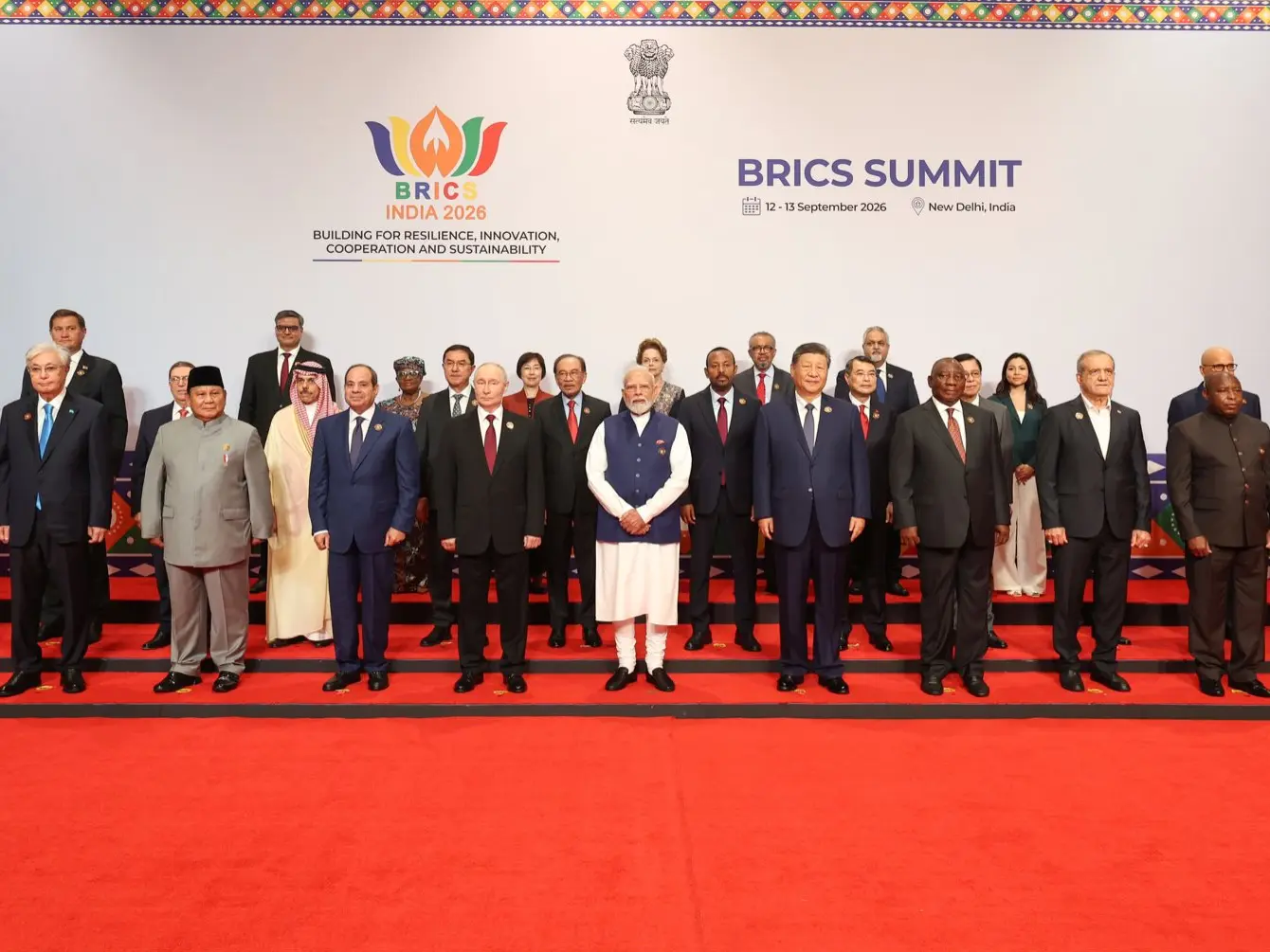)
Did BRICS Summit 2026 prove that an 11-member bloc with India and China in it can still agree on key issues?
)
Top 5 places to visit in Goa beyond its famous beaches
&im=FitAndFill=(700,400))
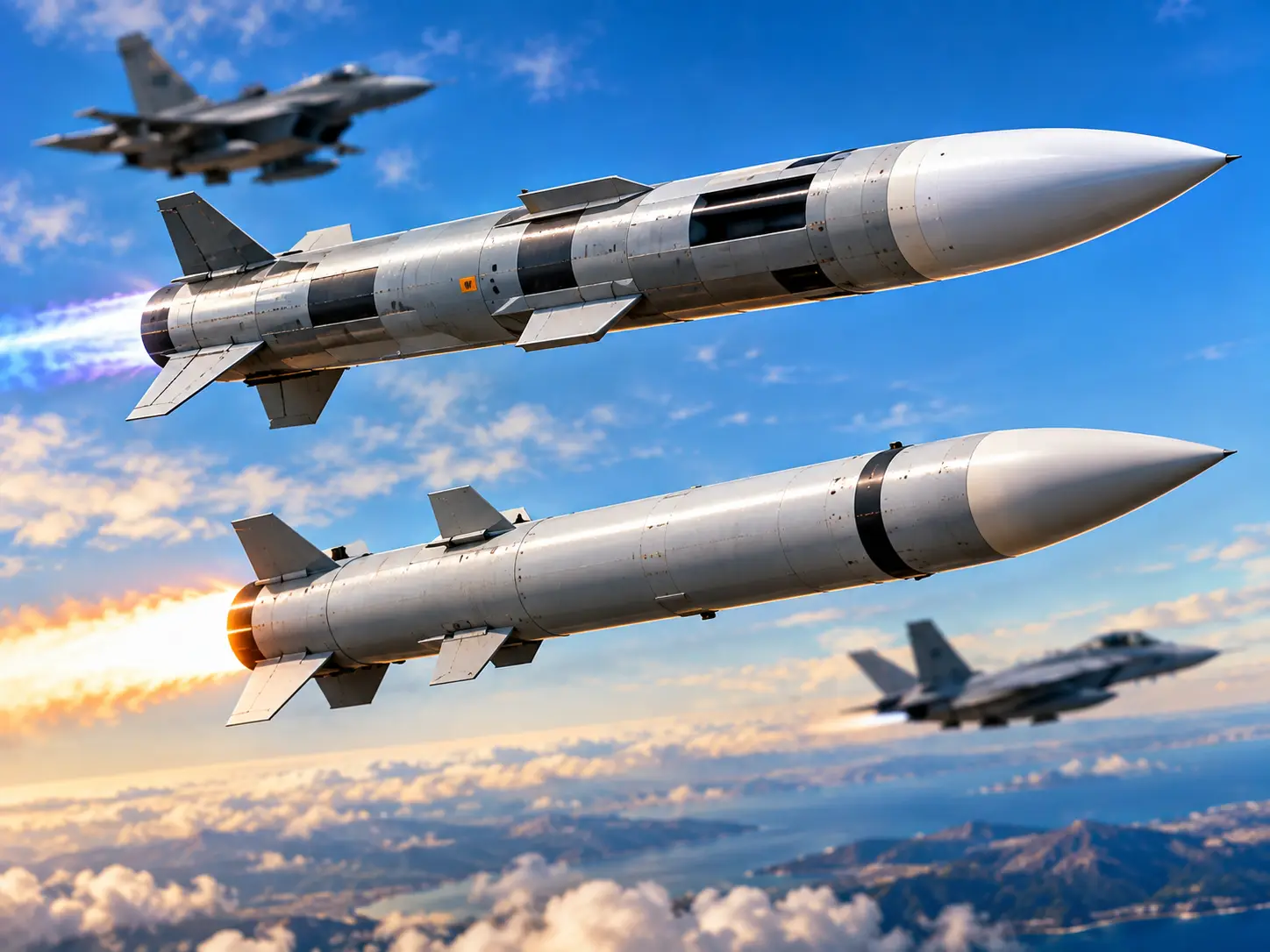
Why European Meteor missiles use ramjet engines compared to standard US solid rockets
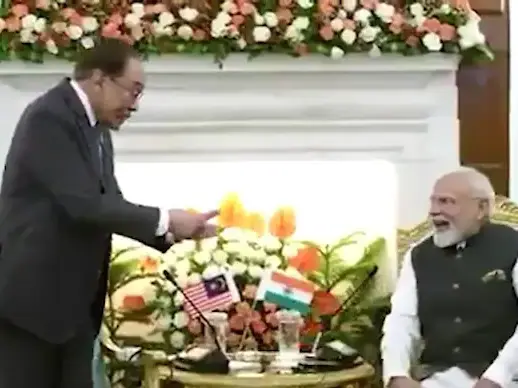)
'He is popular...': Malaysian PM Anwar Ibrahim's praise for PM Modi during bilateral meeting | WATCH
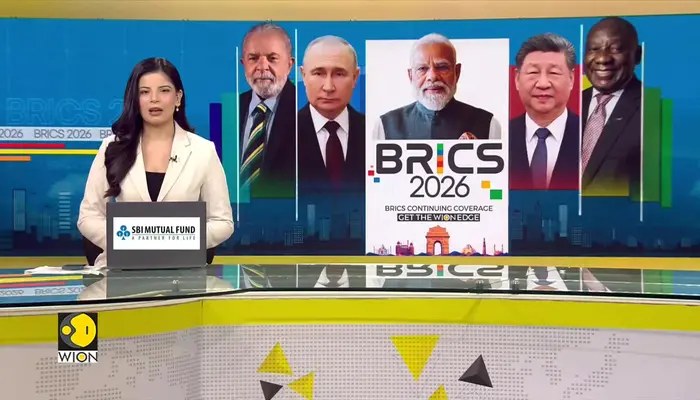)
BRICS Summit 2026: PM Modi, Xi reach key consensus on ties, China to assume BRICS chairmanship in 2027
)
Russia-Ukraine-US talks in October? Kremlin says not ruling out possibility of trilateral
)
UK breakup on the cards? Scotland, Wales and Northern Ireland push for independence
)
‘Want to reset ties with India, have engagement based on mutual interests,’ says Bangladesh minister
)
Trump says Canada eager to reach a deal, it could come ‘fairly soon’ if Ottawa treats US farmers better
)
The Verdict | Africa is too big to remain a guest at the BRICS table
)
‘Partners, not rivals’: Xi outlines four point plan for stronger India-China ties
&im=FitAndFill=(700,400))
Why Chinese PL-15 air-to-air missiles use dual-pulse motors compared to European interceptors
)
'It’s going to be a war': Ben Shelton on facing Zverev in US Open title clash
)
NATO under Russian threat? Drone strikes just 2 km from Poland, narrow escape for former UK PM, CIA chief
)
Trump defends Lincoln Memorial pool amid NYT report blaming renovation flaws, not vandalism
)
'80% of Indians are non-vegetarian': Rahul Gandhi slams BRICS Summit dinner menu, BJP calls it 'politics on food menu'
)
BRICS Summit: New Delhi declaration adopted with full consensus, big diplomatic win for India
)
800 million years old - Scientists discover 'fingerprints' of supercontinent Gondwana in ancient rocks
)
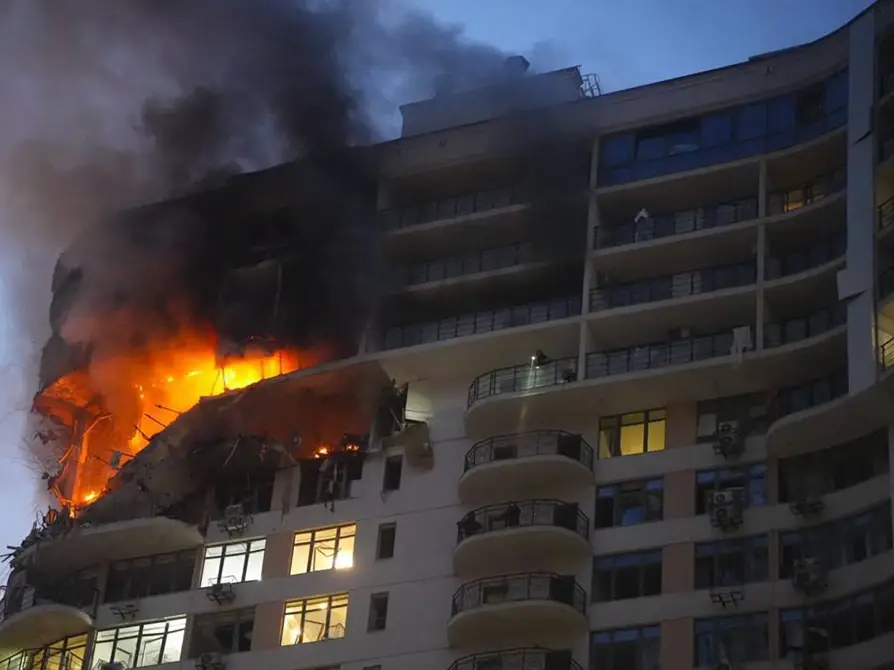
Russian drone hits Warsaw-bound train near Polish border, Zelensky accuses Moscow of ‘deliberate’ targeting
)
War is making Russia stronger? How Ukraine is shaping Moscow’s next generation of weapons
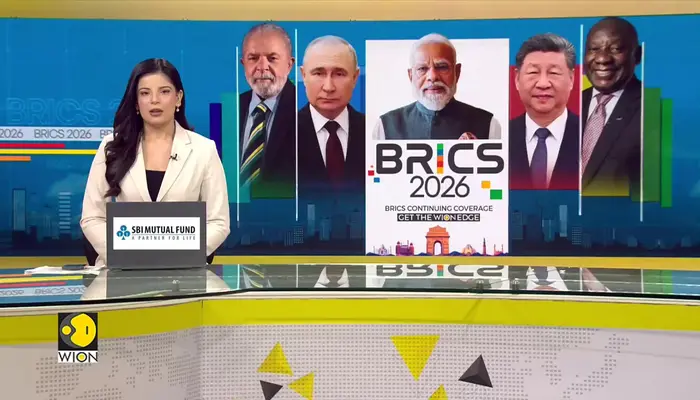)
BRICS Summit 2026: Russia-India-China grouping never formalised
)
From severe mobility problems to recovery: Madhuri the elephant’s journey of wildlife care
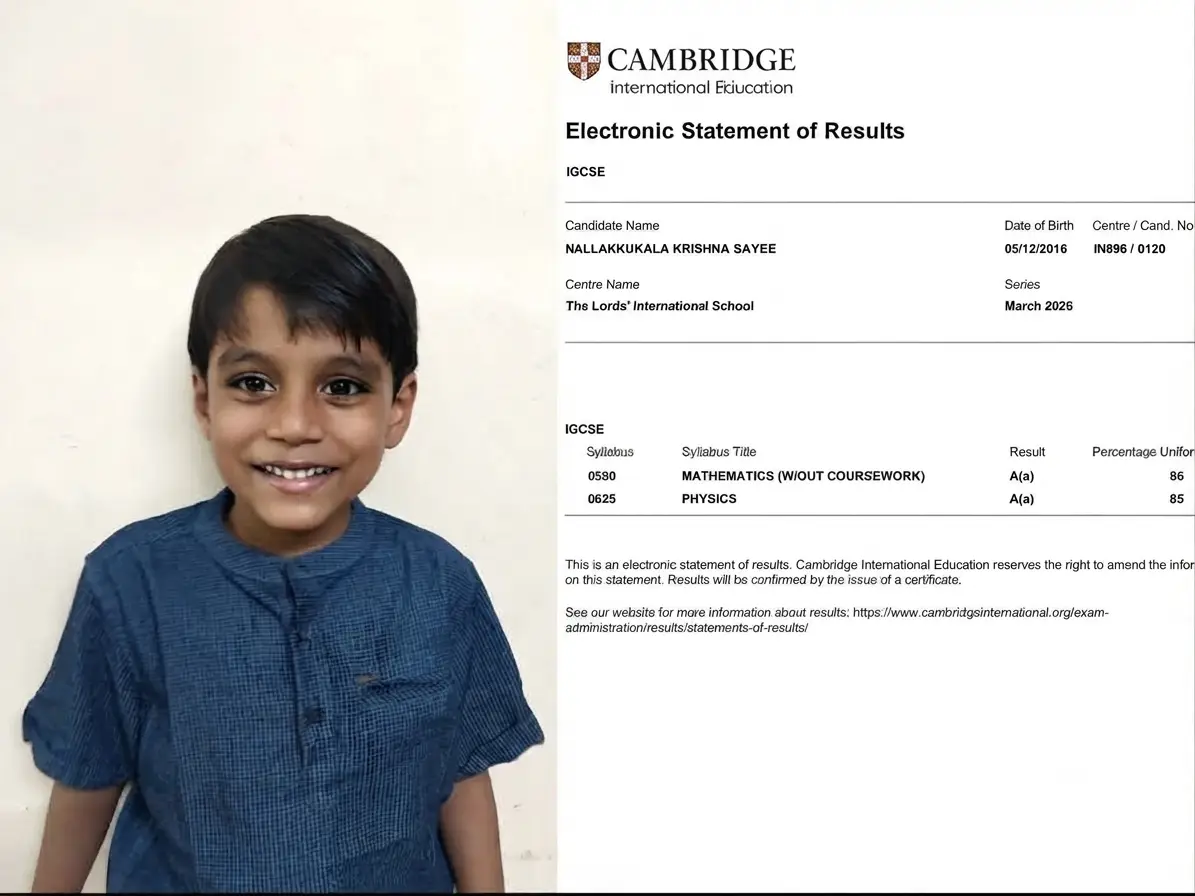)
9-year-old Chennai prodigy clears Cambridge IGCSE grade 10 exams
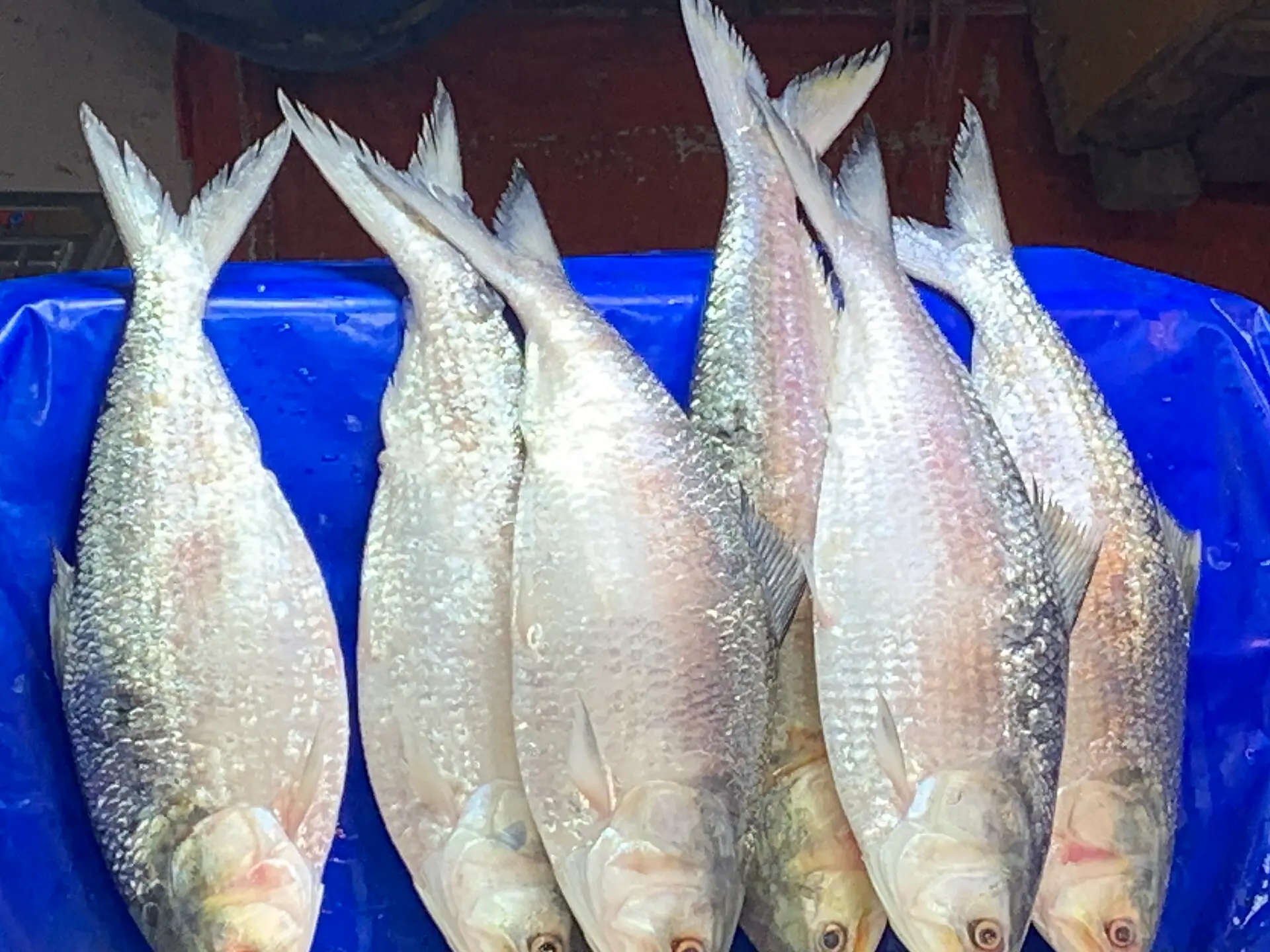)
Indian importers urge Bangladesh to lift export ban on 'Hilsa' fish ahead of Durga Puja
)
Humans may lose control of AI: Anthropic CEO calls for slowdown, Altman, Musk back him
)
BRICS Summit 2026: Modi-Xi moment highlights India-China thaw at BRICS
)
US diplomat accused of possessing child abuse images secretly flown out of UK by US Marines
)
Why does your skin need protection from UV rays?
)
PM Modi and China's Xi offered to help resolve Russia-Ukraine war: Kremlin
)
Akram, Afridi, Mushtaq tear into PCB after Pakistan’s Test series collapse in UK
But Zarif also appeared to stick by the core argument that he made in the leaked audio.
He saidthe "main point" of his remarks in the audio,in which he says the military has too much influence on diplomacy, is emphasising "the need for a smart adjustment of the relationship between" diplomacy and the military.
Zarif also said he saw a need for "setting priorities through legal structures and under the great purview of the supreme leader" Ayatollah Ali Khamenei.
Iran's President Hassan Rouhani has ordered a probe to identify who leaked the "stolen" three-hour recording.
His moderate government has sought to downplay the remarks, which were leaked ahead of the June elections and asIranand world powers discuss ways to revive a 2015 nuclear accord.
"In the Islamic republic the military field rules," Zarif said in the audio tape, published by several media outlets outsideIranon Sunday. "I have sacrified diplomacy for the military field rather than the field servicing diplomacy".
Leader of the Guards’ clandestine overseas Quds Force, Soleimani was a pivotal figure who built upIran’s network of proxy armies across the Middle East. He was killed in a USdrone attack in Iraq last year.
Iranretaliated with a rocket attack on an Iraqi air base where USforces were stationed. Hours later,Iranian forces shot down a Ukrainian passenger airliner taking off from Tehran. Days later,Iran's Guards admitted that the plane had been shot "mistakenly".
"I have had the honour of deep friendship and cooperation with haj Qasem (Soleimani) for more than two decades," he wrote, noting that he has repeatedly reminded the world of Soleimani's "humanity, peacefulness and courage".
He also defended his track record by stressing that he has "always followed the country's internally agreed policies and strongly defended them".
"Safeguarding the country's interests and... (those of) the patient and valiant people ofIranis an oath I will stand by until the last moment," Zarif pledged.
"But I have considered appeasement and self-censorship in expert opinion to be a betrayal," he added.
Relations between pragmatist President Hassan Rouhani's government and the Guards are important because the influence of the hardline paramilitary force is so great that it can disrupt any rapprochement with the West if it feels this would endanger its economic and political interests.
The Guard's traditional scepticism about any cultivation of detente with Washington may become relevant if talks betweenIranand world powers advance efforts to revive a 2015 nuclear deal abandoned by President Donald Trump three years ago.
Although Zarif said he had no intention of running inIran's June 18 presidential election, some critics said Zarif's comments were aimed at gaining votes fromIranians disillusioned by a stalled economy and lack of political and social freedoms.
His name has been suggested by prominent moderates as a possible candidate for the election, in which several prominent commanders of the Guards are also running for the top executive post.
The Islamic Revolutionary Guards Corps (IRGC) was set up after the 1979 Islamic Revolution to protect the Shi'ite clerical ruling system and revolutionary values. It answers to Supreme Leader Ayatollah Ali Khamenei.
(With inputs from agencies)