Romania's Klaus Iohannis wins second presidential election runoff

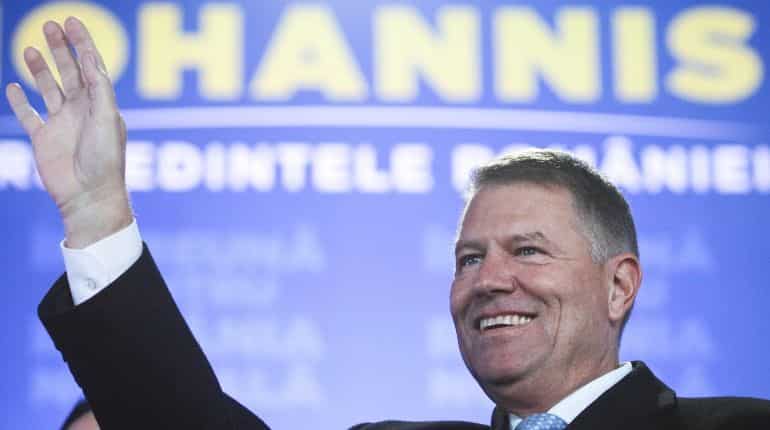
President Klaus Iohannis
Romania'scentrist President KlausIohanniswon apresidentialelection runoff on Sunday as expected, crushing his socialist challenger with apledgeto resume judicial reforms slowed down by successive Social Democrat (PSD) governments.
Two separate exit polls showedIohannisgarnered 64 per cent-67per centof the vote, with former prime minister Viorica Dancila of the left-leaning PSD taking 33-36 per cent.
"The winner today is modern Romania, European Romania, normal Romania,"Iohannistold reporters in his victory speech.

Under a succession of PSD governments, Romania, a European Union member state, has rolled back anti-corruption measures in recent years. Along with ex-communist peers Poland and Hungary, it has been heavily criticized by Brussels for its actions.
However, 60-year-oldIohannishas been credited by Western allies and the European Union with trying to protect theruleoflaw, in particular by challenging attempts to limit judges' independence.
The president's powers are mostly limited to nominating a prime minister on the basis of who can command a majority, challenginglaws in the Constitutional Court, and appointing some chief prosecutors.
)
US Supreme Court backs Trump administration's use of SAVE database to check voter citizenship
)
Heart of the Beast review: Brad Pitt leads a gripping tale of survival and loyalty
)
Outrage erupts after 3-year-old is married to 60-year-old man in Pakistan, link to her sister's murder being probed
)
Pakistan deploys over 20,000 security personnel as PTI vows march for Imran Khan's release
)
Asian Games: Shooting spree continues as India win silver in women’s 50m rifle 3P team event
)
‘Not just a local tragedy’: Nepal PM Shah warns UN of growing climate threat, says Nepal floods were 'a warning to the world'
)
OpenAI AI Agents hacked 4 websites before Hugging Face, researchers reveal
)
Pentagon quietly adds 37 wounded troops to Iran war tally without explaining when or how
&im=FitAndFill=(700,400))
New Friday OTT releases (September 25, 2026): Don’t Be Shy, Hunkkaar: The Roar, Mango Pachcha- 6 movies and TV shows on Netflix, Prime Video and more
)
Yemen's war escalates: Saudi-backed leader calls for general mobilisation against the Houthis
)
‘Attack on Mecca a red line for Pakistan’: Shehbaz Sharif warns Houthis at UN
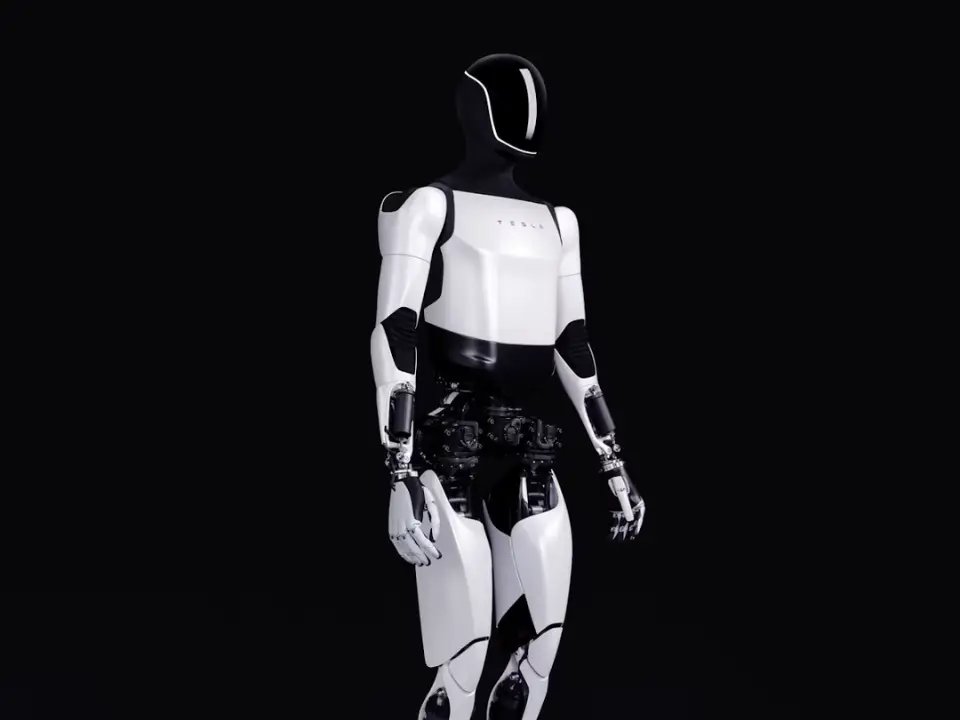)
Tesla is preparing something big for Optimus: new Gen 3 models surface in app
)
Bias or safety concerns? Bengaluru CEO says firm will not hire men from UP, Bihar, Rajasthan, MP. Here's why
)
Did Hitler kill his niece Geli Raubal? Newly found records reopen a 95-year-old mystery
)
Nigeria Navy moves to boost oil security, tackle crude theft and infrastructure threats
)
Indian diplomat Petal Gahlot raises deteriorating situation in Pakistan-occupied Kashmir in right of reply at UN
)
Scientists detect first radio signals directly from faraway planet
)
‘It is all possible’: Putin weighs next steps on Ukraine talks, rules out Europe conflict
)
10,000 gather in support of 87-year-old forcefully evicted from home of 71 years
)
Trump rejects Iran's 7-day ceasefire proposal as US weighs renewed bombing after midterms: Report
)
Red Sea crisis: Houthis promise not to target European ships; UNSC condemns Saudi attacks
)
Gaza's war turned environmental damage into second crisis
)
Trump-Xi summit wrap: Big pageantry, Iran talks, few major developments and more meetings planned
)
'Making history': Xi Jinping praises Trump as US-China leaders dine at White House
)
'We do not wish to continue. It's America that must choose': Iran president Pezeshkian calls on US to end war
)
India's UN Envoy slams Pakistan: 'They claim security by day, terrorism by night'
)
Bollywood mourns Mushtaq Khan: Sunny Deol, Rajpal Yadav and others pay tribute
)
Myanmar training camp case: US national, 6 Ukrainians allowed to meet their families abroad
)
'FIRST LOOK from inside Noah’s Ark': Researchers share video from inside mysterious mound in Turkey
)
Cindy Crawford’s son Presley Gerber cremated as death probe continues
)
WATCH | As Shehbaz Sharif claims Pakistan’s ‘victory’ during 2025 conflict, Indian diplomat R Srinivas laughs at UN
)
'A terrorist country is asking me that question?': Jaishankar hits back at Pakistani journalist at UN; flags attacks on commercial shipping
)
Army chief reviews operational preparedness along LoC, visits mega eye camp in Tangdhar
&im=FitAndFill=(700,400))
‘Absolutely savage, sickening’: Zelensky slams Russia as daytime strikes kill 5 in Kyiv
)
US court backs Pentagon's decision to exclude Anthropic over Claude AI restrictions
Lohannisis expected to install anti-graft and anti-mafia prosecutors who are serious about tackling endemic corruption with the backing of Prime Minister Ludovic Orban, who became head of a liberal minority government by winning a parliamentary vote of confidence three weeks ago.
Teacher Andreea Mihai, 50, said "things should slowly return to normality. Both Orban andIohanniswill work together in the same direction."
Dancila's PSD had increased the burden of proof in corruption cases, reorganized panels of judges and set up a special unit to investigate magistrates for potential abuses, a move widely seen as an instrument of political coercion.
Romania'sjudicial reforms have been monitored by Brussels since it joined the EU in 2007; in October, Brussels said the reforms were going backward.
Lohannis, a soft-spoken ethnic German and former mayor of Sibiu, became president in 2014.
He helped to secure popular approval in a referendum last May that called for the government to be banned from altering legislation by emergency decrees and advocated a ban on amnesties and pardons for graft-related crimes.
Data fromRomania'selection commission, which is expected to announce partial official results on Monday, showed a turnout of about 50 per cent, with a record 920,000 voters from the country's diaspora taking part.